Why do storm chasers show up after every big hailstorm?
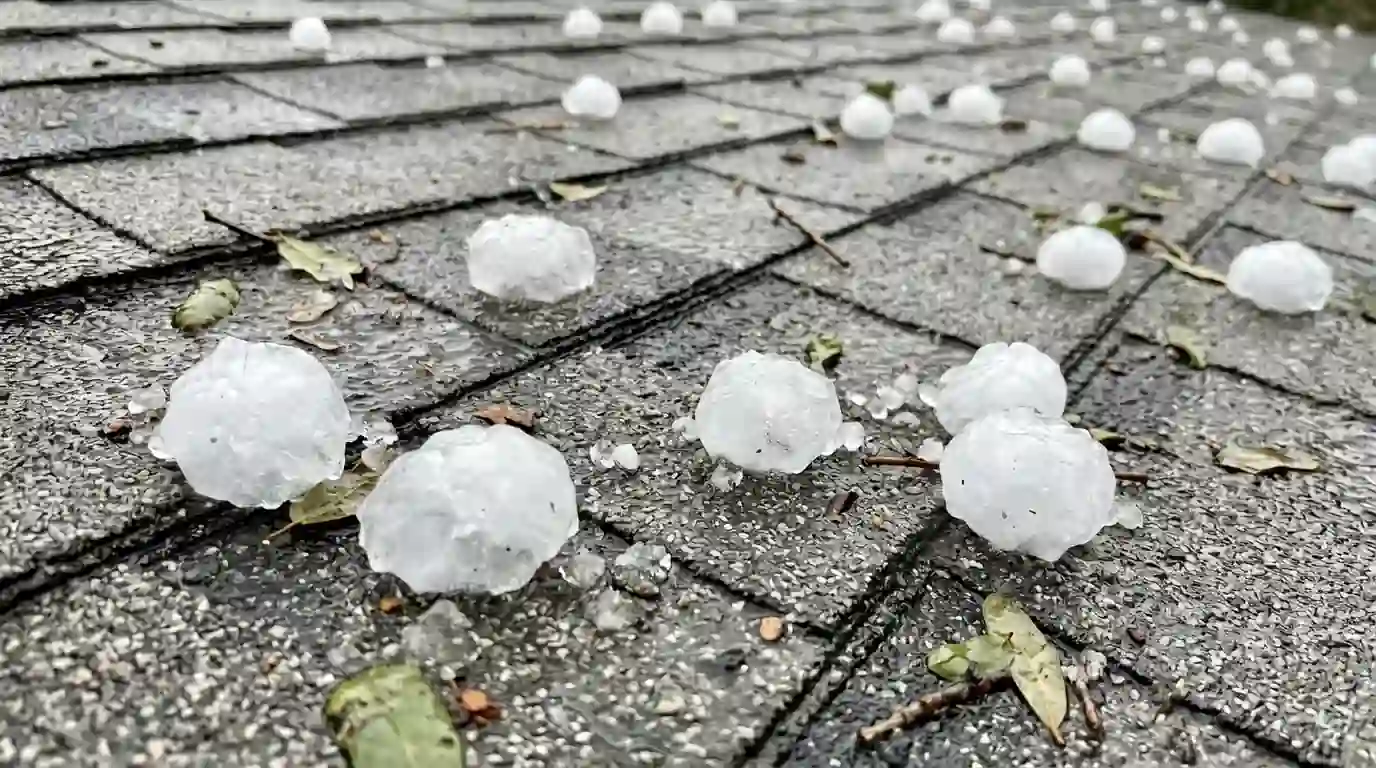
San Antonio sits in one of the more hail-prone parts of Texas, and spring storms from March to June can damage whole subdivisions in a single afternoon. Insurance money follows those storms, and so do traveling sales crews. Some set up in rented offices or hotel rooms within days and start canvassing the hardest-hit streets.
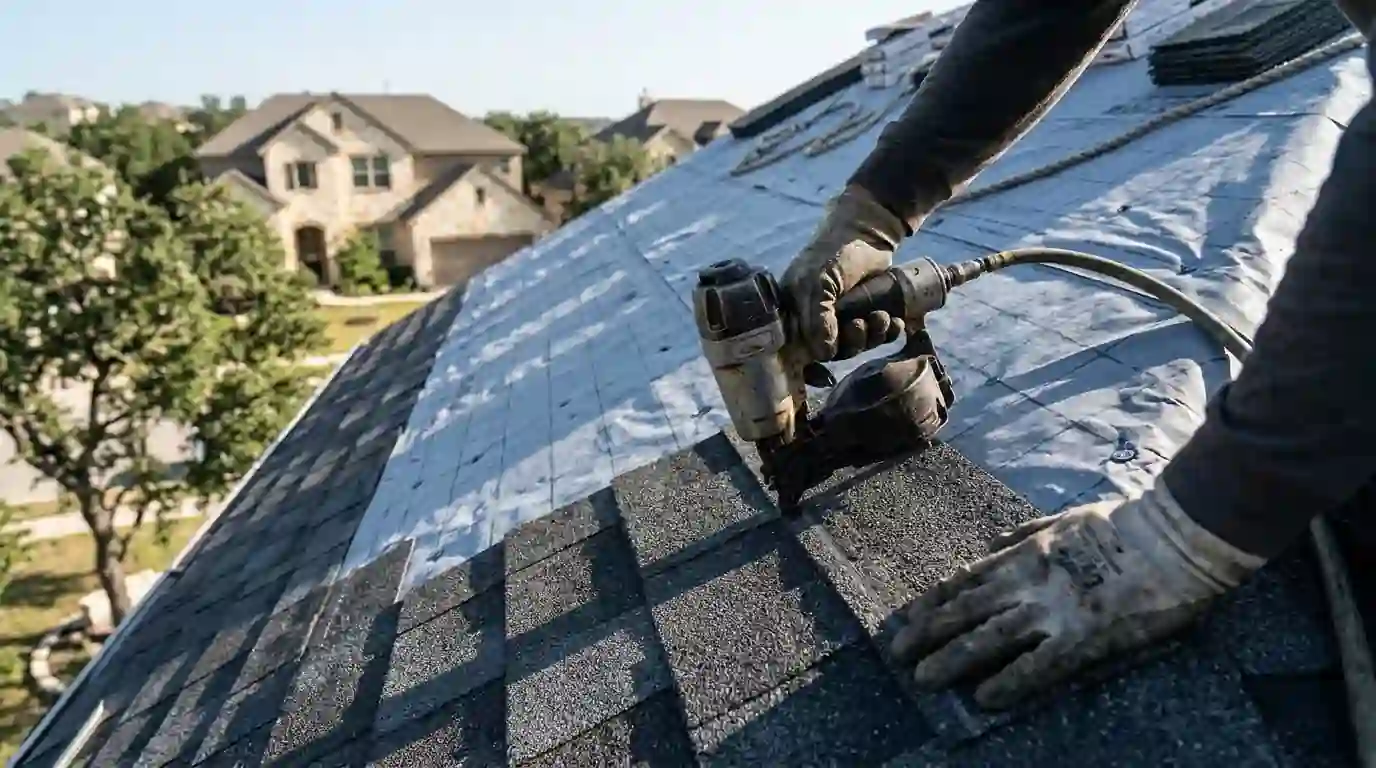
Not every traveling crew is a problem, and some do clean, honest work. The trouble is a business model that rewards speed over care: sign as many contracts as possible, install fast, collect the checks and move on to the next storm. When a flashing leaks two summers later, there's often nobody left to answer the phone.
Red flags you can spot at the front door
The first conversation tells you a lot. A careful contractor is happy to give you time, a business address and written findings. A storm chaser needs your signature before you've had a chance to compare. Watch for these signs during a doorstep visit or the first phone call.
- They say they were working on a neighbor's roof and spotted damage on yours, but can't name the address.
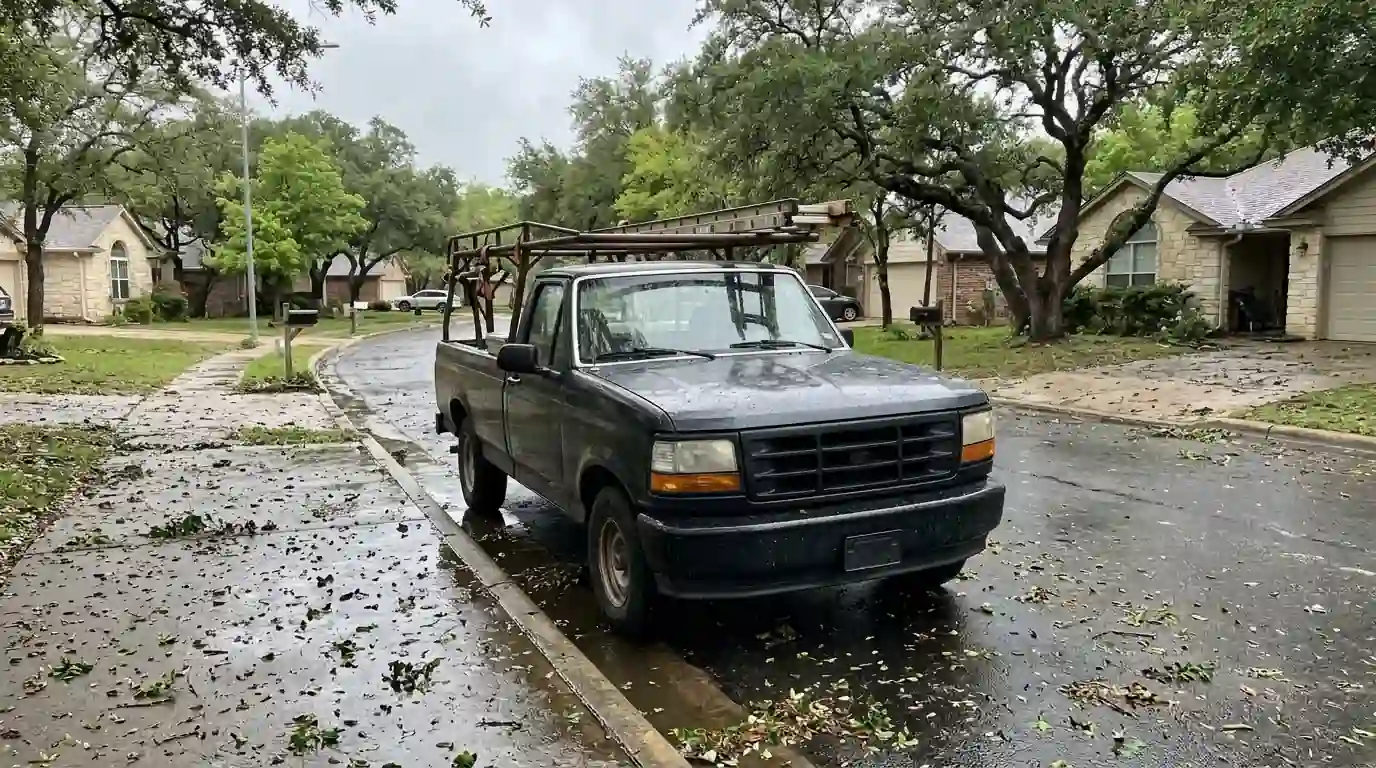
- The truck carries out-of-state plates or magnetic signs, and nobody can give you a local street address.
- They want a signature today to lock in a price, a crew slot or even the inspection itself.
- They talk more about your insurance payout than about the condition of your roof.
- They mention a free roof, which usually means a plan to cover your deductible.
- They ask to be paid in cash or want the full amount before materials arrive.
Which offers cross the line under Texas law?
Two pitches come up after almost every storm, and both are off limits in Texas. The first is an offer to pay, waive or rebate your deductible, often dressed up as a storm discount, a free upgrade or a credit for letting them put a sign in your yard. Texas law bars roofing contractors from doing this, and an inflated invoice that hides the deductible can drag the homeowner into a fraud problem.
The second is a promise to negotiate your claim for you. Texas law also bars a roofing contractor from acting as a public adjuster. A roofer can document damage, measure the roof and explain repair line items, but can't represent you to your insurer. If you want someone in your corner, a public adjuster or an attorney fills that role. Our step-by-step claim walkthrough shows who does what.
What paperwork can tie you to the wrong roofer?
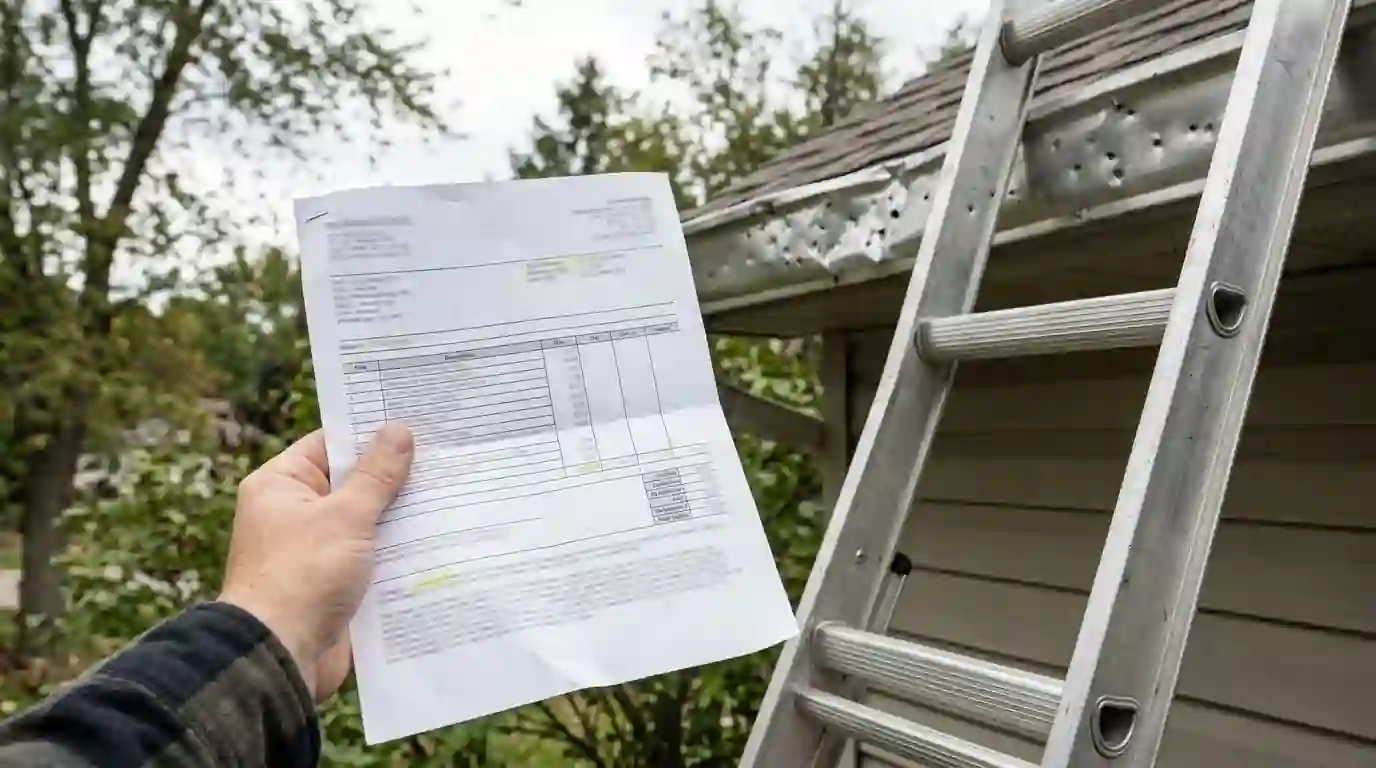
Many problems start with a document that looks harmless. A one-page inspection agreement or claim authorization may actually be a contingency contract that commits you to that company if the insurer approves the claim. Some include a cancellation fee figured as a percentage of the claim, which makes switching roofers expensive.
Watch for assignment of benefits language too, since it hands your insurance payment rights to the contractor. Many sales made at your home also come with a short cancellation window under consumer protection rules, and a proper contract explains how to use it. Read every page and keep copies of whatever you're handed.
- Never sign anything just to get a free inspection.
- Look for words like contingency, assignment, authorization or direction to pay.
- Ask that every blank be filled in or crossed out before you sign.
- Photograph or copy each signed page the same day.
How to check out a roofer in under an hour
A little homework screens out most bad actors. Start with a physical address you can drive past, not a mailbox or a hotel suite. Ask which parts of Bexar County and the surrounding counties they work in, and ask for two or three addresses of recent local jobs you can look at from the street.
Then ask for proof of liability coverage sent straight from their agent, and for a written estimate that names the shingle brand and product line, not just the word shingles. Ask who handles the permit and how you'll see that it was issued. Our overview of local reroof permits explains what that process usually involves.
Signs the inspection was rushed or misleading
A real inspection takes time on the roof and, when possible, in the attic. Ask for dated photos that start with a wide shot of each slope before any close-ups, so you know the damage is actually on your house. Hail tends to mark soft metals like vents and gutters as well as shingles, and the worst hits usually line up with the direction the storm came from.
Be cautious if someone goes up alone and comes down with only tight close-ups, or reports identical damage on every slope when the storm clearly came from one side. Ask for the findings in writing. A documented storm damage inspection should leave you with photos and notes you can show any contractor or adjuster.
Payment terms that keep the risk off you
Payment schedules tell you who is carrying the risk. A large deposit before anything is delivered puts it on you. Reasonable terms tie payments to clear milestones, such as materials dropped at the house and the job finished and walked with you. Pay by check or card so there's a record, and don't endorse an insurance check over to anyone before the work is done.
On many replacement cost policies, the insurer pays in two parts: a first check, then the held-back depreciation once the work is complete and documented. A contractor who wants both checks signed over at the start, or the whole amount before the crew arrives, is asking you to fund the job before it's been earned.
What a calm first week after hail looks like
Most roof claims don't need to be settled in a day. Cover any active leak, take your own photos and check your policy for its reporting deadlines. Our checklist for the day after a hailstorm covers the order of steps. After that, get one or two local inspections and compare the written findings side by side.
If someone left a contract at your door and you'd like a second opinion, or you want the roof checked before you call your insurer, ring our line at (210) 750-1898. We'll look at the roof and the attic, photograph what we find and hand you a written report you can keep, whoever you end up hiring.