Skip to content
Ortiz RoofingSan Antonio, Texas 24/7(210) 750-1898

Concealed-fastener metal

Standing seam metal roofing in San Antonio with the Hill Country look

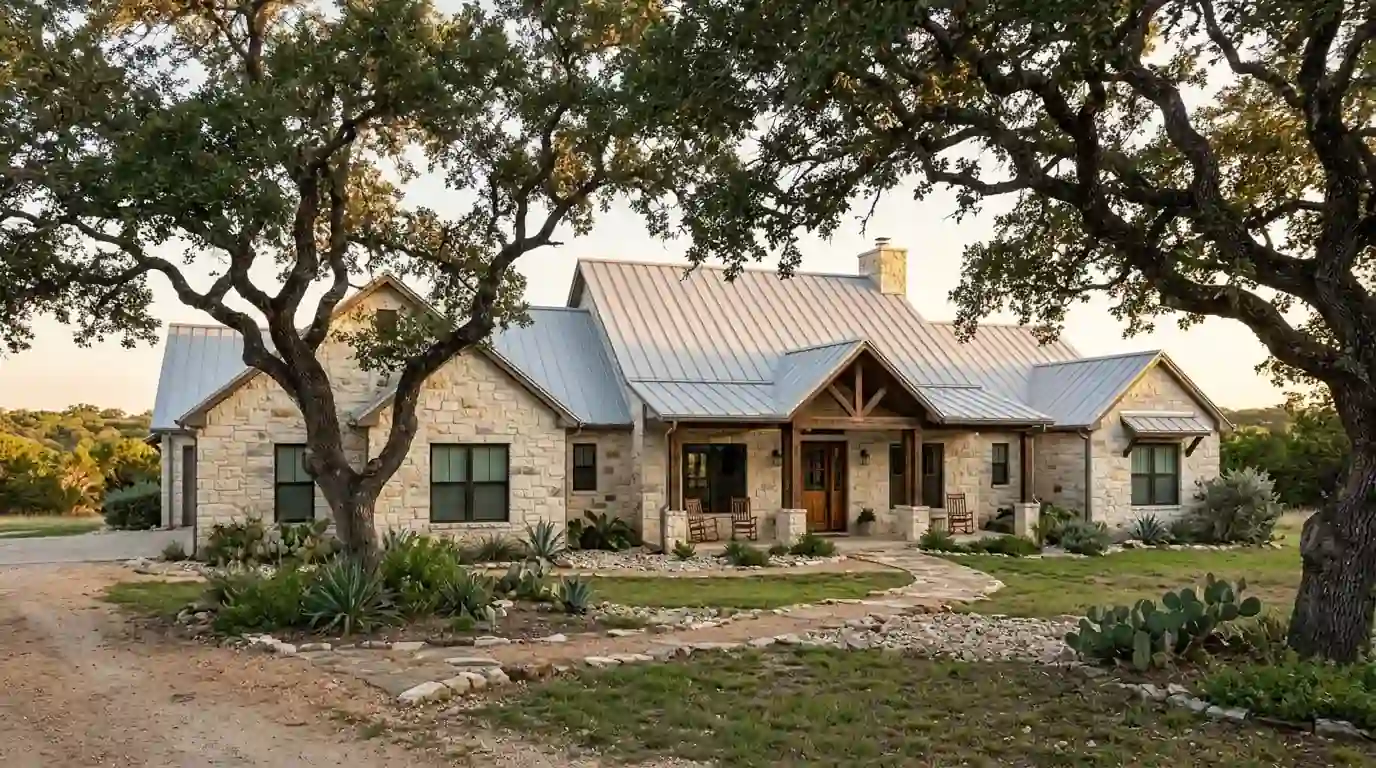
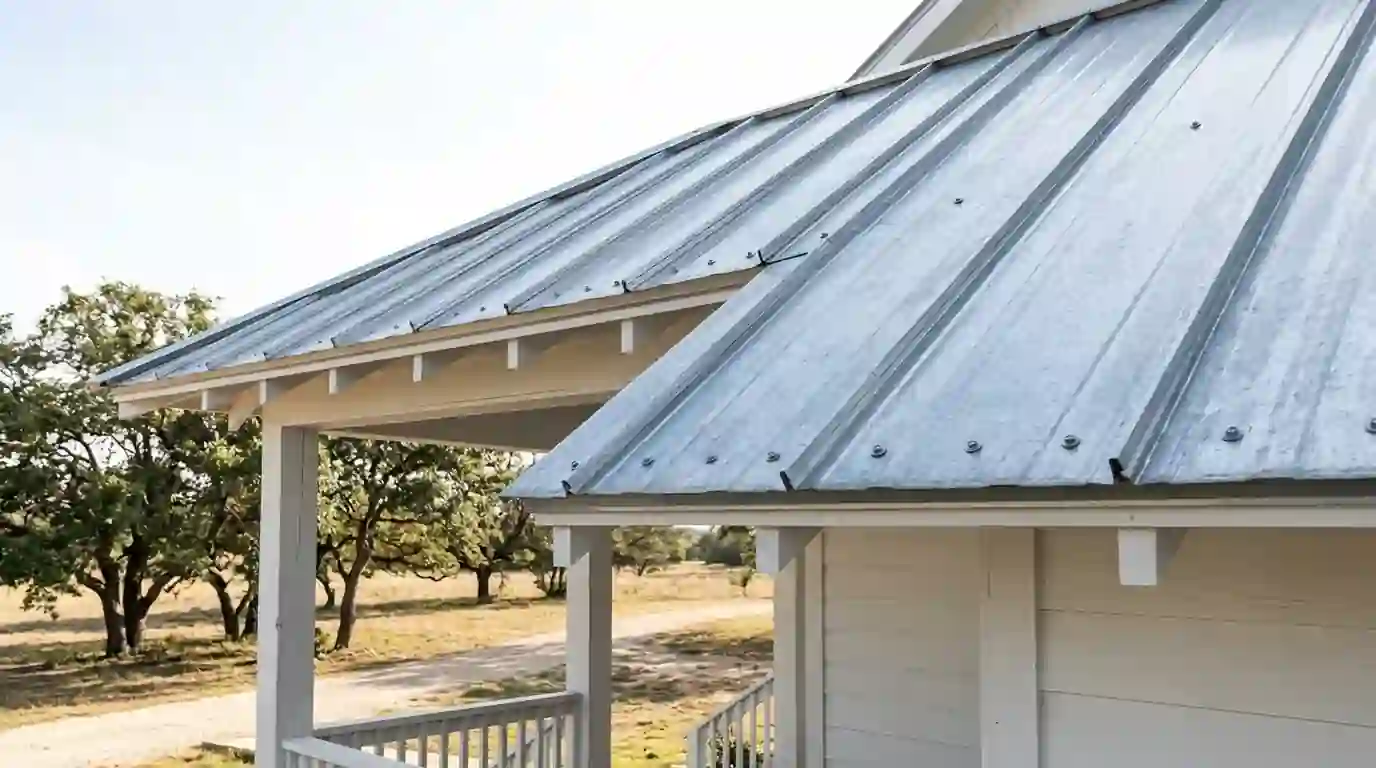
Standing seam is the clean, ribbed metal roof you see on limestone homes from Boerne to Stone Oak. The fasteners hide under the seams, so there are no exposed screws to wear out, and the panels reflect a lot of Texas sun.

  • Phones answered 24/7
  • Roof Replacement & Materials
Limestone Hill Country home near San Antonio with a light gray standing seam metal roof, crisp vertical seams catching late sun, live oaks framing the front yard
Typical San Antonio range$1,085 to $1,590 per square
Short answer

Standing seam metal roofing uses long vertical panels joined by raised seams that hide the fasteners underneath. In San Antonio, it's chosen for its Hill Country style, heat reflectance and hail resistance, and it typically outlasts shingles by decades. Installed prices usually run $1,085 to $1,590 per square, depending on panel gauge, finish, seam type and roof complexity after inspection.

How concealed fasteners change the long-term upkeep

On exposed-fastener metal roofs, thousands of screws pass through the panels, and each rubber washer eventually dries out. Standing seam panels are held down with clips or fastener flanges that sit under the next panel's seam. Nothing punctures the weather surface in the field of the roof, which removes the most common source of metal roof leaks.

Clips also let panels expand and contract as they heat up. On a July afternoon, a long panel can grow noticeably in length and then shrink again overnight. Floating clips allow that movement without elongating holes or popping fasteners. If you're comparing costs, our page on exposed-fastener 5V panels explains where the cheaper system fits better.

Galvalume or a painted Kynar finish: which suits your home?

Bare Galvalume is steel coated with an aluminum and zinc alloy. It has the silvery, slightly mottled look common on ranch homes and barns around the Hill Country, and it reflects a great deal of sunlight. It does scratch and can show fingerprints and handling marks while it's new, which fade as the surface weathers.

Painted panels use a resin finish, and PVDF finishes sold under names like Kynar 500 hold color longest in strong sun. Light colors like bone white, ash gray and light stone keep the panel surface coolest. Darker bronzes and charcoals look sharp on modern farmhouse builds but run hotter. HOAs often restrict metal colors, so check before you fall for a shade.

Reflectance is where metal earns its keep in July. A light painted panel bounces back much more sunlight than a dark shingle, and metal sheds stored heat quickly once the sun drops, so the attic cools faster in the evening. You'll still want good soffit intake and a vented ridge, because the panels only reduce heat coming in, they don't move hot air out.
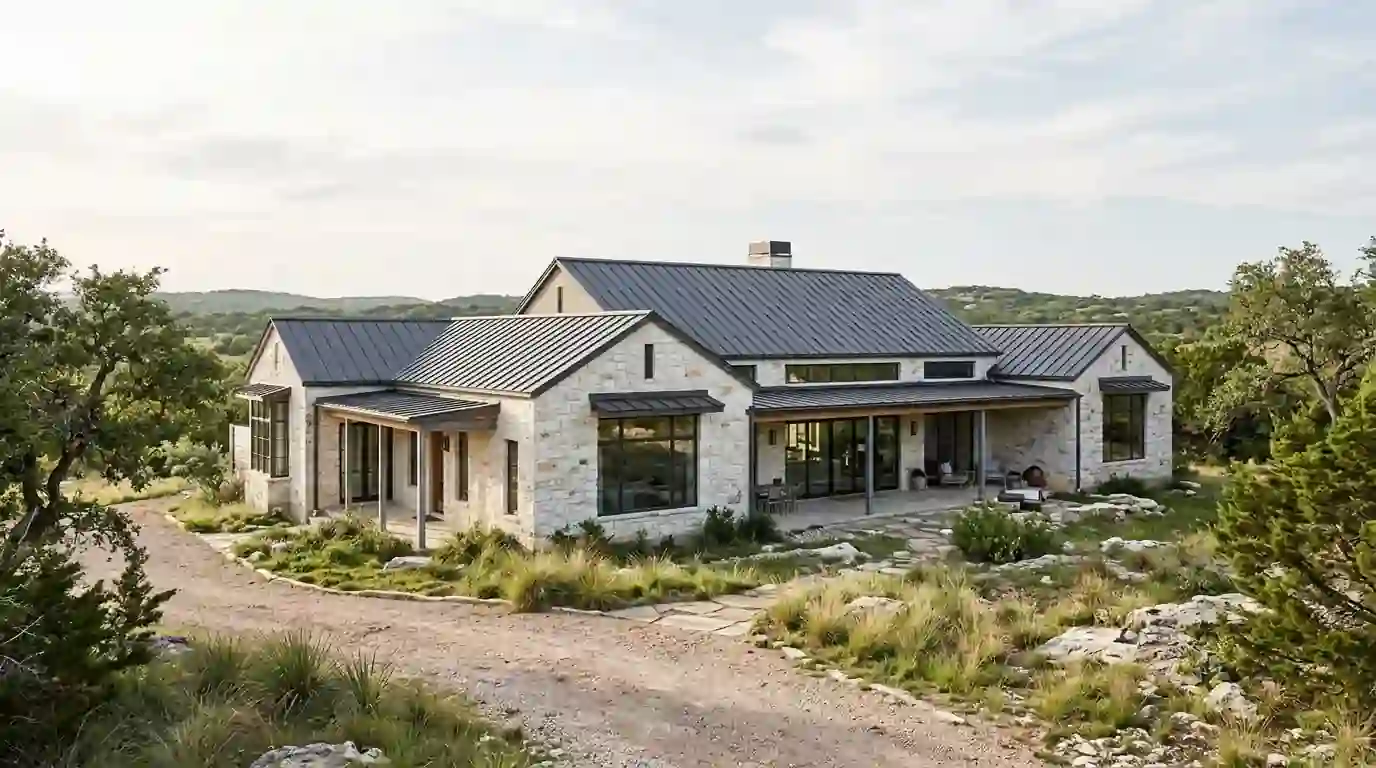
Charcoal standing seam metal roof with crisp vertical seams on a limestone Hill Country home
Standing Seam Metal Roofing on a San Antonio area home.

Snap-lock or mechanically seamed panels

Snap-lock panels click together along the seam and are fastened through a hidden flange. They're quick to install and work well on most residential pitches. Mechanically seamed panels are folded together with a seaming tool, creating a tighter, more weather-resistant joint. That extra seal matters on lower slopes and on long runs where water moves slowly.

Panel gauge matters too. Most residential standing seam here is 24 or 26 gauge, with 24 being thicker and stiffer. A heavier gauge resists dents from hail better and shows less oil canning, the slight waviness you sometimes see in flat panels. We'll show you real samples of each so you can feel the difference.

How standing seam handles San Antonio hail

Metal doesn't crack the way shingles and tile do, but it can dent. Many standing seam panels carry a UL 2218 Class 4 impact rating, and some insurers treat them as qualifying for the Texas impact-resistant discount. Ask your agent how your policy handles dents, since some separate cosmetic marks from damage that lets water in.

Heavier gauge and striated or ribbed panels hide small dents better than flat 26 gauge pans. If you already have a metal roof showing hail dimples or loose trim, our metal roof repair service covers how we judge cosmetic dents against functional damage.

After a big storm, we check the panels, ridge trim and gutters together, since trim usually shows hail before the panels do. Bent ridge caps and crushed eave trim are cheap to replace and are often where water first finds its way in.

Underlayment, trim and details that make or break a metal roof

Under the panels, we install a high-temperature synthetic underlayment rated for metal, since the deck under a metal roof gets very hot in summer. Standard felt can soften and stick to panels. At valleys, ridges and walls, the trim details decide whether the roof stays dry, so we use closures at panel ends and hem panel edges at the eave.

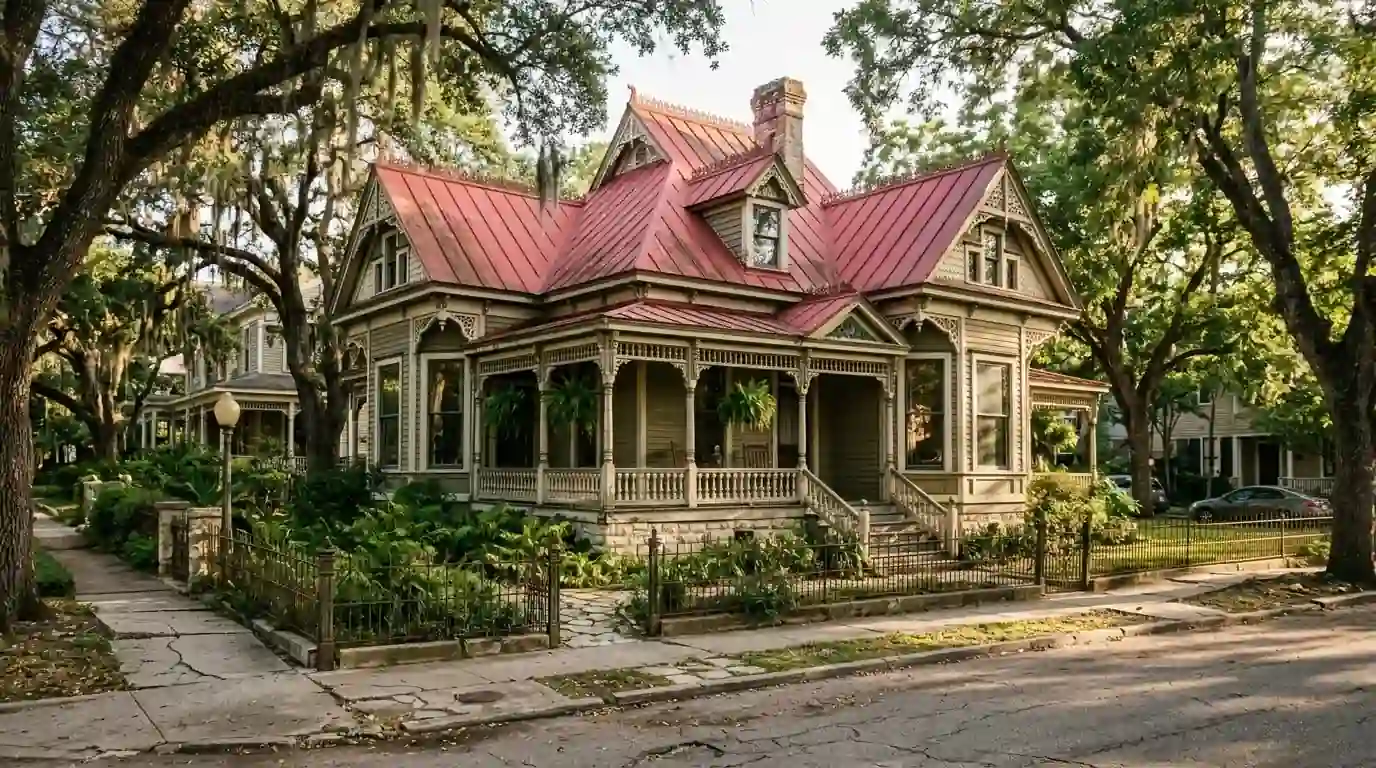
Penetrations are another weak point. Pipes, bath fans and especially rooftop solar mounts need flashing made for metal, ideally positioned so they don't straddle a seam. On homes in historic districts, our historic roofing work covers narrow-pan profiles that suit older houses.
Warning signs

Signs your roof needs standing seam metal roofing

Tired of hail repairs

If shingle roofs on your house keep getting replaced after storms, metal offers a sturdier surface.

Planning to stay long term

Standing seam can last decades, so it pays off most when you'll own the home a long time.

Hot upstairs rooms

Light metal finishes reflect more sun than dark shingles and can ease attic heat.

Hill Country style home

Limestone and stucco homes with metal accents often look most at home under a full standing seam roof.

Low-slope sections

Mechanically seamed panels can handle lower pitches where shingles aren't allowed.

Planning solar panels

Seam clamps attach without drilling through the panels, which simplifies a future array.

From first call to finished roof

How we handle standing seam metal roofing from start to finish

  1. Step 1

    Measure and choose panels

    We measure each slope and help you pick gauge, seam type, finish and color.

  2. Step 2

    Order custom-length panels

    Panels are cut to the exact length of each run so most slopes have no end laps.

  3. Step 3

    Prepare the deck

    Old roofing comes off, decking is repaired, and high-temperature underlayment goes down.

  4. Step 4

    Install trim and clips

    Eave trim, valleys and clips go in first, set to allow thermal movement.

  5. Step 5

    Set and seam panels

    Panels are locked or machine-seamed, then closures and ridge trim finish each run.

  6. Step 6

    Flash penetrations and inspect

    Pipes and vents get metal-rated boots, and we walk every seam before we leave.

What standing seam metal roofing usually costs in San Antonio

Standing seam roofs in San Antonio usually cost $1,085 to $1,590 per square installed. The final price depends on the roof after inspection, and these are typical line items per square.

Line itemTypical range
24 or 26 gauge panels, per square installed$715 to $1,045
High-temperature underlayment, per square$64 to $97
Trim, closures and flashing, per square equivalent$165 to $285
Tear-off and deck prep, per square$141 to $163

What moves the price

  • Panel gauge, with 24 gauge costing more than 26 gauge.
  • Finish, since PVDF painted panels cost more than bare Galvalume.
  • Seam type, with mechanically seamed panels taking longer to install.
  • Roof shape, because hips, valleys and dormers add trim and labor.
  • Penetrations and skylights that need custom metal flashing.
  • Pitch and height, which affect safety setup and panel handling.

Ranges are typical, not quotes. Your price depends on the roof we see at the inspection. See every service side by side in the roofing cost guide.

Materials we install and repair

  • GAF
  • Owens Corning
  • CertainTeed
  • Malarkey
  • TAMKO
  • Atlas Roofing
  • IKO
  • Eagle Roofing
  • Westlake Royal
  • DaVinci Roofscapes
  • Englert
  • Carlisle
  • Velux
  • Solatube
  • GAF
  • Owens Corning
  • CertainTeed
  • Malarkey
  • TAMKO
  • Atlas Roofing
  • IKO
  • Eagle Roofing
  • Westlake Royal
  • DaVinci Roofscapes
  • Englert
  • Carlisle
  • Velux
  • Solatube
  • GAF
  • Owens Corning
  • CertainTeed
  • Malarkey
  • TAMKO
  • Atlas Roofing
  • IKO
  • Eagle Roofing
  • Westlake Royal
  • DaVinci Roofscapes
  • Englert
  • Carlisle
  • Velux
  • Solatube

Answers

Standing Seam Metal Roofing questions from San Antonio homeowners

How long does standing seam metal roofing last in San Antonio heat?

A well-installed standing seam roof commonly lasts 40 years or more, far longer than asphalt shingles. Painted PVDF finishes may fade slightly over decades, but the steel underneath stays sound if it's kept clean and the trim stays sealed. The underlayment beneath matters, so we use a high-temperature product made for metal.

Is a standing seam metal roof loud in the rain?

Over solid decking and underlayment, it's usually not much louder than shingles. The loud metal roofs people remember are typically panels on open purlins in barns, with no deck underneath. Attic insulation also deadens sound. During heavy hail you may hear more, but normal rain is a soft patter.

Does standing seam metal roofing qualify for the Texas impact-resistant discount?

Many standing seam products carry a UL 2218 Class 4 rating, and Texas requires insurers to offer a discount for qualifying impact-resistant roofs. Whether your specific panel qualifies, and how big the discount is, depends on your insurer. Ask your agent before choosing a panel, and we'll provide the product paperwork.

Can standing seam panels go over my existing shingles?

Sometimes it's allowed, but we usually recommend a tear-off in San Antonio. Removing the shingles lets us check and repair the decking, and it avoids trapping heat between layers. A tear-off also keeps the panels flat on a smooth surface, which reduces oil canning and keeps clips seated.

Related work

Other roof work that often goes with this job

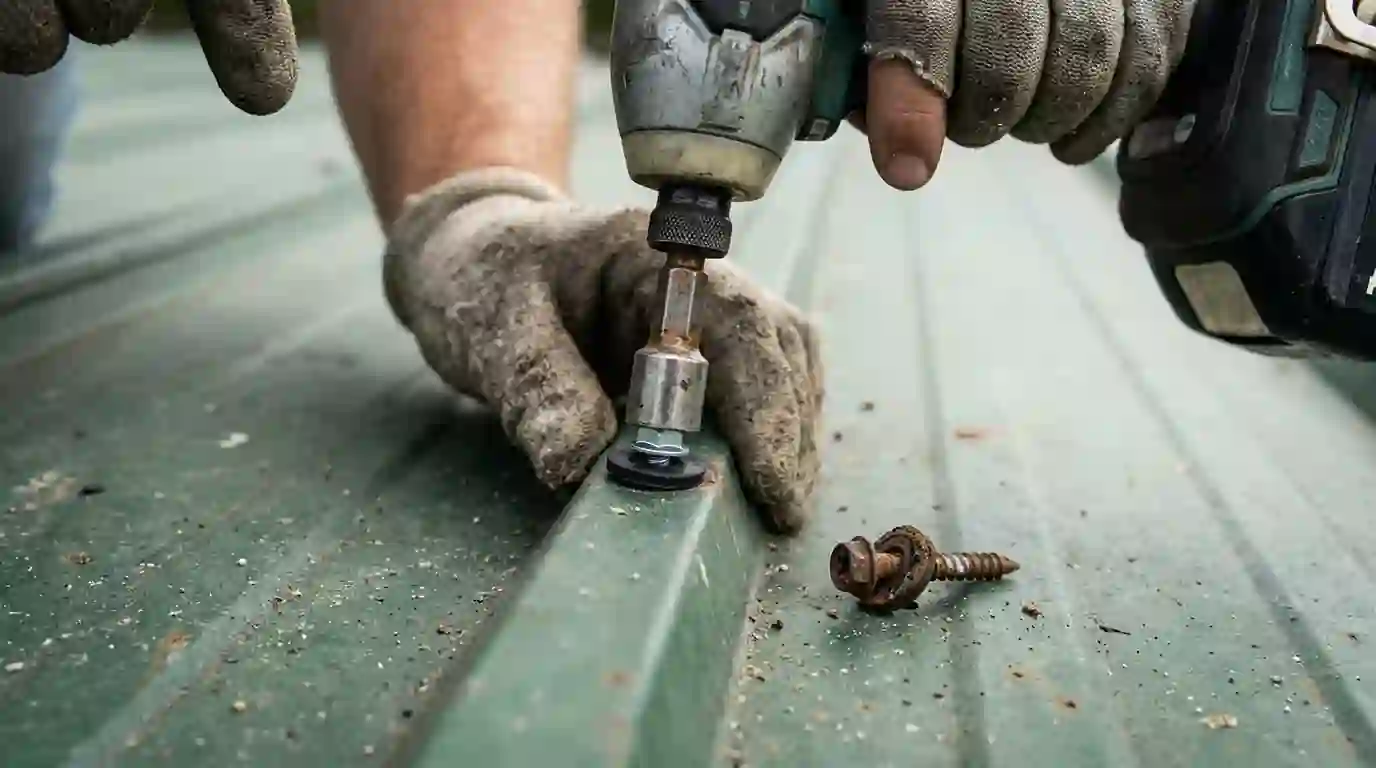
Roofer replacing a backed-out screw and worn washer on an exposed fastener metal roof panel

Metal Roof Repair

Backed-out screws, dried washers, leaking seams, loose trim and rust spots fixed on standing seam, 5V and corrugated roofs.

Learn more
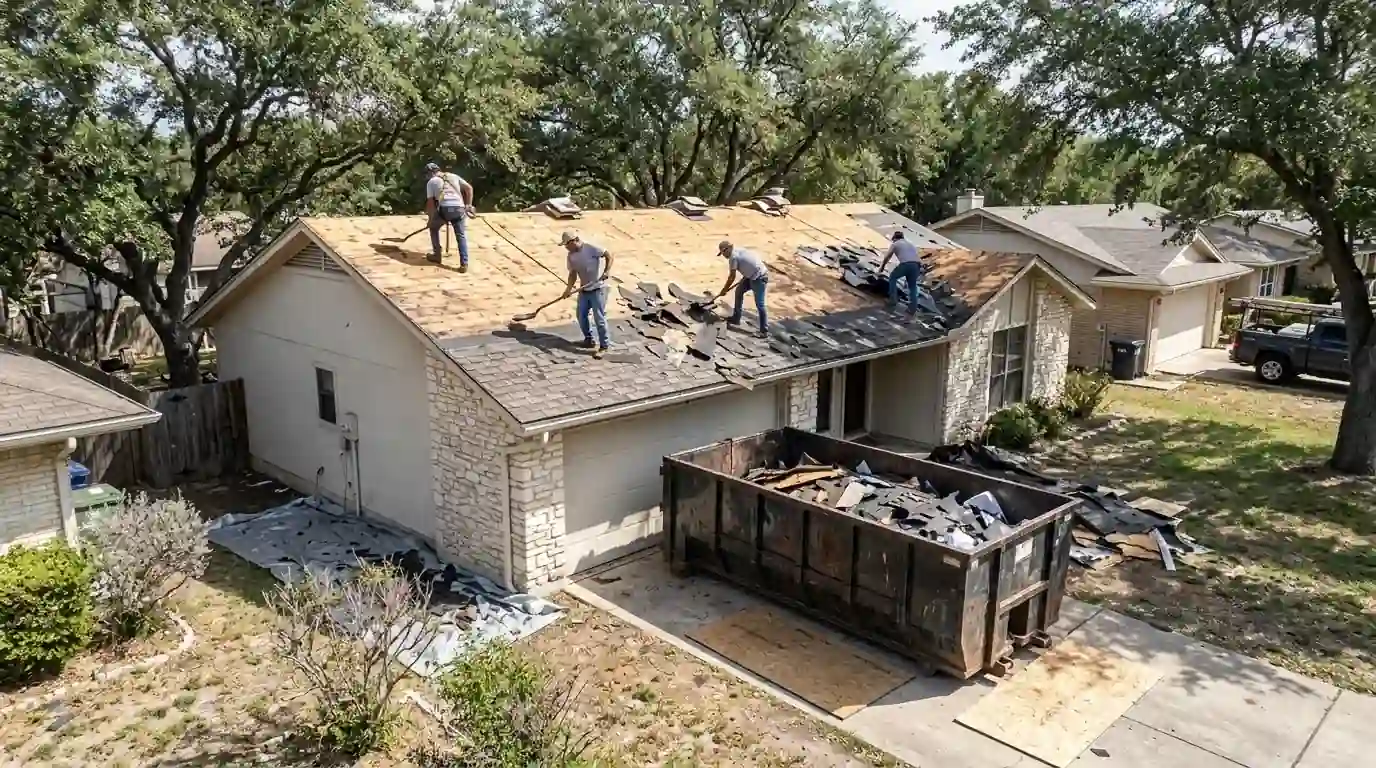
Crew tearing off old shingles down to the deck on a single-story San Antonio home, dumpster in the driveway

Roof Replacement

Full tear-off to the deck, new underlayment, drip edge, flashing and vents, then a magnet sweep of the yard before we leave.

Learn more

Roof trouble today? Talk to a roofer now.

Our phone line is answered 24/7. Tell us what you see and we will tell you the next step, even if that step is a tarp tonight and a full inspection tomorrow.

Call (210) 750-1898Answered 24 hours a day
Call (210) 750-189824/7