Why lake-facing slopes wear out first
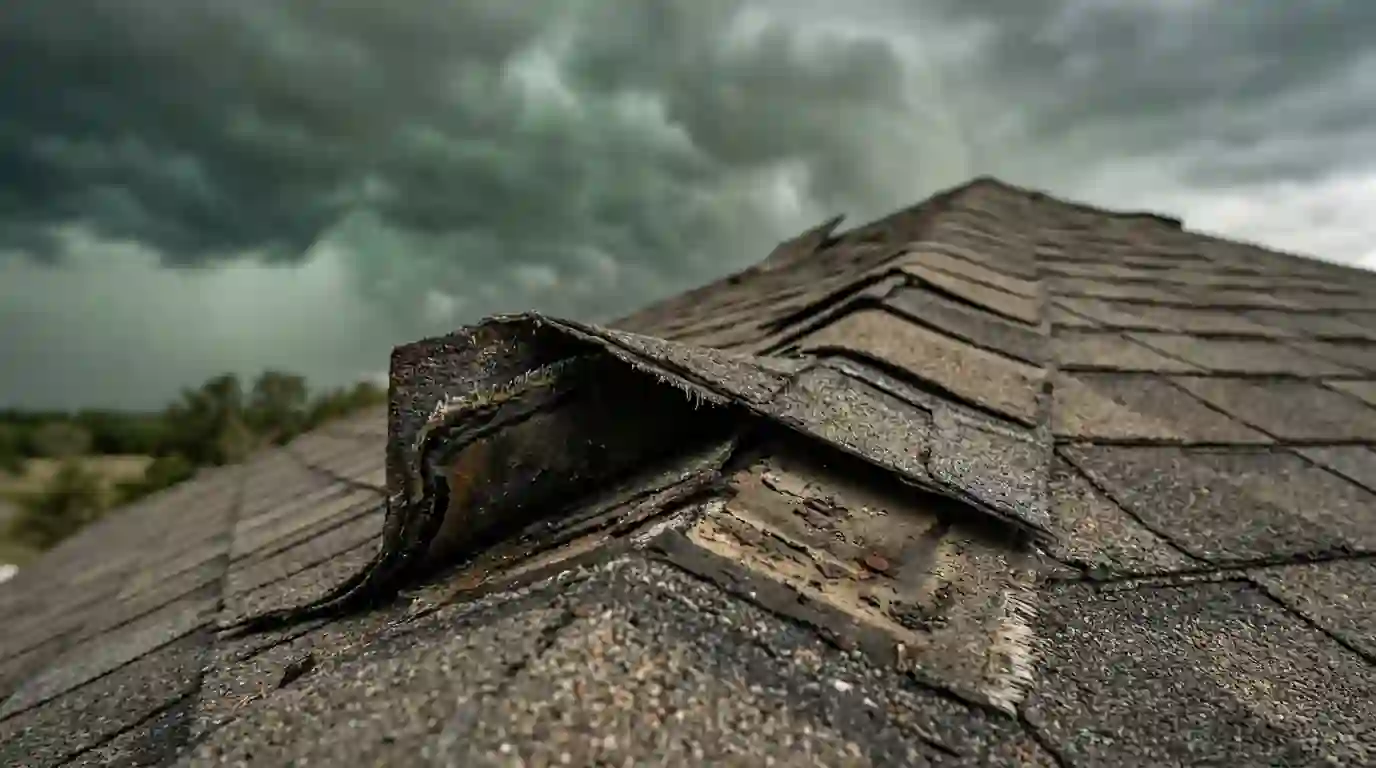
Wind picks up speed across open water, then hits the first row of hillside homes. The slopes facing the lake take that load storm after storm. Shingles there lose their seal strips sooner, tabs crease, and edges start to flutter, while the back slope of the same roof can look nearly new.
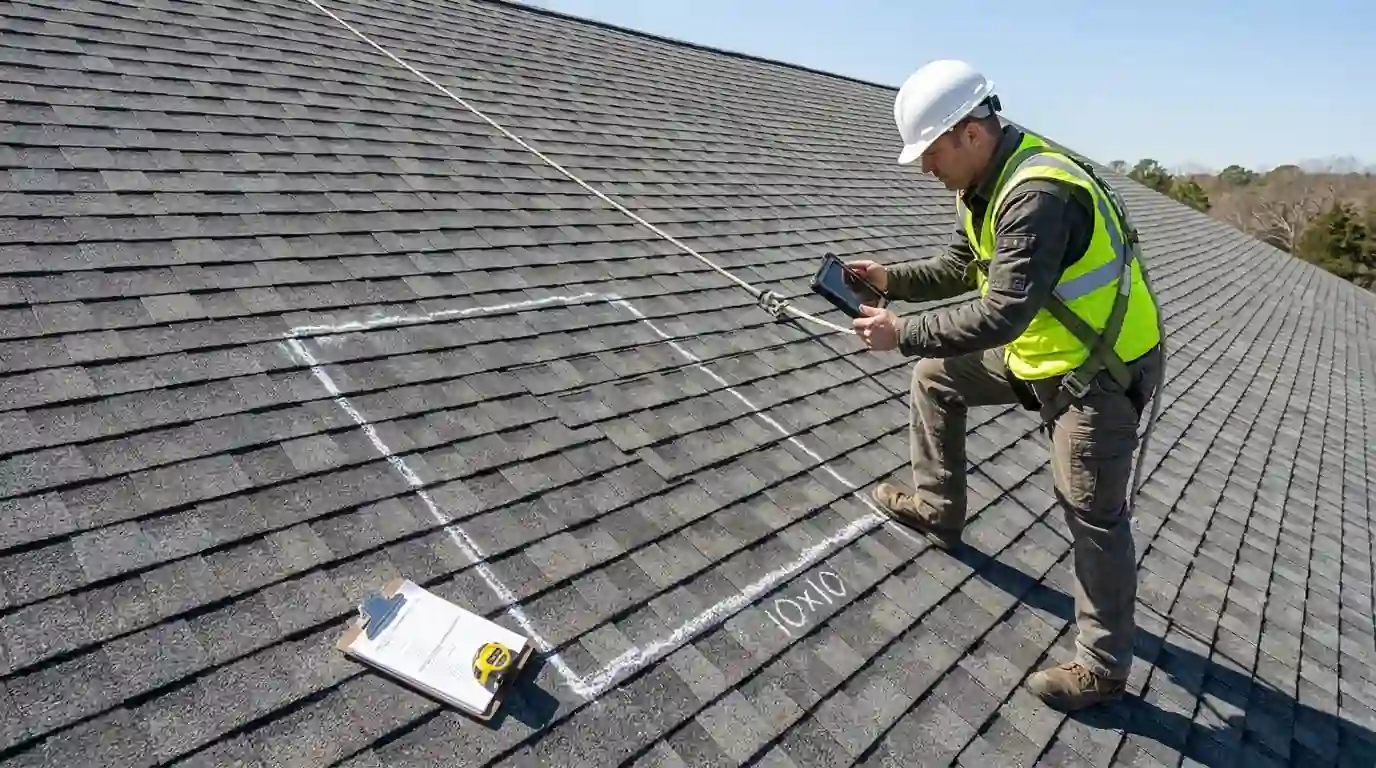
When we inspect around Canyon Lake, we compare the two sides of the roof. Creased or missing tabs on the lake side, with clean slopes behind, point to wind-related damage rather than age. That distinction matters if you file a claim, and our photos show it slope by slope so your adjuster can see the pattern.
Who checks the roof when you're not at the lake?
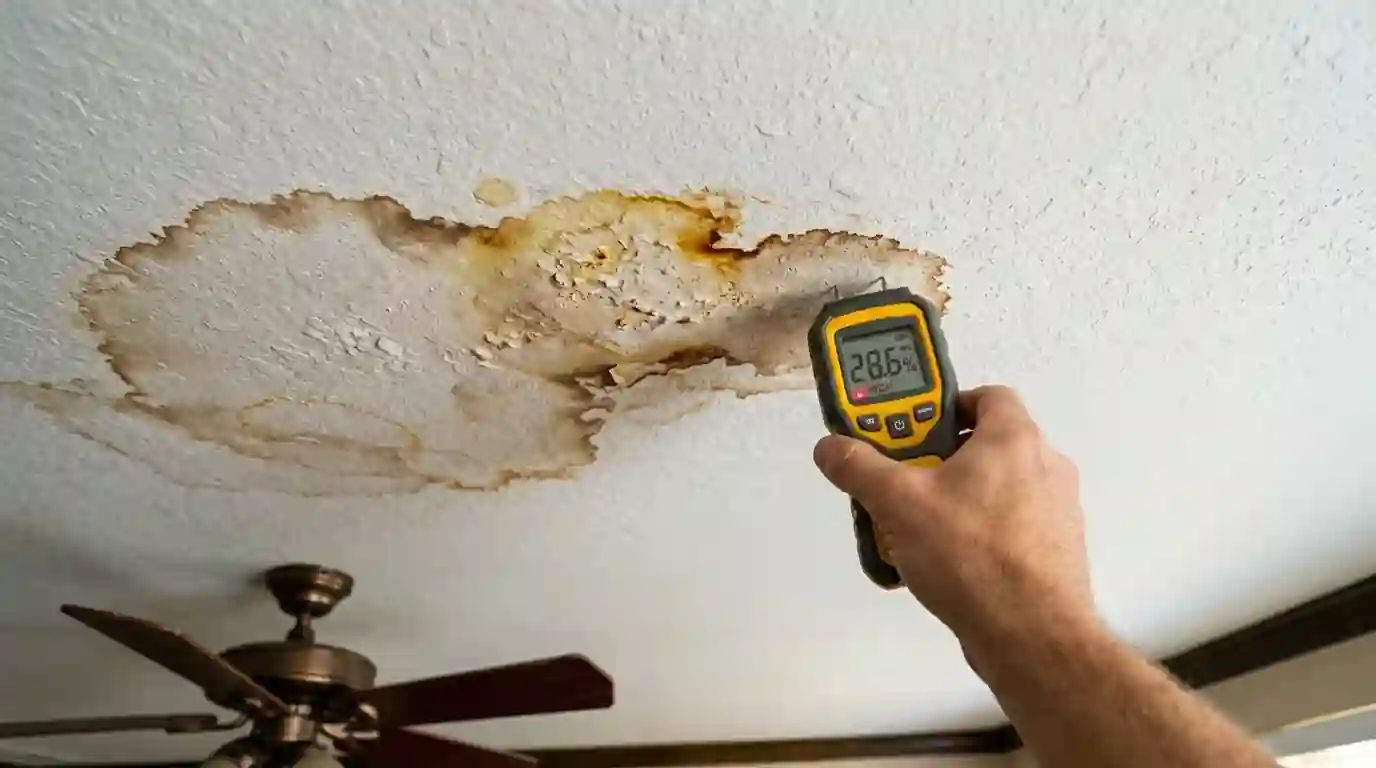
Many owners here live in San Antonio, Austin or farther away and visit on weekends. A storm on a Tuesday might not be noticed until a stain shows up the next month. By then, wet insulation and drywall have joined the repair list.
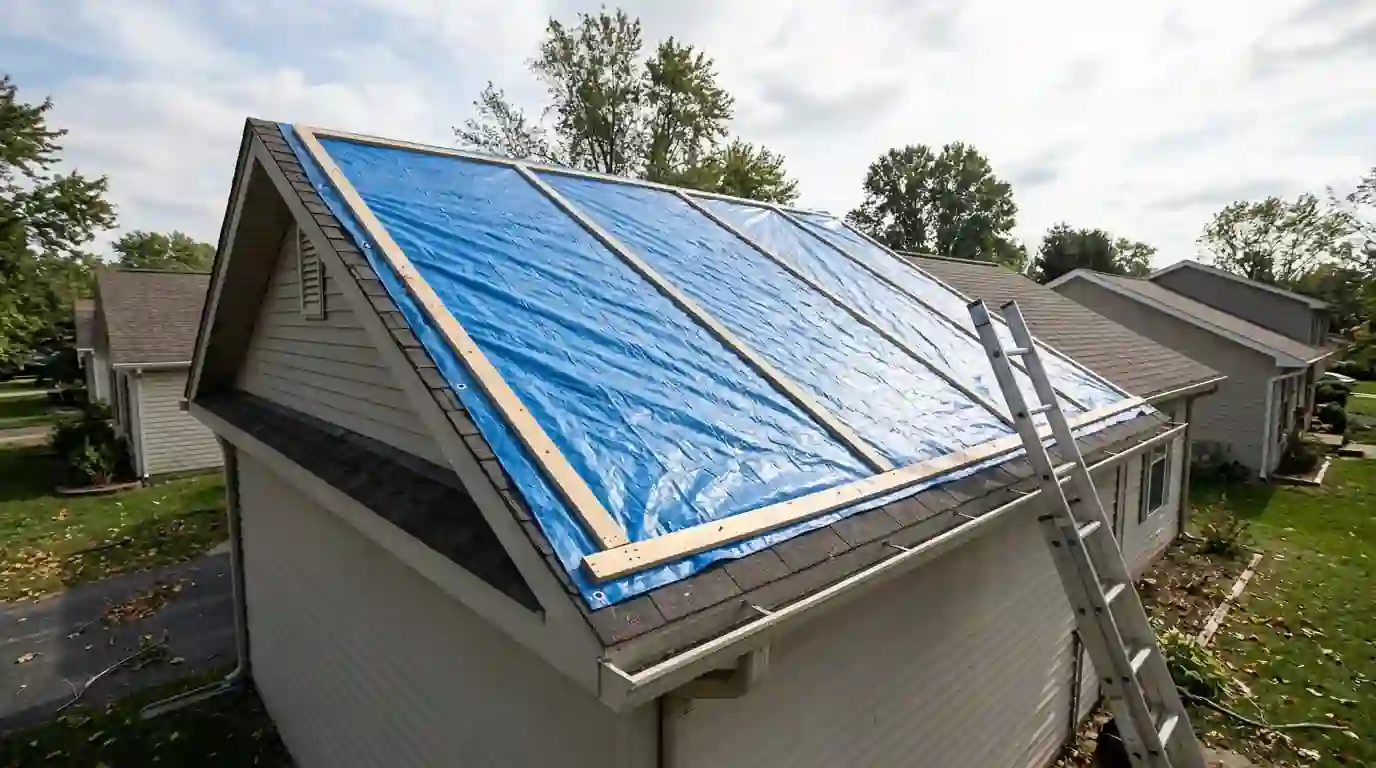
We can do a post-storm look and send you photos and a short note, so you know whether anything needs attention before your next trip. If water is getting in, emergency tarping keeps the house dry until a permanent repair is scheduled. You don't have to drive up first. Ring our line at (210) 750-1898 and tell us how to get in.
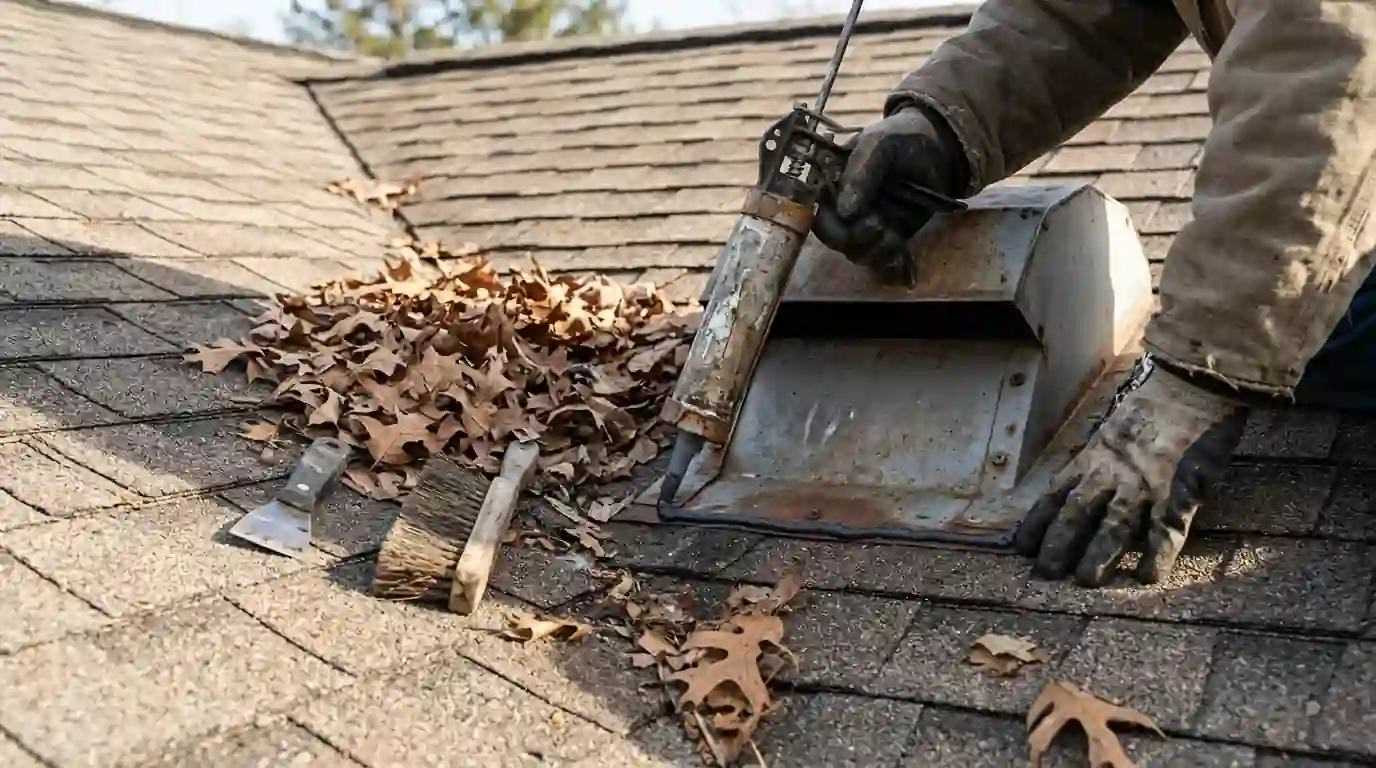
Some owners prefer a seasonal roof checkup each year before spring storms, which catches loose caps and cracked boots while they're still small fixes.
Steep lots change how we stage the job
Plenty of Canyon Lake homes sit above or below the street, with retaining walls, decks on piers and very little flat ground. We scout access before a reroof, decide where the dumpster or trailer can go, and sometimes hand-carry shingles down steps. That's slower, but it avoids cracking a driveway or rolling equipment across a septic field.
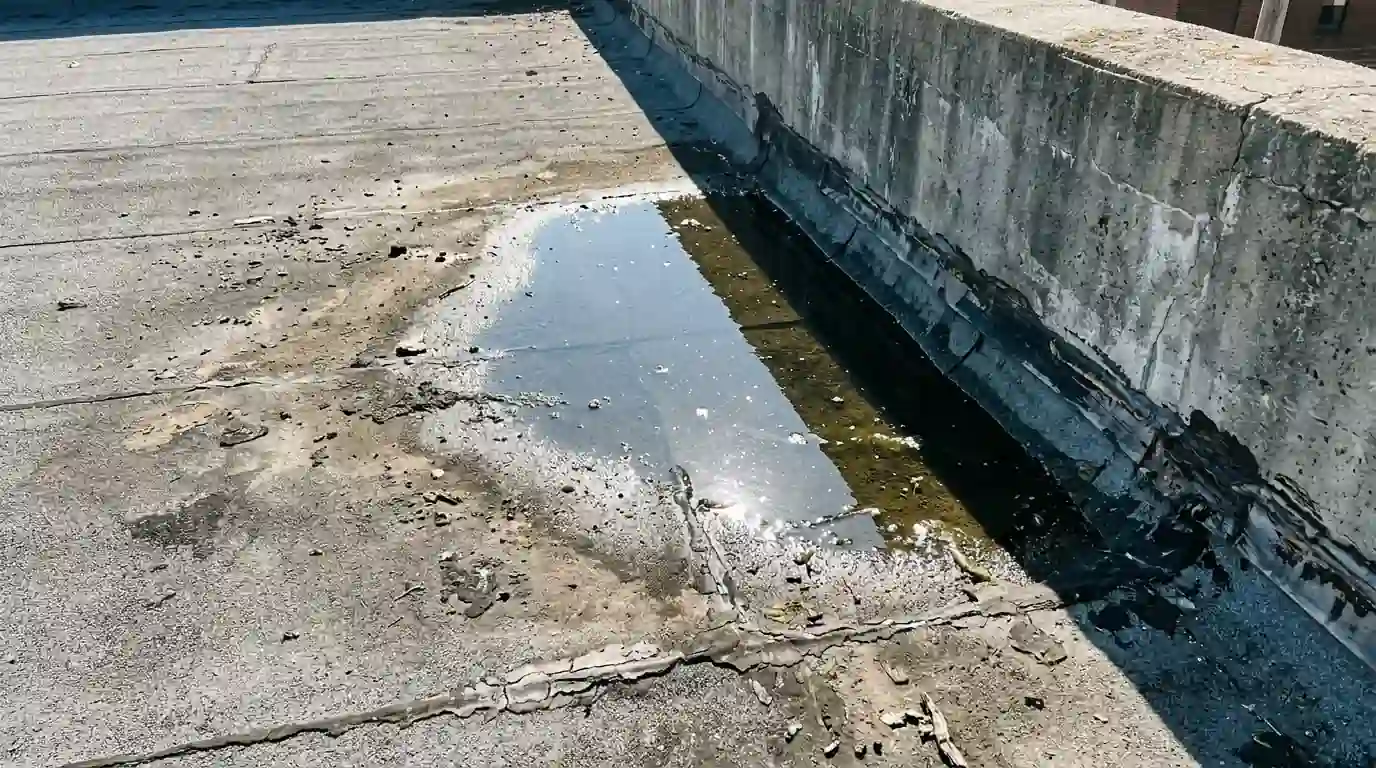
Low-slope sections over decks and screened porches are common on lake houses and leak more often than the main roof. We usually replace those with a fully adhered membrane through our low-slope repair work, while the main roof gets shingles or metal. The tie-in between the two gets new flashing so water can't back up at the joint.
Which roof holds up when you're only there part of the year?
For a part-time home, the right roof is the one that needs the least attention between visits. Metal fastened to a tight edge schedule sheds wind and leaves well. Heavier architectural shingles cost less and hold their seal better than older three-tab styles. Either way, we nail the eaves and rakes to the high-wind pattern the maker lists.