How do you spot hail damage on a Northern Hills roof?
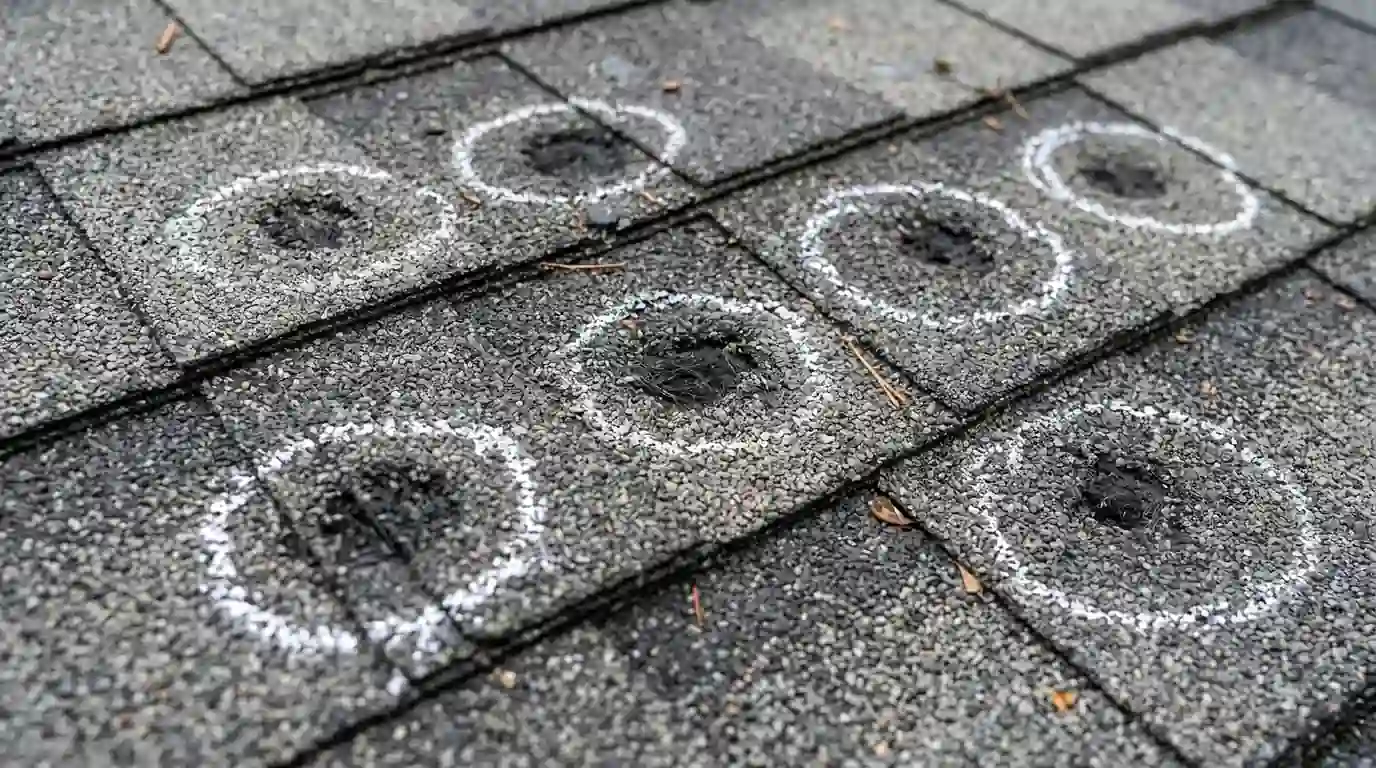
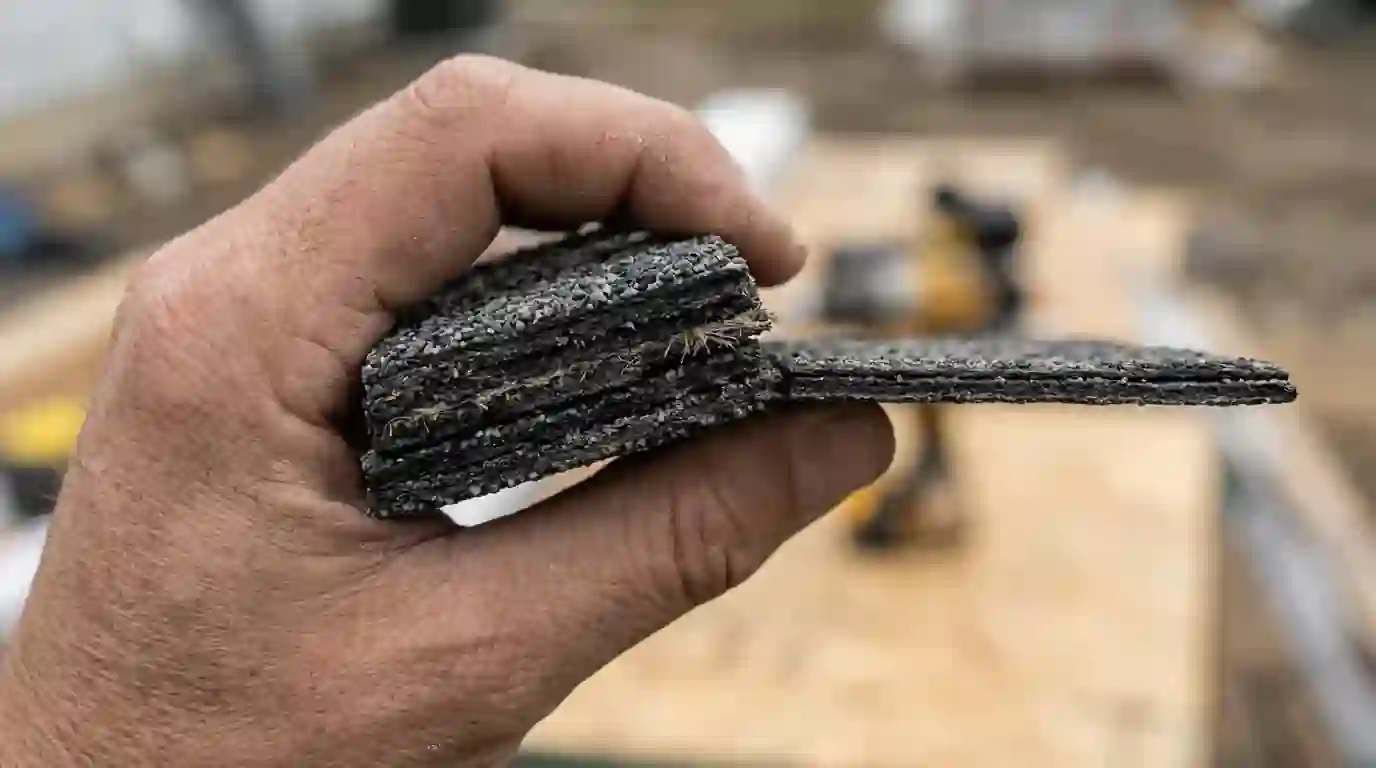
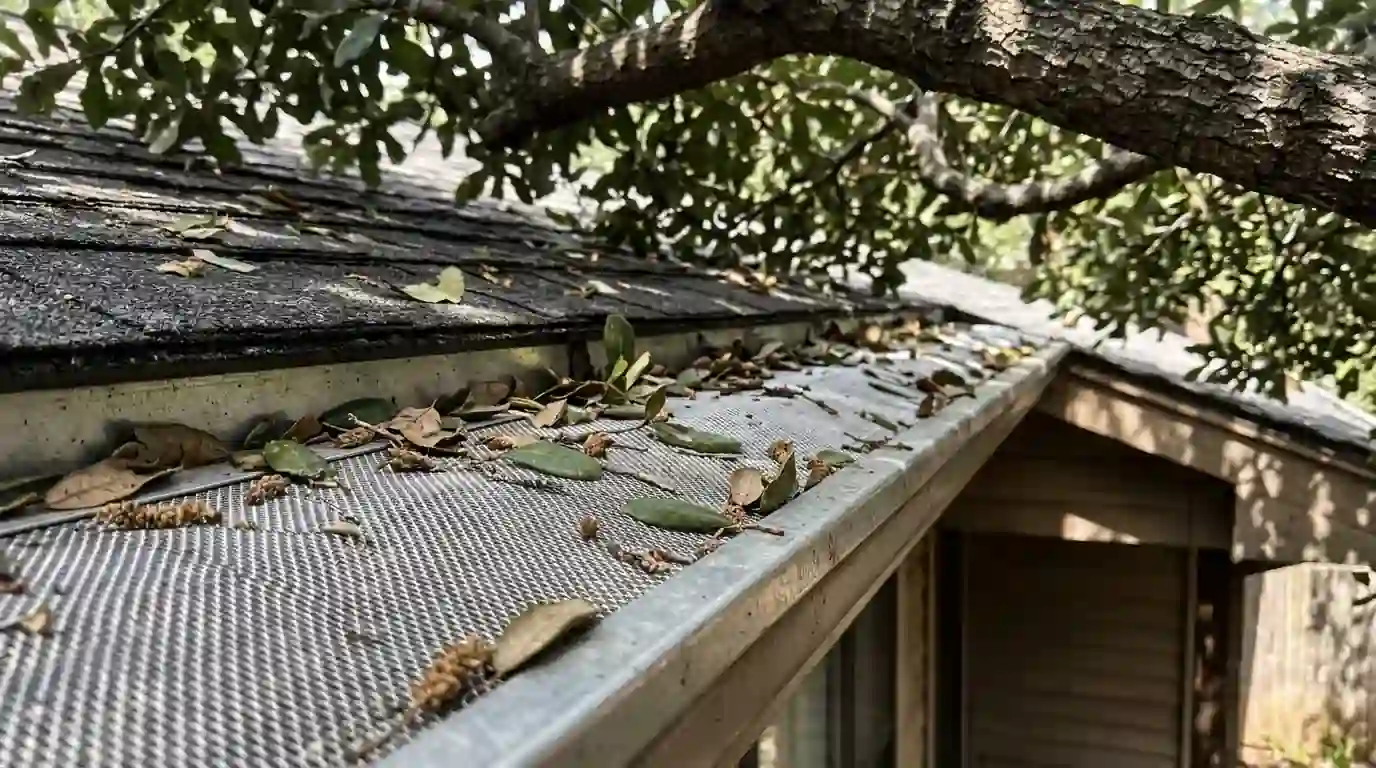
From the street, a hail-hit roof can look fine. Up close, bruised shingles feel soft when pressed, show dark spots where granules were knocked off, or have small cracks spreading from the impact. Metal vents, gutters and window screens often show dents first, and they're a quick clue that the roof took hits too.
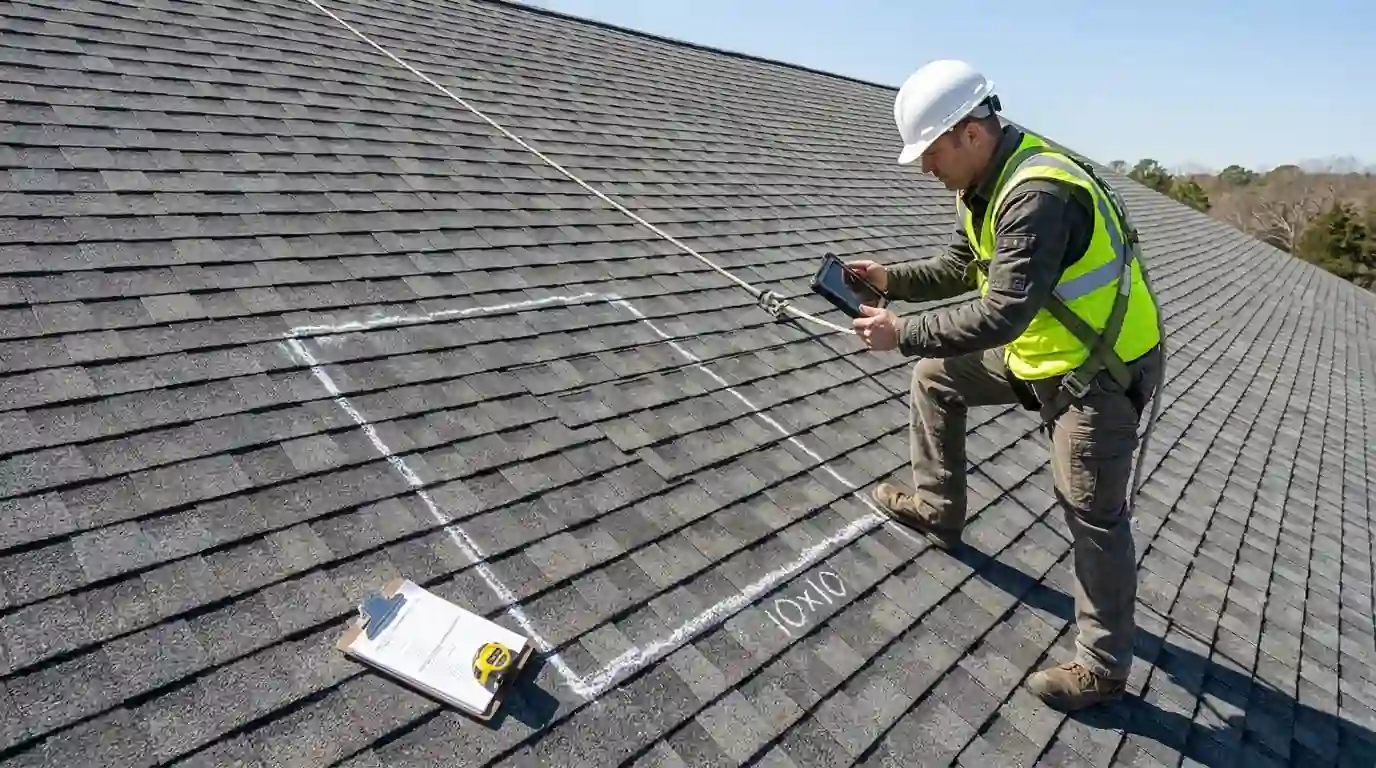
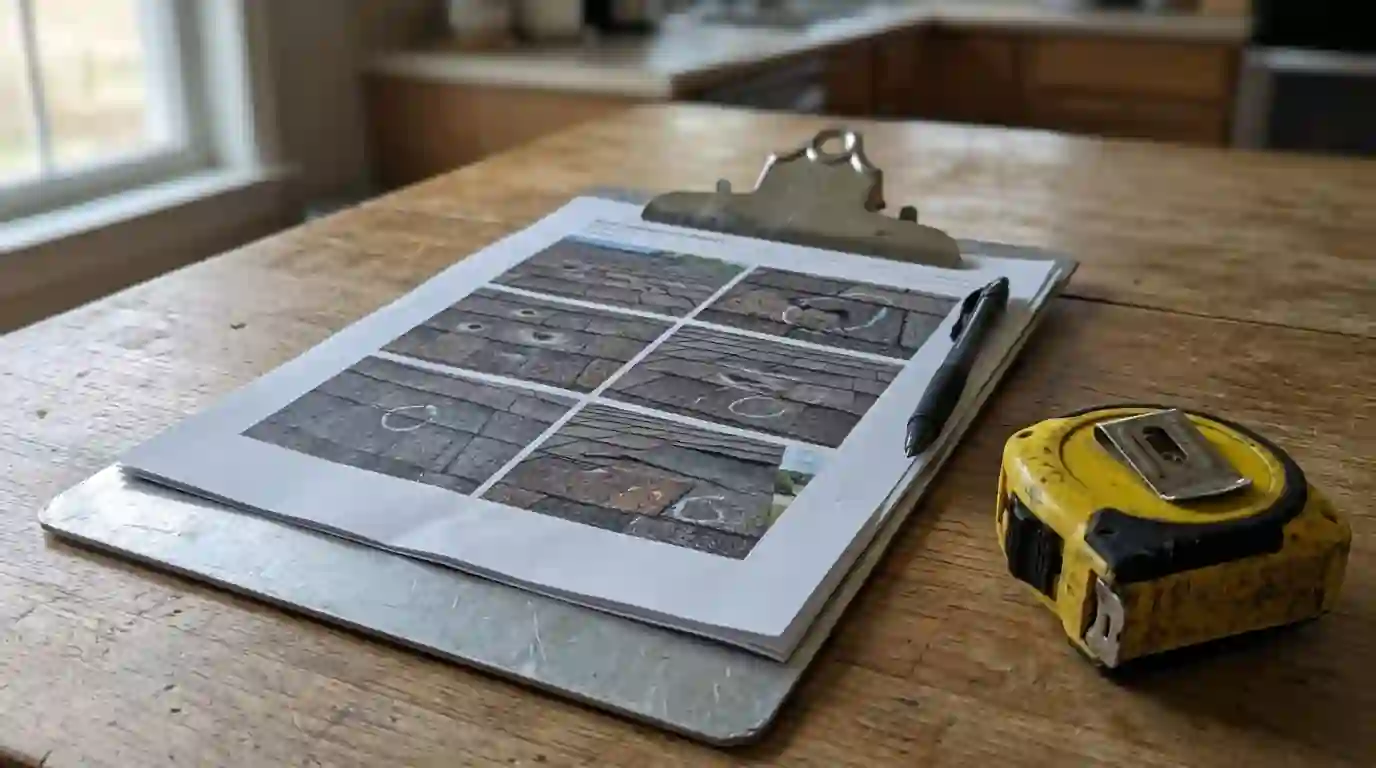
We mark a test square on each slope, count impacts, and photograph every one with a chalk circle and a scale reference. That record shows an adjuster exactly what happened. Our guide to hail size and roof damage explains why pea-size hail rarely matters but golf ball hail usually does.
What should you do in the first day after a hailstorm?
Take date-stamped photos of hail on the ground, dented cars and damaged vents before anything melts or gets cleaned up. Check the attic for drips. If water's coming in, a tarp prevents interior damage and keeps your claim simpler. Our first day checklist after hail lays out the steps in order.
Then call your insurer to open a claim if you see damage. Texas law bars roofers from acting as your public adjuster and from waiving or rebating your deductible, so be wary of anyone at the door offering to cover it. We provide the inspection, the photos and a written repair scope, and you deal with your insurer directly.
Why does square count matter so much on a hail claim here?
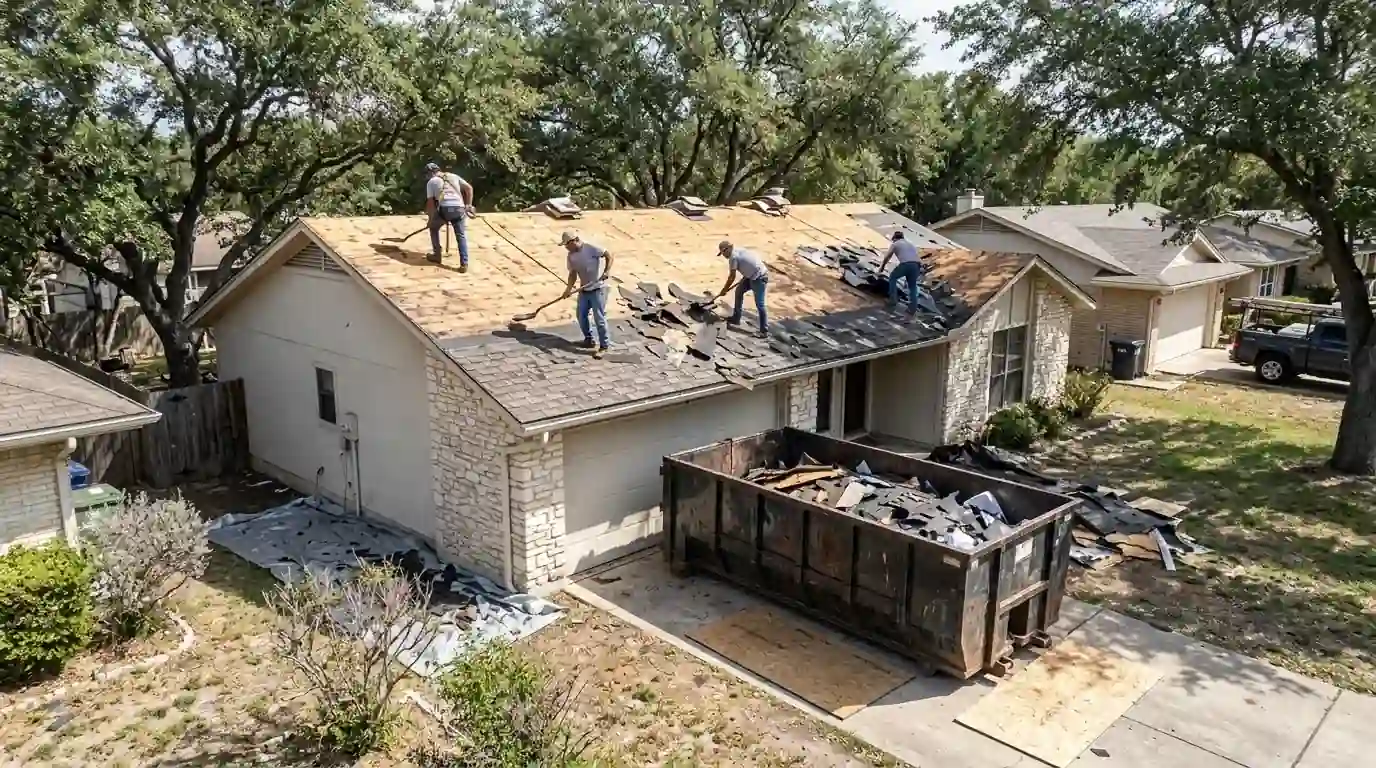
A square is 100 square feet of roof surface. Many two-story homes in Northern Hills, with a moderate pitch plus garage and porch areas, land in the 25 to 30 square range. Square count drives both material and labor, so a small measuring error on a roof this size turns into a real gap between estimates.
We measure each slope rather than estimating from the size of the house. Hips, valleys and steeper sections add waste and time, and we list them separately. You'll see our measurements next to the scope, which makes it easier to compare our numbers with your insurer's.
Is a Class 4 shingle worth it on your next Northern Hills roof?
If your roof has been replaced after hail before, the odds are it'll see another storm. Class 4 impact-resistant shingles are tested under UL 2218 and resist cracking from hail better than standard lines. Texas requires insurers to offer a premium discount for qualifying impact-resistant roofs, though the amount varies by insurer.
On a roof this size, the upgrade is usually modest compared to the full job. Ask your agent for the discount figure, then weigh it against the extra cost. Our impact-rated shingle installs page lists the details. Ring our line at (210) 750-1898 to set up an inspection after the next storm.