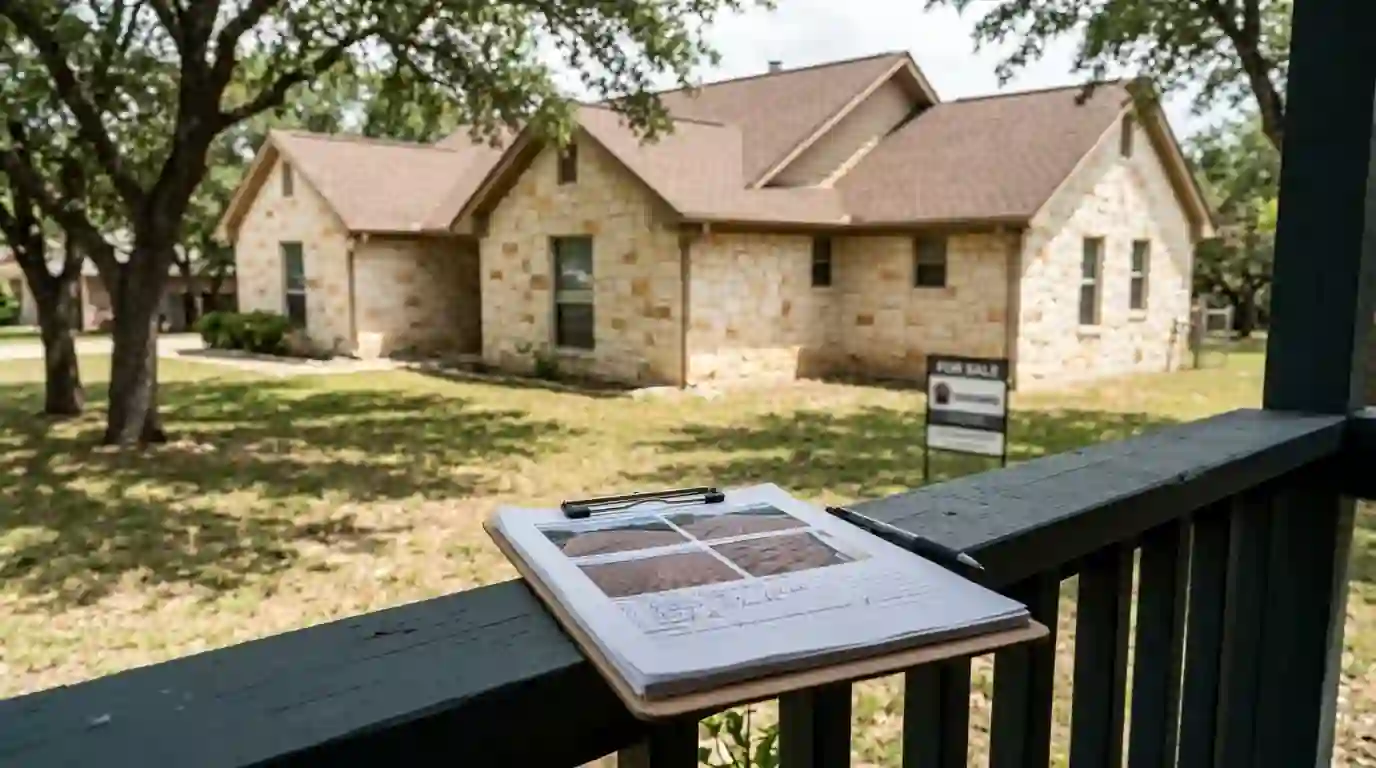
What does a roof certification letter actually say?
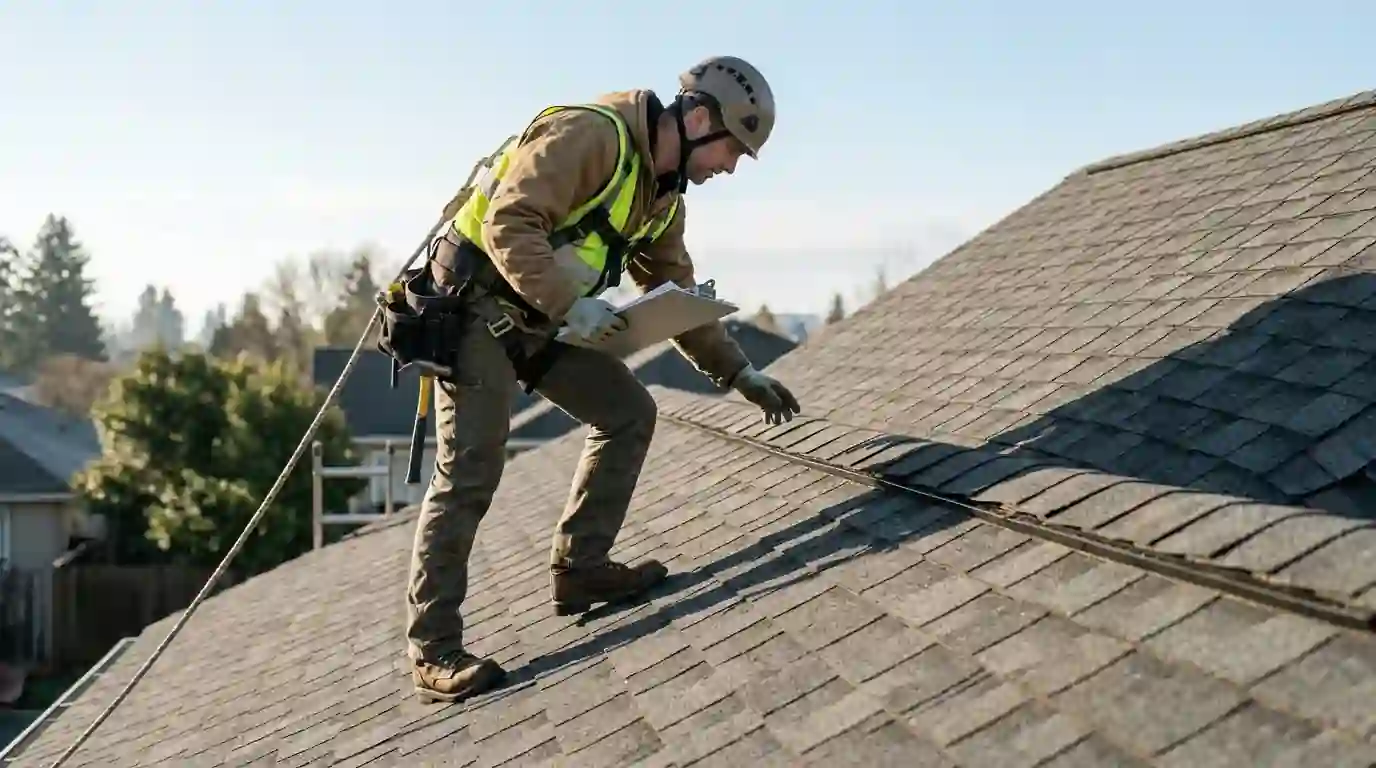
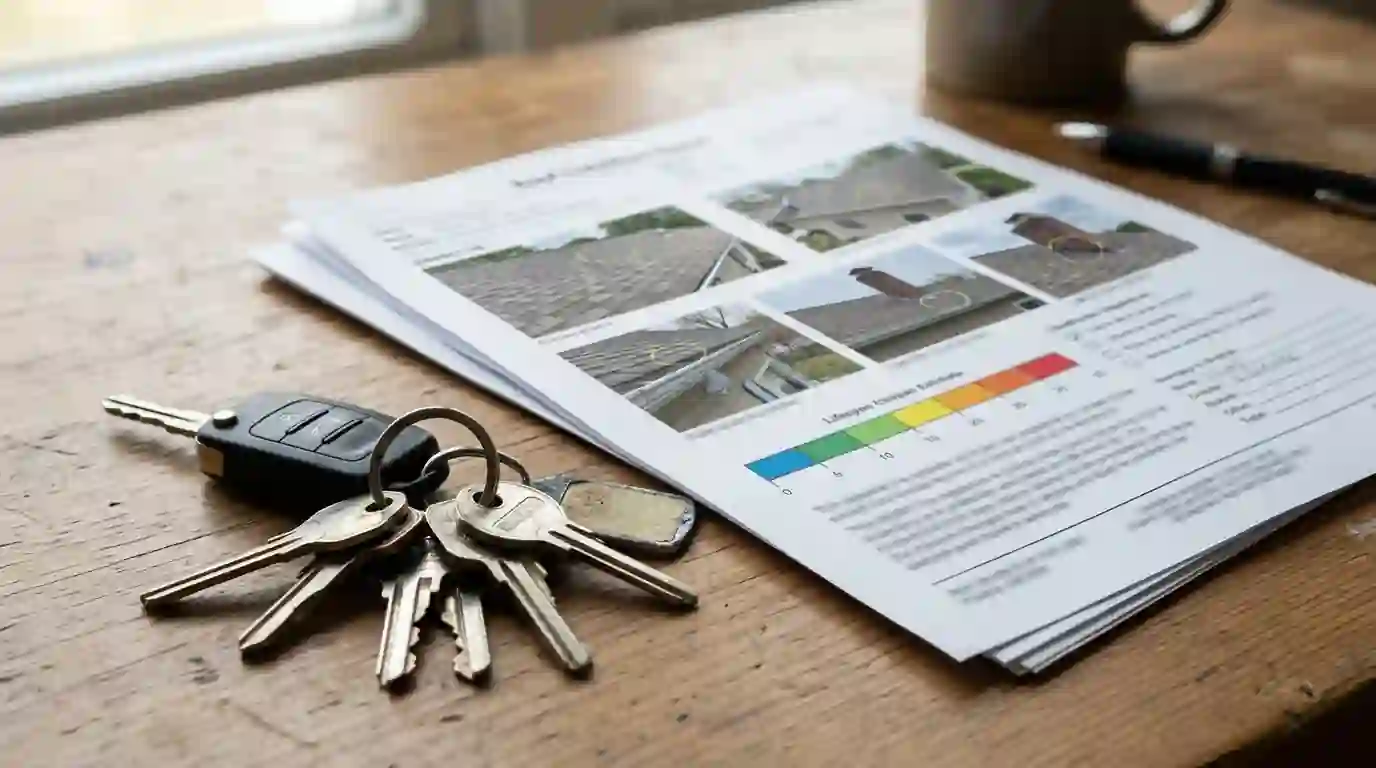
The letter states the roof's material, approximate age, current condition and an estimated remaining life range in years. It notes that the roof was free of active leaks on the inspection date and lists any repairs completed to reach that point. It includes the property address, inspection date and our contact line, so a lender or agent can verify it.
It is a condition statement, not a promise about future weather. A spring hailstorm three months after closing can still damage a roof that was in good shape on the day we saw it. That's why the letter is dated and tied to photos, so everyone knows what the roof looked like at the time of the sale.
Who usually asks for a roof certification, and why?
Buyers' lenders ask most often, especially on older homes or when the general home inspection flags roof wear. Some insurance companies want proof of roof condition before writing a new policy on a house with an older roof. Agents ask on behalf of sellers who want to answer roof questions early instead of mid-negotiation.
Sellers often order the letter before listing. If the general inspector later writes that the roof is near the end of its life, you already have dated photos and a written range from a roofer. Buyers order it when they want a second opinion beyond the home inspection, which usually covers the roof in a few lines.
How does this differ from a routine roof inspection?
The fieldwork overlaps with a routine roof condition inspection, but the result is different. A routine inspection gives you a homeowner's priority list. A certification ends in a signed letter meant for third parties, and it can only be issued once anything that would cause a leak has been fixed.
Because a lender or buyer will rely on the letter, we're stricter about what passes. A cracked pipe boot that you might watch for a season on your own home has to be replaced before we sign. Loose ridge caps, open nail heads and failed sealant at wall flashing all fall into that same category.
Which repairs commonly stand between a roof and a passing letter?
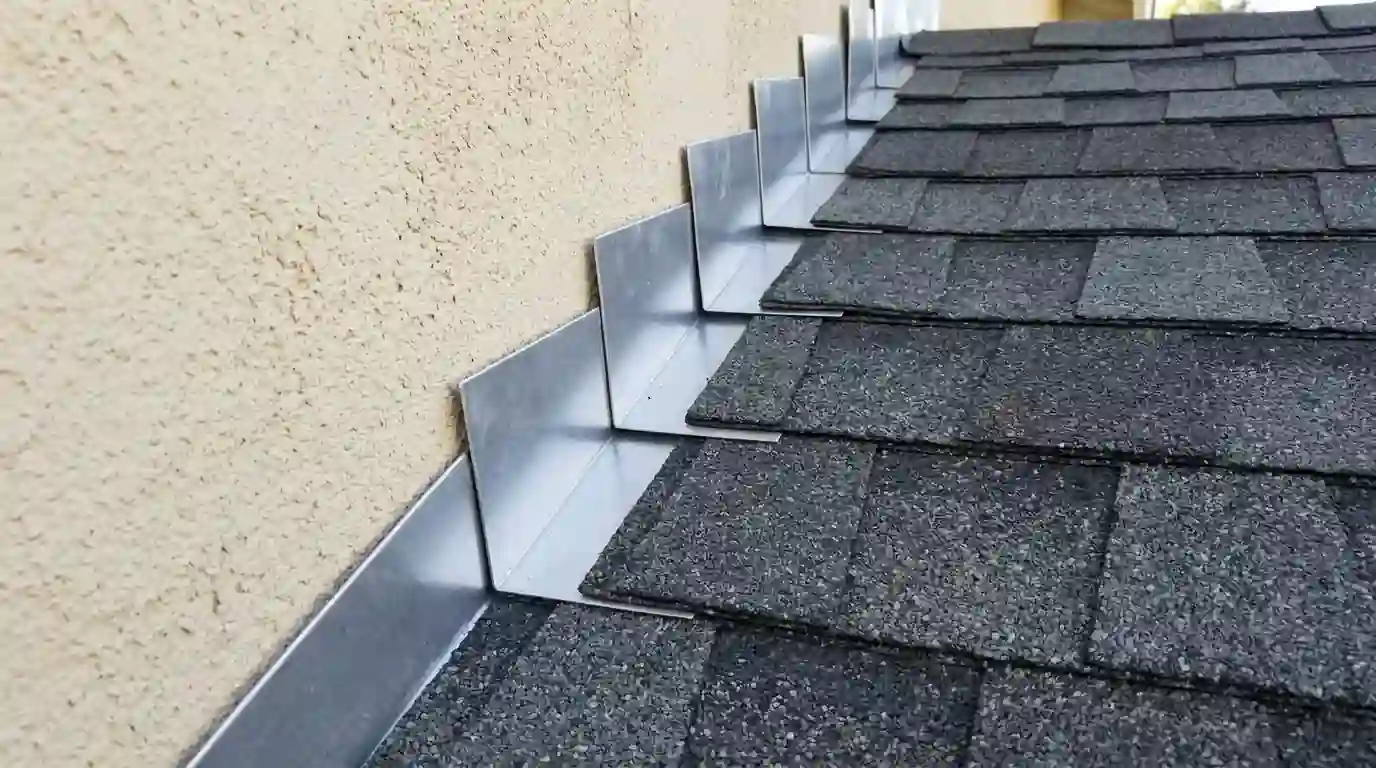
On San Antonio homes, the most common items are small. Pipe boots crack under years of sun. Ridge caps lift after a spring wind. Exposed nail heads rust and let water follow the shank into the decking. Kick-out flashing is often missing where a roof edge runs into stucco, which stains the wall below.
Bigger items come up less often but do happen: soft decking near a valley, a slipped section of tile, or old hail bruising on one slope. When a repair is outside routine work, we price it as its own line. Flashing work often goes to our wall and chimney flashing repair scope, and you choose how to handle it in the sale.
- Cracked or split rubber pipe boots get replaced before the letter is signed.
- Lifted or missing ridge caps are reset or replaced with matching material.
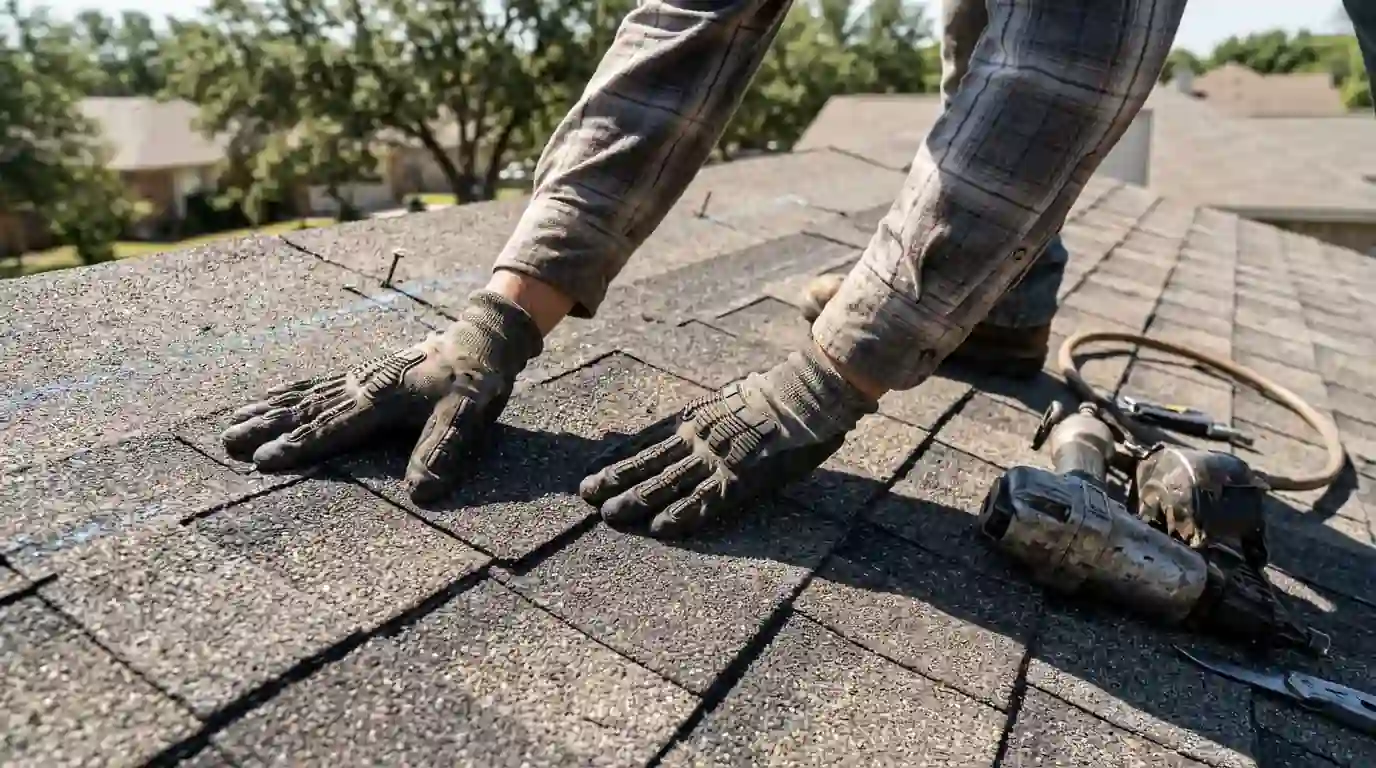
- Exposed or backed-out nails are sealed or replaced with new fasteners.
- Missing kick-out flashing at stucco or stone walls gets installed.
- Any active leak, however small, must be repaired and dried out first.
Who pays for the repairs, and how do sale timelines fit in?
That's a negotiation between buyer and seller, and we stay out of it. What we provide is a clear price for each repair so your agents have real numbers. Many sellers simply handle small items before closing. Others offer a credit. Either way, the letter can't be issued until the work is done.
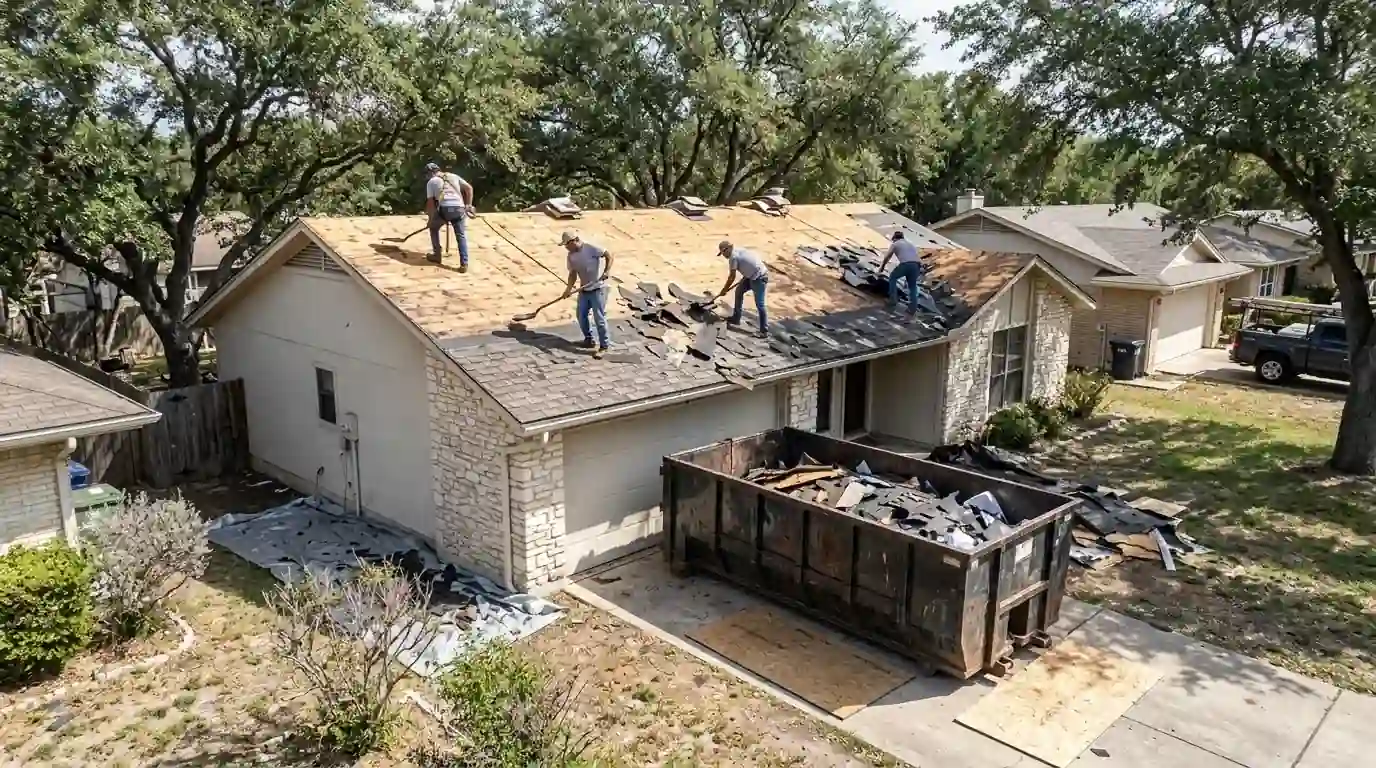
Timing matters on a contract. Inspection, photos and the repair list are usually ready within a day or two of the visit. Small repairs can often be done within the same week, weather permitting. If the roof is truly near the end of its life, we'll say so, and the letter can reflect a short remaining range or we can price a full tear-off and new roof instead.
What can a buyer learn from a certification beyond the letter itself?
The photo set is often more useful than the letter. You'll see each slope, every penetration and the attic decking, so you know what you're buying. If the roof is 13 years old and the west slope is shedding granules, you can budget for replacement in a few years instead of being surprised.
We also note things that aren't roof defects but affect how long it lasts: a hot, poorly vented attic, live oak limbs touching the eaves, or gutters overflowing at inside corners. None of these stop the letter, but they're worth knowing in your first year of ownership. Phone (210) 750-1898 if you have a closing date and need the visit on the calendar.