Why most tile roof leaks start under the tile
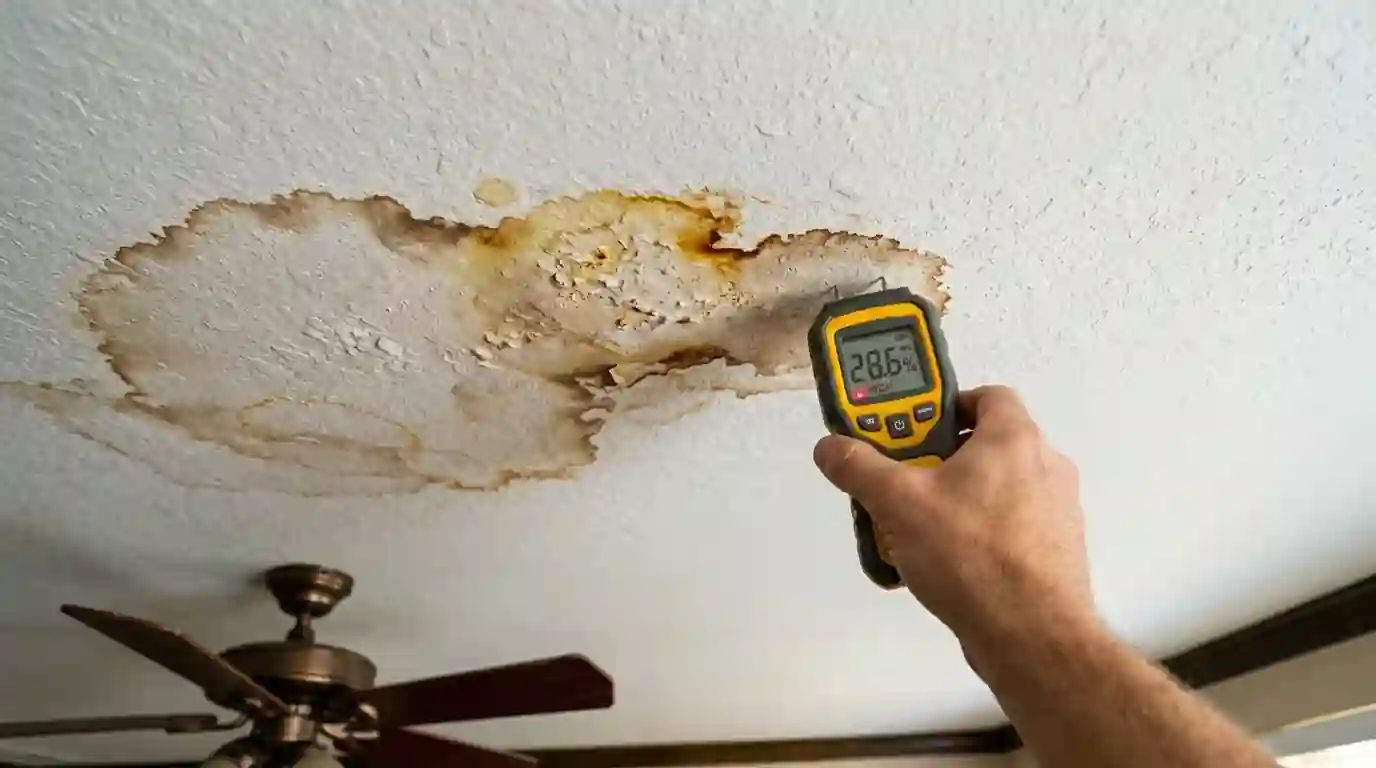
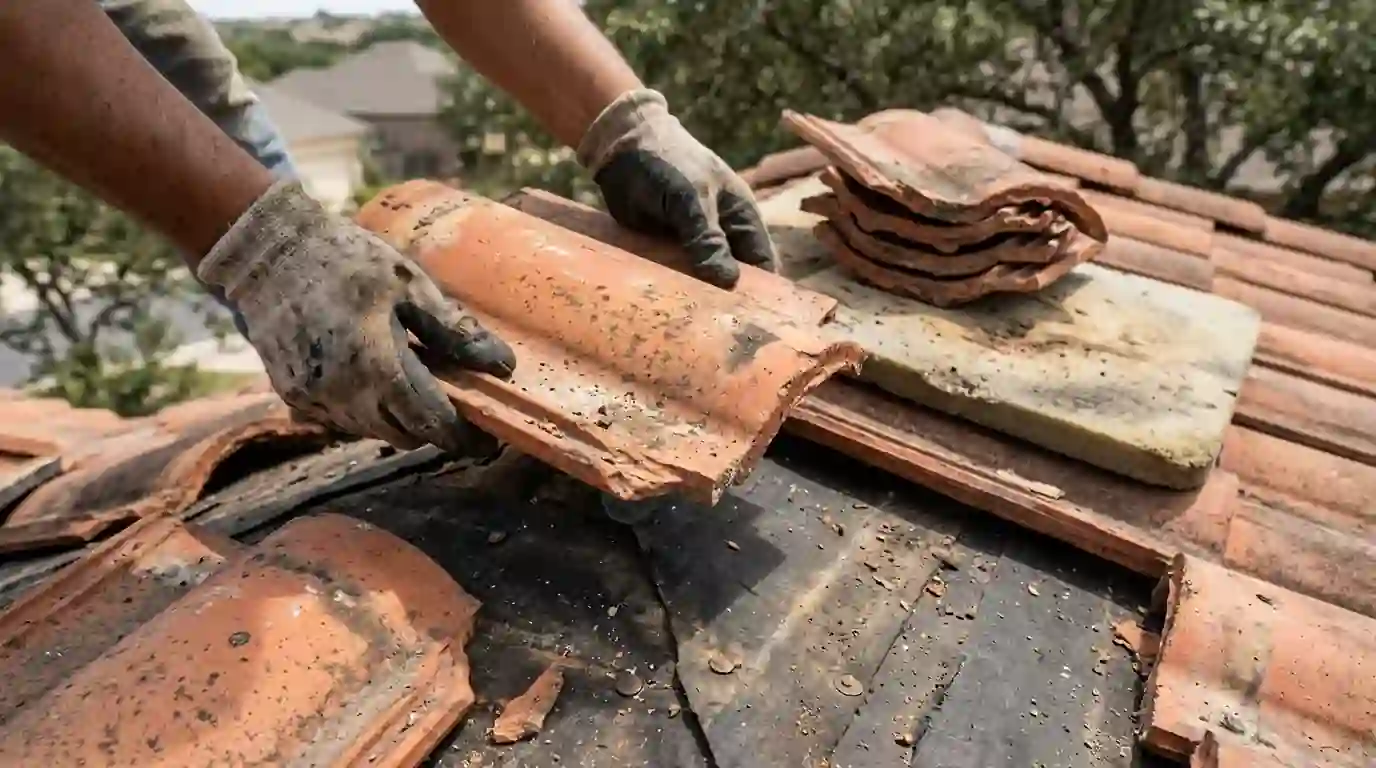
A cracked tile looks like the obvious culprit, but water usually gets in through the underlayment beneath it. Tile sheds most rain, and the underlayment handles what blows underneath. On older roofs, that felt layer has baked for 20 years or more and turned brittle, especially at valleys, eaves and around pipes. Once it cracks, every rain finds its way in.
That's why we lift tiles around a leak before quoting. If the underlayment is still sound, replacing a few tiles is enough. If it crumbles in our hands, a tile swap will only buy a little time. For the full system, our clay and concrete tile installs explain what a modern tile underlayment looks like.
How we walk a tile roof without cracking it
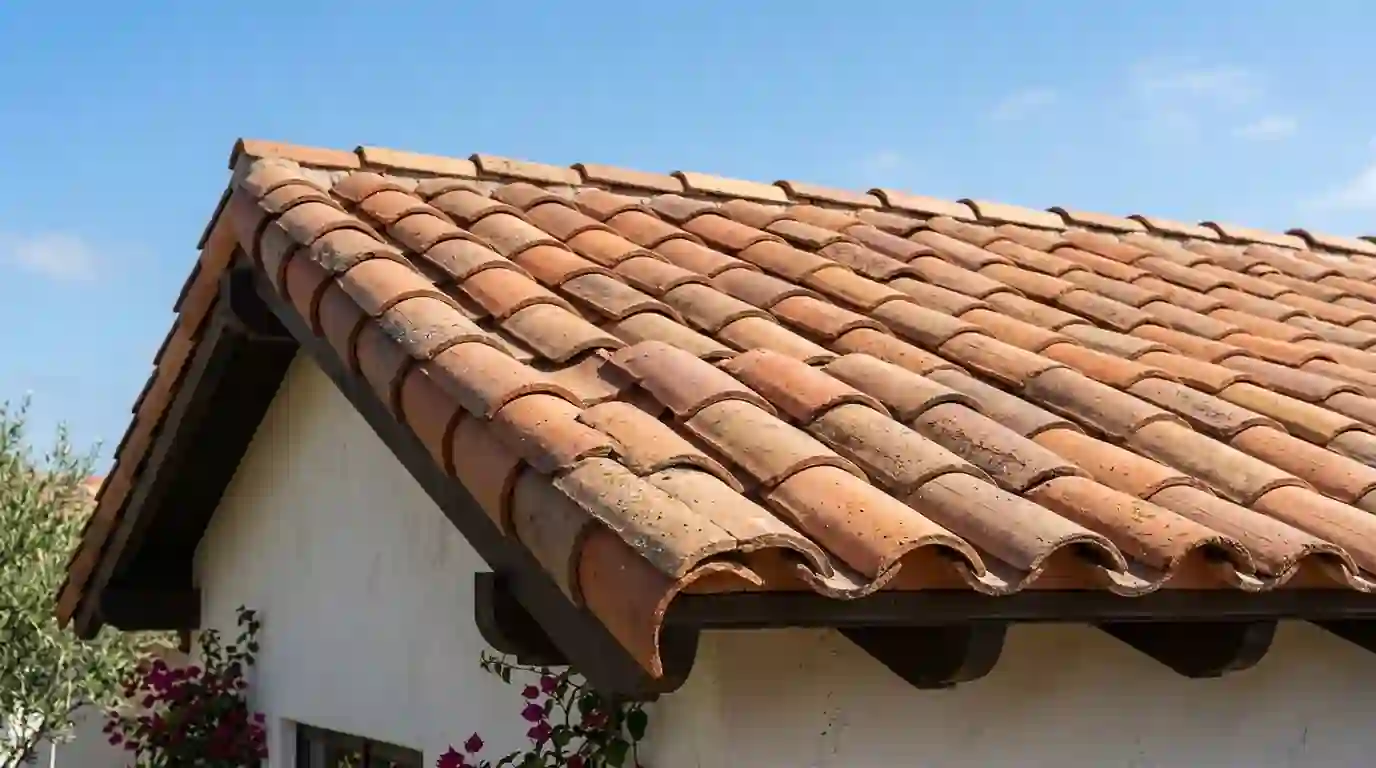
Many broken tiles we see came from someone walking the roof: a satellite installer, a cable tech or a previous roofer. Tiles are strong along their supported edges and weak in the middle. Concrete S-tile should be stepped on at the lower third where it overlaps the tile below, and barrel tile on both pans at once, never on the high crown.
On fragile clay or older concrete, we use foam pads and walk boards to spread our weight. We plan the path in advance so we cross as few tiles as possible. Before we leave, we walk the route again to check for any new cracks, and replace them if we caused them.
Replacing cracked, slipped and broken tiles
A slipped tile has come loose from its nail or foam and slid down the slope, leaving a gap. A cracked tile may still shed water but lets sun reach the underlayment. Broken tiles can create gaps that let rain straight in. We remove damaged tiles by gently lifting the course above, then set new or salvaged tiles with nails, clips or adhesive foam to match the roof.
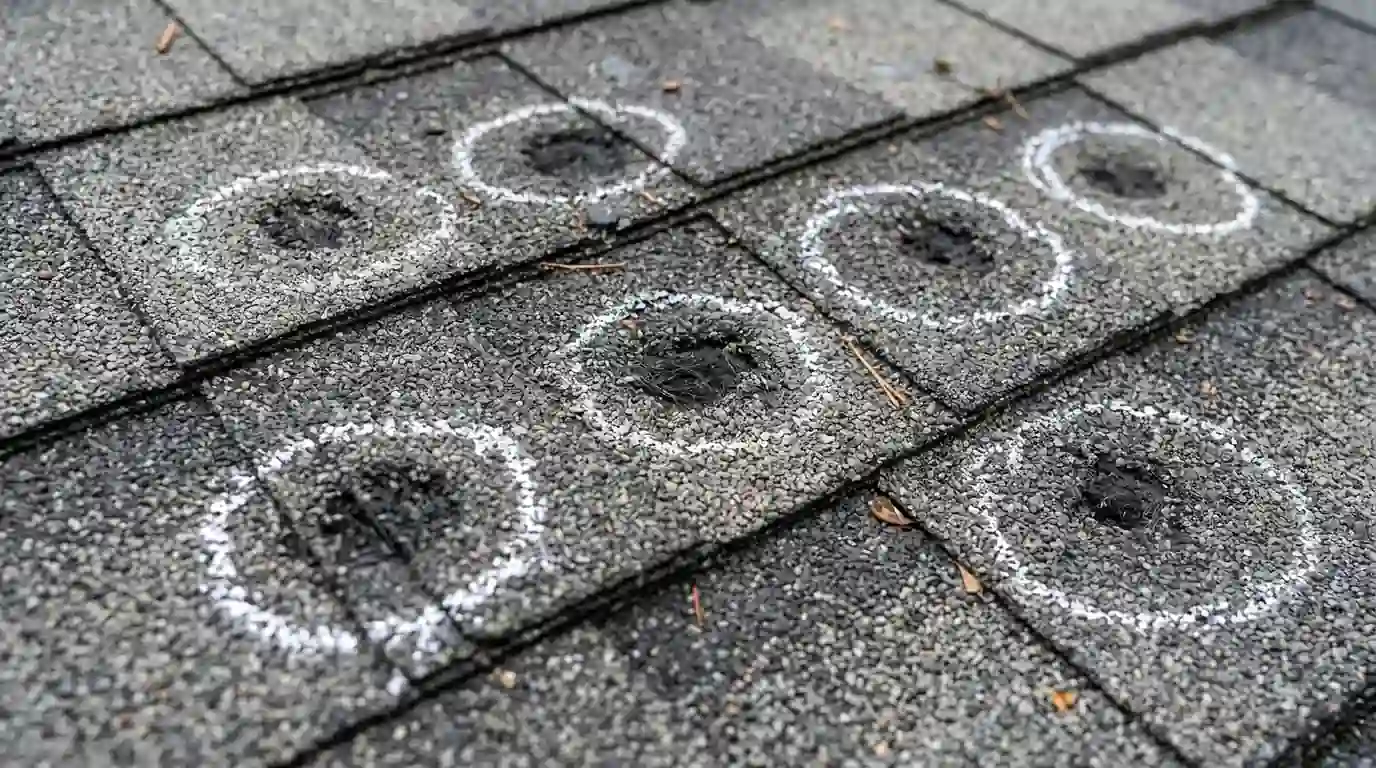
Matching matters. Concrete tile profiles and colors change over time, and some lines are discontinued. We keep an eye out for salvage tiles from local jobs, and we may borrow tiles from a hidden slope to repair a visible one. When hail cracked many tiles at once, our hail repair service covers documenting the damage for a claim.
Foam-set tiles need a different touch than nailed ones. We cut the old adhesive loose with a thin blade instead of prying, which can snap the tile or the one next to it. New pieces get a fresh foam paddy sized to the tile maker's wind instructions, so they hold through the next spring storm.
Rebuilding broken hip and ridge tiles
Hip and ridge tiles sit on top of the roof's highest lines and take the worst of wind and heat. On older roofs, the mortar that holds them cracks and lets tiles loosen or slide. Ridges set in mortar also block attic ventilation, which raises heat in a San Antonio summer and ages the underlayment faster.
We remove the loose hip and ridge tiles, clean out old mortar, and reset them with fresh mortar or a dry ridge system with a ventilated closure, depending on the roof. A dry ridge adds exhaust ventilation that pairs well with soffit intake. Our soffit and ridge airflow service explains how that balance cools the attic.
When to lift and relay instead of patching
Lift and relay means taking the tiles off a section or a whole roof, stacking them, replacing the underlayment and battens, and putting the same tiles back on. It's the standard fix for tile roofs around 20 to 25 years old with sound tiles and failing underlayment. Because the tiles are reused, it costs far less than a full new tile roof.
We usually recommend lift and relay when leaks appear in several places or when the underlayment tears at a touch across a whole slope. It can be done one slope at a time to spread the cost. Our guide on roof lifespan in South Texas explains why tile homes often reach this point first.