What we usually find under an old Kirby roof
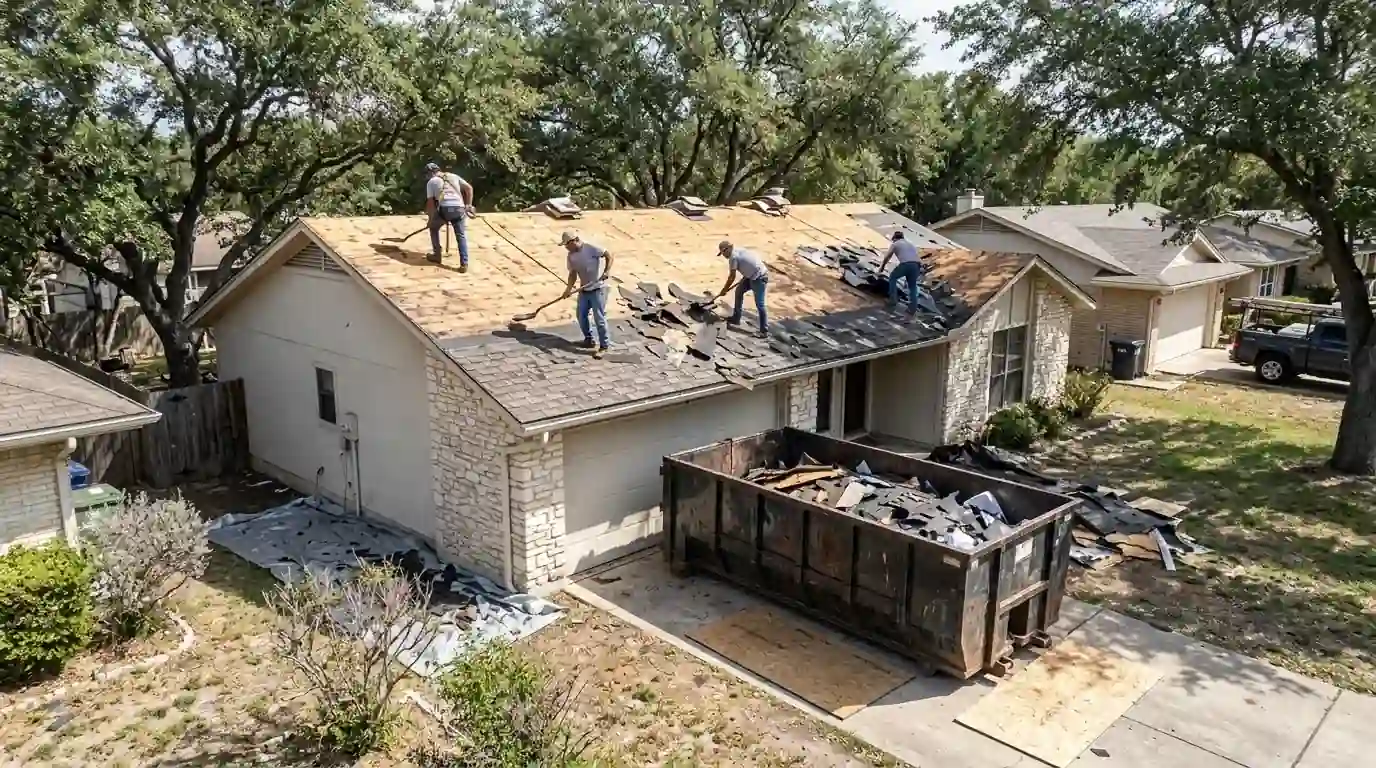
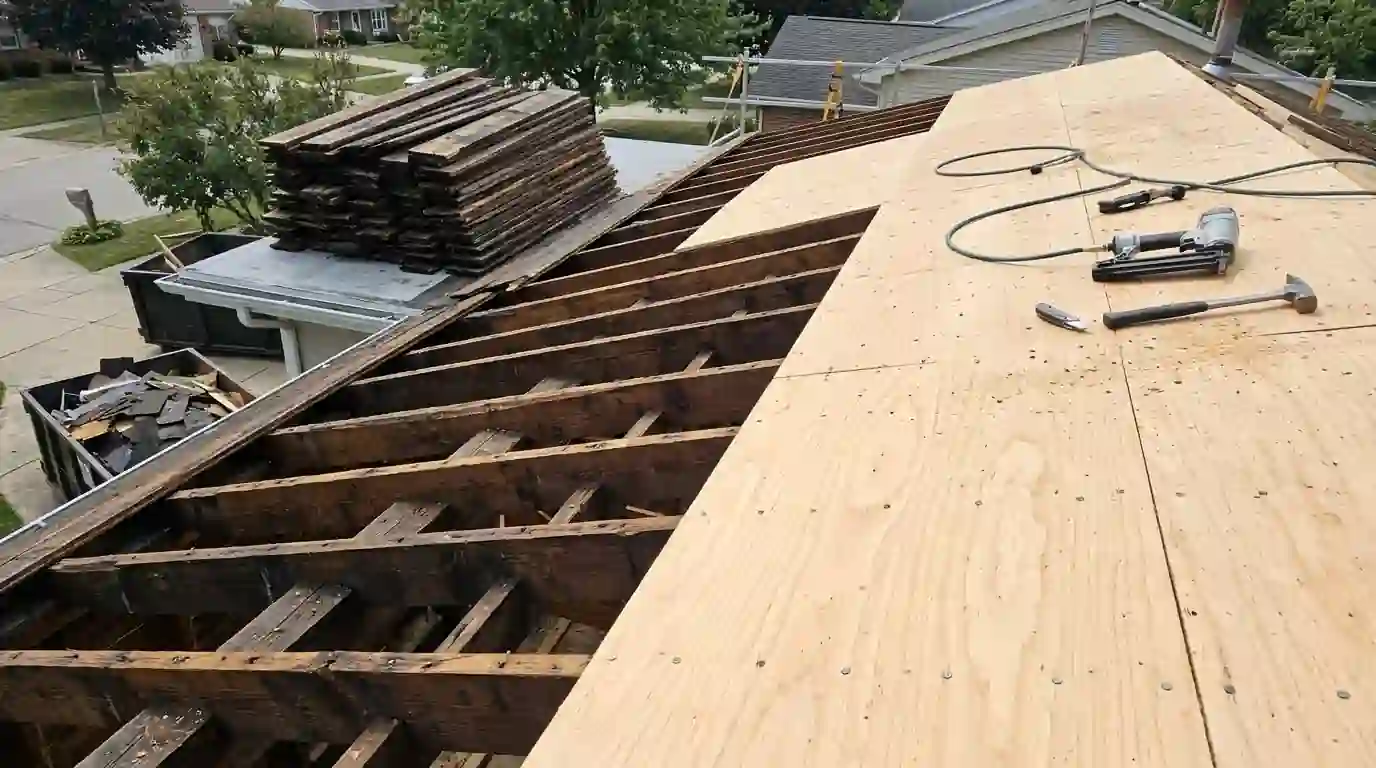
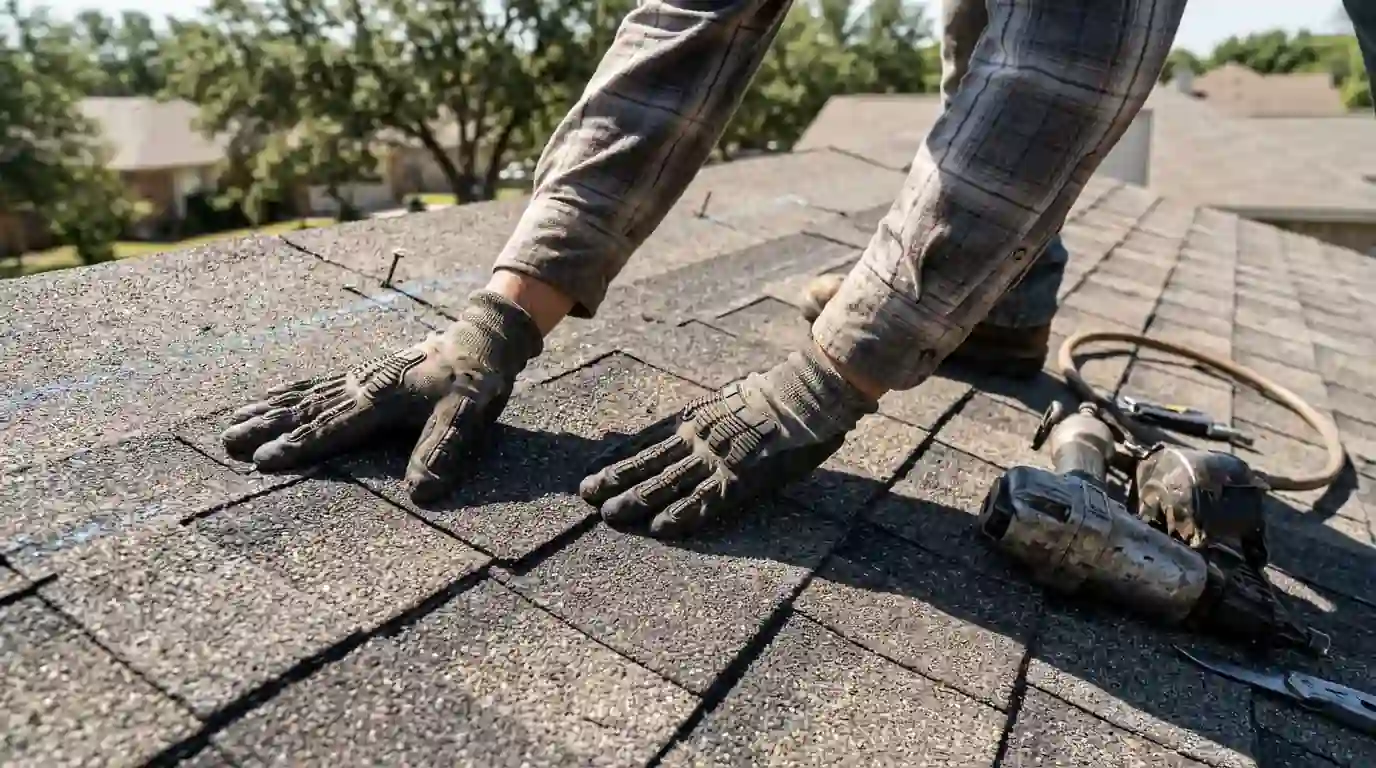
Homes from this era often started with plank decking or early plywood. Over the decades, many got a second layer of shingles nailed straight over the first. That layover hides soft spots and old leaks, and the extra weight can sag rafters on long spans. When we strip both layers, the condition of the wood finally shows.
The most common trouble spots are the first few feet above the gutters, the low end of valleys, and the area around old plumbing vents. We replace damaged sheets with new plywood or OSB and fill gaps between old planks so the new shingles lie flat. Our decking replacement is priced per sheet, listed on the estimate before work begins.
We also check rafters from the attic before tear-off. On some older east side homes, a long span has sagged under two layers of shingles. Small sags can often be braced during the job, which keeps the new roof line straight.
Fixing the low-slope porch and carport sections
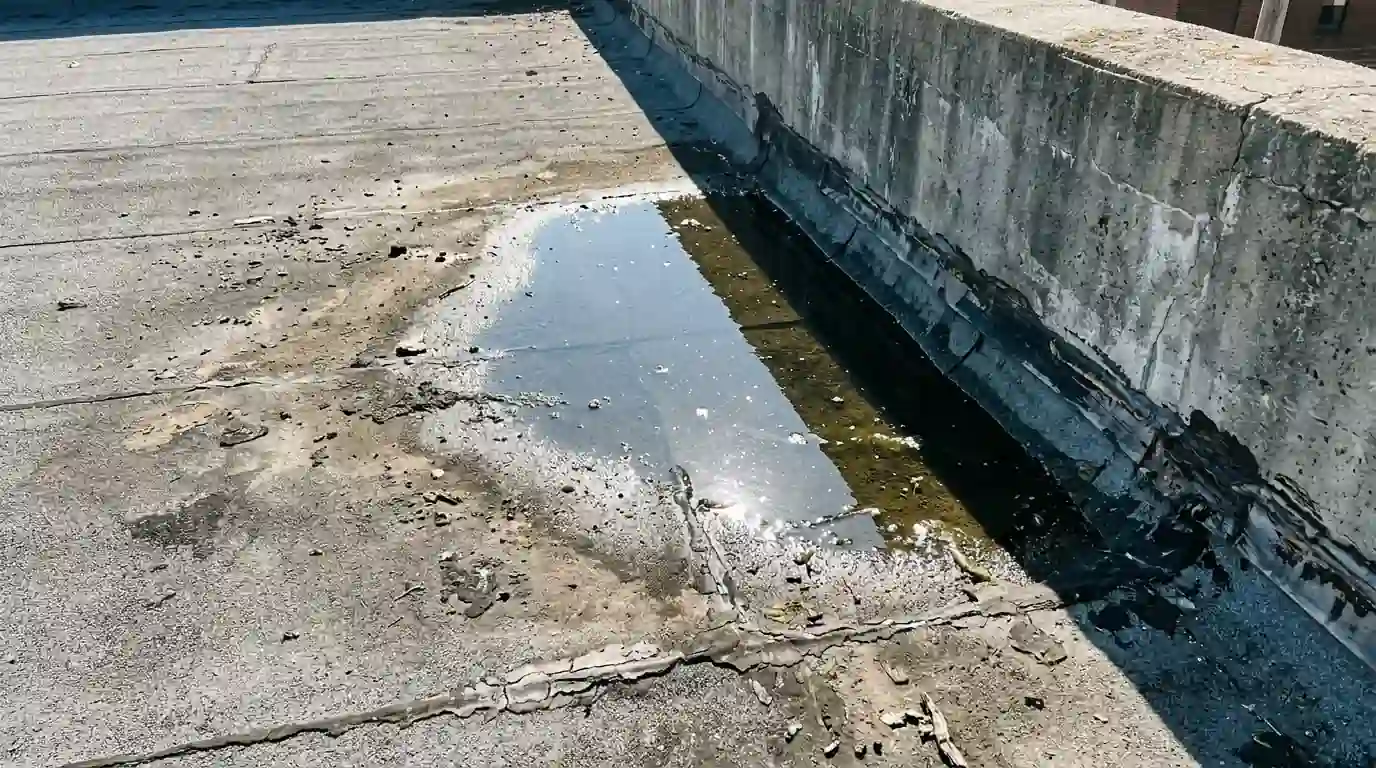
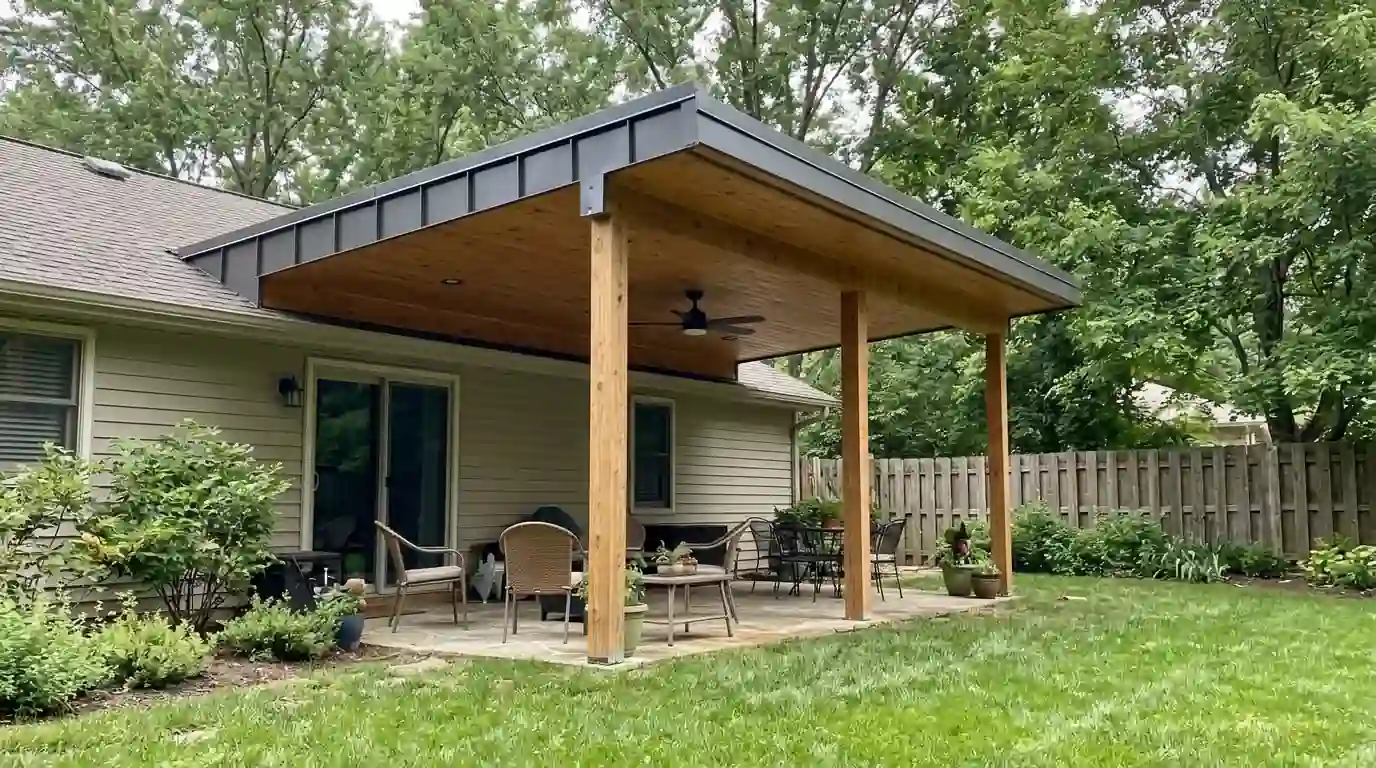
Many Kirby homes have a porch, carport or back room added with a roof that's barely sloped. Shingles don't belong on a roof that flat, yet that's what many of these sections carry. Water sits, works under the tabs and rots the deck. It's one of the most common leak sources we see on the east side.
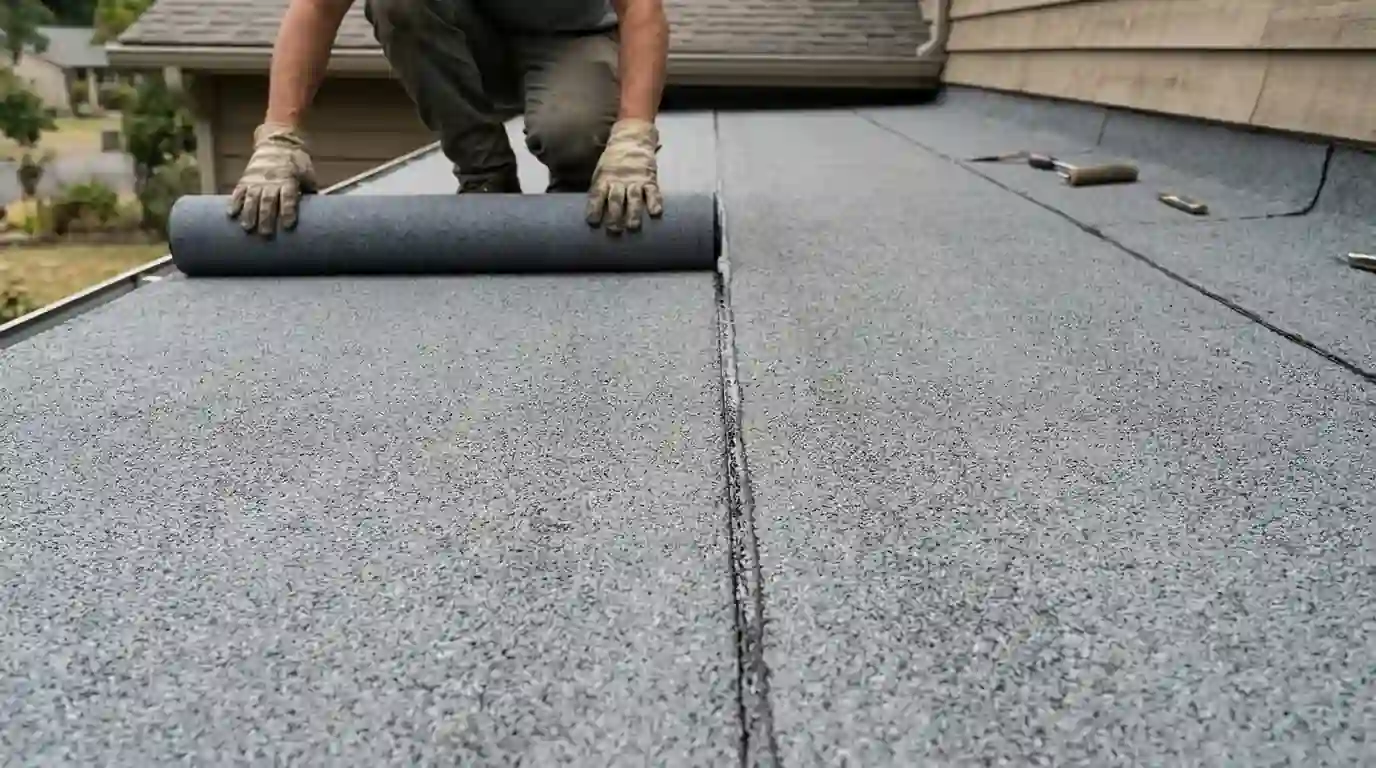
We replace those shingles with a low-slope membrane. Depending on the pitch, that might be modified bitumen or a single-ply membrane. Our flat roof repair covers small sections, and the guide on flat roof options for older homes explains the choices in plain terms.
Keeping a reroof affordable on an older home
We understand that a full reroof is a big expense. To keep it fair, we give you a base price for tear-off and new shingles, then a separate per-sheet price for decking that only applies if we find damage. You see photos of every sheet we replace. No surprises on the final bill.
If your roof has a single bad area and the rest is sound, a targeted repair may be enough for now. We'll tell you which makes sense. For the typical cost ranges, see our roofing price guide, or phone (210) 750-1898 for an inspection.