How to tell if last night's hail actually hurt your Converse roof
Not every storm that rattles the windows damages a roof. Pea-sized hail rarely does. Hail around the size of a quarter or larger, especially with wind behind it, is when shingles start to bruise. From the ground, look for fresh dents on metal gutters, the top of your AC unit and any mailbox. Those dents are good evidence the roof took hits too.
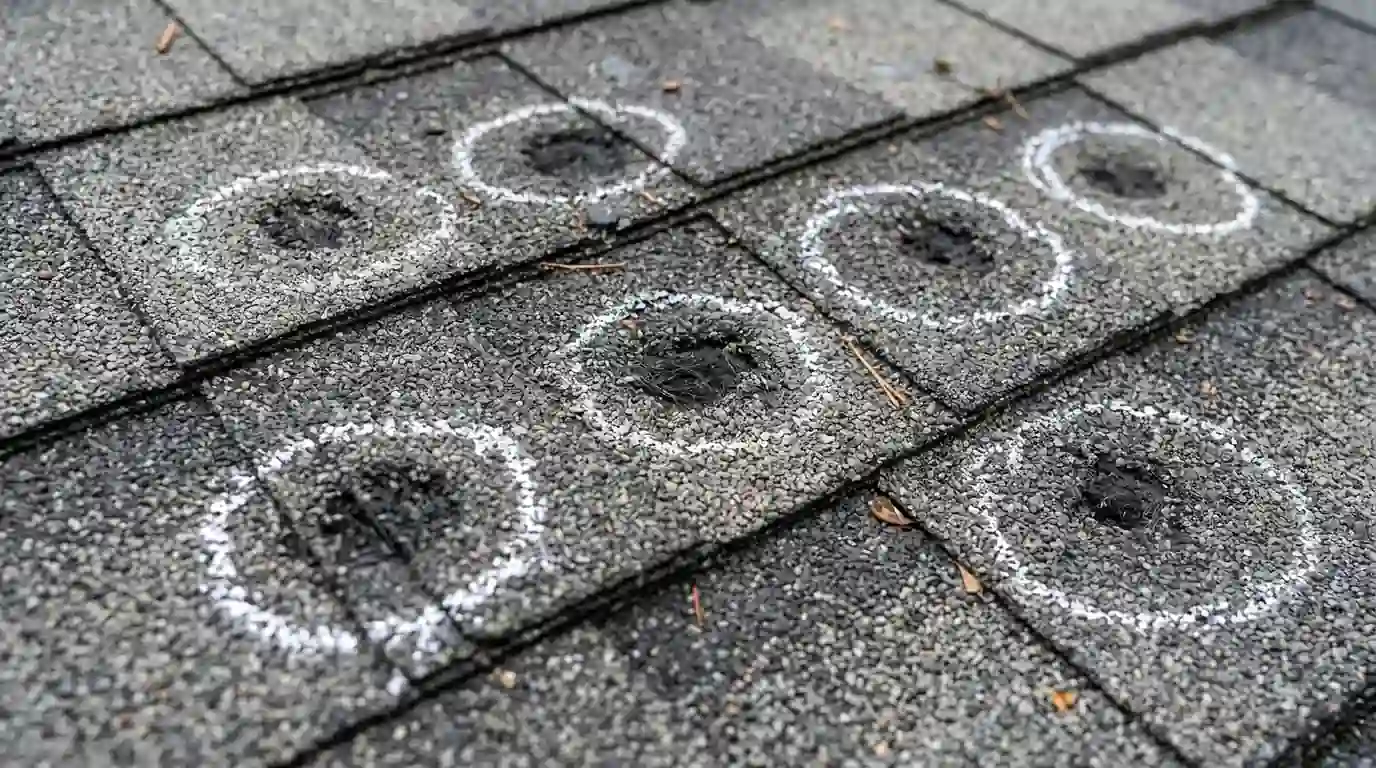
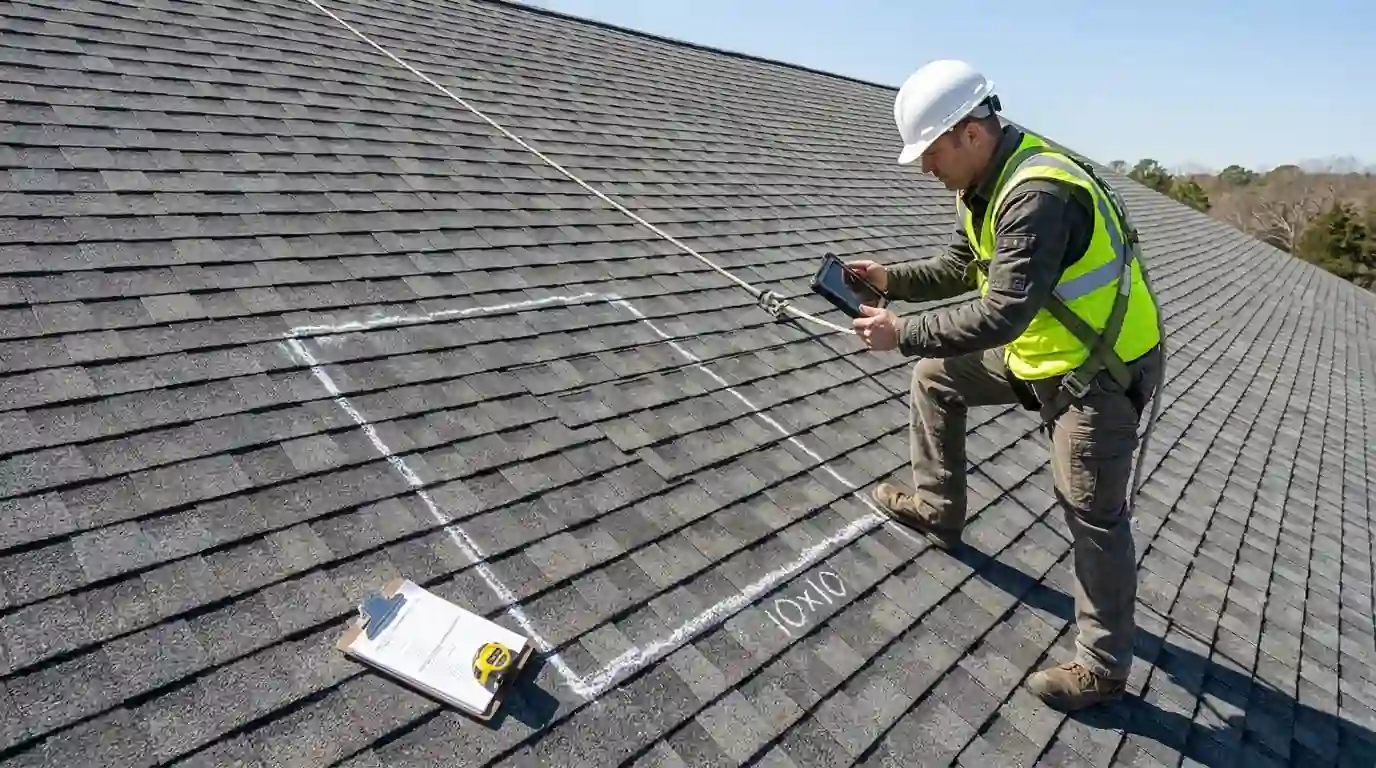
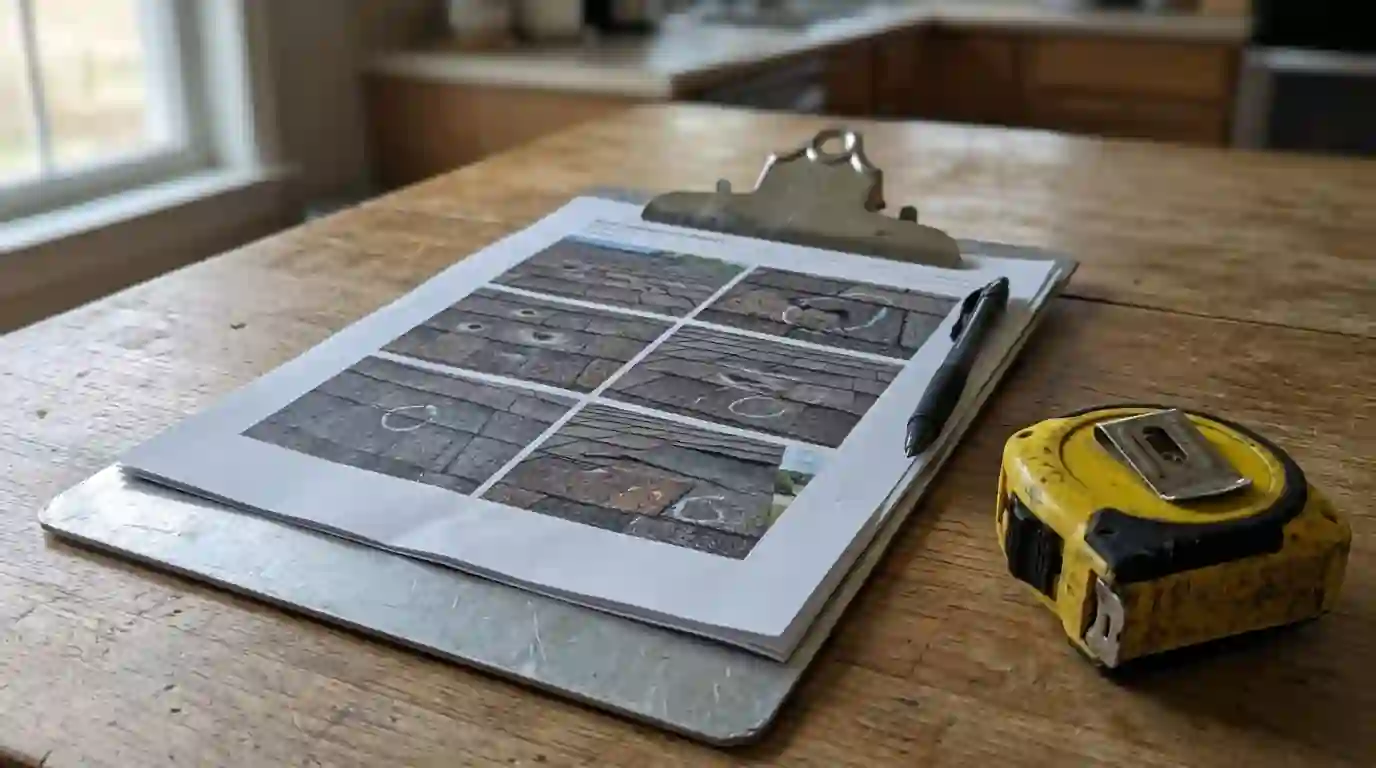
Up top, we look for round dark spots where granules were knocked off, soft spots that give under a thumb, and cracked shingle edges. We also check soft metals like vent caps, because they show hail size clearly. Our hail size and damage guide explains what different stones usually do to shingles.
What a second hail roof should do better than the first
Many Converse homes are on their second or third roof because of hail. If yours is due again, it's worth asking what will hold up better this time. Class 4 shingles are built to resist hail and may qualify for a premium discount, since Texas requires insurers to offer one for UL 2218 Class 4 roofs. The amount varies by insurer.
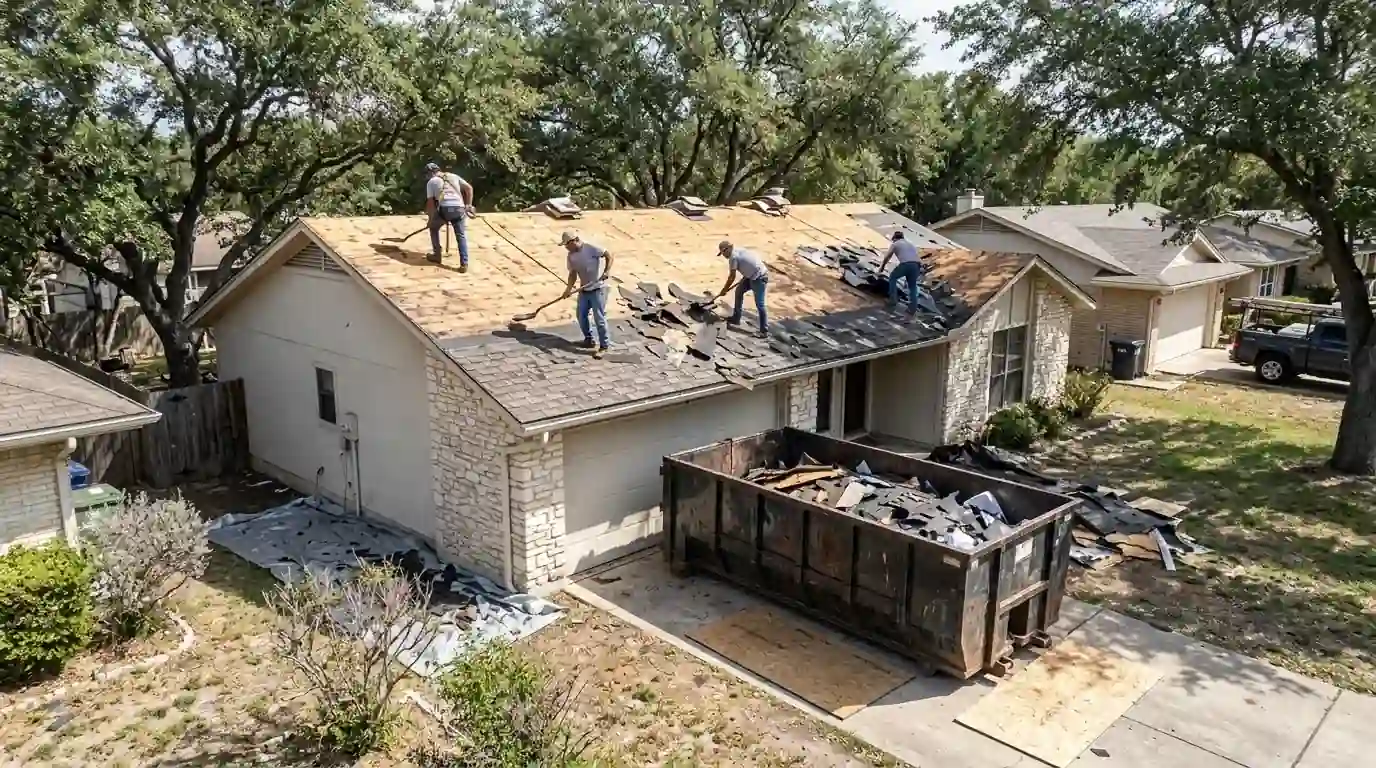
Replacement is also the time to fix things the last crew may have missed. We replace damaged drip edge, swap pipe boots, check that valleys have proper metal or woven shingles, and correct attic ventilation. Small details like these often decide whether the next storm causes a leak or just a few marks.
Working with your insurer after a Converse storm
Texas law bars roofing contractors from acting as your public adjuster and from waiving or rebating your deductible. So our role is clear: we inspect, document and do the work. You handle the claim with your insurer, and we provide photos, measurements and line items when the adjuster asks. If you'd like a walkthrough first, our roof claim help page covers how we fit into the process.
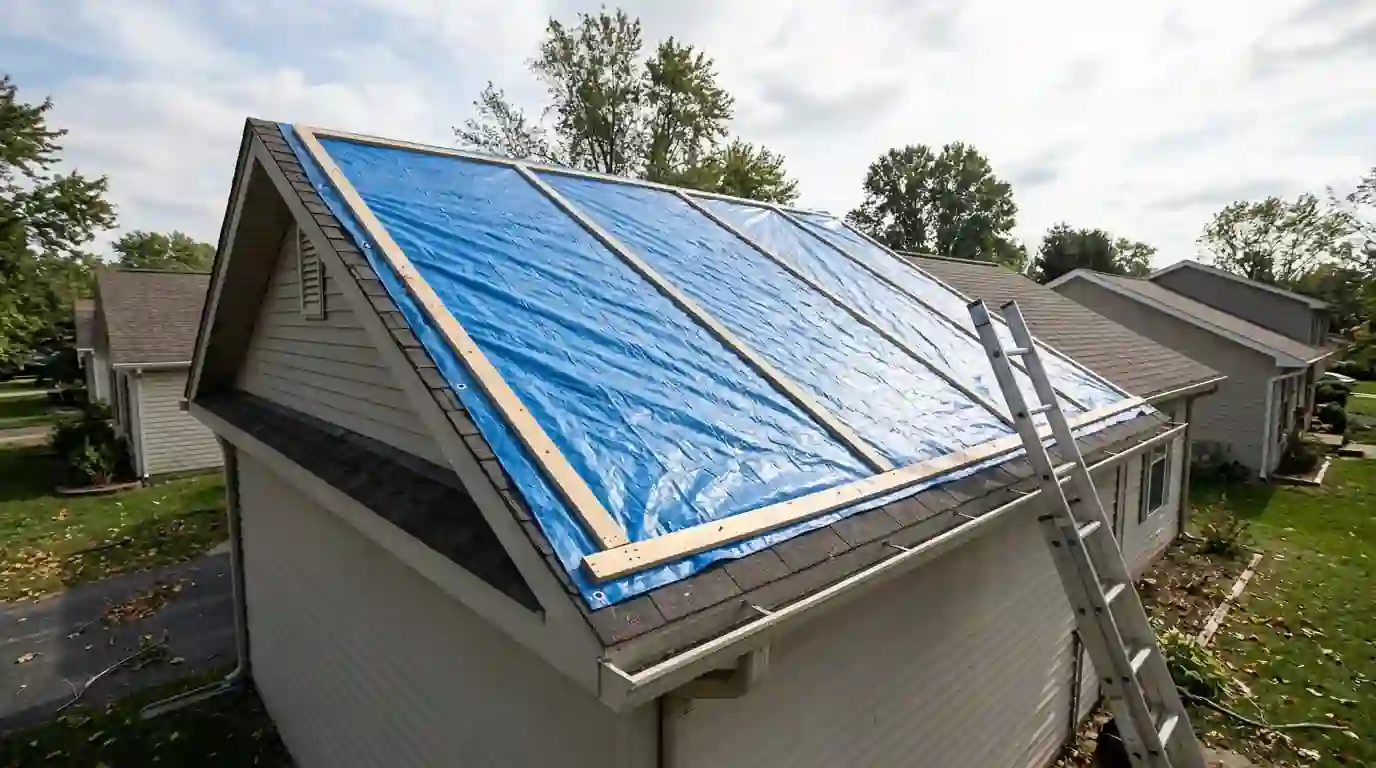
If water is getting in now, we can tarp the damaged area the same day where weather allows. Tarping protects the house and shows your insurer you acted to prevent further damage. Call (210) 750-1898 day or night and tell us where you see water.
Older Converse homes have a few extra checks
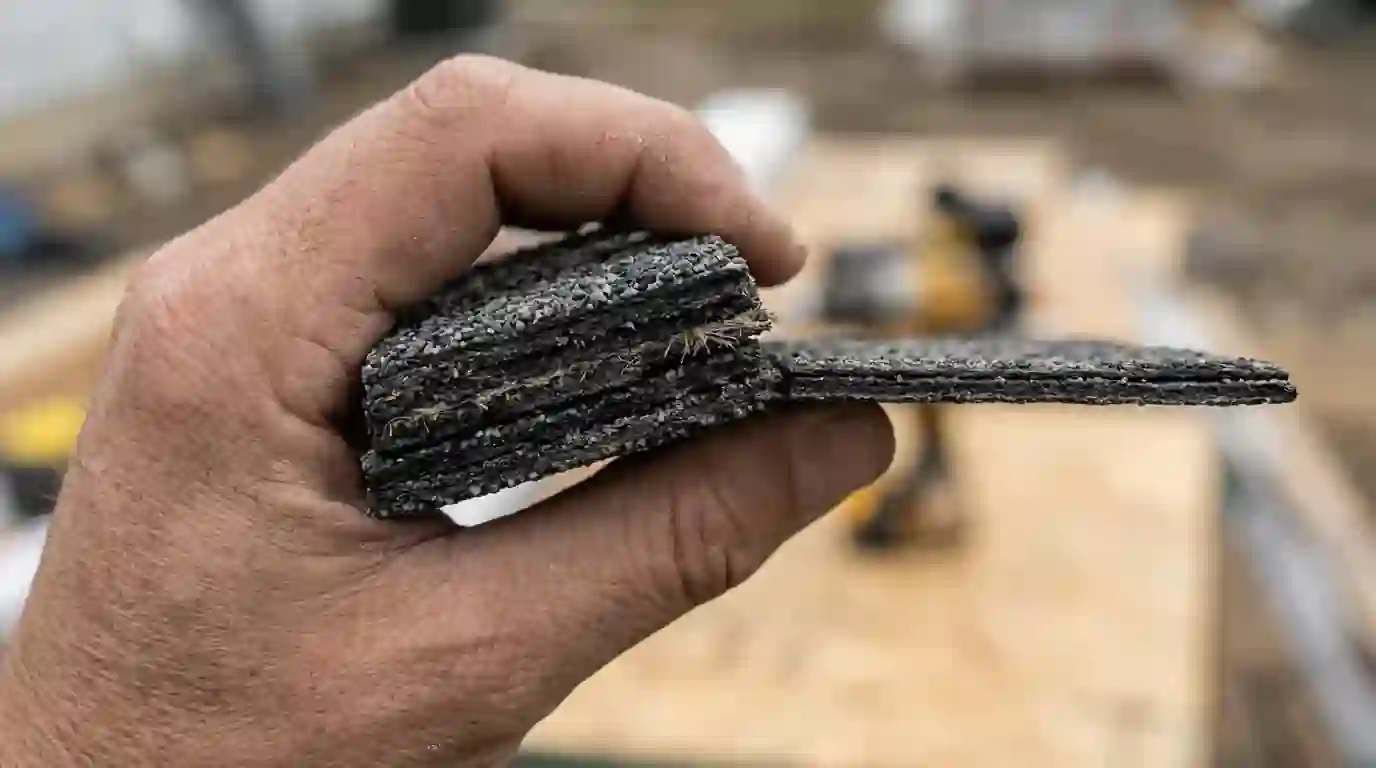
On 1970s and 1980s homes, we often find more than hail. Decking may have soft spots near the eaves from years of gutter overflow, and older roofs sometimes have a second layer hiding problems. We check the attic before quoting so the estimate reflects real conditions. If decking needs replacement, we price it per sheet so you only pay for what we actually change.