What's inside a stone-coated steel panel?
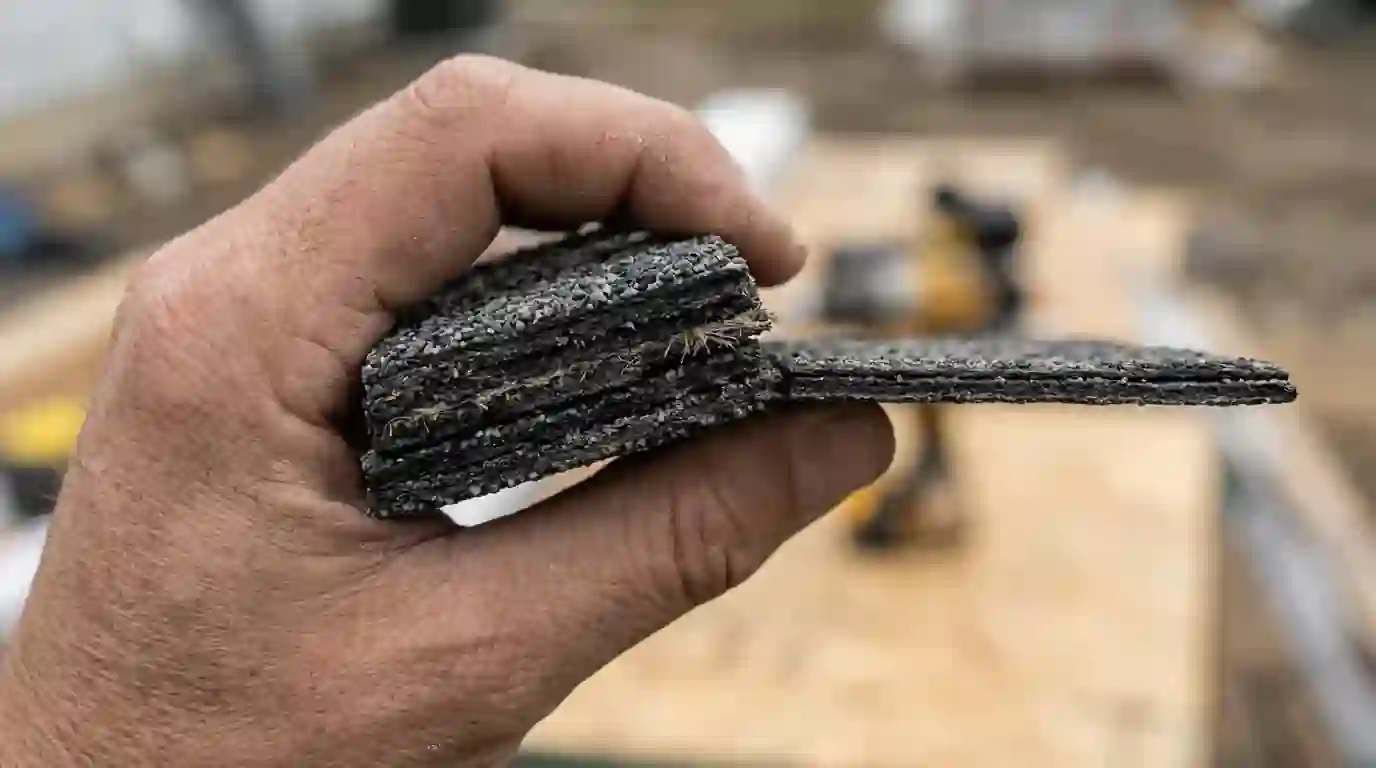
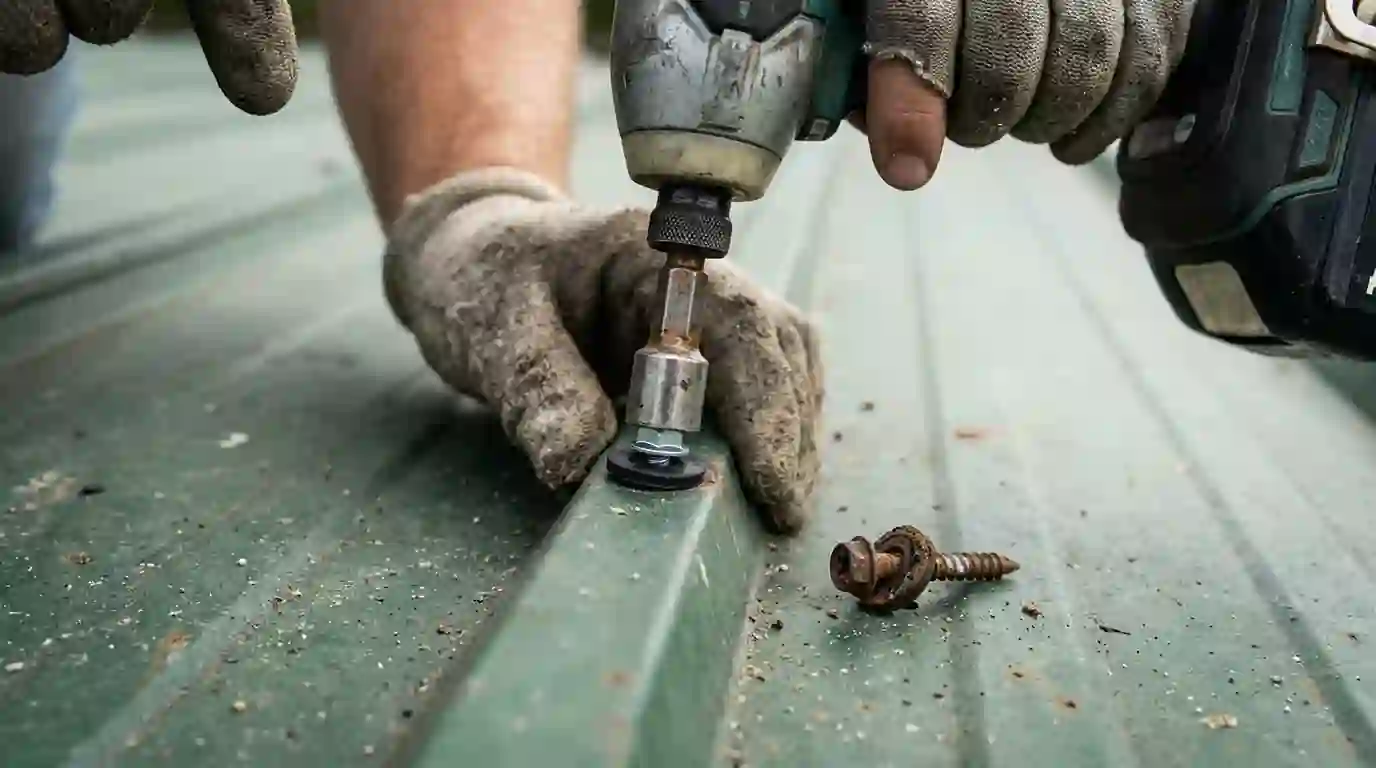
Each panel starts as a sheet of steel coated with an aluminum and zinc alloy that slows rust. Over that goes an acrylic base coat, then a layer of ceramic-coated stone granules, then a clear overglaze that locks the granules down. The steel does the structural work, and the stone gives the panel its texture, color and a quieter surface in rain.
Panels are short and wide, usually around four feet long and a little over a foot tall. They interlock on all four sides, so wind can't easily get a lip under them. Most profiles are fastened through the lower nose into wood battens, where the next course covers the fastener and keeps it out of the weather. A few loose granules in the gutters during the first year are factory excess, not a sign of failure.
Shake, barrel tile or shingle: which profile suits your street?
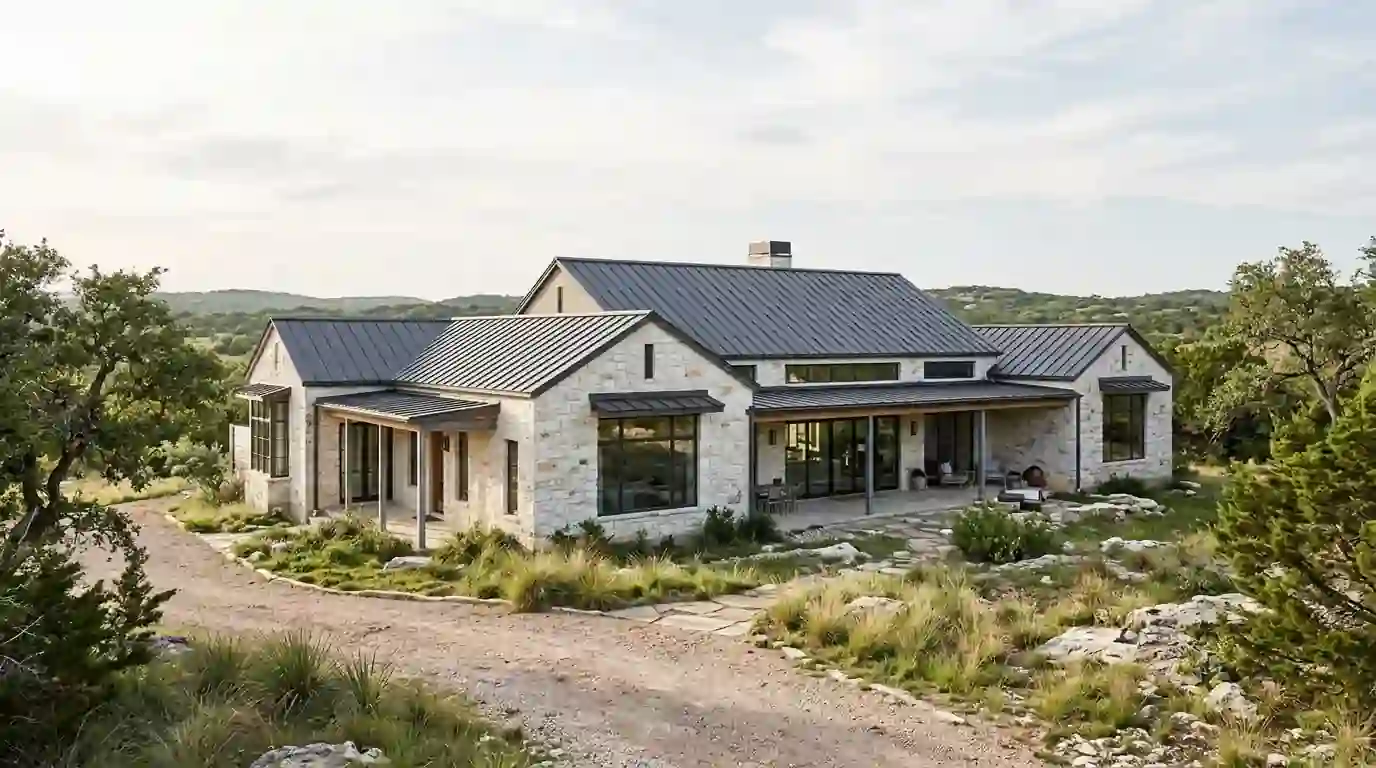
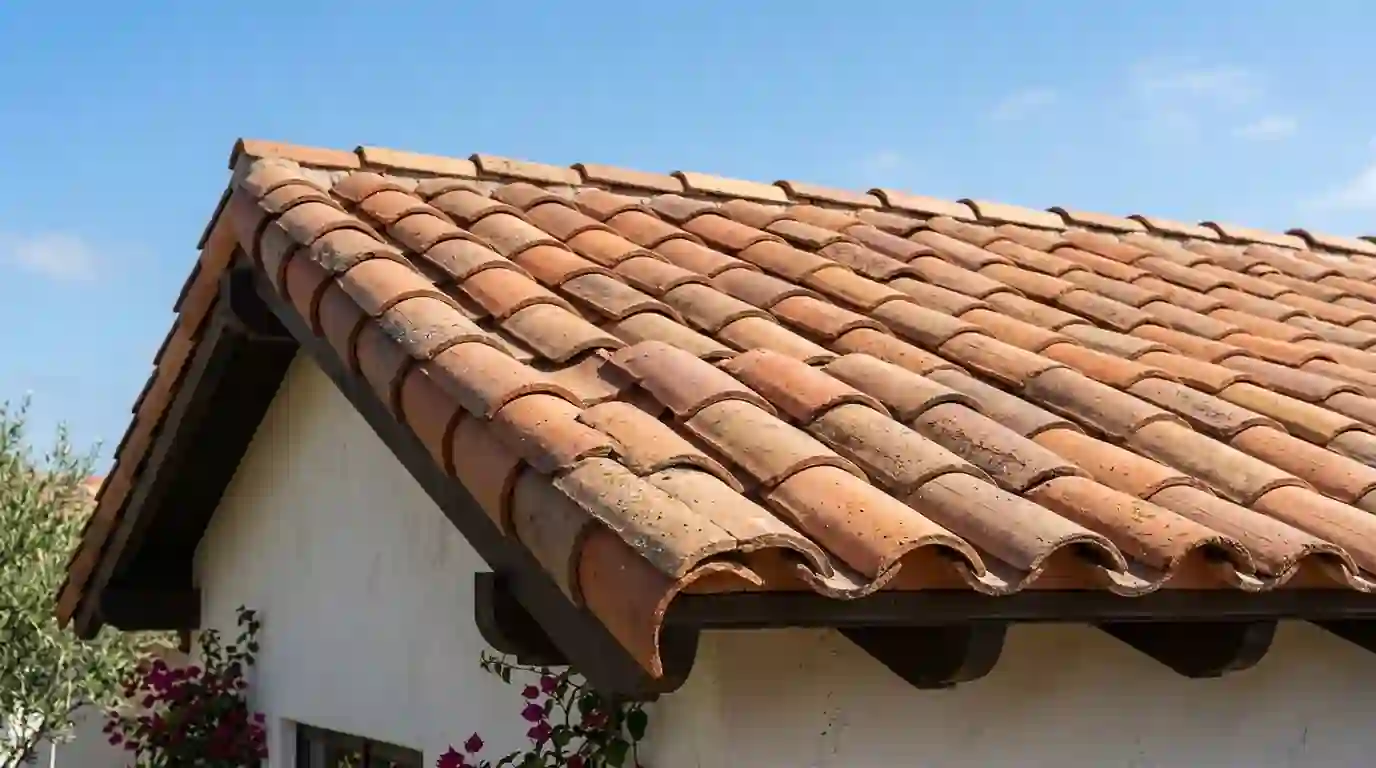
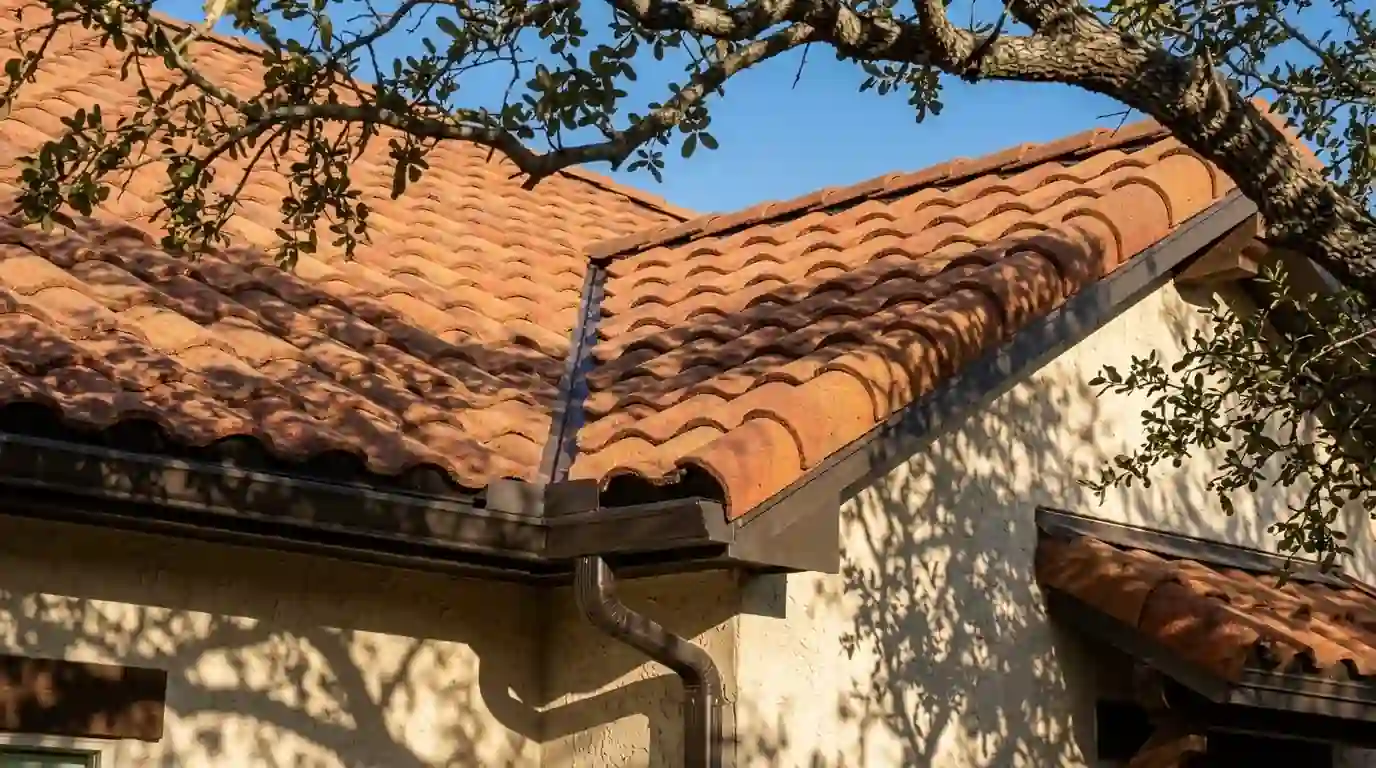
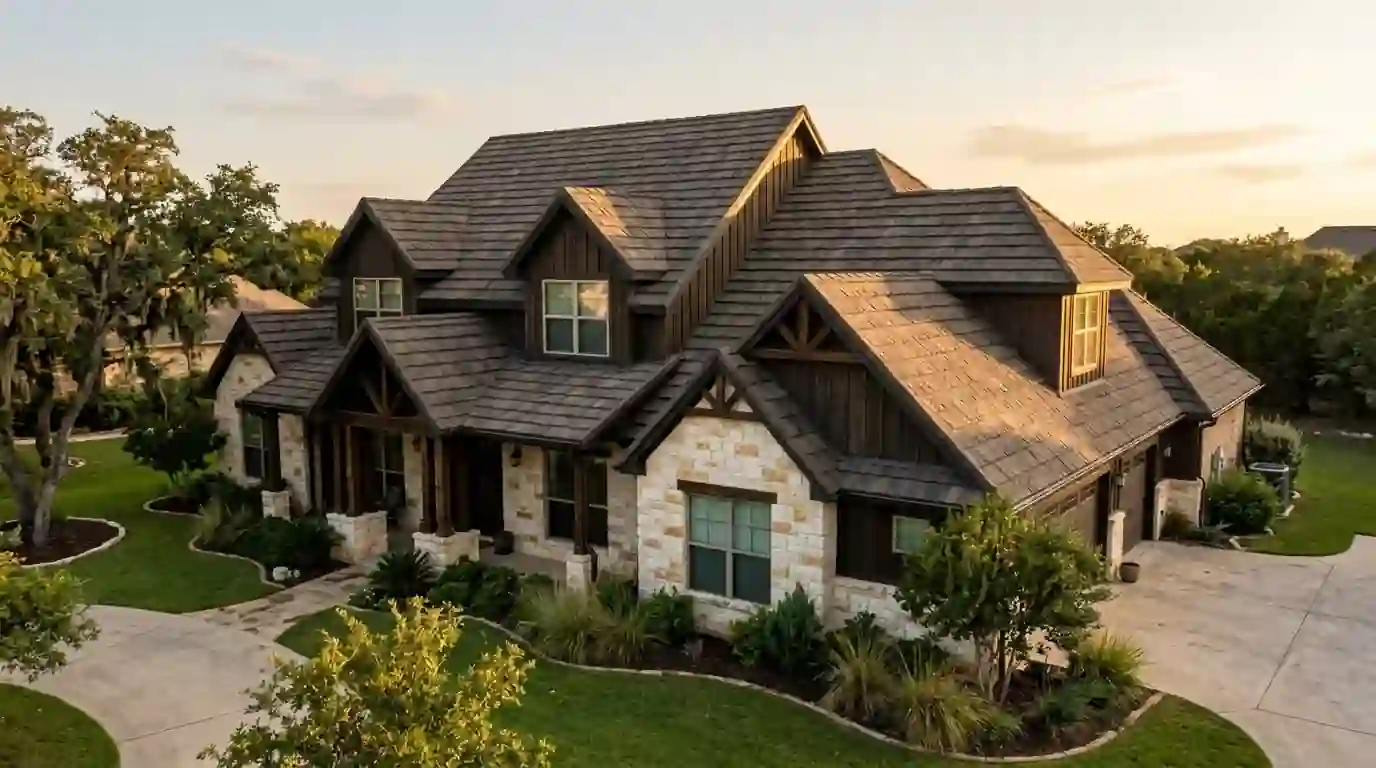
The shake profile reads like heavy split cedar from the curb, which suits ranch and Hill Country homes in Helotes, Bulverde and Fair Oaks Ranch. The barrel or Spanish tile profile is the one most homeowners ask about in Stone Oak and The Dominion, where deed restrictions often call for a tile appearance. A shingle profile keeps the low, flat look of a dimensional asphalt roof.
HOA architectural committees usually want a sample and a color name, not just a product brochure. We bring a physical panel to your house so you can hold it against the brick or stone in daylight. If your neighborhood has written roof rules, our guide to HOA approval for a new roof covers the paperwork side. The stone holds pigment well in strong sun, but darker blends still run hotter at the surface. Earth tones like sandstone, terra cotta blends and weathered gray also hide dust and live oak pollen between rains.
How the panels hold up to San Antonio hail and wind
Hail that cracks a concrete tile or bruises a standard shingle usually leaves a stone-coated panel with, at most, a shallow dimple hidden in the texture. The steel doesn't fracture, so there's no opening for water. That's why so many homeowners on the north and west sides switched after the April 12, 2016 storm left whole subdivisions reroofing at once.
Many stone-coated profiles carry a UL 2218 Class 4 impact rating. Texas requires insurers to offer a premium discount for qualifying Class 4 roofs, though the amount varies by company. We give you the product name, profile and rating paperwork after the job so you can send it to your agent. Our post comparing stone-coated steel against Class 4 shingles lays out the cost difference over time. Some Texas policies exclude cosmetic dents on metal roofs, so read that endorsement before you renew. On wind, the four-way interlock and nose fastening resist uplift well, so spring gusts rarely peel a course loose the way they lift shingle tabs.
Why the batten system keeps the attic cooler
On most profiles, the panels sit on wood battens fastened over the underlayment, leaving a shallow air space between the steel and the roof deck. Hot air rises through that gap and exits at the ridge. Less heat soaks into the decking, so the attic starts each evening a little cooler than it would under shingles nailed tight to the deck.
Summer attic temperatures here commonly pass 140 to 150 degrees, so any reduction helps your air conditioner. The air gap also lets steel shed heat fast after sunset. Pair the new roof with balanced intake and exhaust, which our ridge vent and soffit airflow work handles in the same visit if your attic is short on vents. Underneath the battens we lay a high-temperature synthetic underlayment, since the deck under any metal roof runs hot. At valleys, around chimneys and along walls, we use preformed steel flashing finished in matching stone so the trim doesn't stand out as bare metal.
Stone-coated steel or standing seam: how do they differ?
Both are steel, but they solve different problems. Standing seam uses long smooth panels running eave to ridge with raised seams and concealed clips. It has a clean, modern or farmhouse look and reflects more sunlight in light colors. Stone-coated steel uses short textured panels that imitate another material, so the house keeps a traditional shake or tile appearance.
Texture changes how damage shows. A hail dimple on a flat standing seam pan can be visible from the yard, while the same strike on a stone-coated panel disappears into the granules. Stone-coated panels are also easier to walk on, which matters if you have satellite dishes, solar or a chimney that needs service. If the long-panel look is what you want, our standing seam roof page explains seam types and finishes. If you want steel's strength but your street, HOA or own taste calls for tile or shake, stone-coated steel is usually the closer fit.
Replacing heavy concrete tile with a lighter steel roof
Concrete tile weighs roughly nine to ten pounds per square foot, while stone-coated steel is closer to one and a half. On older homes where the framing sags under tile, or where cracked tiles keep showing up after every storm, switching to a tile-profile steel panel takes a large load off the rafters without changing the look from the street.
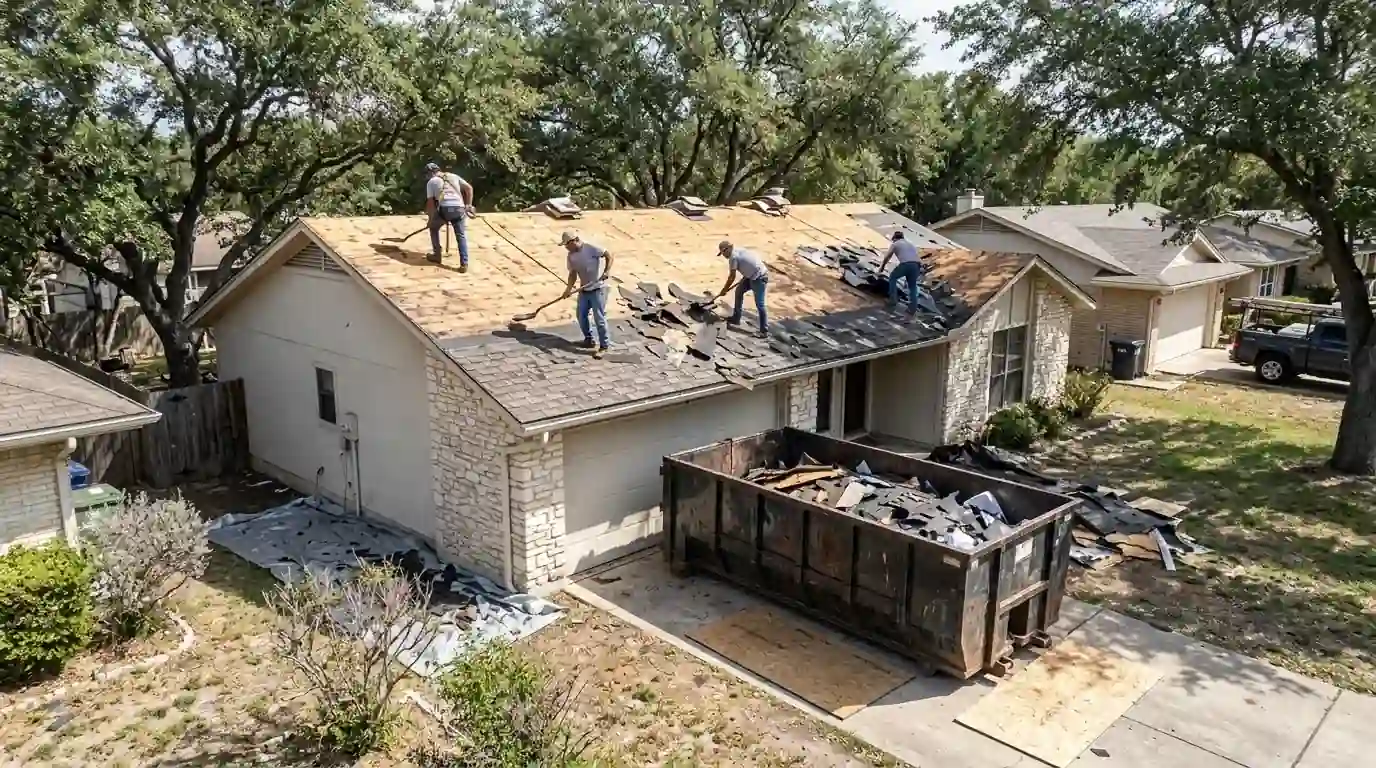
Tile tear-off is slower, heavier work, and we stage debris away from landscaping. Once the tile is off, we check the decking and replace soft or delaminated sheets before battens go down. If you'd rather keep real tile and just fix it, our cracked tile repair service may be the cheaper route for now.