What each product actually is
Stone-coated steel starts as steel sheet coated with an aluminum and zinc alloy to fight rust. Stone granules are fixed to the top with an acrylic base and sealed with a clear overcoat. The panels are pressed into profiles that look like shake, tile, slate or shingles, and they're installed on battens or straight onto the deck.
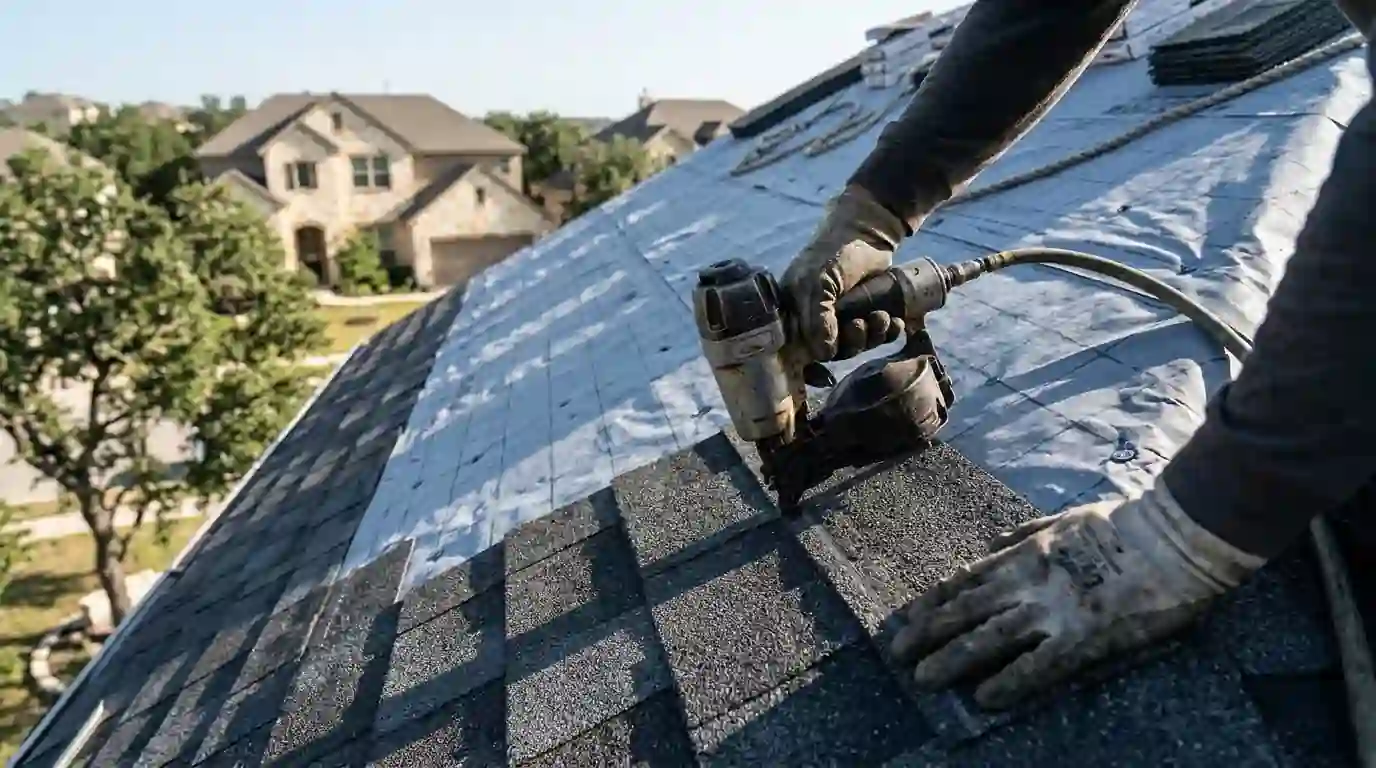
Class 4 shingles are asphalt shingles built to pass the toughest level of the UL 2218 impact test. Most use polymer-modified asphalt that flexes on impact instead of cracking, and some add a reinforced backing. Our article on Class 4 ratings and insurance discounts covers the test and the paperwork side in more detail.
How each one takes a San Antonio hailstorm
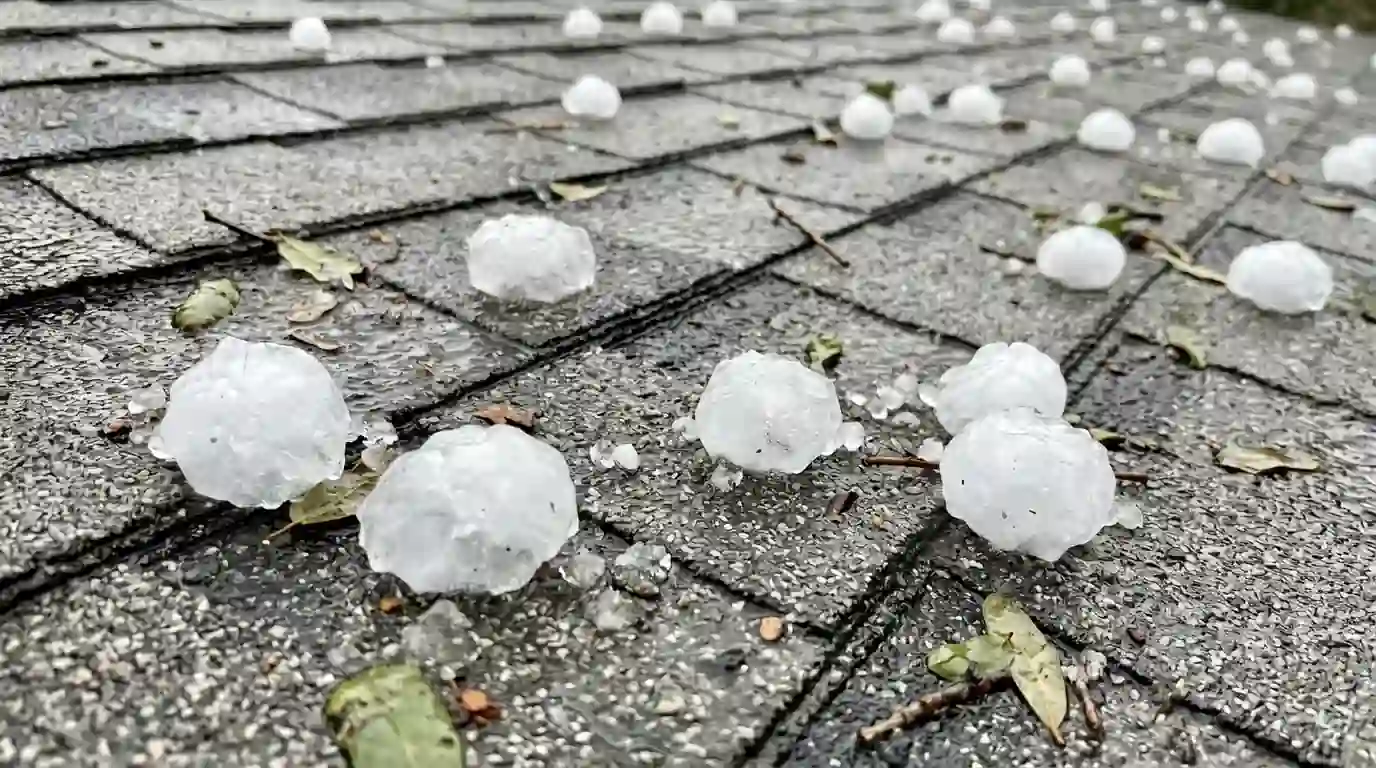
A UL 2218 Class 4 rating shows a product survived a 2 inch steel ball in the lab without cracking through. It doesn't promise the roof walks away from every storm. Real hail can be larger, harder and driven by wind, so both products can still be damaged in a severe event like the April 2016 storm on the north and west sides.
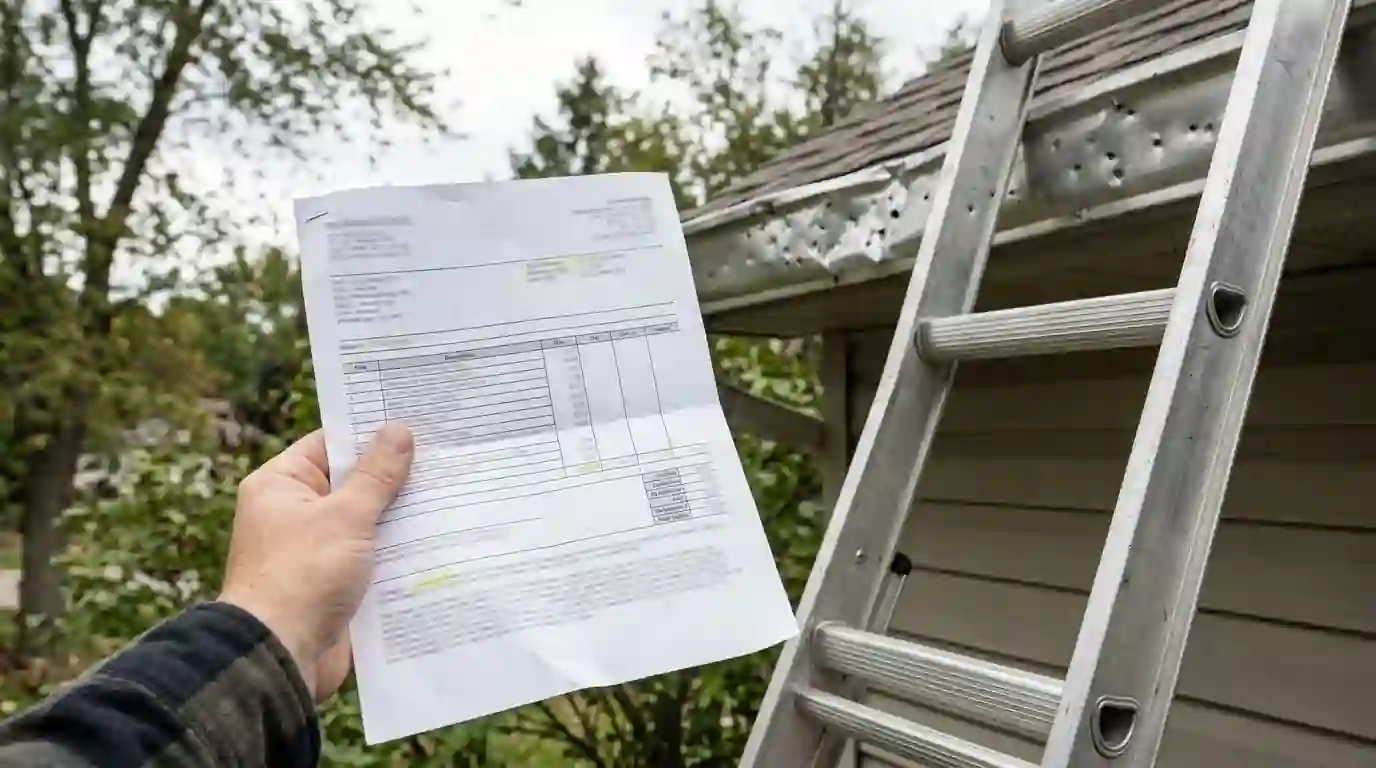
The damage looks different. Large hail can dent stone-coated steel panels, though the textured surface and rounded profiles often hide small dents from the ground. Shingles can bruise, lose granules or crack at the mat. Granule loss shows on both products over time, and on steel it can leave the coated metal exposed in spots.
- Steel: dents and scuffs are the main hail marks.
- Class 4 shingles: bruising, granule loss and occasional cracks.
- Both: ridge caps, vents and flashing take hits too, so check those after storms.
- Both: walking on a hail-damaged roof can cause more harm, so let a roofer do it.
Heat, weight and the attic below
Stone-coated steel is much lighter than tile and usually lighter than a shingle roof per square. That makes it attractive on older homes where the framing is already carrying a lot, or where a heavier roof isn't an option. Some systems install over battens, which creates an air space that helps carry heat away from the deck.
Asphalt shingles sit tight to the deck and absorb heat right into it, so attic ventilation matters a lot for how long they last here. Summer attics in San Antonio commonly pass 140 to 150 degrees. Whichever product you choose, balanced intake and exhaust and an optional radiant barrier will do more for comfort than the roof covering alone.
Looks, profiles and HOA rules
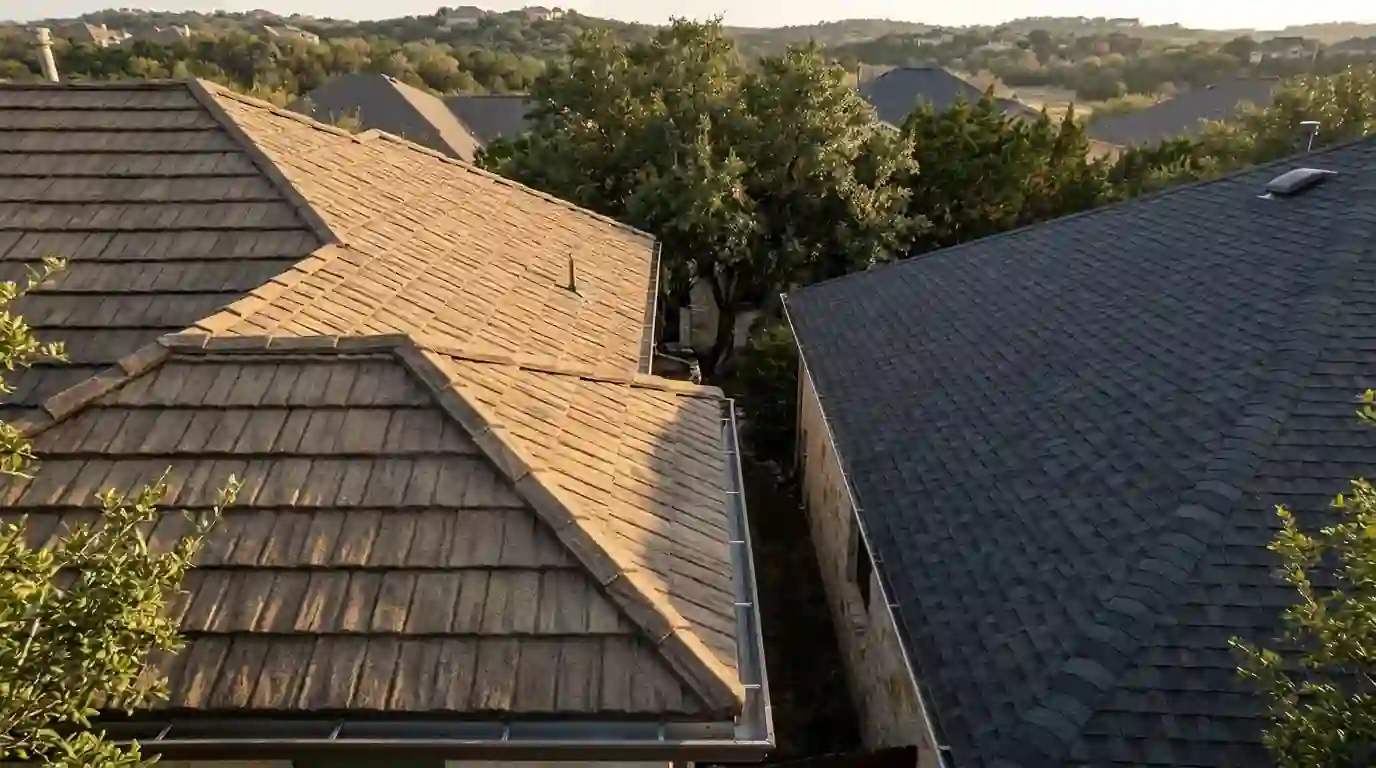
Class 4 shingles come in the same architectural profiles and colors as standard shingles, so they slip easily into neighborhoods where every roof has the same look. Most HOAs approve them without much discussion. Stone-coated steel offers more styles, including shake, barrel tile and slate profiles, which can be useful on Mediterranean or ranch-style homes.
That variety can cut both ways with an HOA. A steel panel that imitates concrete tile might be approved in Stone Oak or The Dominion when standard exposed metal would not, but some boards still ask for samples and product sheets first. In local historic districts, the City of San Antonio Office of Historic Preservation reviews material changes, so plan for that step.
Repairs and matching years from now
Shingle repairs are straightforward. Most roofers carry the tools, and Class 4 shingles are stocked widely, though an exact color match can be harder once a roof has weathered for several years. A small wind or hail repair is usually a short visit.
Stone-coated steel repairs need panels from the same maker and profile, plus a crew comfortable working with interlocking panels. Panels can be replaced individually, but sourcing a discontinued profile can take time. Ask for a few spare panels at installation and keep them in the garage. Our metal roof repair service handles dents, loose fasteners and flashing on these systems.
How the cost usually compares
Stone-coated steel typically costs more up front. Typical installed ranges run about $895 to $1,385 per square for stone-coated steel roofing, compared with $545 to $795 per square for Class 4 impact-resistant shingles. Tear-off, deck repairs, roof pitch and the number of valleys and penetrations all shift those numbers, so your real price depends on the roof after inspection.
Over the long run, the gap can narrow. Steel often outlasts asphalt in South Texas heat, and both can qualify for the Texas impact-resistant premium discount, which each insurer sets on its own. Ask your agent for the discount on your policy before deciding, and compare current ranges in our San Antonio roofing price guide.
Which roof fits your plans?
A few questions usually settle it. If you'll sell within several years, or the budget is tight after paying a deductible, Class 4 shingles give you strong hail resistance and the insurance discount at a lower price. If you plan to stay for a long time, want a tile or shake look without the weight, or have a roof that has already been replaced after hail more than once, steel is worth pricing.
We'll measure the roof, look at the attic and framing, and price both options side by side so you're comparing real numbers. Ring our line at (210) 750-1898; it's answered 24/7, including after a storm.
- How long do you plan to stay in the house?
- How many times has hail already ended a roof on this property?
- Does your HOA or a historic review limit materials or profiles?
- What discount does your insurer offer for a Class 4 roof?