What the UL 2218 test actually measures
UL 2218 is a standard test for how well a roof covering resists impact. Technicians drop steel balls of increasing size onto a sample installed over a deck, hitting the same spot twice. The roofing passes a class if it doesn't crack or split through on the top or underside at that ball size.
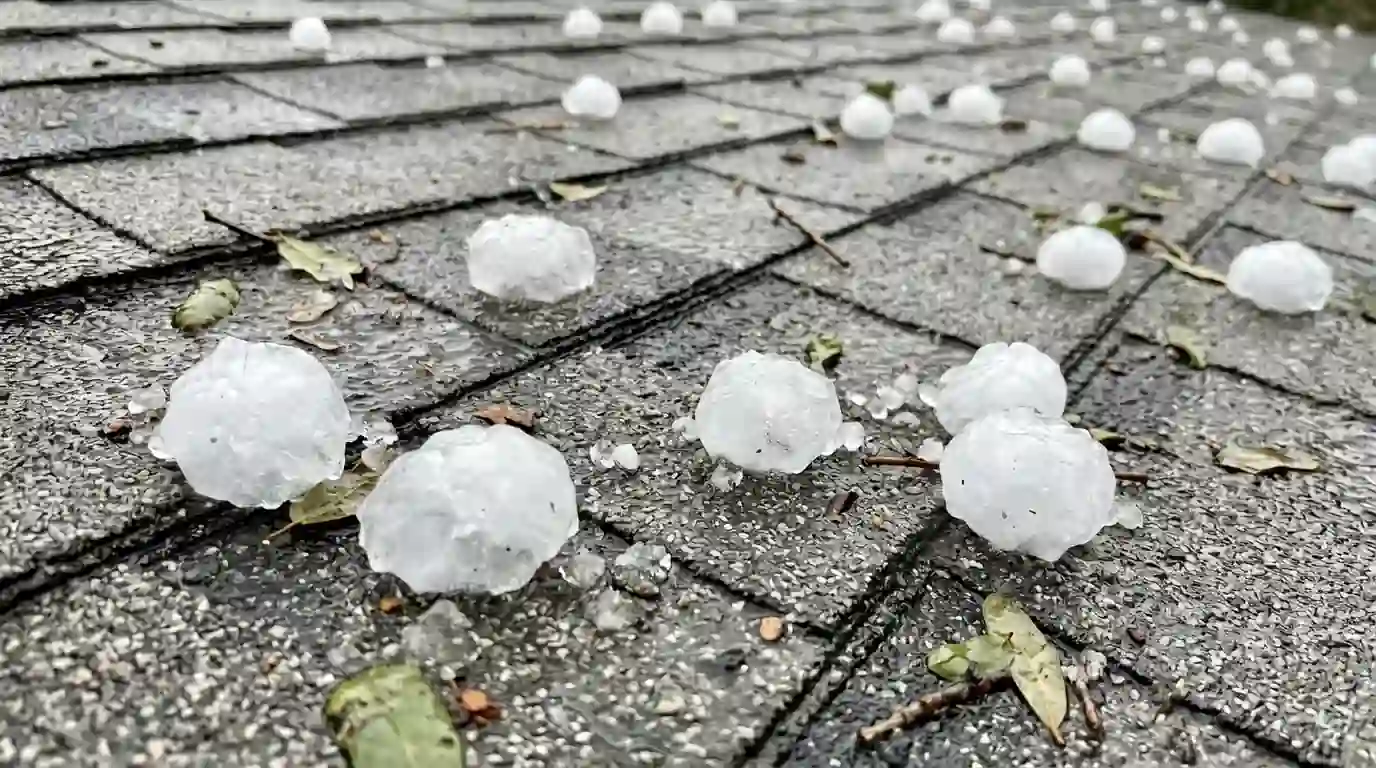
The steel balls range from 1.25 inches for Class 1 up to 2 inches for Class 4. A Class 4 rating means the product survived the largest ball in the test. It doesn't mean the roof can't be damaged by hail. Real hail varies in size, density and angle, and a tennis ball stone driven by wind can still bruise a Class 4 shingle.
- Class 1 survives a 1.25 inch steel ball.
- Class 2 survives a 1.5 inch steel ball.
- Class 3 survives a 1.75 inch steel ball.
- Class 4 survives a 2 inch steel ball.
How Class 4 shingles differ from standard shingles
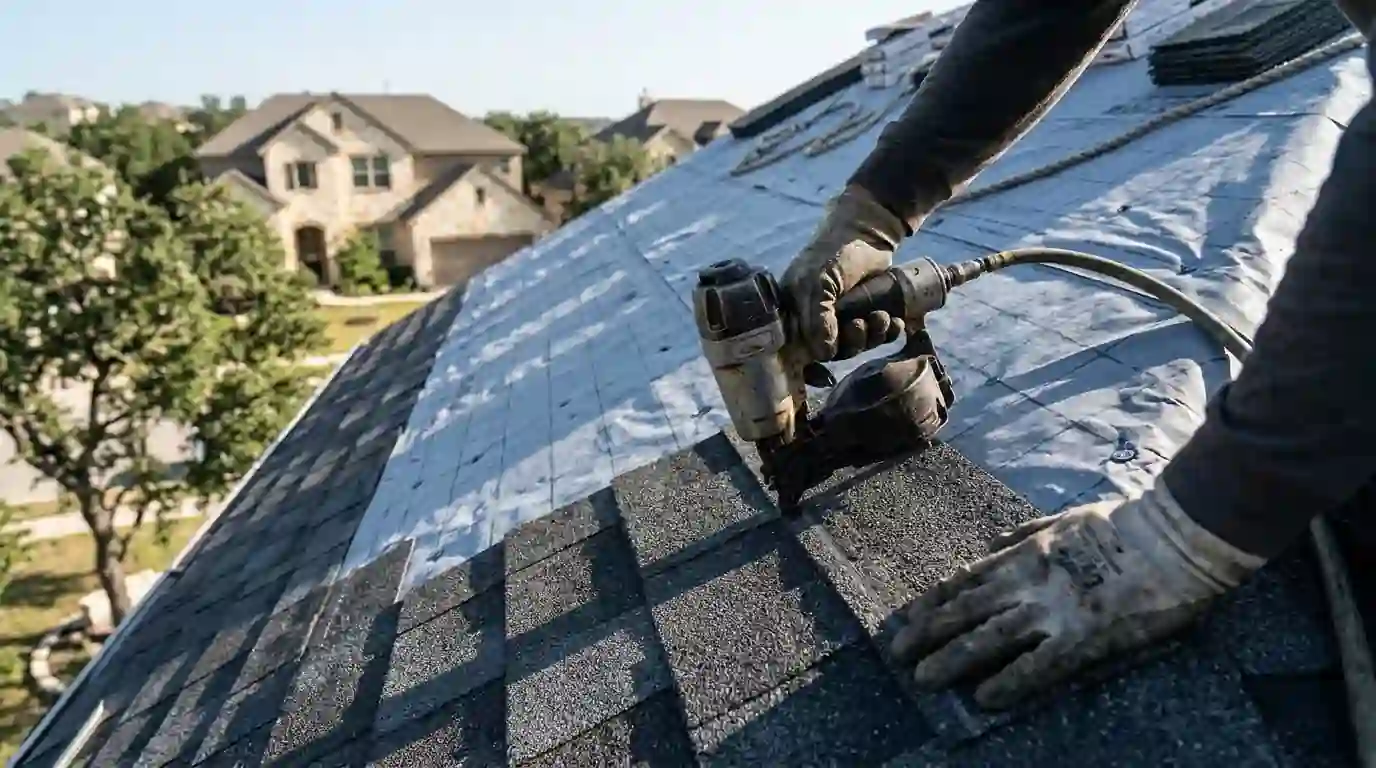
Most Class 4 asphalt shingles get their toughness from polymer-modified asphalt, often called SBS modified, which stays more flexible and absorbs impact instead of fracturing. Others add a reinforcing layer behind the nailing area or a heavier mat. That flexibility also tends to help in Texas heat, since the shingle resists turning brittle as quickly.
From the street, many Class 4 shingles look just like standard architectural shingles. The difference shows in weight, feel and the product label. Class 4 options also exist in metal panels, some concrete tile and several synthetic slate and shake products, so a homeowner who wants a different look isn't locked into asphalt.
How the Texas impact-resistant roof discount works
Texas requires insurers that write homeowners coverage to offer a premium discount for roofs that use qualifying impact-resistant products, generally those rated UL 2218 Class 4. The law requires the discount to be offered, but it doesn't fix one amount across the market. Each insurer sets its own discount, and it can differ by policy type and region.
Because of that, two neighbors with the same new roof may see different savings. The only way to know your number is to ask your agent or insurer directly, ideally before you sign a roofing contract. Ask whether the discount applies to the wind and hail part of the premium, the whole policy, or both, and whether it changes at renewal.
Paperwork insurers usually ask for
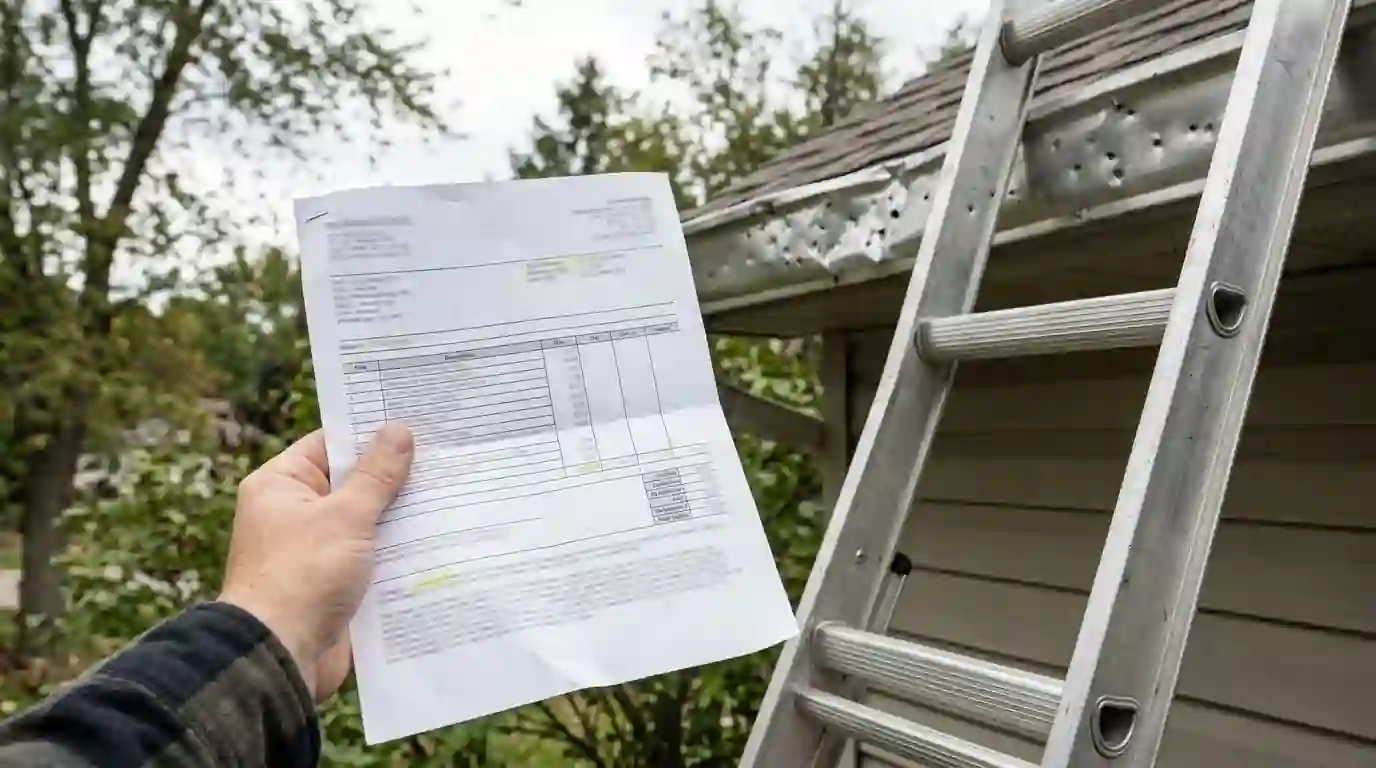
Insurers want proof that the exact product on your roof carries the Class 4 rating and that it was installed as a complete roof system. Keep everything from the job in one folder, digital or paper. We provide the product details and installation records you'll need to send to your agent.
Some insurers send someone to look at the roof or ask for photos of shingle wrappers showing the rating. Send the documents soon after the job is finished, because a discount often starts only once the insurer has processed it.
- An invoice that names the shingle brand, product line and Class 4 rating.
- A copy of the manufacturer's product sheet showing the UL 2218 Class 4 listing.
- Photos of the shingle bundle wrappers with the rating label visible.
- The completion date and address of the job.
- Any insurer-specific paperwork your agent asks you to sign.
Is the upgrade worth it on your house?
Class 4 shingles typically cost more than standard architectural shingles, though the gap depends on the product and the roof. Weigh that added cost against three things: the yearly premium discount your insurer quotes, the chance of avoiding a deductible after a future storm, and longer service life in heat. A large wind and hail deductible makes avoiding even one claim a meaningful saving.
The case is strongest on homes in the parts of town that see repeated spring hail, homes you plan to keep for many years and roofs with simple shapes where material is a big share of the cost. It's weaker if you plan to sell soon or your insurer offers only a small discount. We'll price both options on your roof after an inspection, and you can compare typical ranges on our roofing price guide.
Installation details that keep the rating meaningful
A Class 4 shingle is only as good as the roof it sits on. Damaged or soft decking under the shingle lets it flex more on impact, so we replace bad sheathing during tear-off rather than covering it. Matching hip and ridge caps, starter strips and the manufacturer's nailing pattern all affect how the system holds up and how the insurer views it.
Ventilation matters too. Shingles that bake over a poorly vented attic age faster no matter their rating. When we install impact-rated shingles, we check intake and exhaust so the attic can breathe, and we may suggest ventilation upgrades if the current setup is short.
Questions to ask before you sign
A few direct questions save confusion later. Get the answers in writing where you can, from both your insurer and your roofer. A full replacement after hail is also a natural time to upgrade, since the claim covers like-kind materials and you may choose to pay the difference for a Class 4 product. Your claim process will spell out what the policy pays.
When you're ready to compare standard and Class 4 options on your own roof, give us a call at (210) 750-1898.
- Ask your insurer what discount applies to your policy and how it's calculated.
- Ask what documents they need and who must sign them.
- Ask the roofer for the exact product line, not just the brand name.
- Ask whether the ridge and hip caps are part of the rated system.