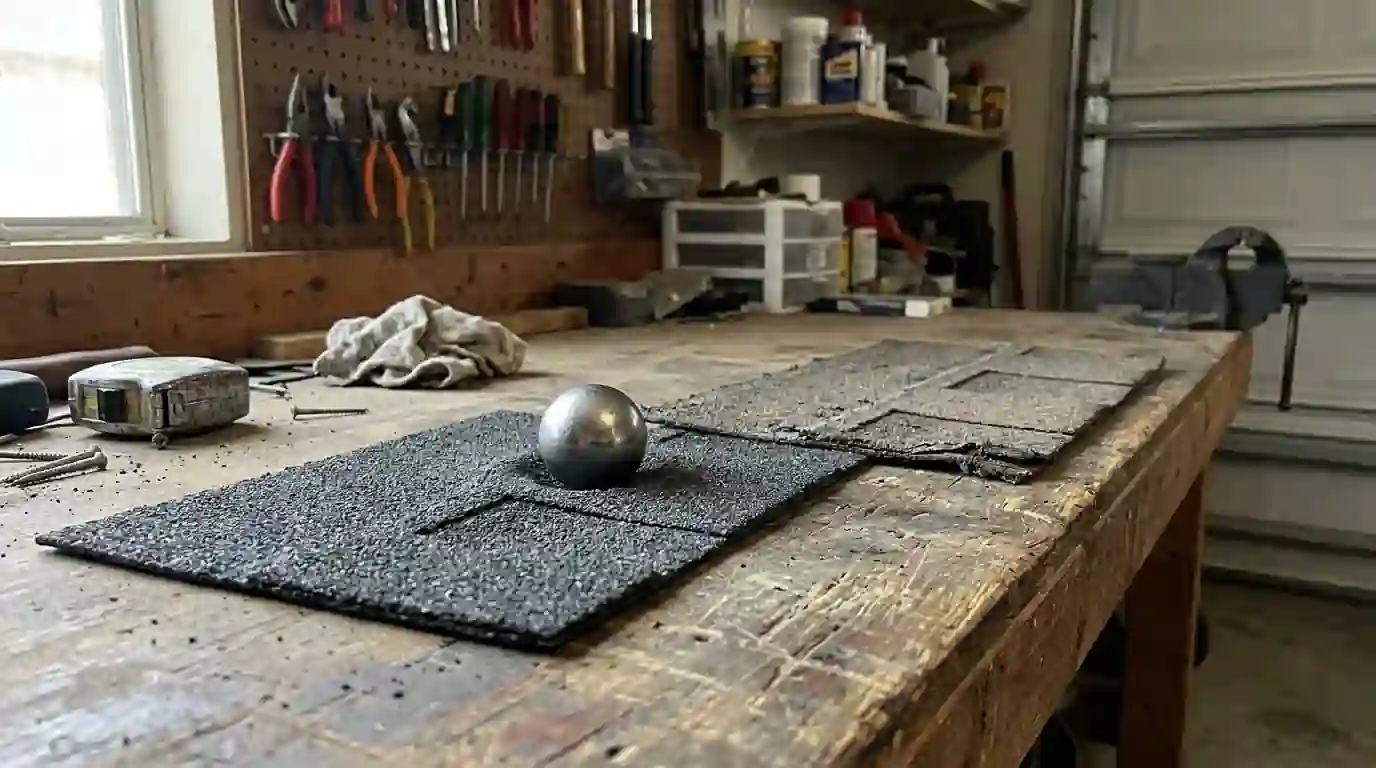
What the UL 2218 Class 4 rating actually tests
UL 2218 drops steel balls of increasing size onto a shingle mounted on a test deck. Class 4 is the top rating, earned when the shingle survives a 2 inch ball dropped twice on the same spot without cracking through or exposing the mat. The test is repeatable and standardized, which is why insurers rely on it to decide which roofs qualify for a discount.
What the test doesn't fully capture is real hail. Hailstones vary in density, fall at angles, and arrive with wind. A Class 4 rating tells you a shingle is much tougher than average, not that it's untouchable. Our guide on hail sizes that hurt San Antonio roofs explains why stone size and density both matter.
Do Class 4 shingles lower your insurance premium in Texas?
Texas law requires insurers to offer a premium discount on homeowners policies for roofs built with qualifying impact-resistant materials. The size of that discount varies a lot by insurer and policy. Some homeowners see a meaningful annual savings, others see very little. Call your agent before you choose shingles and ask what your specific policy would give you.
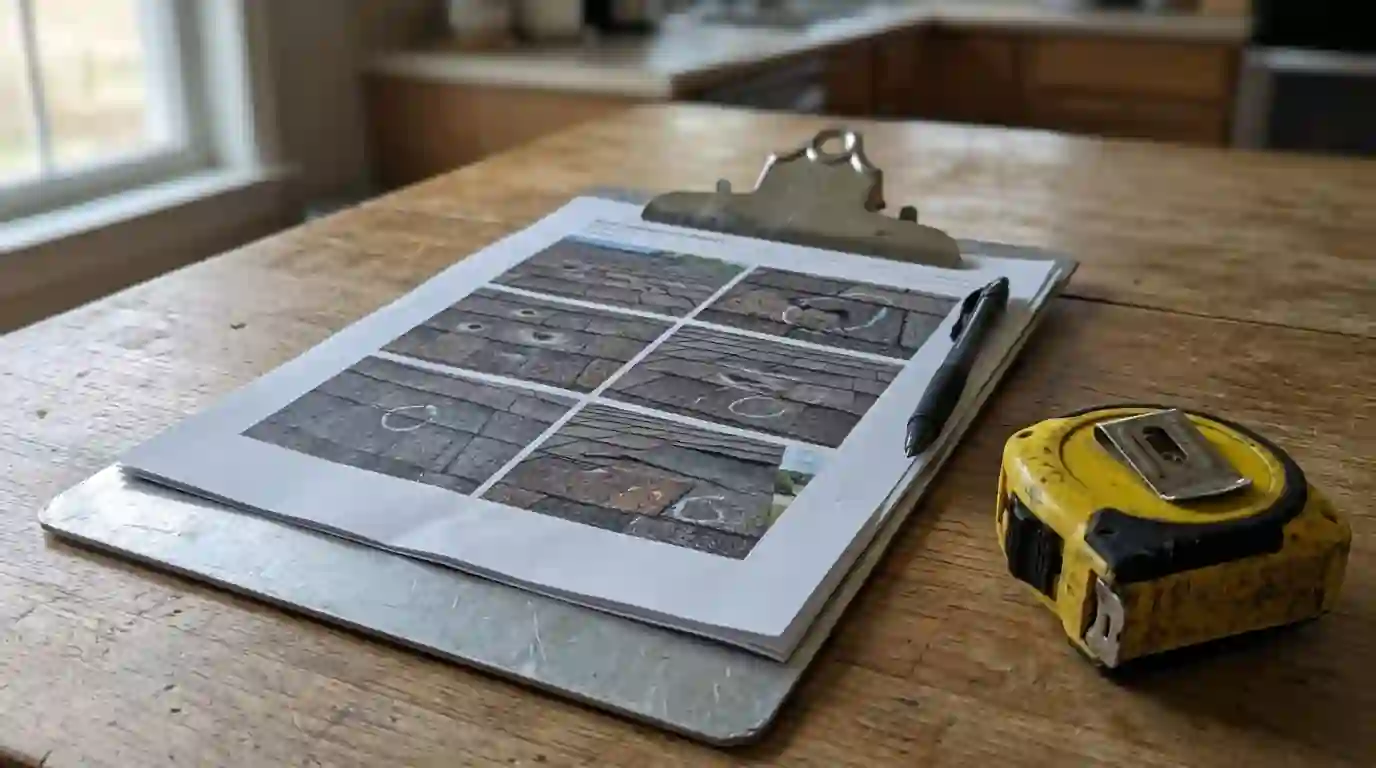
To apply the discount, insurers typically want proof: the product name and its UL 2218 Class 4 listing, plus documentation showing the whole roof was installed with it. We supply the manufacturer paperwork and a photo record of installation. Our article on the Texas Class 4 discount covers what to ask your agent.
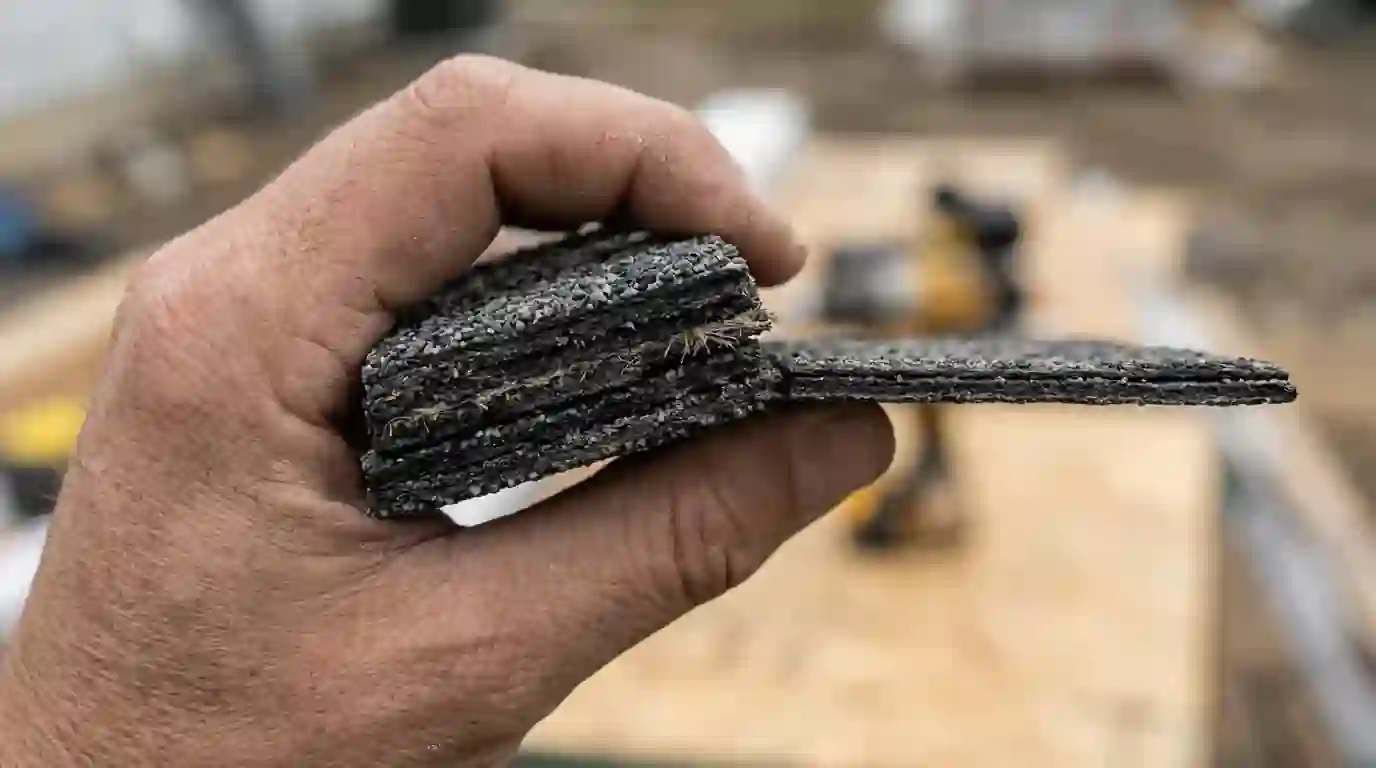
SBS rubberized shingles versus reinforced-mat shingles
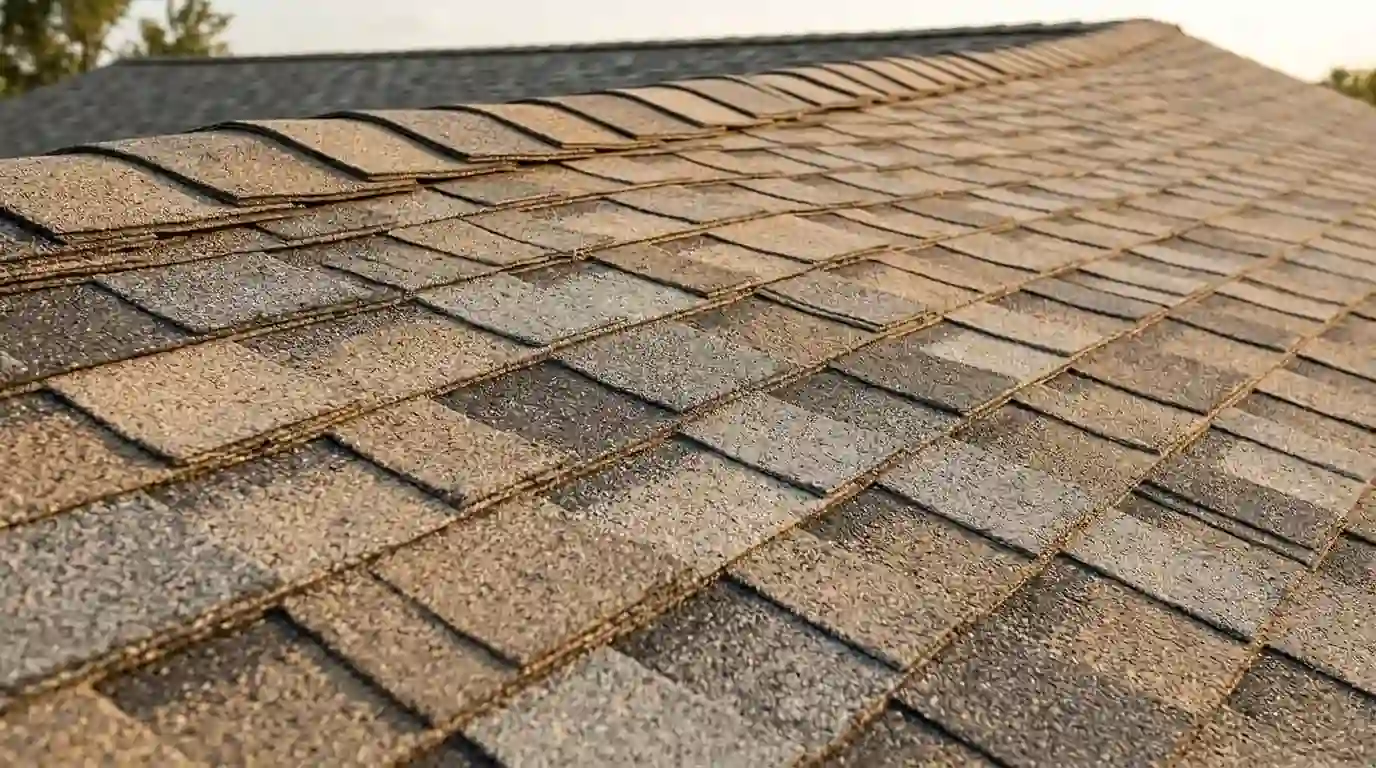
Manufacturers reach Class 4 in two main ways. Some modify the asphalt with SBS polymer, a rubber-like additive that lets the shingle flex and spring back when struck. Others reinforce the back of the shingle with a tougher mat or polymer layer so stones don't crack through. Both can pass the test, and both look like regular architectural shingles from the street.
SBS shingles stay more flexible in cool weather, which also helps them resist cracking during a winter hailstorm. They tend to cost a little more. In our experience, both types age better than a standard shingle under South Texas sun, though no shingle escapes heat entirely. Ventilation still decides a lot of a shingle roof's life here.
What Class 4 shingles won't do for your roof
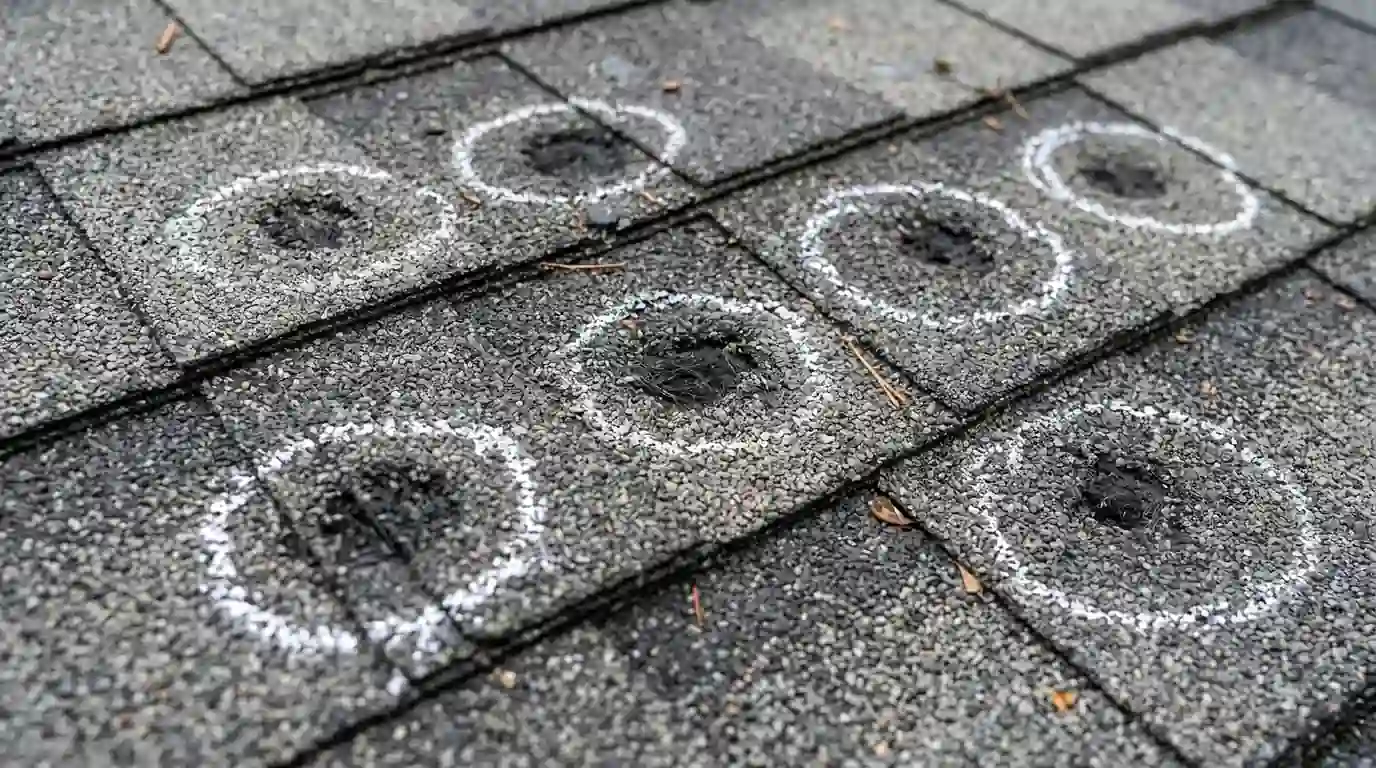
A Class 4 roof can still be damaged. Very large hail, like the stones that fell during the April 12, 2016 storm across north and west San Antonio, can break even rated shingles. Cosmetic marks like granule scuffs also show up after most storms. Some policies separate cosmetic damage from functional damage, so read how yours handles that before you assume a claim will pay.
Class 4 shingles also protect only the shingle field. Vents, pipe boots, skylights, gutters and flashing can still dent or crack. If you're weighing materials, standing seam panels and composite slate can also carry impact ratings, each with its own tradeoffs in cost and looks.
Installing Class 4 shingles so the rating means something
The rating applies to the shingle, but the roof only holds up when everything around it is installed correctly. We use the manufacturer's matching starter and hip and ridge caps, which are often impact-rated too, and nail six per shingle in the specified zone. Overdriven nails weaken the mat right where hail tends to hit hardest.
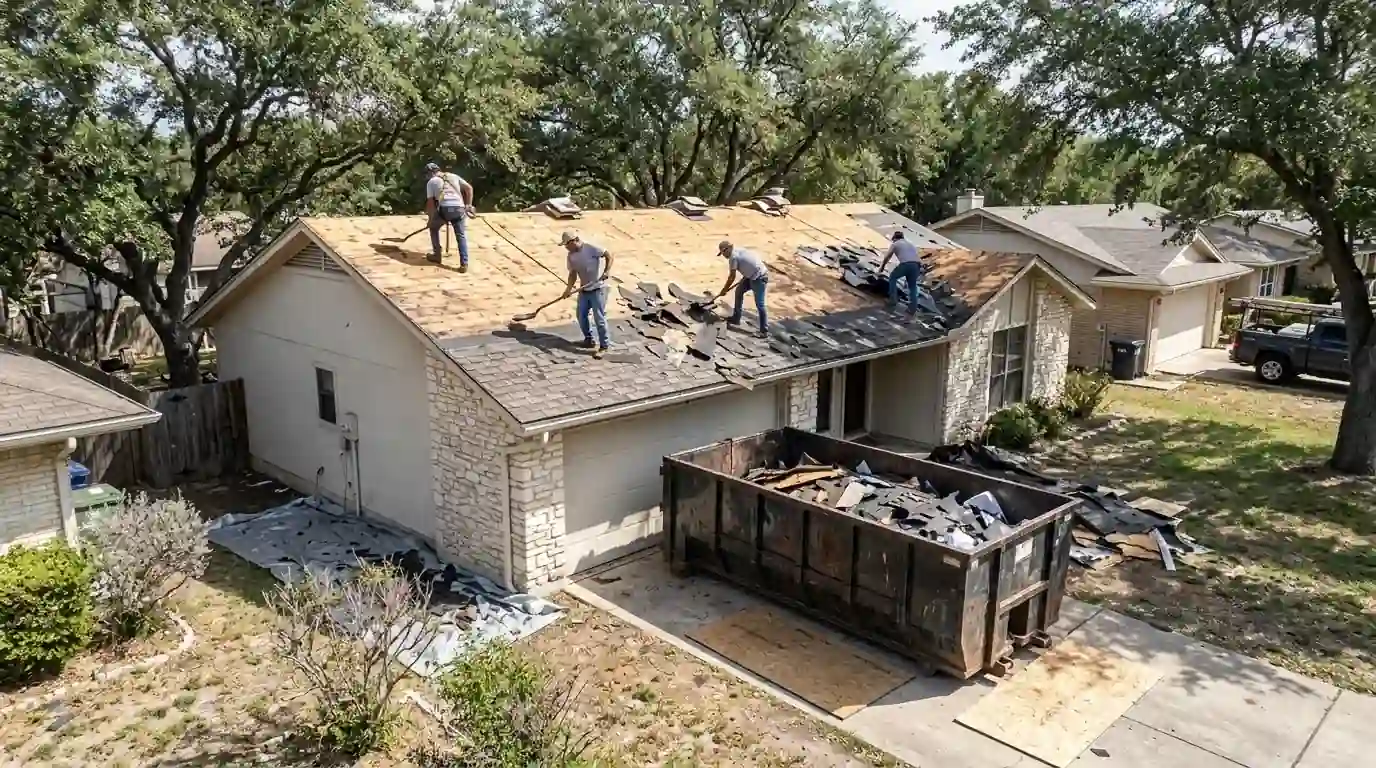
Many homeowners choose Class 4 during a full tear-off reroof funded by a hail claim. Upgrading at that moment usually costs only the difference between standard and rated shingles. Ask your adjuster whether that upgrade cost is your responsibility, which it usually is, and we'll show it as a separate line item so it's clear.