Where additions meet the original roof, water finds a way
When a garage or patio was enclosed years ago, the new roof often butted into a wall or ran under the original eave. Some were flashed well. Many were finished with a bent strip of metal and a bead of roofing cement. That cement cracks after a few summers, and water starts working down the wall inside.
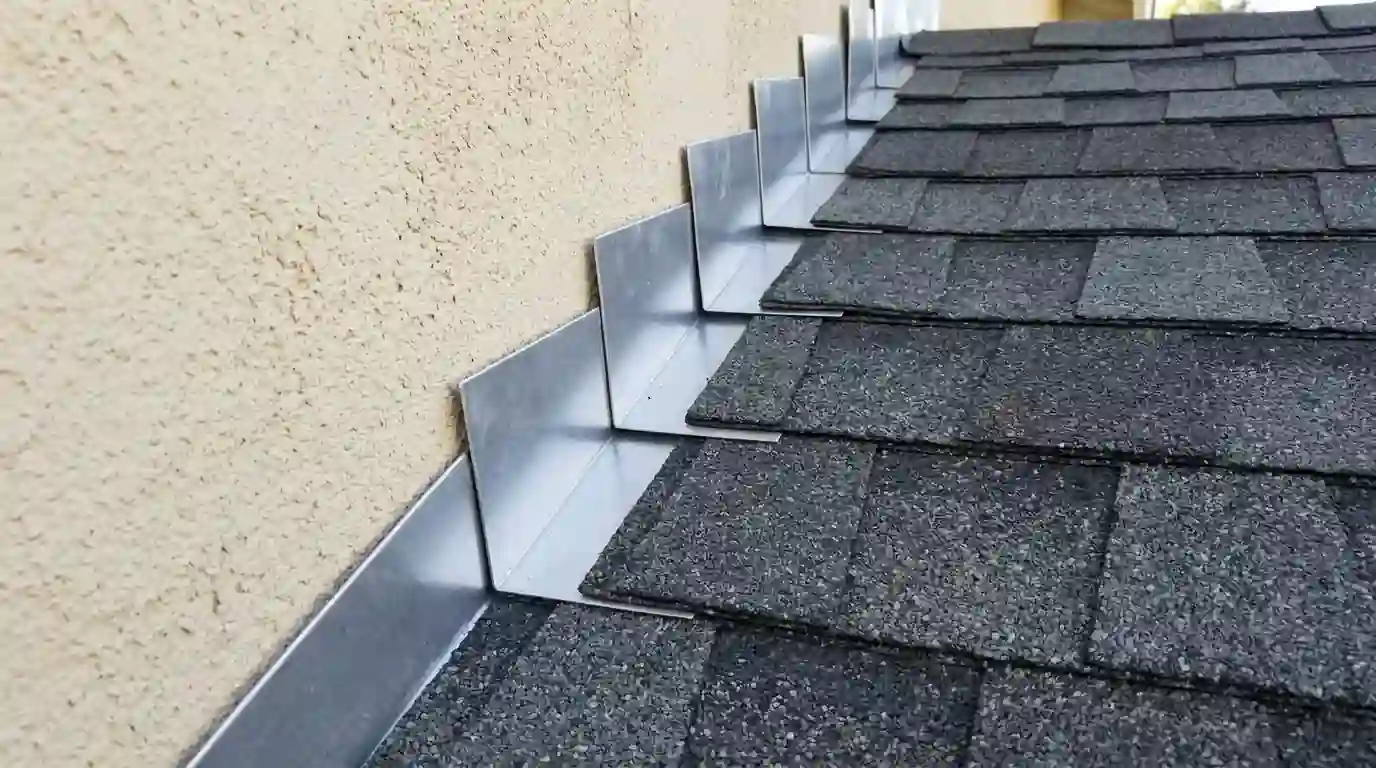
We open the transition, inspect the decking and framing, then rebuild it with step flashing and counterflashing set into the wall. Our flashing repair is designed to hold without depending on caulk. You'll see photos of each stage.
Is your low-slope addition carrying the wrong material?
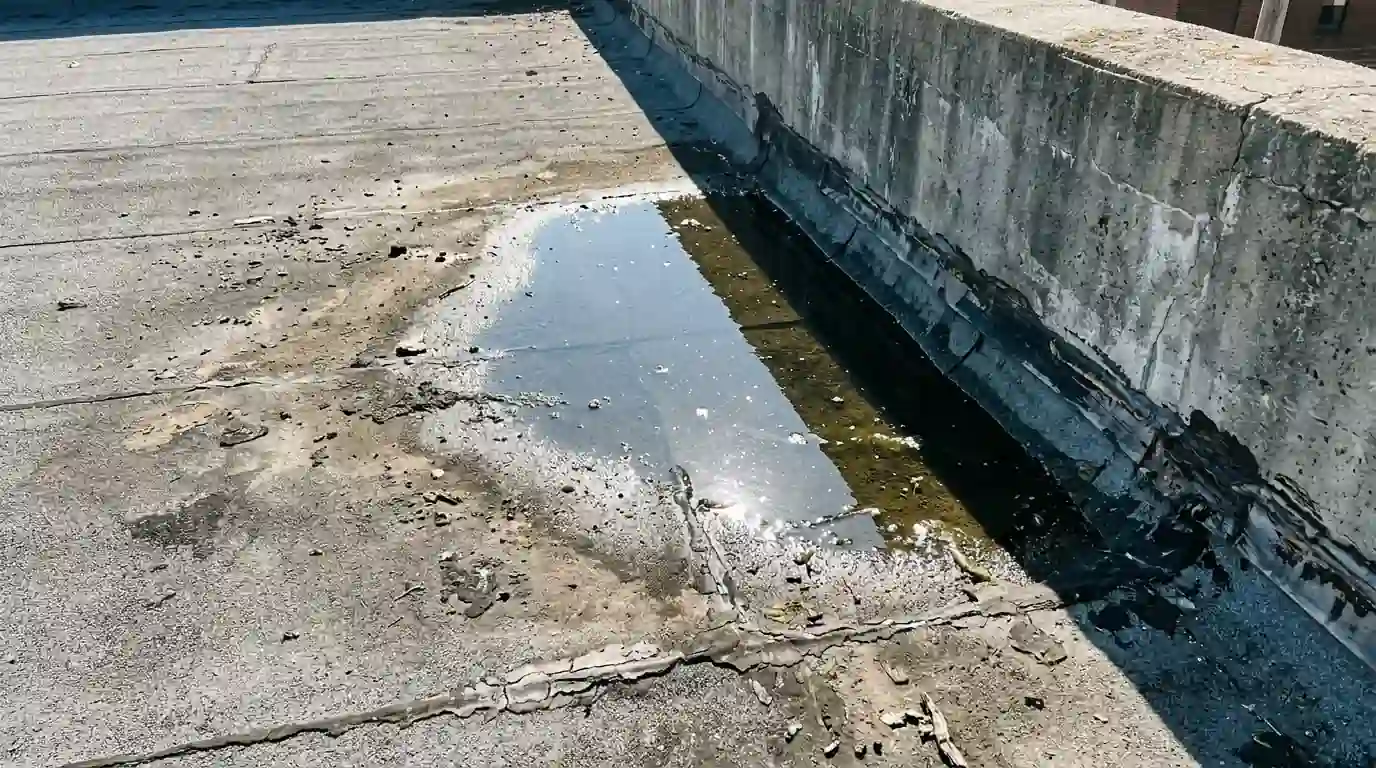
Shingles need enough slope to shed water. Many Leon Valley additions are close to flat, but builders still covered them with shingles or cheap rolled roofing. Water pools, gets under the edges and finds the deck. That's often why a sunroom or den leaks while the rest of the house stays dry.
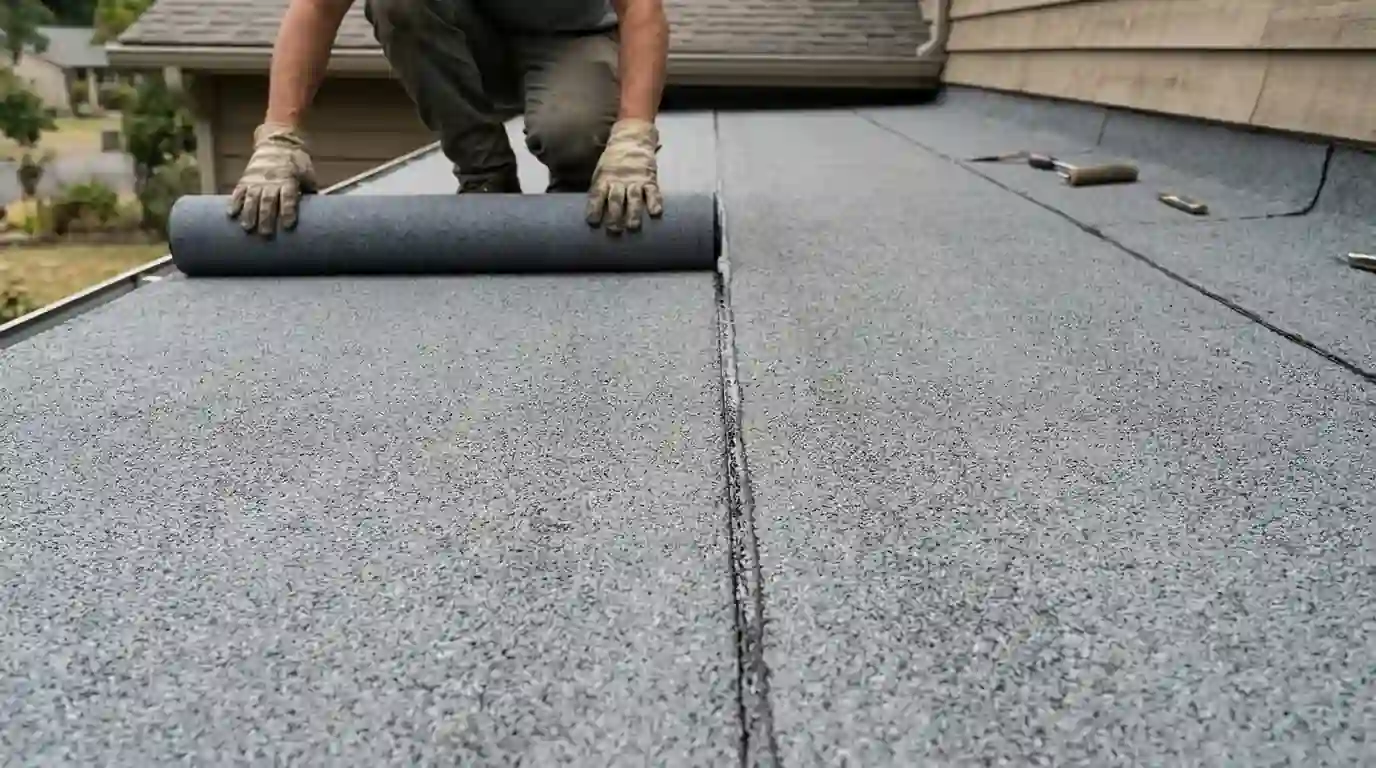
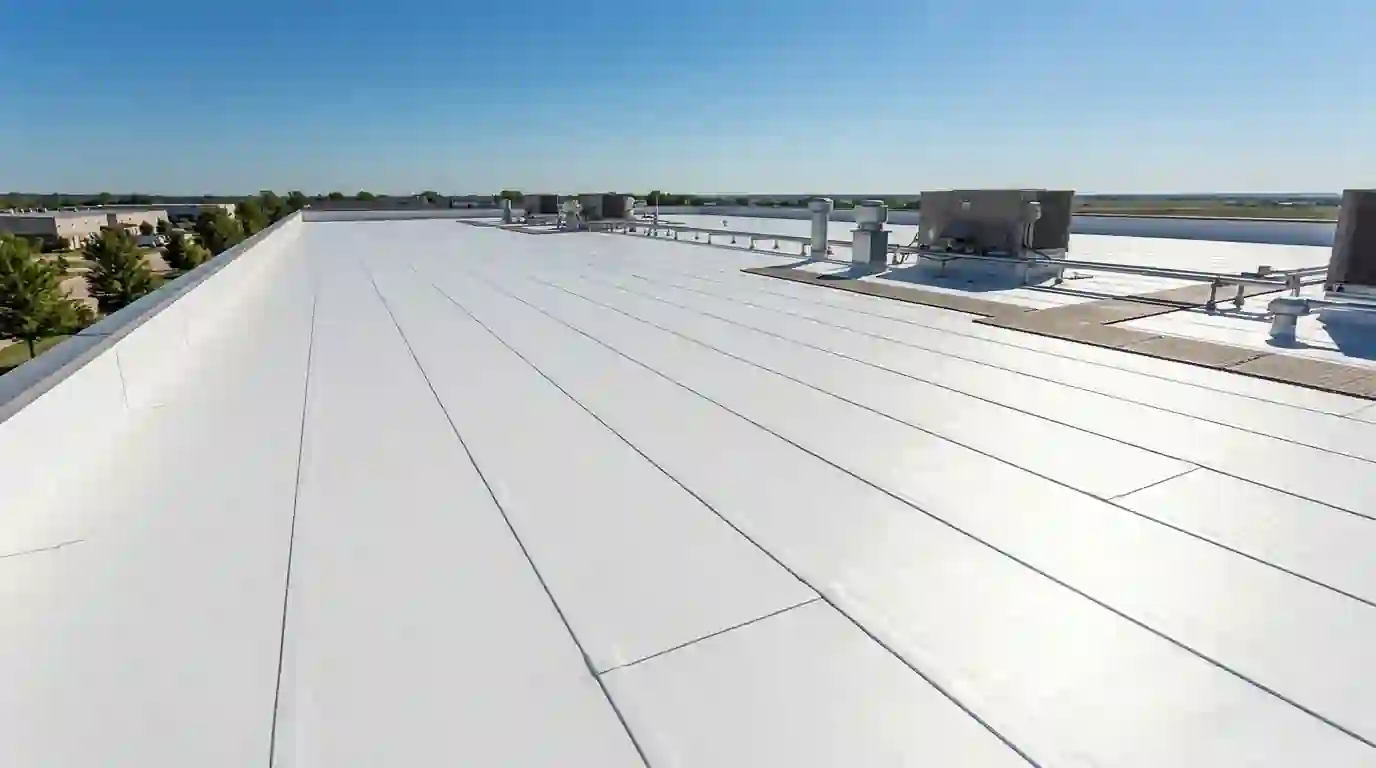
For these sections we usually recommend modified bitumen or a TPO membrane, depending on the pitch and how it ties into the main roof. Both handle standing water far better than shingles. We tie the membrane under the main roof's shingles so water flows from one onto the other.
Heavy rain near Huebner Creek and what it reveals
Leon Valley gets the same spring hail as the rest of northwest Bexar County, but heavy downpours are just as hard on its roofs. A fast, heavy rain overwhelms small gutters and finds every weak transition. If your leaks only show in big storms, the culprit is often an overloaded valley or a gutter that dumps onto a lower roof.
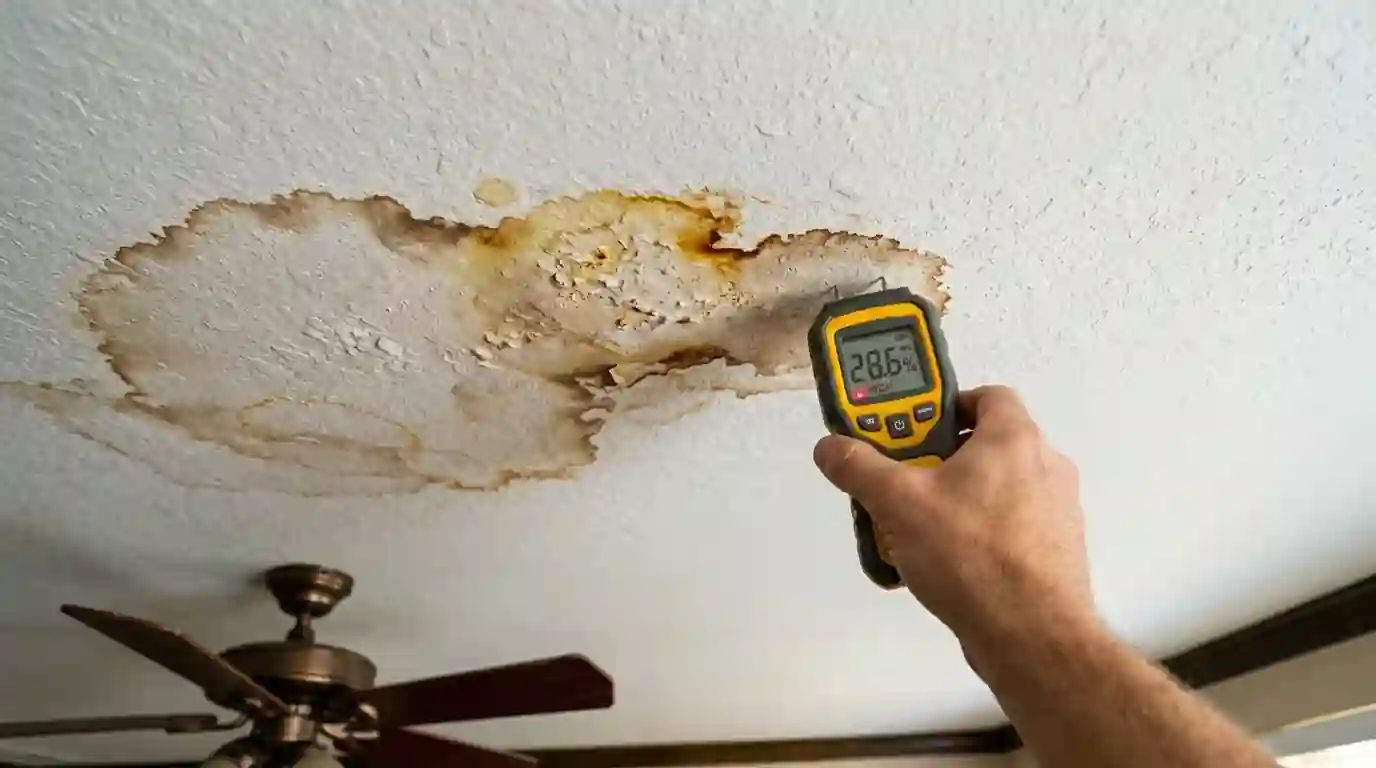
Pipe boots and vent flashing on these homes are usually decades old too. A cracked boot on the back slope can drip into a wall cavity for months before anyone notices a soft spot in the drywall. We replace boots and reseal vents as part of any repair visit, since it costs little while we're already on the roof.
We look at how water moves across the whole roof, not just where it drips inside. Sometimes the fix is a diverter or a larger downspout rather than new shingles. To get it checked, give us a call at (210) 750-1898.