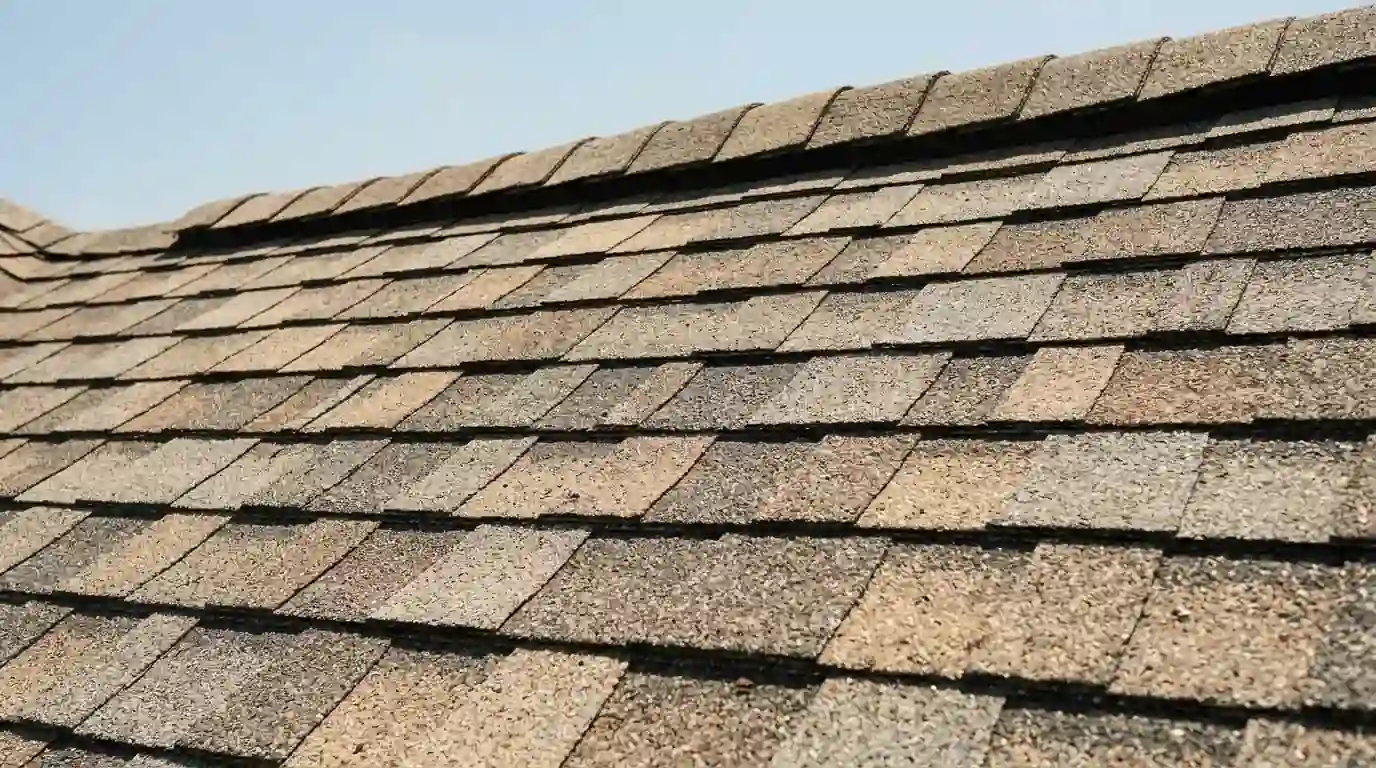
Why architectural shingles replaced three-tab on most San Antonio roofs
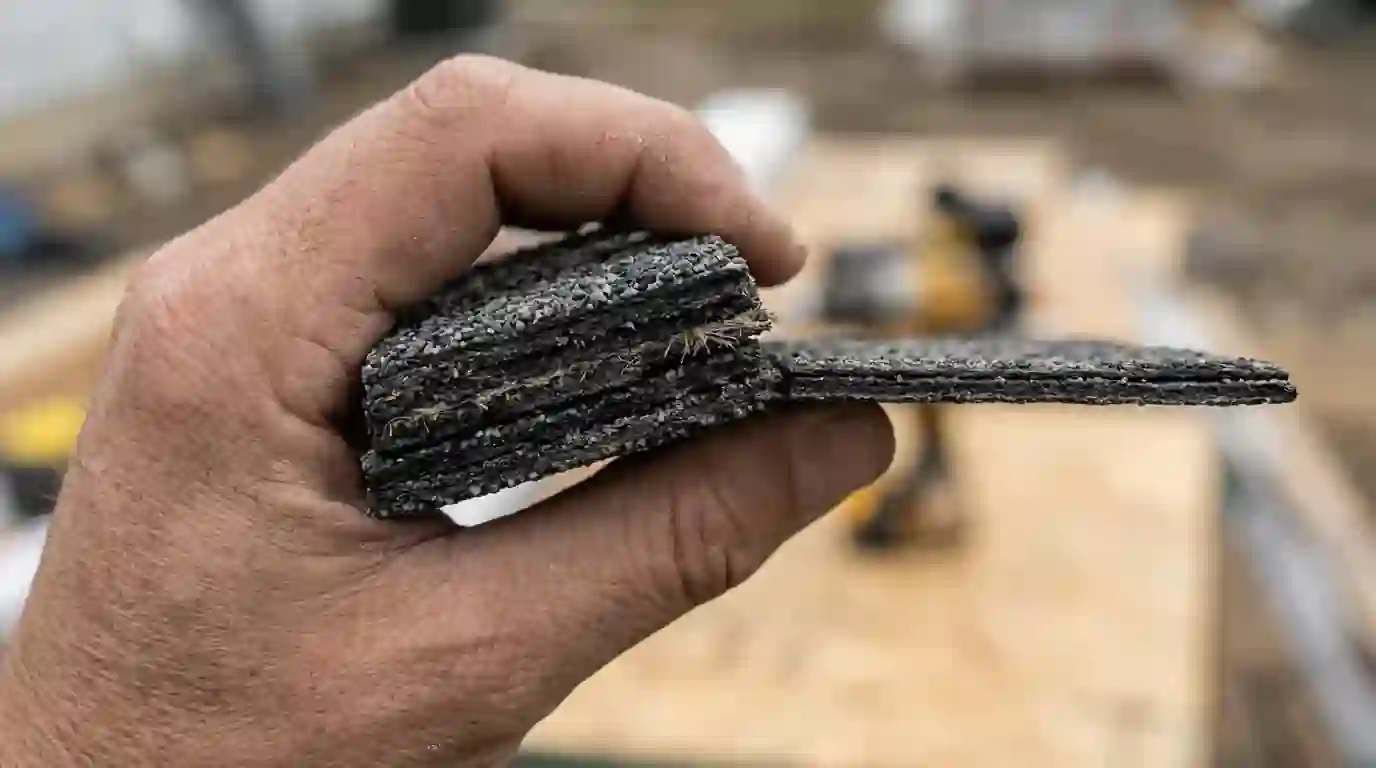
Three-tab shingles are a single flat layer cut into tabs. Architectural shingles are two or more layers laminated together, which gives the roof a shadowed, textured look and a heavier, stiffer shingle. That extra weight and thickness help them resist wind lift and hide minor deck waves. Most manufacturers have dropped three-tab from their main lines, and it's now mostly used as starter material.
On a typical home, the price gap between basic and premium architectural lines is modest compared to the total job. The bigger choices are wind rating, impact rating and color. If hail is your main worry, our Class 4 shingle options cover the UL 2218 rated lines and the insurance discount Texas requires insurers to offer.
Does shingle color matter in a San Antonio summer?
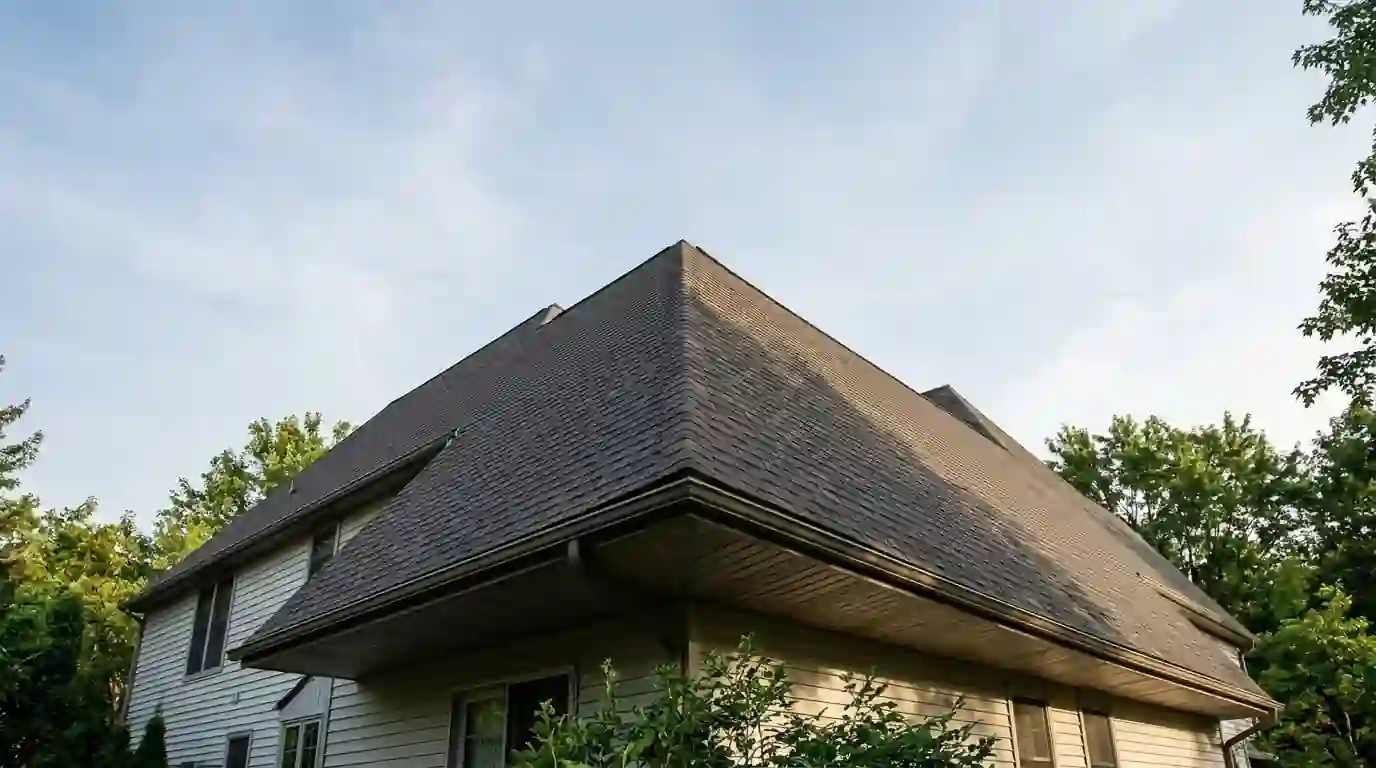
It does. A dark charcoal or black shingle absorbs more sun and runs noticeably hotter on the surface than a light weathered wood or gray. Heat speeds up the drying of the asphalt, which leads to granule loss and brittleness over the years. Several manufacturers offer reflective cool-roof colors that bounce back more sunlight while still looking like ordinary shingles.
Color is also a matter of HOA rules in many north side communities. Some limit you to a short list of earth tones, and a few have specific approved product lines. We help you pull spec sheets and samples for the committee. Our guide to HOA roof approvals explains what most boards ask to see.
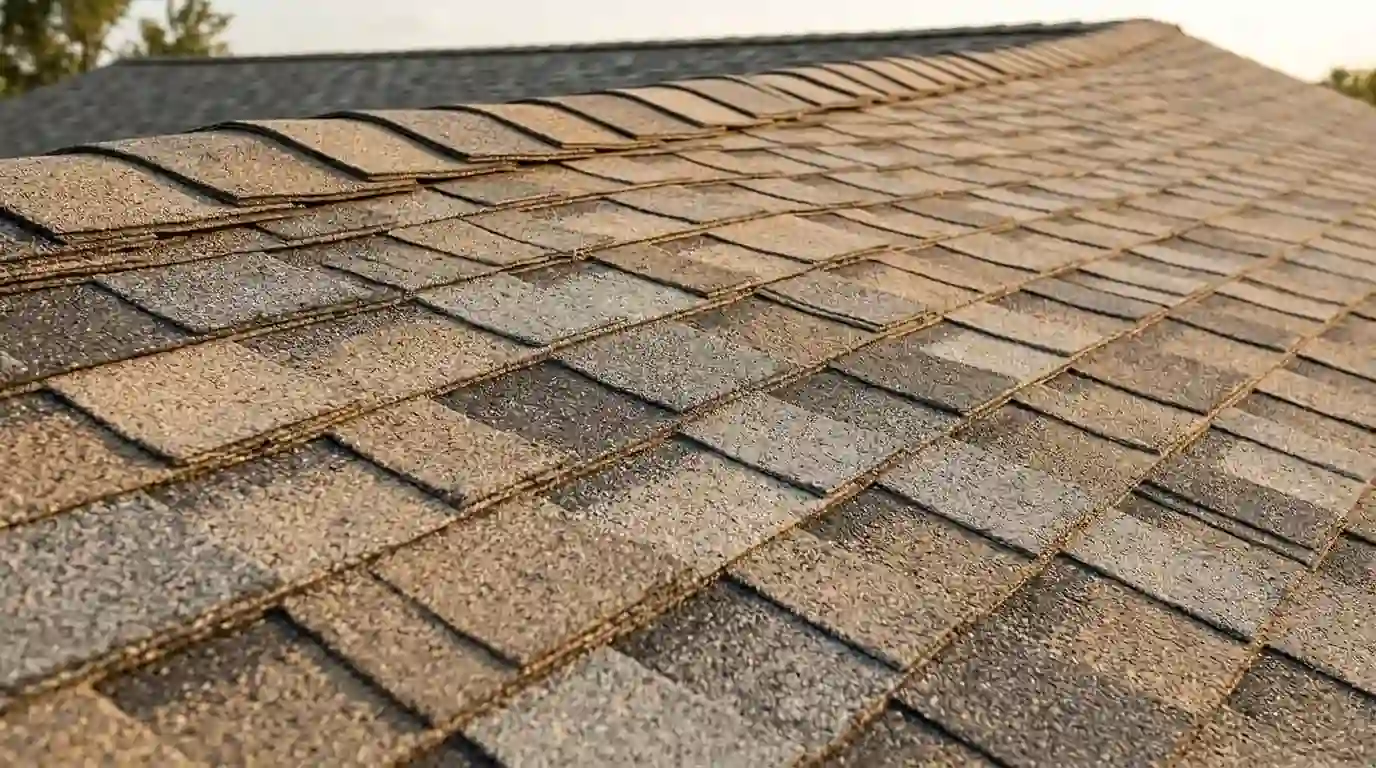
Starter, ridge and hip pieces: the parts that keep shingles on
Wind usually lifts a shingle roof at the edges first: the eaves, the rakes and the ridge. That's why the manufacturer's starter strip, with its factory sealant line, matters so much. It glues down the first course along every eave and rake. Cutting the tabs off old three-tab shingles and flipping them upside down, a common shortcut, puts the sealant in the wrong spot.
Ridge and hip caps should be the matching cap product, not cut-up field shingles. Purpose-made caps are thicker and pre-bent to resist cracking in cold snaps. Most shingle makers also require their own starter and caps for their stronger wind ratings to apply. We list every component line by line in your written scope so you can see exactly what's going on the roof.
Nailing and sealing for spring wind
Most architectural shingles call for four nails in normal conditions and six in high-wind installations. We use six on most San Antonio roofs, set in the manufacturer's nailing zone, driven flush rather than overdriven. A nail driven too high misses the shingle underneath, and one driven too deep cuts the mat. Either can let a shingle blow off in a straight-line wind.
New shingles rely on heat from the sun to activate the sealant strips. In summer that happens within days. Shingles installed in a winter cold snap may take longer to bond, and a strong gust before then can lift edges. If you've had tabs creasing or lifting on an older roof, our repairs for lifted and creased shingles explain how we judge whether they can be saved.
Getting the most years from a shingle roof in South Texas
Asphalt shingles here rarely live as long as the number on the wrapper suggests. Attic heat, UV and hail all chip away at them. Good ventilation is the biggest factor you control, since a roof sitting over a 150-degree attic ages from both sides. Clean gutters, trimmed oak limbs and quick repairs to small hail spots add years too. So does keeping foot traffic off the roof in July, when hot shingles scuff and lose granules under a boot.
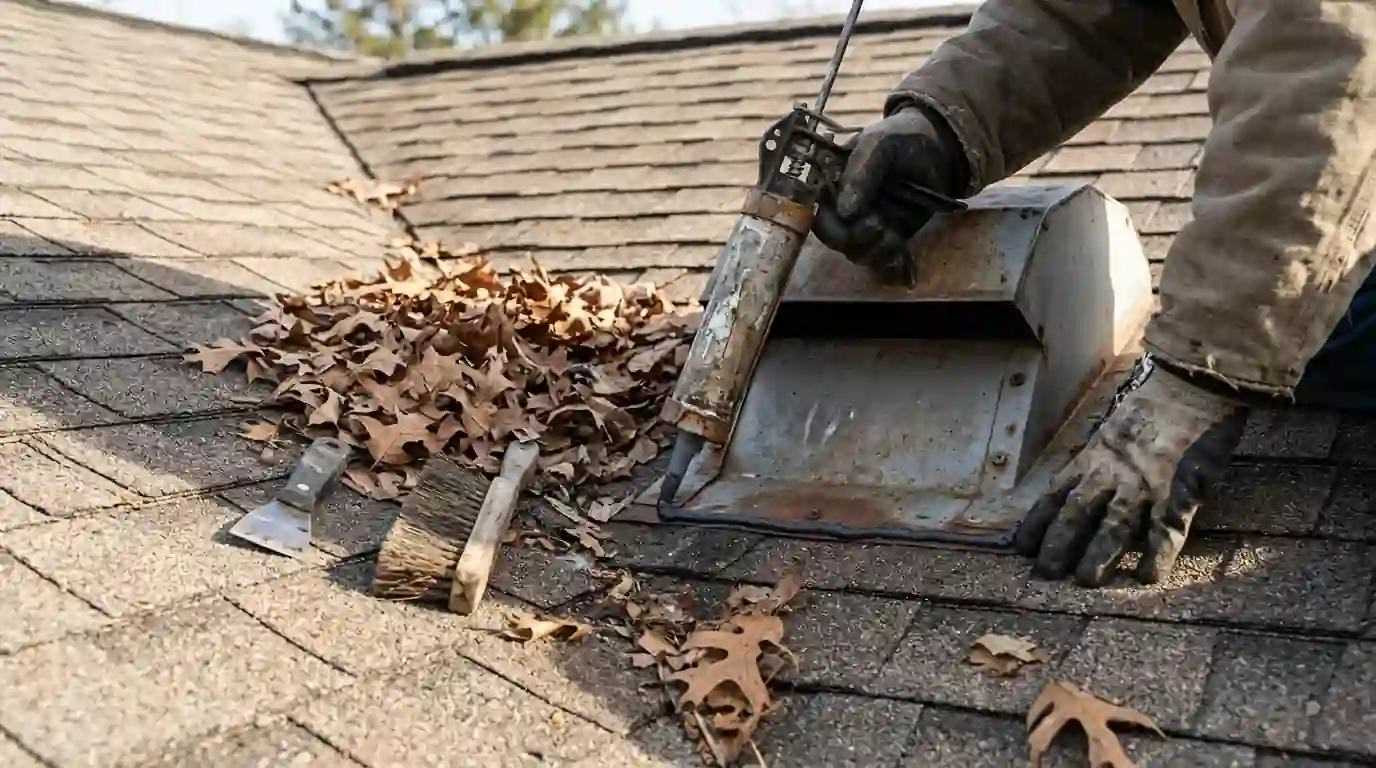
Our article on roof lifespans in South Texas heat lays out realistic ranges by material. A spring and fall check, done before hail season and after leaf drop, catches lifted tabs, cracked boots and loose flashing before they turn into ceiling stains.