Skip to content
Ortiz RoofingSan Antonio, Texas 24/7(210) 750-1898

Roof edge carpentry

Fascia and soffit repair in San Antonio that closes the gaps animals use

The boards along your roof edge carry the gutters, close off the attic and take the brunt of water that misses the gutter. When they rot or get chewed open, squirrels and raccoons move in. We replace the damaged wood, close entry points and finish the edge so it lasts.

  • Phones answered 24/7
  • Inspections, Vents & Gutters
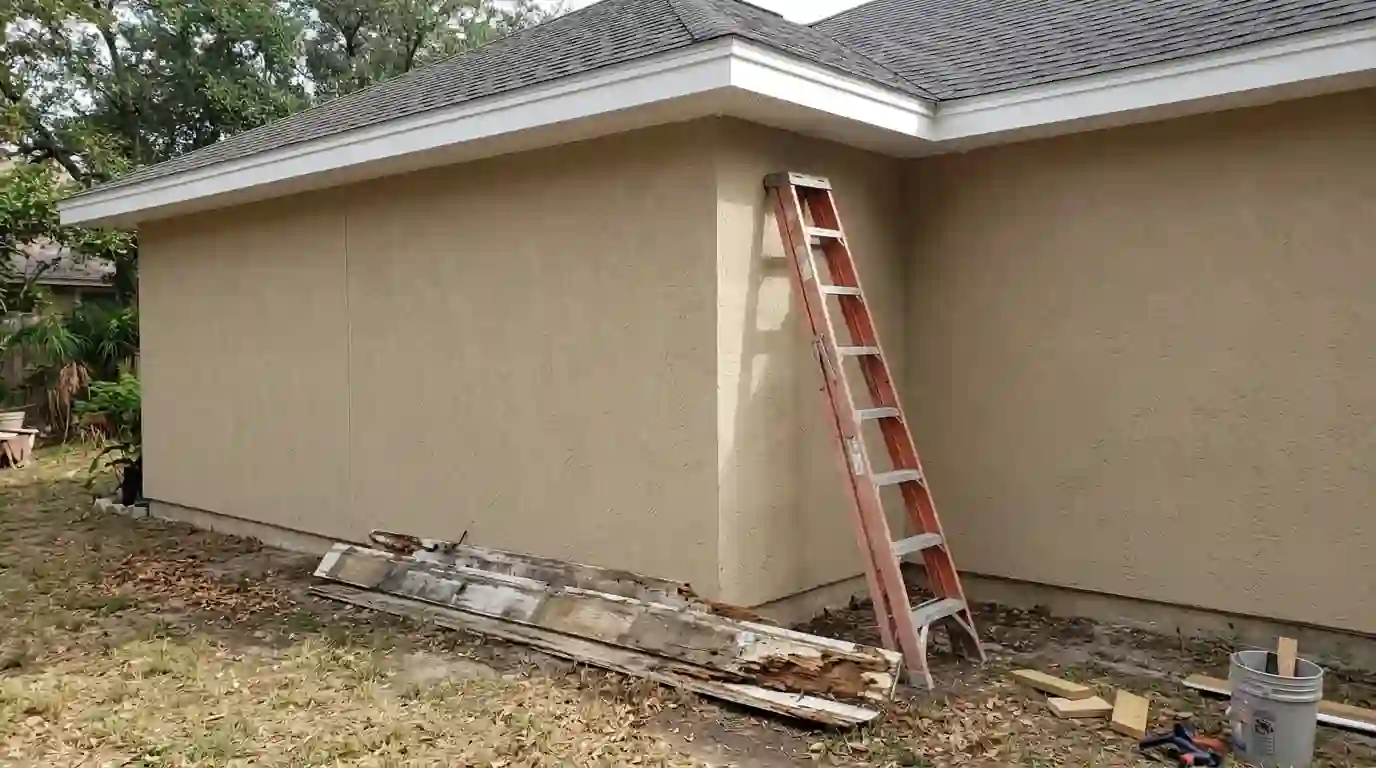
New primed fascia board and vented soffit panel installed at the corner of a San Antonio stucco home, old chewed board on the ground, ladder against the wall
Typical San Antonio range$385 to $2,150
Short answer

Fascia and soffit repair in San Antonio typically costs $385 to $2,150. Fascia is the vertical board along the roof edge that holds the gutter, and soffit is the underside of the overhang. We cut out rotted or chewed sections, replace them with primed wood or fiber cement, close animal entry gaps with sturdy material and can wrap fascia in aluminum to protect it from future water.

What causes fascia boards to rot?

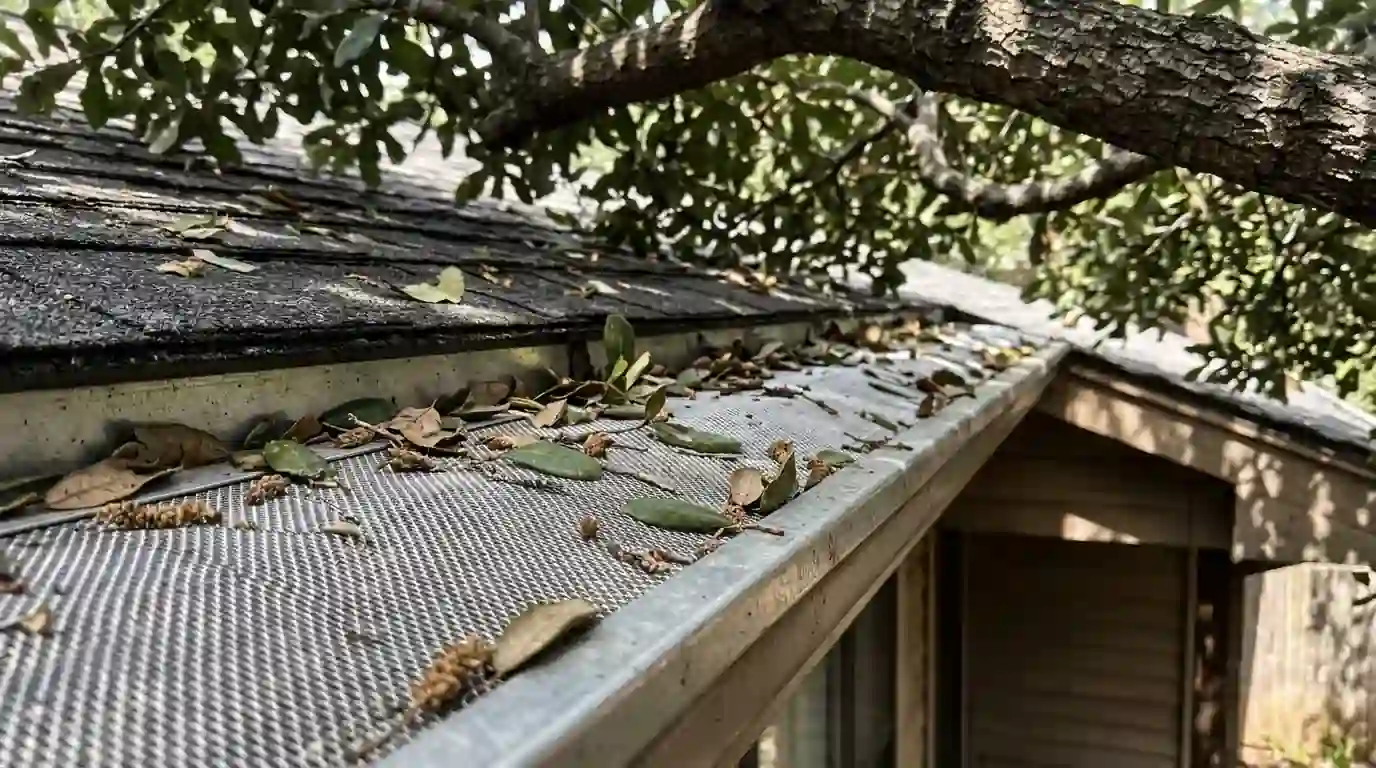
Most fascia rot starts with water that gets behind the gutter. Missing or short drip edge lets roof runoff wet the top of the board, and clogged gutters overflow backward into the wood. Paint cracks in the summer sun, water soaks in at the joints, and the board softens from the inside out.

Roof corners and the ends of valleys get the most water, so rot usually shows up there first. We probe each section with an awl and replace only what's soft, scarfing new boards into sound wood. Fixing the cause is part of the job, so we add or correct drip edge and make sure the gutter is hung to catch water properly.

How do squirrels and raccoons get in through the soffit?

Squirrels look for any soft corner or gap at the roof edge and chew it wider. Common entry points are where the soffit meets the fascia at roof corners, gaps at roof returns on stucco and brick homes, and loose vent screens. Raccoons are stronger and will pull back loose soffit panels or rotted boards to get into the attic.

Once inside, they shred insulation, chew wiring and leave droppings. If animals are still in the attic, a wildlife removal company should handle them first, and we can coordinate timing. Then we close the openings with solid wood or fiber cement, metal flashing at chewed corners and heavy screen behind soffit vents so they can't chew through again.
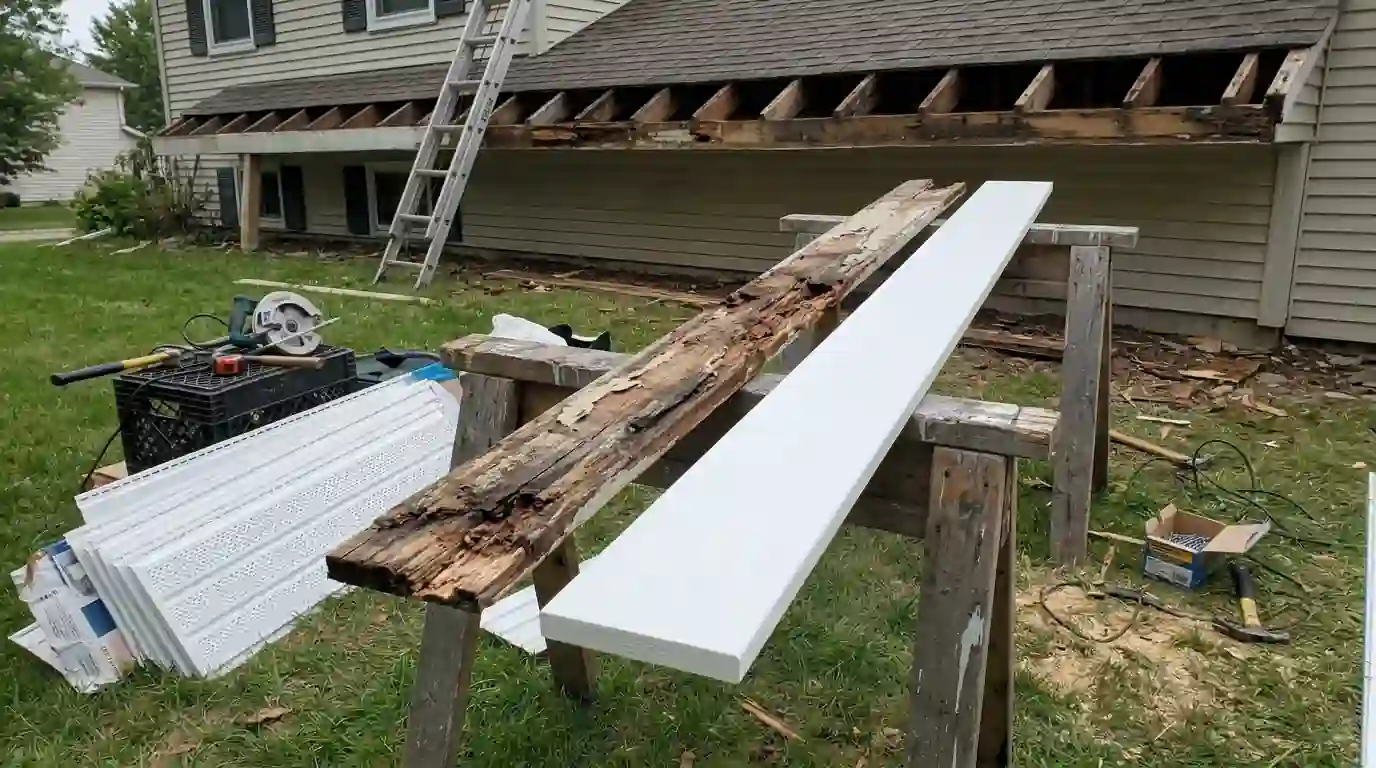
Rotted fascia board removed beside a new primed board and vented soffit panel ready to install
Fascia & Soffit Repair on a San Antonio area home.

Wood, fiber cement or aluminum wrap: which should you choose?

Primed wood is the most common fix and matches existing trim easily. It needs regular painting to stay protected. Fiber cement boards resist rot and insects better than wood, hold paint well and suit homes with fiber cement siding. They're heavier and need more careful cutting, which shows in the price.

Aluminum wrap covers new or sound wood fascia with a bent metal skin in a baked-on color. It sheds water, doesn't need painting and holds up well in our sun. Wrapping rotted wood only hides the rot, so we replace soft boards first and wrap afterward. Vinyl or aluminum soffit panels with built-in vents are an option on many homes too.

  • Primed wood suits historic homes and trim that will be painted to match.
  • Fiber cement resists rot and termites and holds paint for years.
  • Aluminum wrap protects sound fascia from water and skips repainting.
  • Vented soffit panels add attic intake while closing off old gaps.

How do soffit repairs affect attic airflow?

Soffits are where most attics take in fresh air. When we replace soffit boards or panels, we make sure vents are included and open, not painted over or blocked by insulation inside. Closing off an animal entry point should never mean sealing off the attic's intake, or the attic will run hotter in summer.

Where vent area is lacking, we can add vented panels or new soffit vents as part of the repair. If the whole attic is short on intake or exhaust, that's a bigger job handled under attic intake and ridge vent balancing. We'll tell you if what we see during the soffit work points that way.

What should happen to the gutters during fascia work?

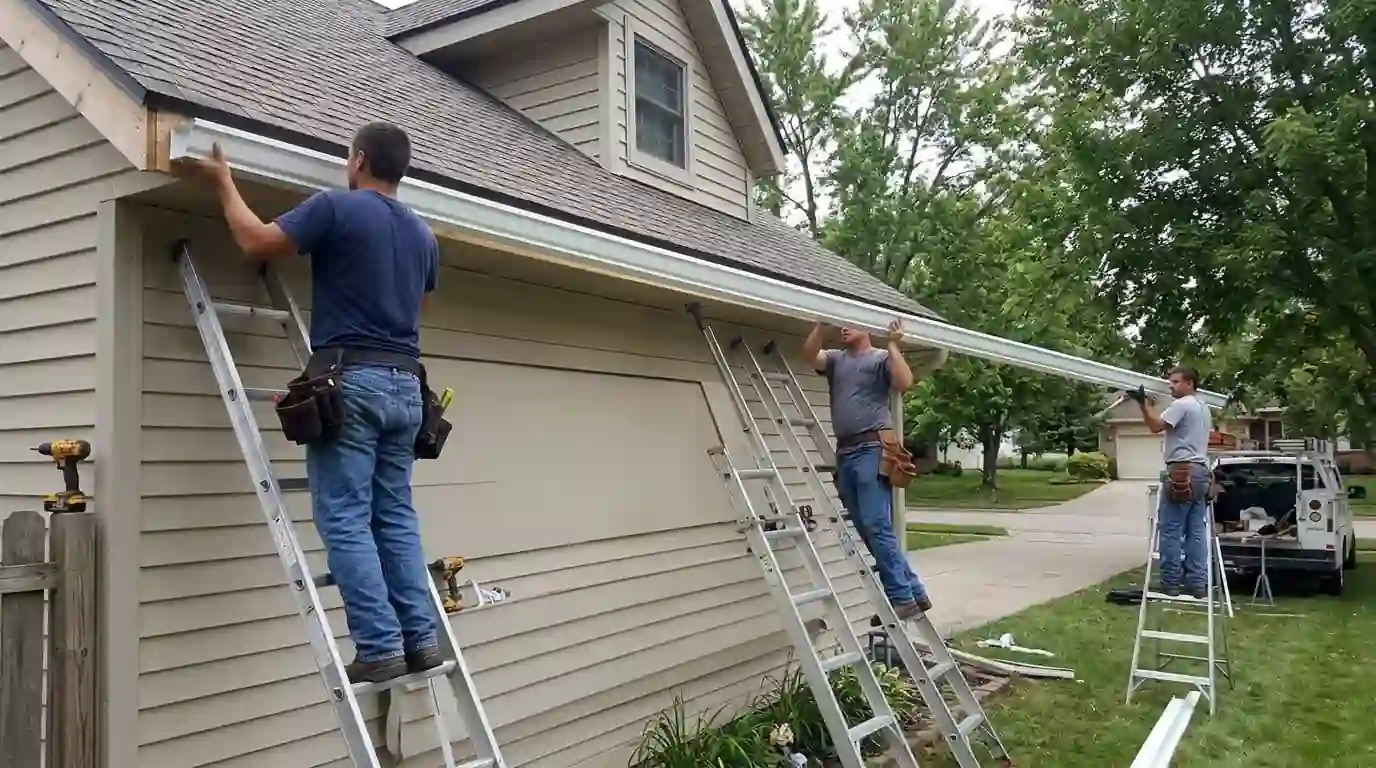
Gutters hang on the fascia, so replacing fascia means taking them down. If the gutters are in good shape, we remove them carefully, replace the boards and rehang them with new screw-in hangers. That's also a good moment to fix sagging sections and leaking corners, which falls under our gutter repair and guard work.

If the gutters are old, dented or undersized, it often makes sense to swap them at the same time and avoid handling them twice. We can roll new seamless aluminum gutters on site right after the fascia is finished. Call (210) 750-1898 and we'll look at the roof edge and gutters together.

Which San Antonio homes see the most fascia and soffit damage?

Homes under large live oaks see the most animal activity, since branches give squirrels a direct path to the roof edge. Older homes with original wood trim and no drip edge tend to have the most rot, especially at corners that face the prevailing rain. Two-story homes often hide damage on upper eaves that nobody looks at closely.

Homes with stucco or stone walls have their own weak spot where the roof return meets the wall. Gaps there are easy for animals to find and hard to see from the ground. Trimming limbs back several feet from the roofline after a repair makes it much harder for squirrels to return.
Warning signs

Signs your roof needs fascia & soffit repair

Soft or crumbling fascia

Wood that gives under a screwdriver or flakes at the corners has rot inside.

Peeling paint at roof edges

Bubbling, peeling paint on fascia usually means water is getting into the wood.

Chewed holes at corners

Ragged openings where soffit meets fascia are a classic squirrel entry point.

Noises in the attic

Scratching or thumping overhead at dawn or dusk often means animals are getting in at the eaves.

Sagging soffit panels

Drooping or loose soffit sections can be water damaged or pulled down by raccoons.

Gutters pulling away

Gutters that won't stay tight to the house often have rotted fascia behind them.

From first call to finished roof

How we handle fascia & soffit repair from start to finish

  1. Step 1

    Probe and photograph

    We check fascia and soffit along every roof edge and photograph rot and entry points.

  2. Step 2

    Remove gutters if needed

    Gutters are taken down carefully where fascia boards must be replaced.

  3. Step 3

    Cut out damage

    Rotted or chewed sections are cut back to sound wood.

  4. Step 4

    Install new material

    New wood or fiber cement boards are fitted, and vented soffit panels go in where needed.

  5. Step 5

    Seal entry points

    Corners and returns get metal flashing and vents get heavy screen to stop chewing.

  6. Step 6

    Finish and rehang

    Fascia is primed or wrapped, drip edge is corrected and gutters are rehung.

What fascia & soffit repair usually costs in San Antonio

Fascia and soffit repair in San Antonio typically runs $385 to $2,150. Your price depends on how much wood is damaged, the material you choose and whether gutters must come down, confirmed after we look.

Line itemTypical range
Replace up to 16 ft of wood fascia$385 to $645
Soffit section repair with vent screen$315 to $585
Animal entry corner rebuild with flashing$265 to $495
Fiber cement fascia, per linear foot$14.65 to $22.85
Aluminum fascia wrap, per linear foot$7.45 to $11.90
Gutter removal and rehang during repair$4.35 to $6.85 per ft

What moves the price

  • The amount of rot found behind the gutters sets most of the cost.
  • Fiber cement and aluminum wrap cost more upfront but need less upkeep than painted wood.
  • Two-story eaves need extra ladder or lift setup.
  • Removing and rehanging gutters adds time when fascia is replaced.
  • Custom profiles on historic trim take longer to match by hand.

Ranges are typical, not quotes. Your price depends on the roof we see at the inspection. See every service side by side in the roofing cost guide.

Materials we install and repair

  • GAF
  • Owens Corning
  • CertainTeed
  • Malarkey
  • TAMKO
  • Atlas Roofing
  • IKO
  • Eagle Roofing
  • Westlake Royal
  • DaVinci Roofscapes
  • Englert
  • Carlisle
  • Velux
  • Solatube
  • GAF
  • Owens Corning
  • CertainTeed
  • Malarkey
  • TAMKO
  • Atlas Roofing
  • IKO
  • Eagle Roofing
  • Westlake Royal
  • DaVinci Roofscapes
  • Englert
  • Carlisle
  • Velux
  • Solatube
  • GAF
  • Owens Corning
  • CertainTeed
  • Malarkey
  • TAMKO
  • Atlas Roofing
  • IKO
  • Eagle Roofing
  • Westlake Royal
  • DaVinci Roofscapes
  • Englert
  • Carlisle
  • Velux
  • Solatube

Answers

Fascia & Soffit Repair questions from San Antonio homeowners

Can fascia and soffit repair stop squirrels from getting into my attic?

It closes the openings they use. We rebuild chewed corners with solid material, add metal flashing where they tend to chew and fit heavy screen behind soffit vents. If animals are still inside, a wildlife removal company should take them out first so they aren't sealed in. Trimming nearby limbs helps keep them off the roof.

Should rotted fascia be replaced or just wrapped in aluminum?

Replaced. Wrapping hides rot but doesn't stop it, and soft wood can't hold gutter hangers. We cut out the rotted sections, install sound wood or fiber cement, and then wrap the fascia in aluminum if you want a low-maintenance finish.

Do my gutters have to come down for fascia repair?

Only along the sections where fascia is being replaced. We take those gutters down carefully, replace the boards and rehang them on new screw-in hangers. If the gutters are old or damaged, it can make sense to replace them at the same time rather than rehang them.

Will soffit repair affect my attic ventilation?

It should help, not hurt. We include vents or vented panels in repaired soffit sections and make sure insulation inside doesn't block them. Closing an animal entry gap never means closing off the attic's fresh air intake, which would make the attic run hotter.

How long does fascia and soffit repair take?

Small repairs, like one rotted corner or a chewed soffit section, usually take a few hours. Replacing fascia along a full side of the house with gutter removal and rehanging can take a full day. Larger whole-house jobs or fiber cement installs may run two days.

Related work

Other roof work that often goes with this job

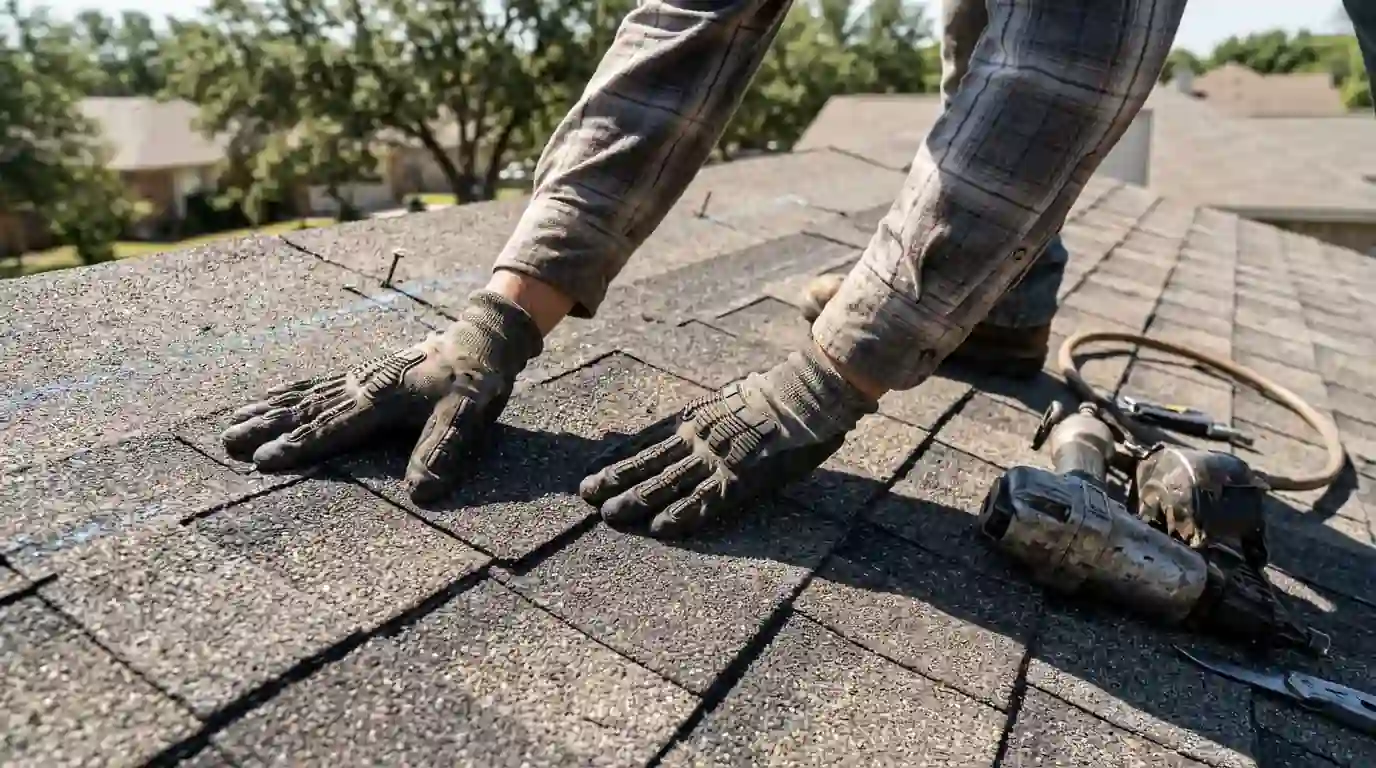
Close view of a roofer's gloved hands pressing a replacement architectural shingle into place on a sunny San Antonio ranch home roof, nail gun beside it

Roof Repair

Fixes for lifted shingles, nail pops, cracked ridge caps and small storm spots, with a straight answer on repair versus replacement.

Learn more

Roof trouble today? Talk to a roofer now.

Our phone line is answered 24/7. Tell us what you see and we will tell you the next step, even if that step is a tarp tonight and a full inspection tomorrow.

Call (210) 750-1898Answered 24 hours a day
Call (210) 750-189824/7