Skip to content
Ortiz RoofingSan Antonio, Texas 24/7(210) 750-1898

City of San Antonio

Roof repair and replacement across San Antonio (78205)

From our office at 527 E Houston Street, we cover a city where a 1920s bungalow and a 2019 tract home can sit 20 minutes apart. Each needs a different roof plan, and hail, heat and trees hit them all in their own way.

Local coverage

78205San Antonio, TX
County
Bexar County
Phones
Answered 24/7
Office
527 E Houston St, San Antonio

Most requested here

Call (210) 750-1898
Short answer

We repair, inspect and replace residential and light commercial roofs across San Antonio, from the historic core inside Loop 410 to the newer subdivisions past Loop 1604. Most work starts with an inspection, photos of every slope and a plain explanation of what failed. Prices depend on the roof, so we set a range only after we've been up on it.

At a glance

Roofing facts for San Antonio at a glance

Homes
1920s to 1950s bungalows and ranch homes in the central city; 1980s to 2020s subdivisions toward and beyond Loop 1604
Typical roofs
Architectural asphalt shingles dominate, with concrete and clay tile on the north side, metal on ranch homes, and low-slope sections on older additions
Landmarks and roads
Loop 410, Loop 1604, I-10, I-35 and US-281 frame how we route across the city
Weather and trees
Spring hail from March to June, summer attic heat past 140 degrees, and live oak limbs over roofs
Access and rules
Local historic districts need Office of Historic Preservation review for exterior changes; master-planned areas add HOA approval for color and material

What the San Antonio climate does to a roof over time

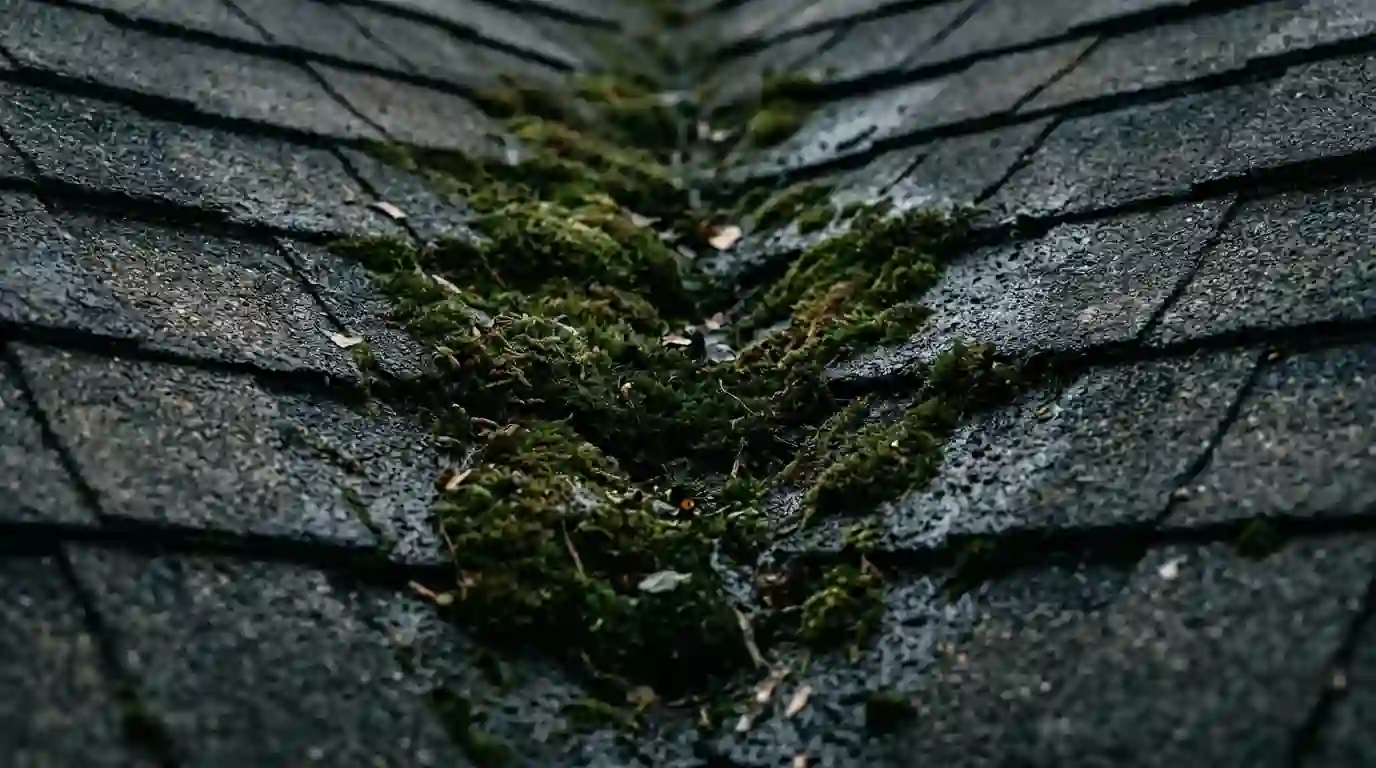
Three forces wear roofs down here. Hail arrives mostly between March and June, and the April 12, 2016 storm showed how hard it can hit the north and west sides. Summer turns attics into ovens, with temperatures commonly passing 140 to 150 degrees, which bakes asphalt from below. Then there are the live oaks, dropping leaves into valleys and rubbing limbs across shingles every windy afternoon.

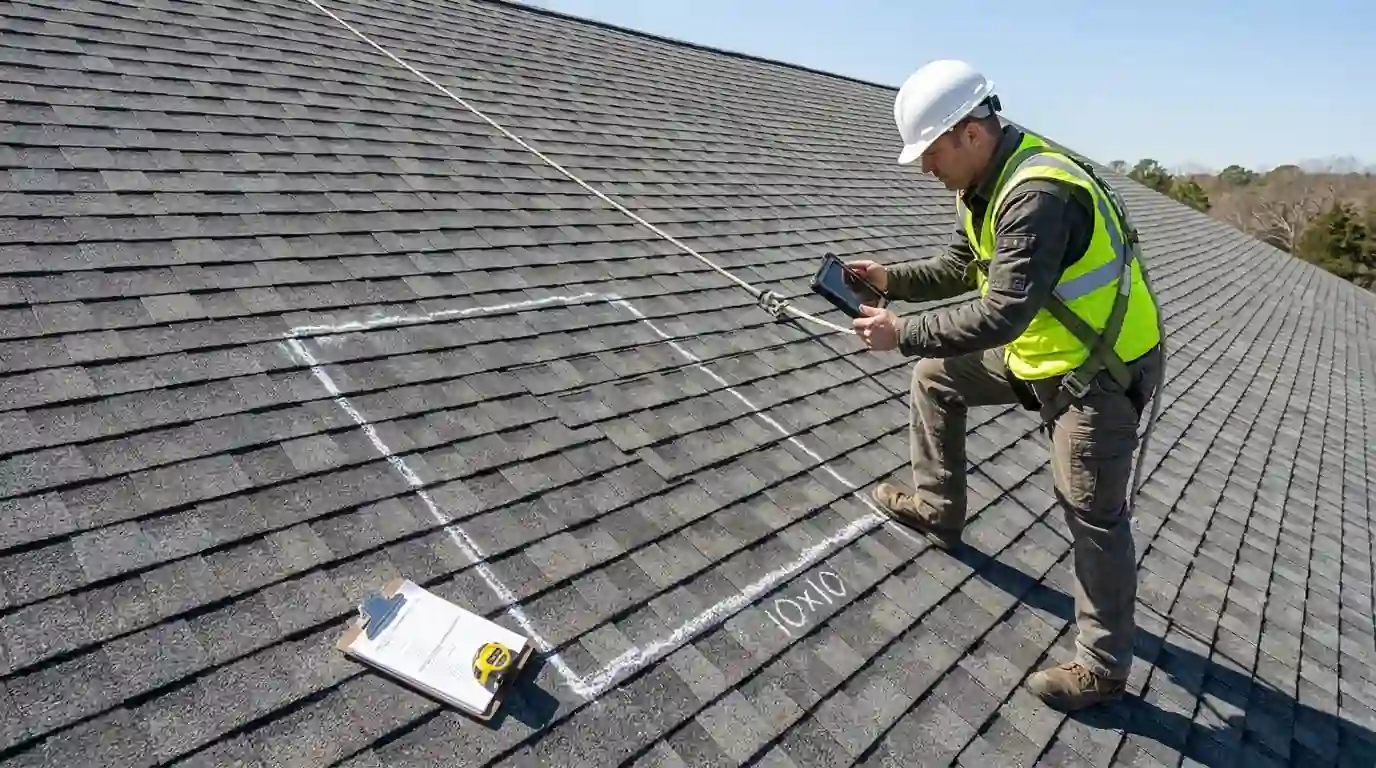
The result is that roofs here rarely fail from one cause. A shingle that's been cooked for twelve summers loses its flexibility, so a moderate hailstone that a newer roof would shrug off can fracture it. That's why we read the whole roof, not just the obvious hole, before we say repair or replace. Our post-storm roof inspection documents each slope so you can see the pattern yourself.

Which part of town you live in changes the roof you have

Inside Loop 410, a lot of homes date from the 1920s through the 1950s. Neighborhoods like the Monte Vista historic district and Alamo Heights carry clay tile, slate and old metal, often over original plank decking that needs careful handling. Homes in local historic districts need review by the City of San Antonio Office of Historic Preservation before exterior changes, so material choices carry extra weight.

North of Loop 1604, the picture shifts to master-planned communities from the 1990s on. In Stone Oak and the hills off US-281 you'll see concrete tile and dimensional shingles under HOA rules. Out west, tracts around Alamo Ranch near Culebra Road are reaching their first full replacement, which raises its own questions about decking, ventilation and shingle class.

Between those rings sit the 1950s and 1960s ranch homes of places like Castle Hills and Hollywood Park, with low-pitch additions, carports and decades of reroofs stacked on aging wood. Each neighborhood page on this site covers the roofs, trees and rules specific to that part of town.

How do hail claims work for a Texas roof?

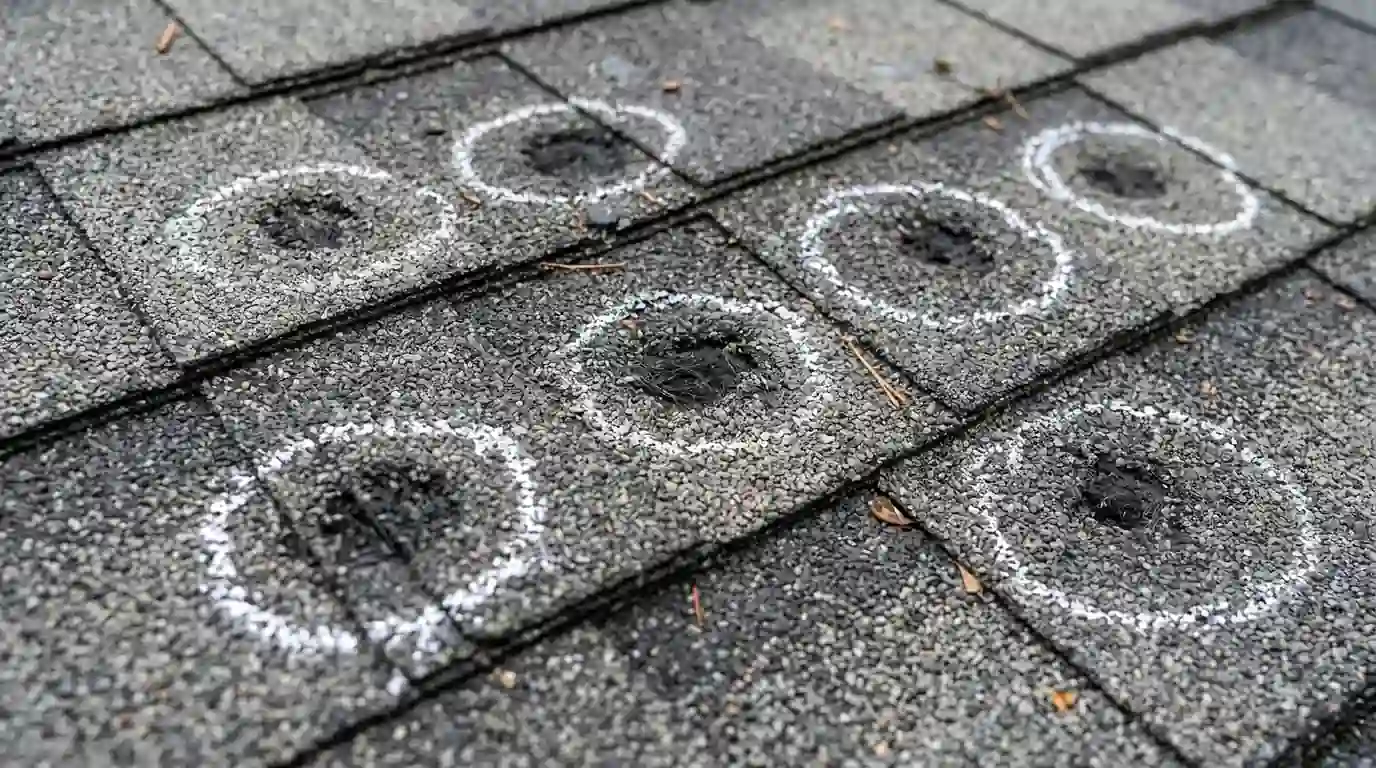
When hail is the cause, many homeowners go through their insurer. Texas law bars roofing contractors from acting as public adjusters and from waiving or rebating your deductible, so any offer to cover it is a red flag. What we can do is photograph the damage, meet the adjuster on the roof if you'd like, and walk you through the estimate line by line.

If you're replacing anyway, ask your insurer about impact-resistant roofing. Texas requires insurers to offer a premium discount for qualifying UL 2218 Class 4 roofs, and the amount varies by company. We'll explain where Class 4 shingles make sense and where tile or metal may serve you better.

What to expect when you phone our downtown office

Our line is answered 24/7, including during storms. For an active leak, we'll talk through what you can safely do inside, then get someone out to dry the roof in. For everything else, we set a visit, inspect the roof, attic and gutters, and send photos along with a written scope.

Pricing is never guessed over the phone. A simple repair on a single-story shingle roof costs far less than tile work on a steep two-story home, and the decking under the surface can change the job. Give us a call at (210) 750-1898 and tell us your neighborhood, and we'll take it from there.
Most requested

Roof services San Antonio homeowners call us for most

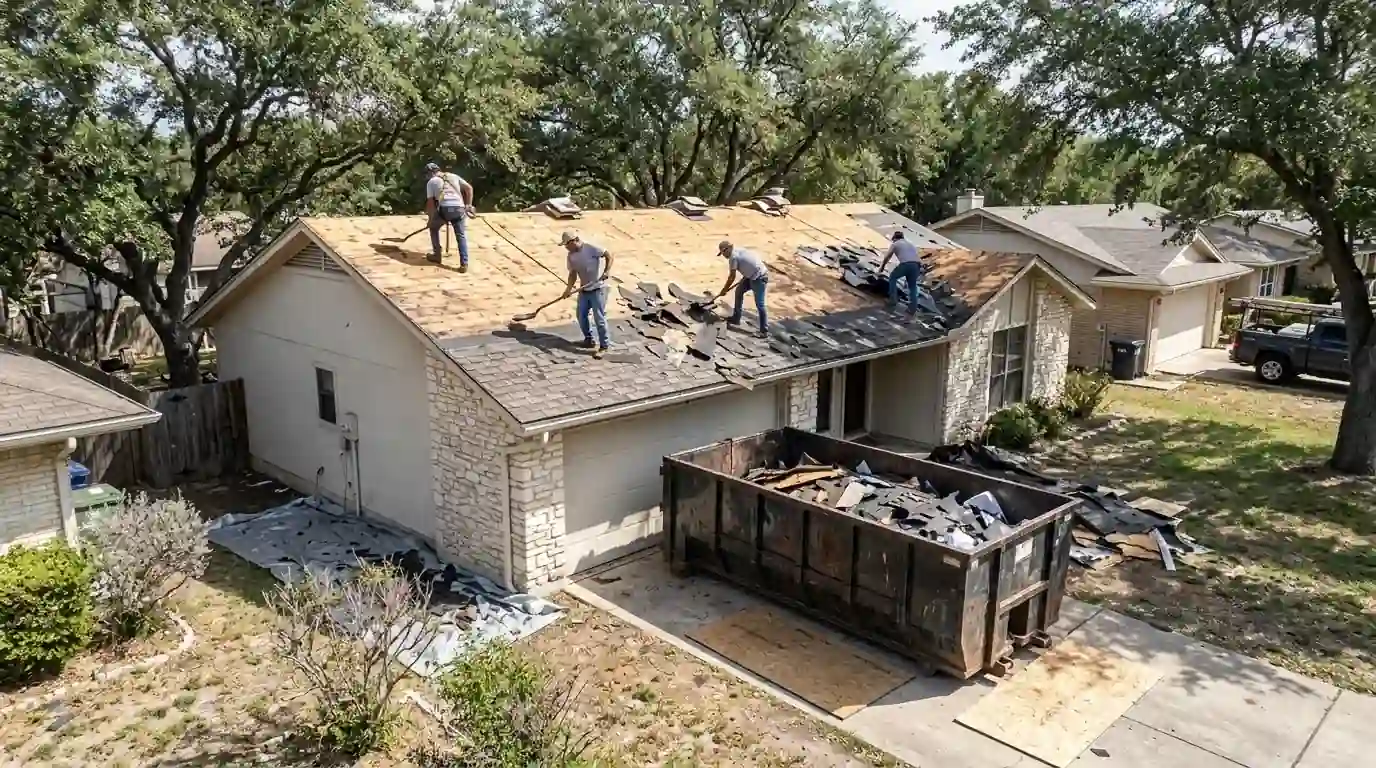
Crew tearing off old shingles down to the deck on a single-story San Antonio home, dumpster in the driveway

Roof Replacement

Full tear-off to the deck, new underlayment, drip edge, flashing and vents, then a magnet sweep of the yard before we leave.

Learn more
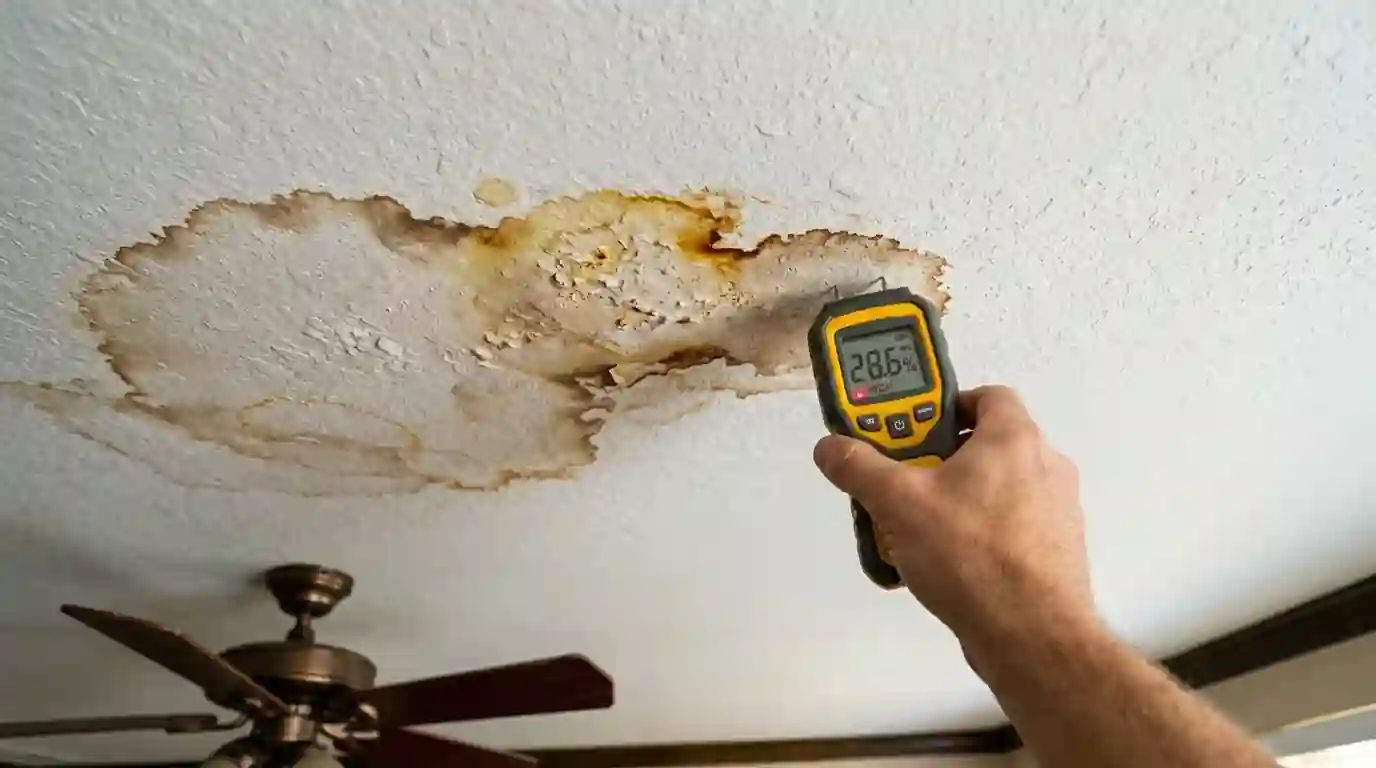
Brown water stain spreading across a white textured ceiling in a Texas living room, a moisture meter held up to the stain

Roof Leak Repair

We trace water from the ceiling stain back to its true entry point with attic checks and a moisture meter, then seal it for good.

Learn more
Cracked concrete S-tile lifted out of a roof with new underlayment showing beneath and a replacement tile ready

Tile Roof Repair

Cracked, slipped and broken hip tiles replaced, plus lift-and-relay underlayment work done without breaking the tiles around it.

Learn more

Answers

Roofing questions from San Antonio

Do you cover every part of San Antonio or only certain neighborhoods?

We work across the whole city and the surrounding Bexar County suburbs, from downtown and the near north side to Stone Oak, The Dominion, Alamo Ranch and Westover Hills. Several small incorporated cities inside the metro, such as Alamo Heights, Castle Hills and Shavano Park, run their own permits, and we handle that paperwork as part of the job.

Does a roof replacement in San Antonio need a permit?

Reroofing inside San Antonio city limits typically needs a permit, and homes in local historic districts also need review from the Office of Historic Preservation before exterior changes. The incorporated cities inside the metro set their own rules. We confirm which office covers your address before work starts and pull what's needed, so you aren't caught by a stop-work notice.

When is hail season in San Antonio?

Spring is the main window, roughly March through June, though storms can hit outside it. The April 12, 2016 storm is the one most locals remember because it battered the north and west sides. After any storm with hail you could hear on the roof, have it checked before the next rain, since bruised shingles may not leak right away.

How soon can you reach a leaking roof downtown or in the suburbs?

Our phones are answered around the clock, so you'll talk to a person even at 2 a.m. Timing depends on the weather and how many calls come in after a storm, but an active leak goes to the front of the line. We start with a temporary dry-in to stop the water, then plan the permanent repair once the roof is safe to work on.

Need a roofer in San Antonio?

Our phone line is answered 24/7. Tell us what you see and we will tell you the next step, even if that step is a tarp tonight and a full inspection tomorrow.

Call (210) 750-1898Answered 24 hours a day
Call (210) 750-189824/7