What gets done on a roof maintenance visit?
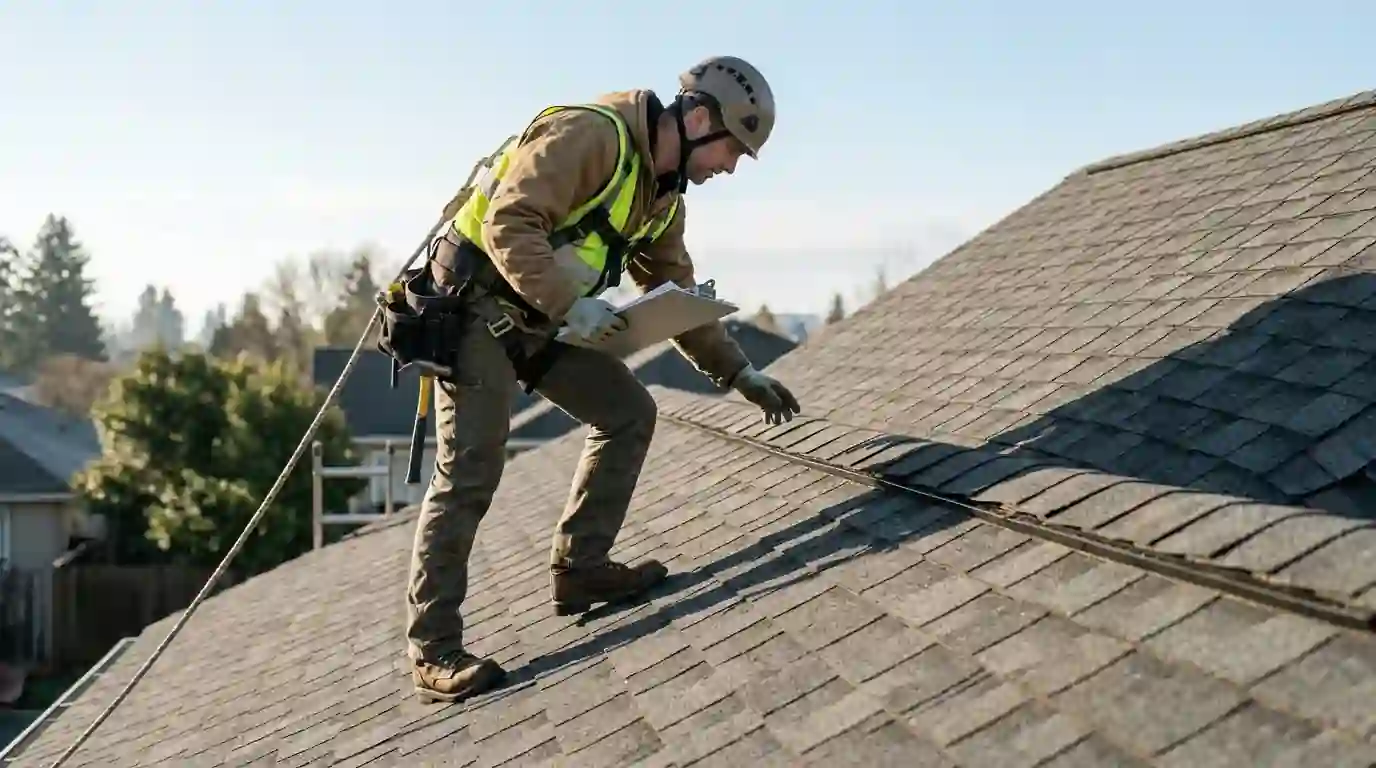
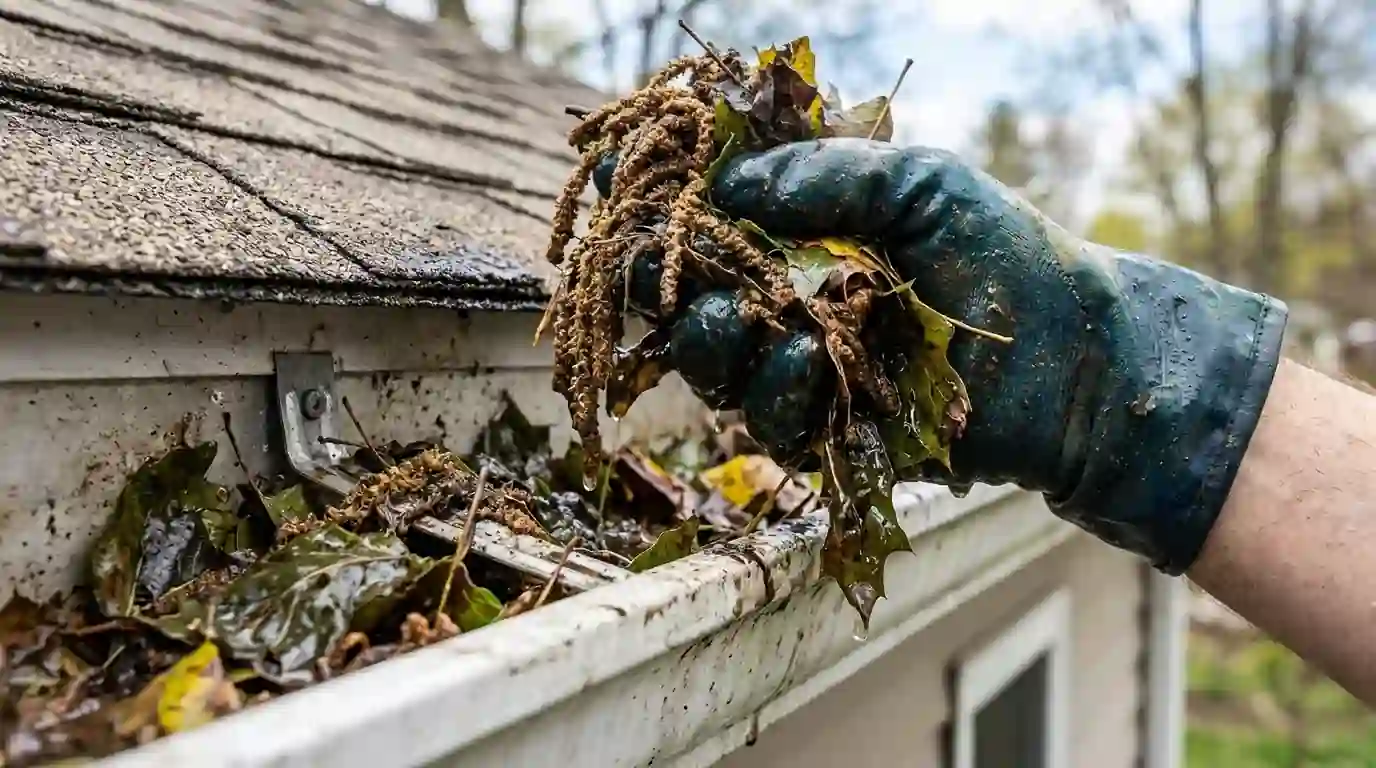
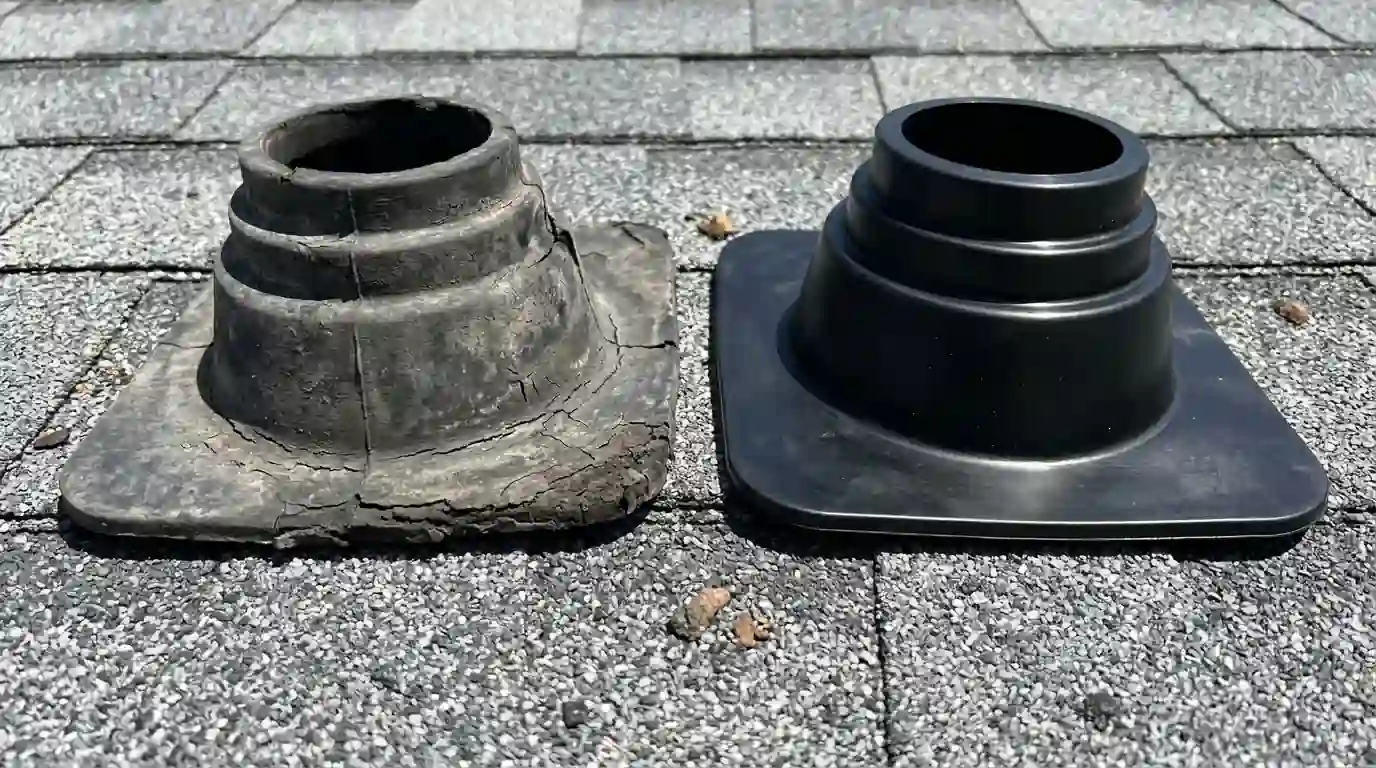
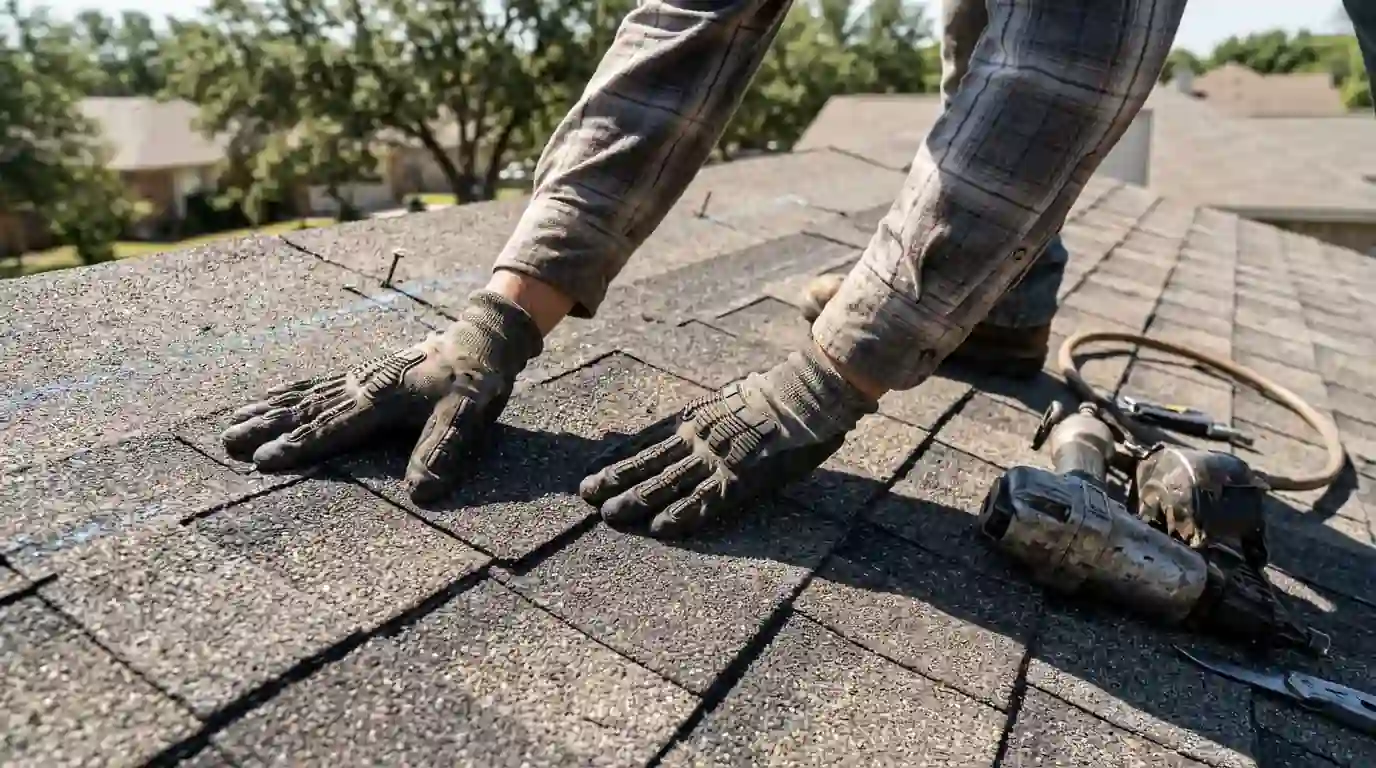
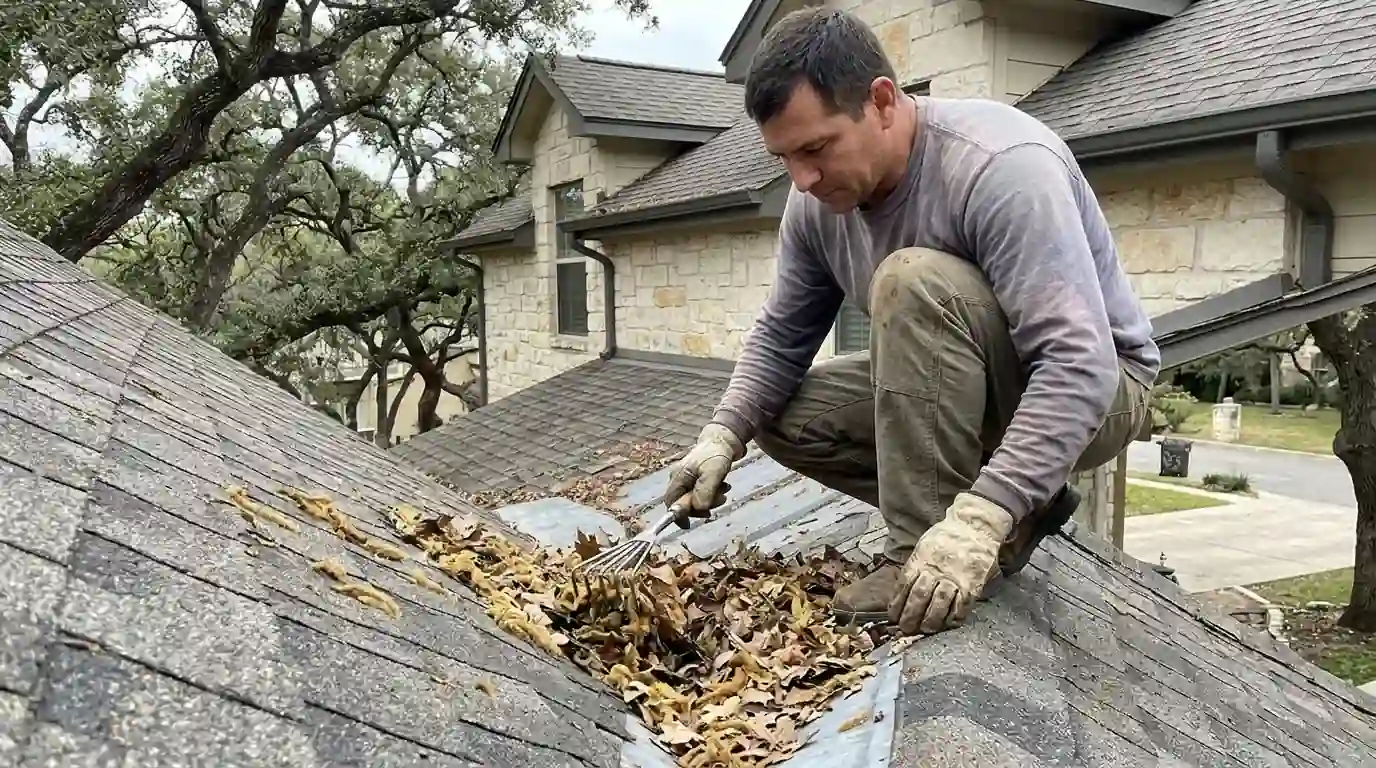
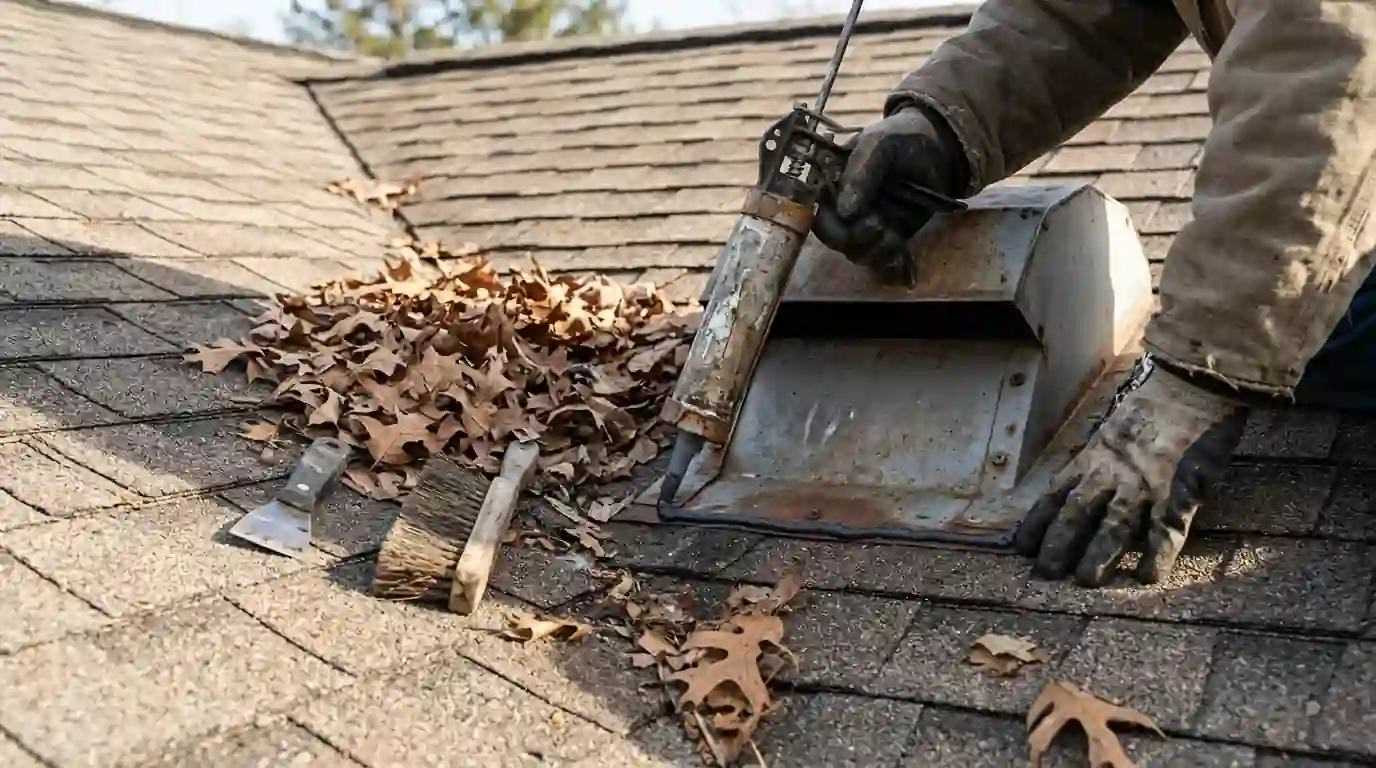
This is hands-on work, not just a look. We blow or hand-clear leaves, tassels and twigs from valleys, behind chimneys and around skylight curbs. We scrape off cracked sealant at pipe collars, flashing edges and exhaust caps, then apply fresh sealant rated for roof use. Loose nails and screws get reset or replaced.
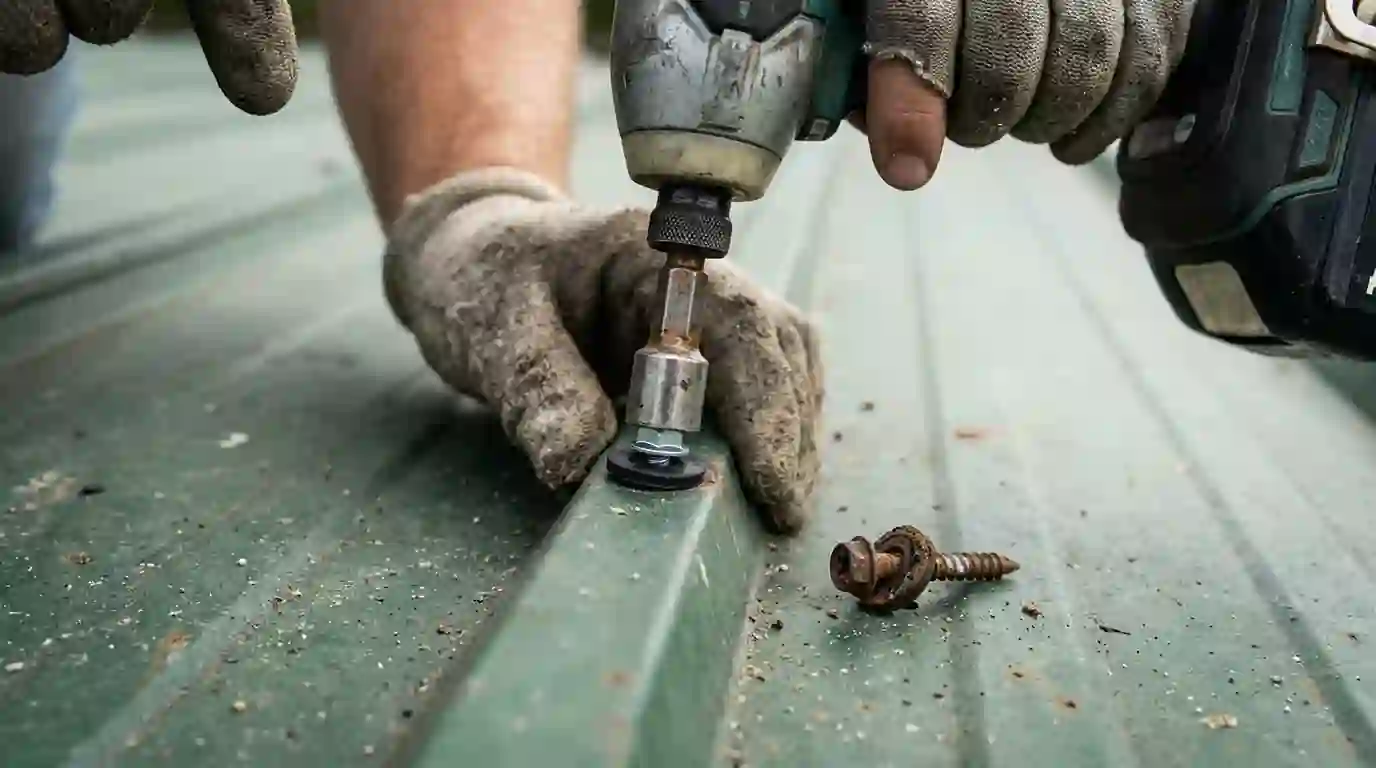
On shingle roofs we reseat lifted tabs with roofing cement where the seal strip has let go. On metal roofs we check every screw and washer along a sample of panels and replace any that have backed out or cracked. On tile we reset slipped pieces we can reach safely. Each fix is photographed before and after.
Why do two visits a year suit San Antonio better than one?
The calendar here has two problem seasons. Spring brings oak tassels, pollen and the main hail window from March to June, so a late-winter visit clears the roof and tightens everything before storms. Fall brings leaf drop and the end of summer heat, which is the right time to replace sealant that baked all season.
Summer itself is hard on roofs from above and below. Attic temperatures commonly pass 140 to 150 degrees, which dries out sealant and rubber far faster than in milder climates. A fall visit catches that damage before winter rain. One annual visit can work for newer roofs, but older roofs do better on two.
How is maintenance different from an inspection or a repair?
An inspection documents condition and gives you a priority list. A repair fixes a specific problem. Maintenance sits between them: we do the small preventive work on the spot, such as resealing and refastening, and photograph anything bigger for a separate repair price. You don't need a separate condition inspection first.
Some items are always outside a maintenance visit. A cracked pipe boot gets replaced, not caulked, and that's part of our pipe boot and vent repair work. Failed step flashing, soft decking or a slipped tile section also get their own scope. We'll show you photos and price those separately before doing anything.
What do live oaks and tassels do to a roof between visits?
Live oaks drop leaves through spring, not just in fall, and their tassels pile up in valleys and against chimney backs. That debris holds water against the shingles after every rain, which feeds algae, softens edges and can push water sideways under laps. On shaded north slopes it never fully dries.
Overhanging limbs add another problem. Branches that brush the roof in wind scrape granules off shingles and give squirrels a highway to your eaves. During maintenance we note limbs within a few feet of the roof so you can have them trimmed. Gutter flow is checked too, though a full gutter and downspout cleaning is its own service.
Which roofs get the most out of a maintenance plan?
Roofs between about 8 and 18 years old benefit most. They're past the new stage, sealant is aging, and small items start adding up, but the roofing itself still has years left. Regular care helps those roofs reach the far end of their expected life instead of failing early on one weak spot.
Exposed-fastener metal roofs, common on ranch homes and outbuildings, need screw and washer checks more than any other type. Flat sections over additions and porches collect debris and pond water, so they get extra attention too. Brand-new roofs need less, though a yearly look still helps after a hard storm season.
How do maintenance photos help when a storm finally hits?
Every visit leaves you with a dated set of before and after photos. If hail or wind damages the roof next spring, those images show what the roof looked like a few months earlier, which makes it easier to separate fresh storm damage from old wear when an adjuster asks.
The photos also build a simple history of the roof. You can see whether the west slope is shedding granules faster each year, or whether the same chimney corner keeps needing sealant. That pattern helps you plan a replacement on your schedule, rather than in the middle of a rainy week after a surprise leak.