Why does attic airflow matter so much in South Texas?
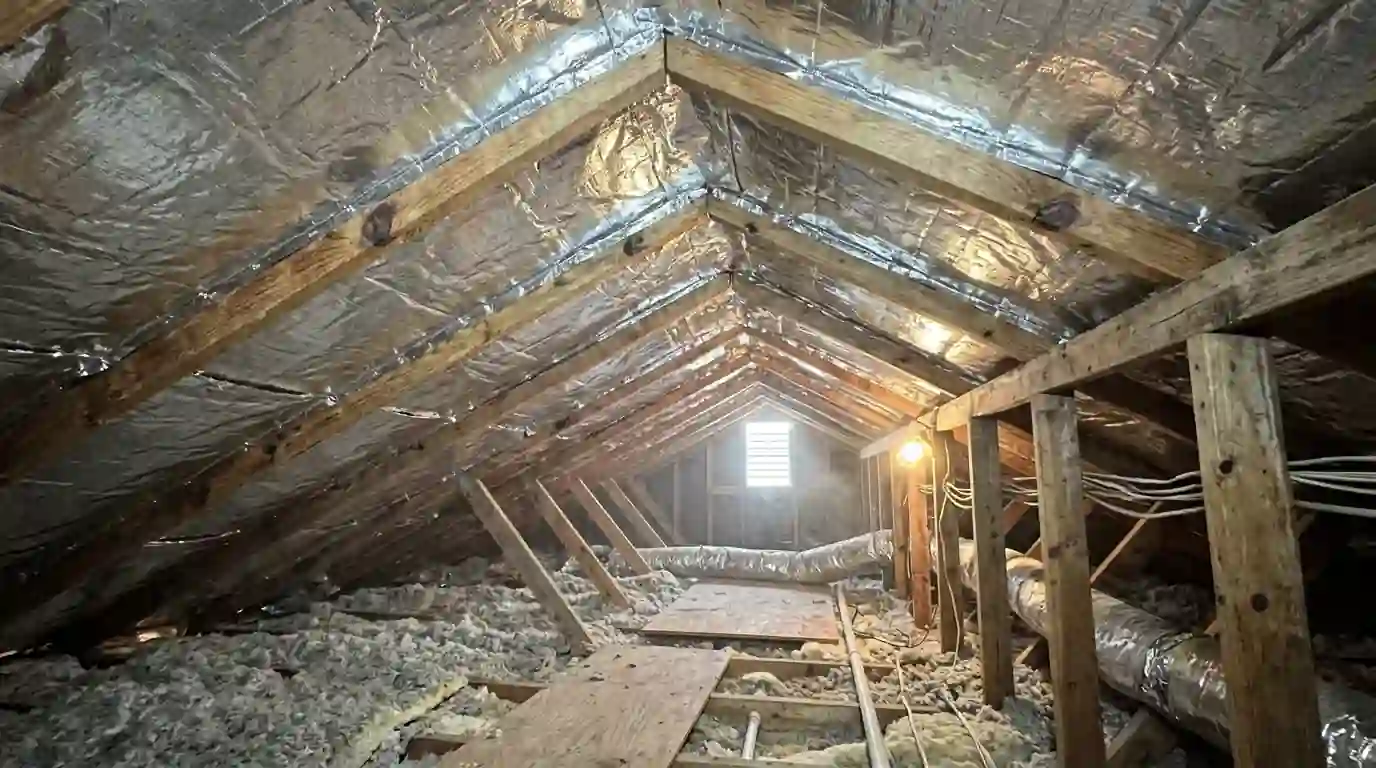
On a July afternoon, attic temperatures commonly pass 140 to 150 degrees. Without airflow, that heat sits against the underside of the decking all day, drying out the asphalt in shingles and speeding up granule loss. Roofs on poorly vented attics often curl and crack years before the same shingle on a well vented house.
Moisture is the other half. Cooking, showers and laundry put water vapor into the house, and some of it rises into the attic. On cool nights it condenses on nails and decking. Over time you get rusted nail tips, dark rings on plywood and musty insulation, all without a single drop of rain coming through the roof.
How do intake and exhaust have to work together?
Ventilation is a loop. Cooler outside air enters low through soffit or eave vents, warms as it crosses the attic, and leaves high through ridge or roof vents. If intake is smaller than exhaust, the exhaust pulls air from wherever it can, including the house below through ceiling gaps and light fixtures.
The common rule of thumb is about one square foot of net free vent area for every 150 square feet of attic floor, split roughly evenly between intake and exhaust. We measure your attic, count the vents already there, read their net free area and show you the gap. Many San Antonio homes have plenty of exhaust and almost no working intake.
When is a ridge vent the right exhaust choice?
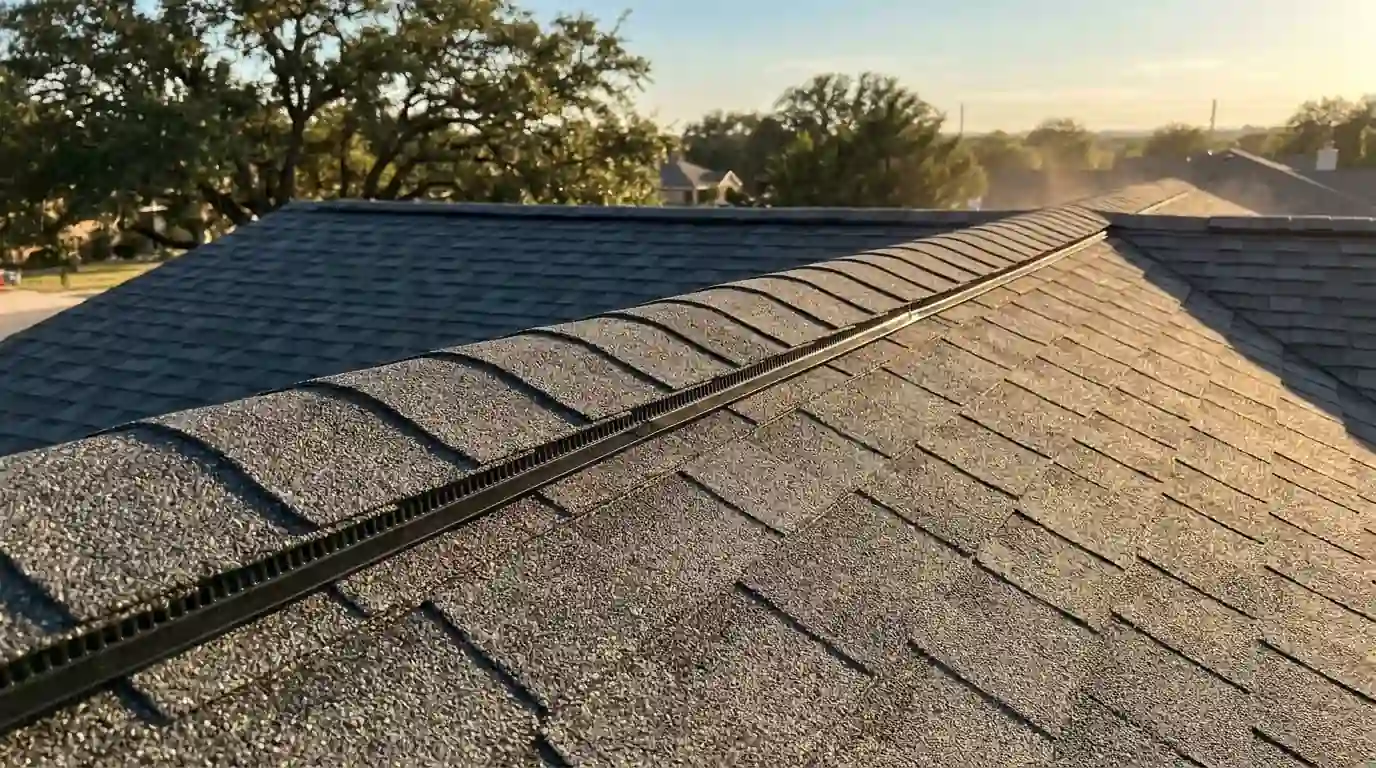
Continuous ridge vent runs along the peak and lets hot air leave evenly across the whole attic. It suits roofs with a long, unbroken ridge and enough soffit intake to feed it. It also has a low profile, which suits HOA rules and homes where a row of box vents would look cluttered.
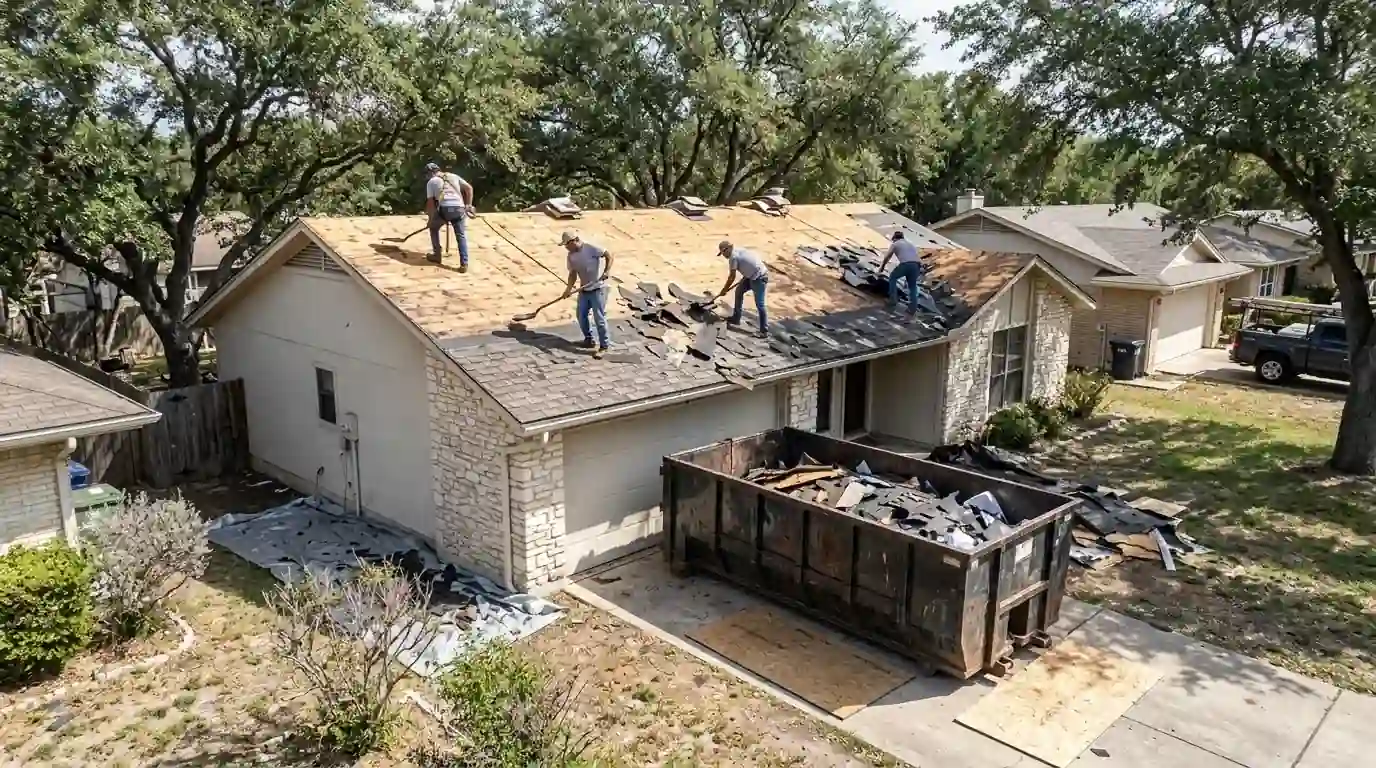
Ridge vent is easiest to add during a reroof, when the ridge is already open. On an existing roof we can cut the slot, install the vent and new ridge caps, and close off the old box vents so they don't short-circuit the airflow. If a full tear-off and reroof is coming within a few years, it's often smarter to wait and do it then.
Static or powered: which exhaust vents should you trust?
Static vents, like ridge vents, box vents and turbines, rely on natural heat rise and wind. They have no motor to fail and no electric draw. Turbines move more air in a breeze but can squeak, wobble or seize with age, and each one is a hole in the roof that needs good flashing.
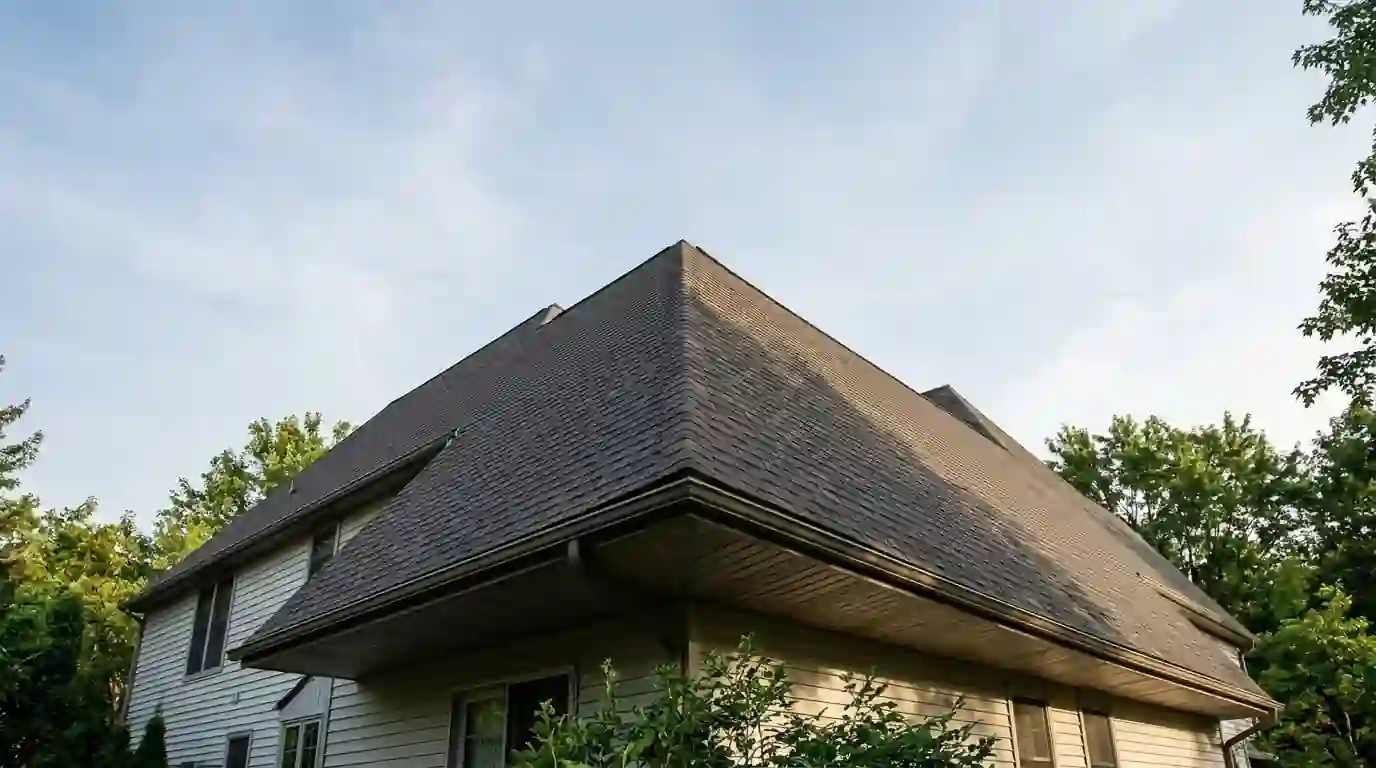
Powered attic fans move a lot of air, but they can pull conditioned air from the house if intake is short, which raises cooling bills instead of lowering them. They also need wiring and eventually a new motor. We only suggest powered exhaust where static options can't do the job, such as a complex hip roof with very little ridge length.
Why do soffit vents stop working, and how do we fix them?
The most common intake problem is hidden. Insulation blown into the attic over the years often buries the soffit openings, and old paint can clog the vent screens from outside. Some older homes have solid soffits with no vents at all. In every case, the roof looks vented but no air comes in low.
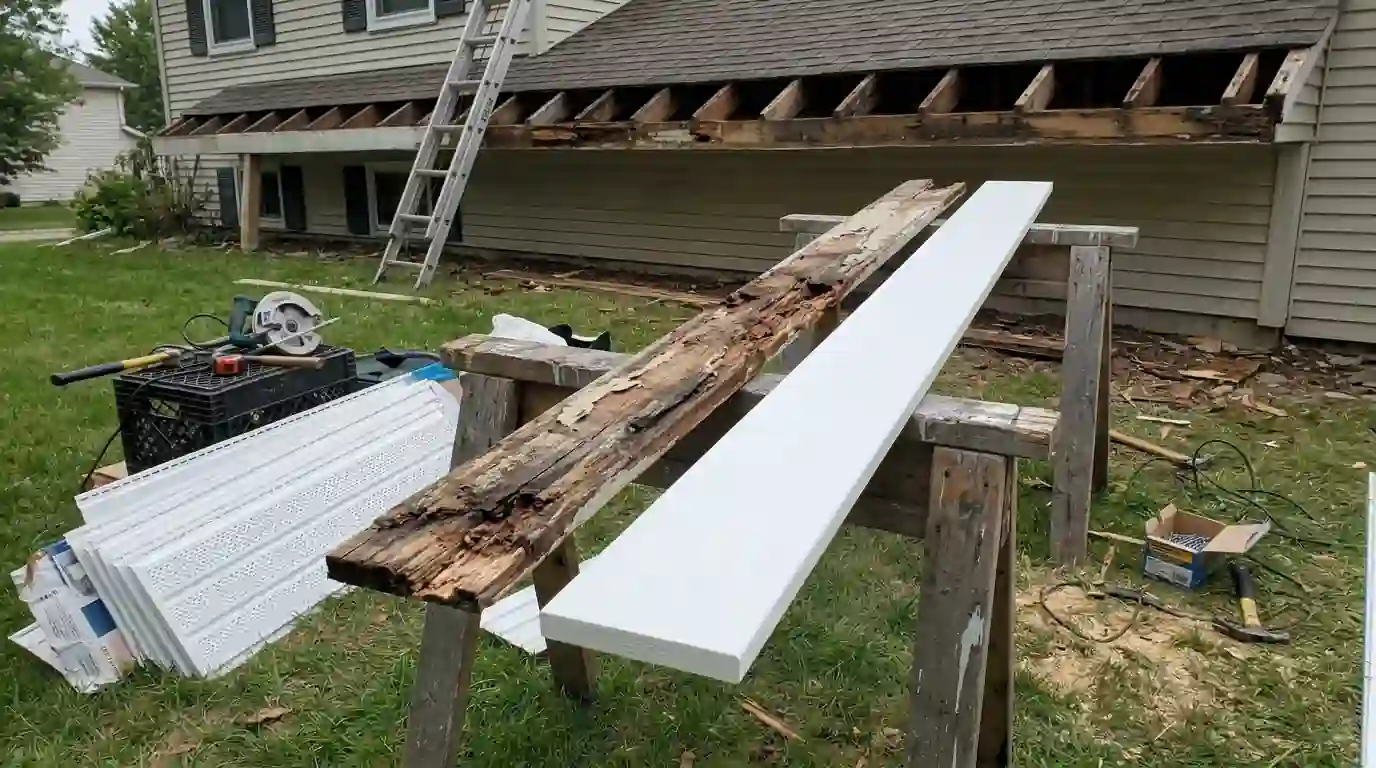
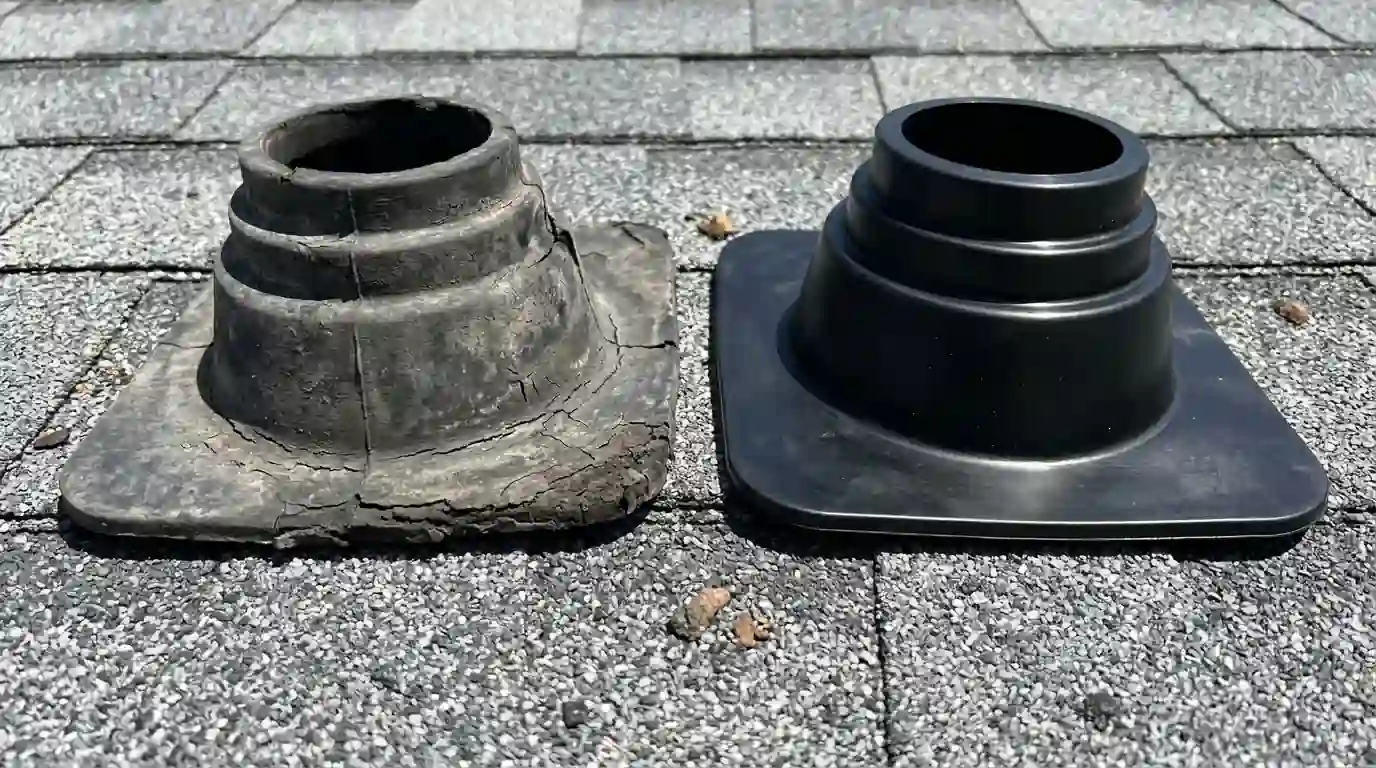
We add or open soffit vents, then install baffles in the rafter bays so insulation can't block them again. If the soffit boards or fascia are rotted or chewed by animals, that part becomes fascia and soffit board repair first. Pipe boots and vent flashing leaks are a separate fix under our vent and pipe boot repair service.
What results can you expect after balancing attic ventilation?
A well vented attic won't feel cool in August, but it runs closer to outside air temperature instead of building heat all afternoon. That reduces the heat pushing down through the ceiling and slows the aging of shingles from underneath. You may also notice less of the stale, damp smell that some attics carry.
Ventilation and a foil radiant barrier work on different problems and pair well: ventilation removes hot air, while a barrier cuts the heat radiating off the decking. We'll tell you plainly which one your attic needs most. Give us a call at (210) 750-1898 and we'll measure your attic and show you the numbers.