What can a roofer legally do on a Texas insurance claim?
Texas draws clear lines. A roofing contractor can inspect the roof, document damage, meet the adjuster, explain what repairs are needed and write an estimate for that work. A roofing contractor cannot act as a public adjuster, which means we can't negotiate your claim settlement or represent you to your insurer on coverage.
Texas law also bars contractors from waiving, absorbing or rebating your deductible. Offers to cover your deductible, give a rebate equal to it or hide it inside the invoice aren't legal. Your deductible is your share, and we'll treat it that way in every estimate we write.
- We document damage and explain the roofing scope.
- We meet your adjuster on the roof when you ask us to.
- We do not negotiate coverage or act as your adjuster.
- We do not waive, pay or rebate any part of your deductible.
- You make every decision about filing and settling the claim.
How much will your deductible be?
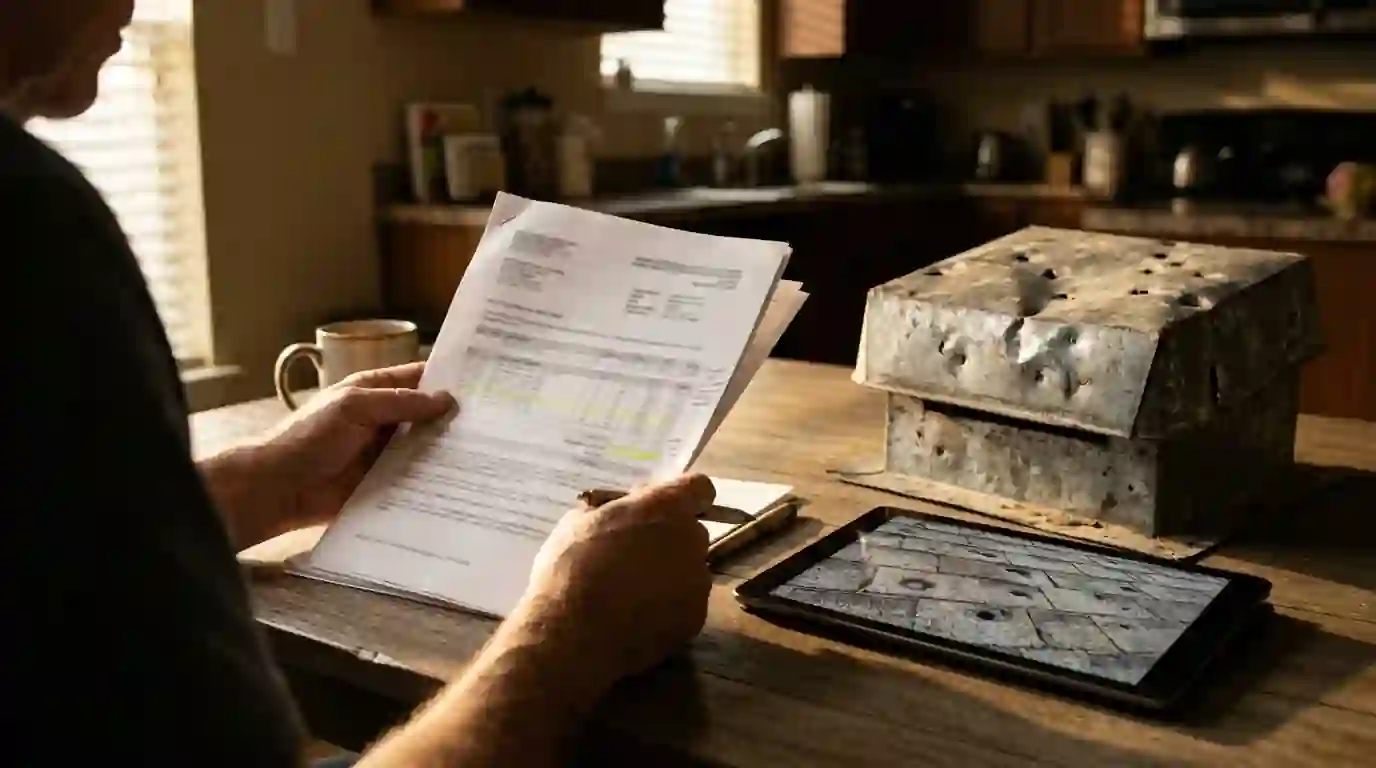
Many Texas homeowner policies use a percentage deductible for wind and hail, commonly 1% to 2% of dwelling coverage. With $287,450 of dwelling coverage, a 1% deductible is $2,874.50 and a 2% deductible is $5,749. Some policies use a flat dollar amount instead, and some carry a separate deductible just for wind and hail.
Check the declarations page of your policy before filing. It lists your deductible type and amount. Your policy also sets deadlines for reporting damage and finishing repairs, and those vary, so read it or ask your agent rather than relying on a general rule. If the damage looks smaller than your deductible, filing may not make sense.
Documenting damage before the adjuster arrives
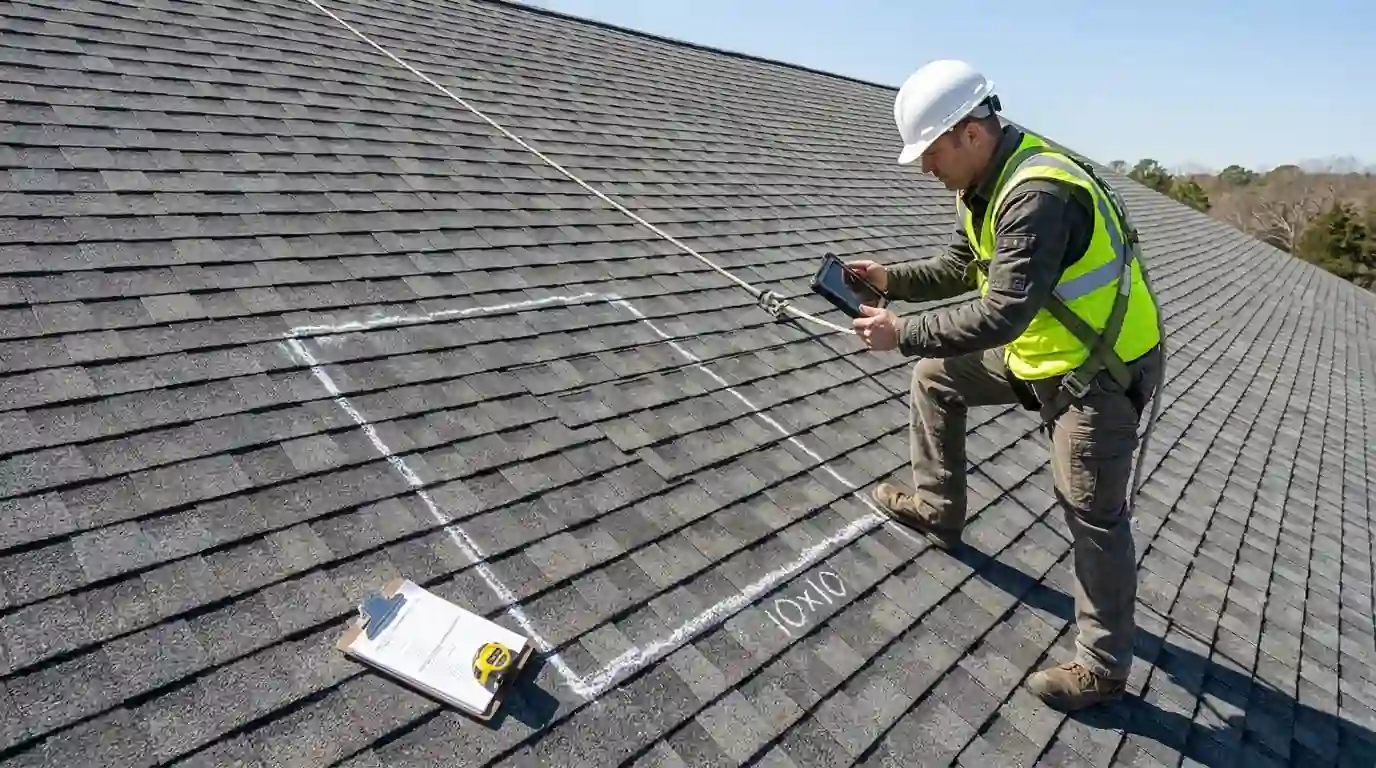
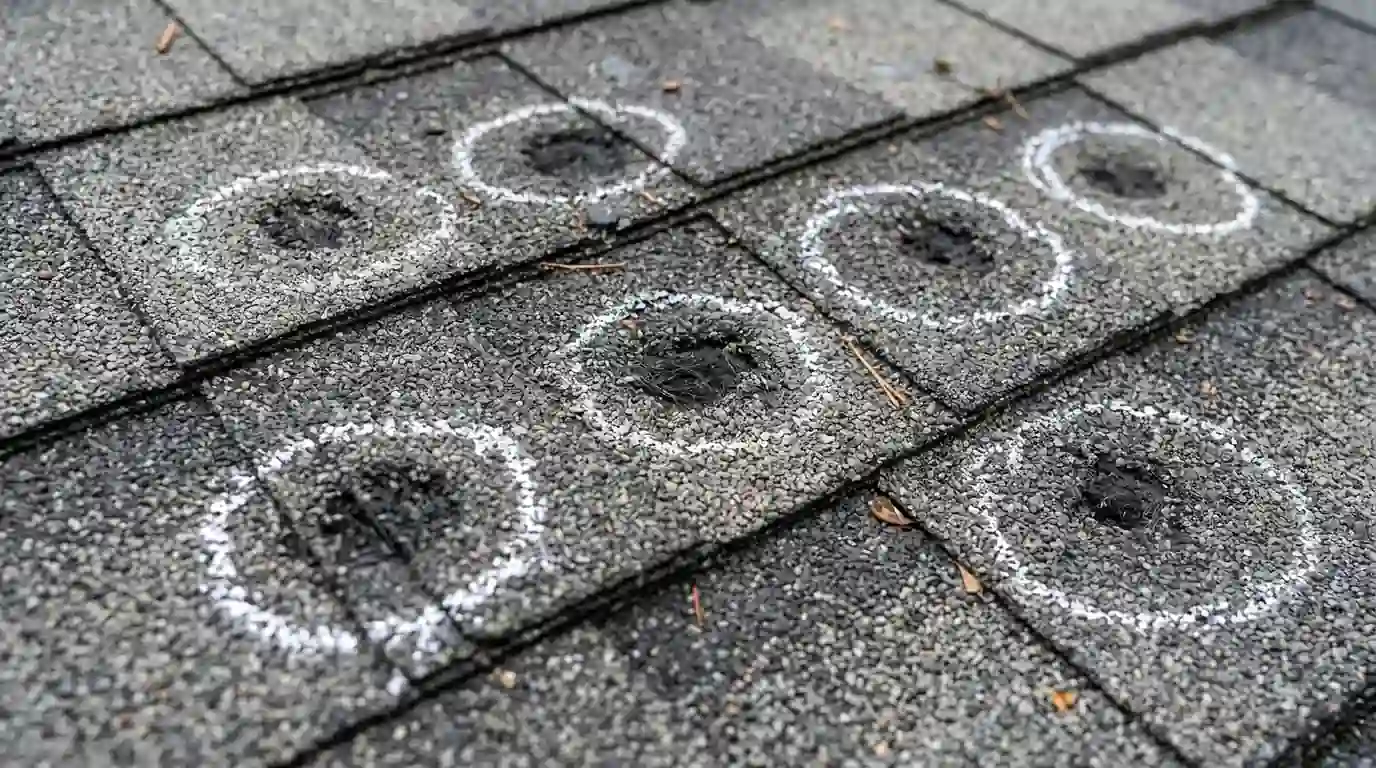
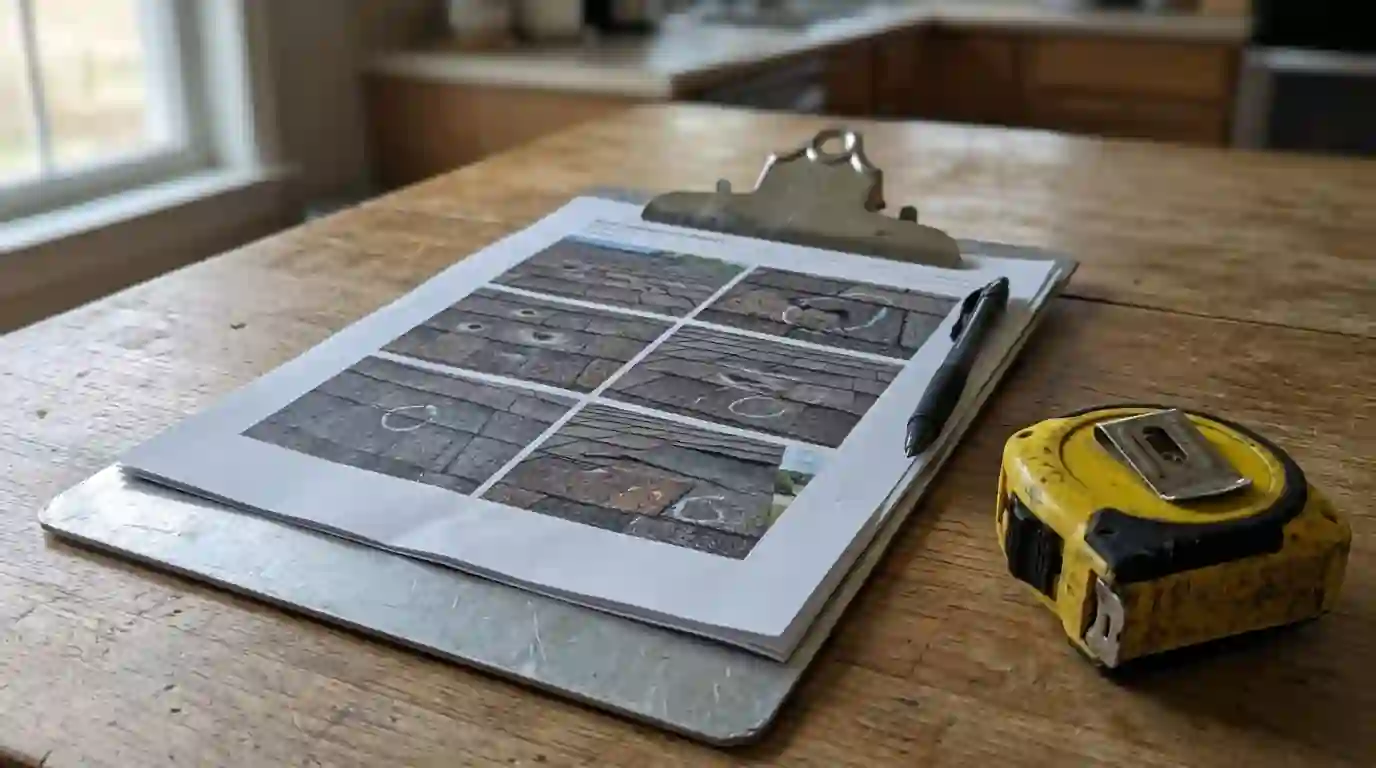
Good documentation starts with a thorough storm documentation inspection: slope-by-slope photos, test squares, soft metal dents and notes on damage around the property. That report shows what the storm did in a layout an adjuster can check against their own findings. It also helps you judge, before filing, whether the damage is likely to clear your deductible.
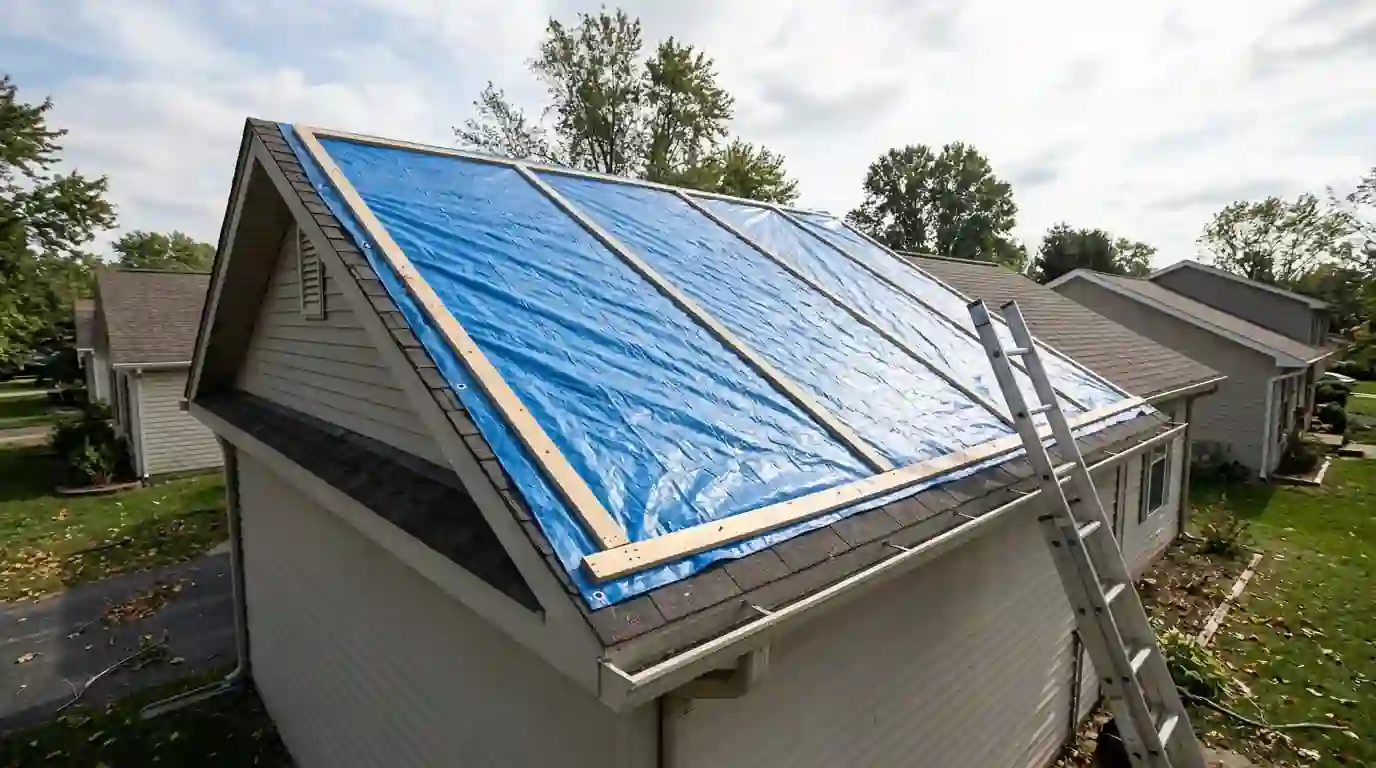
Add your own record too: the storm date, photos of hail on the ground if you took any, interior water stains and receipts for any emergency work. If a temporary repair was needed, keep the photos taken before covering. Our Texas claim walkthrough lists the full sequence from first call to final payment.
What happens when we meet your adjuster on the roof?
If you want us there, we join the adjuster during their inspection. We show them the test squares, soft metal damage and any areas we documented that they might otherwise miss, like a back slope or a detached garage. The goal is that both sides are looking at the same roof and the same evidence.
We stick to roofing facts: materials, damage, what a proper repair requires. Coverage questions, policy interpretation and settlement amounts are between you and your insurer. If you feel the claim needs someone to negotiate on your behalf, a public adjuster or an attorney is the right person for that role, not your roofer.
Comparing the insurer's estimate line by line
Insurance estimates list each item separately: tear-off, underlayment, shingles, starter, ridge caps, drip edge, flashing, vents, steep and high charges and more. Missing items are common and usually honest oversights. Drip edge, starter strips, pipe boots and code-required items get left out more often than you'd expect.
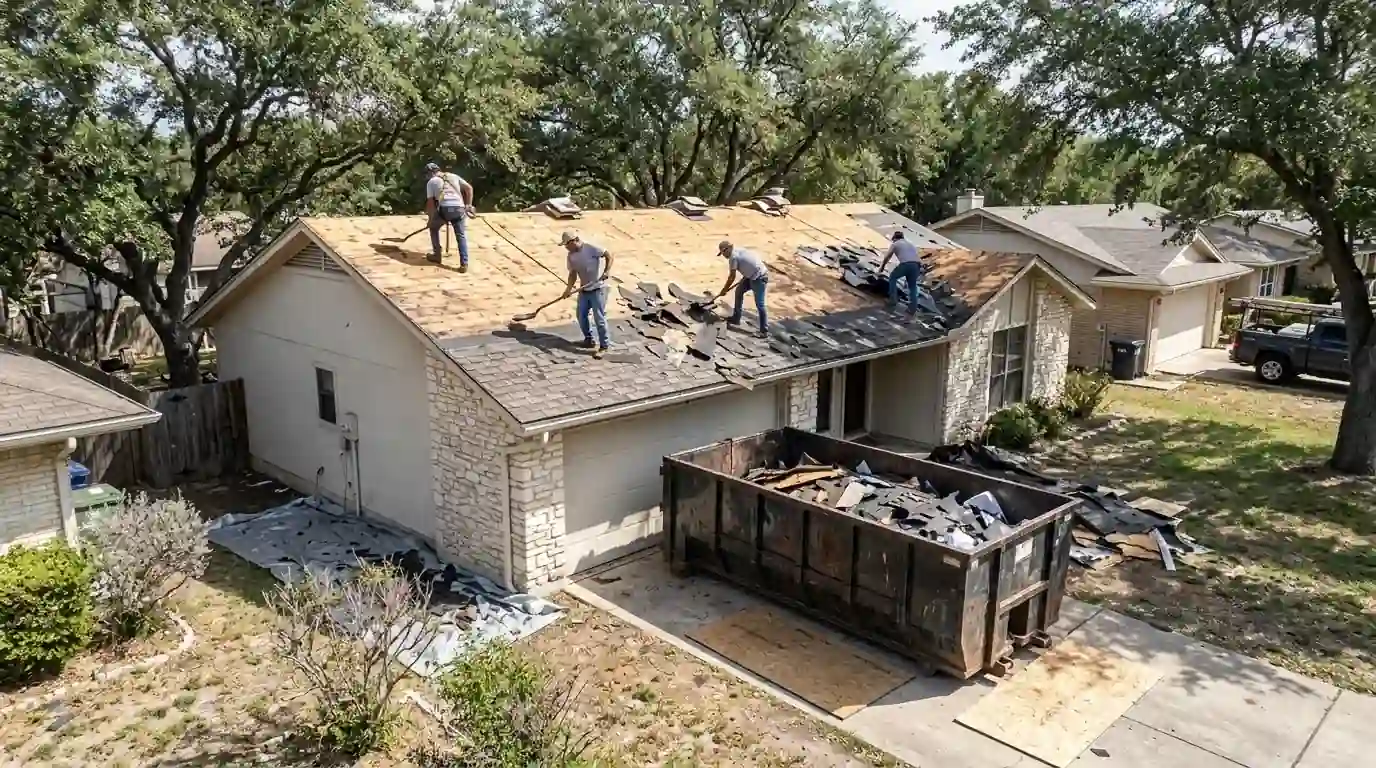
We compare the insurer's scope to what the roof actually needs and mark any differences with photos and quantities. You can then send that comparison to your adjuster and ask for a review. If the claim covers a full replacement, our full roof replacement page explains what that job includes from tear-off to cleanup.
We'll also explain anything confusing, like depreciation holdback, which some policies pay only after the work is finished. Knowing that early avoids surprises when the first check is smaller than the estimate total. Some policies also send payment jointly to you and your mortgage lender, which can add a step before funds are released.
Common mistakes that slow a roof claim down
Waiting too long is the biggest one. Damage gets harder to tie to a single storm as months pass, and policy deadlines can run out. Another is signing an agreement with a contractor that assigns away decisions about your claim before you understand it. Read anything you sign after a storm slowly, and ask what happens if the claim is denied.
Be wary of anyone who knocks on your door after a storm offering to cover your deductible. That's illegal in Texas and a sign to look elsewhere. Keep copies of every document, write down who you talked to and when, and ask your insurer for anything in writing that you don't understand.