Why shaded roofs near the creeks wear out unevenly
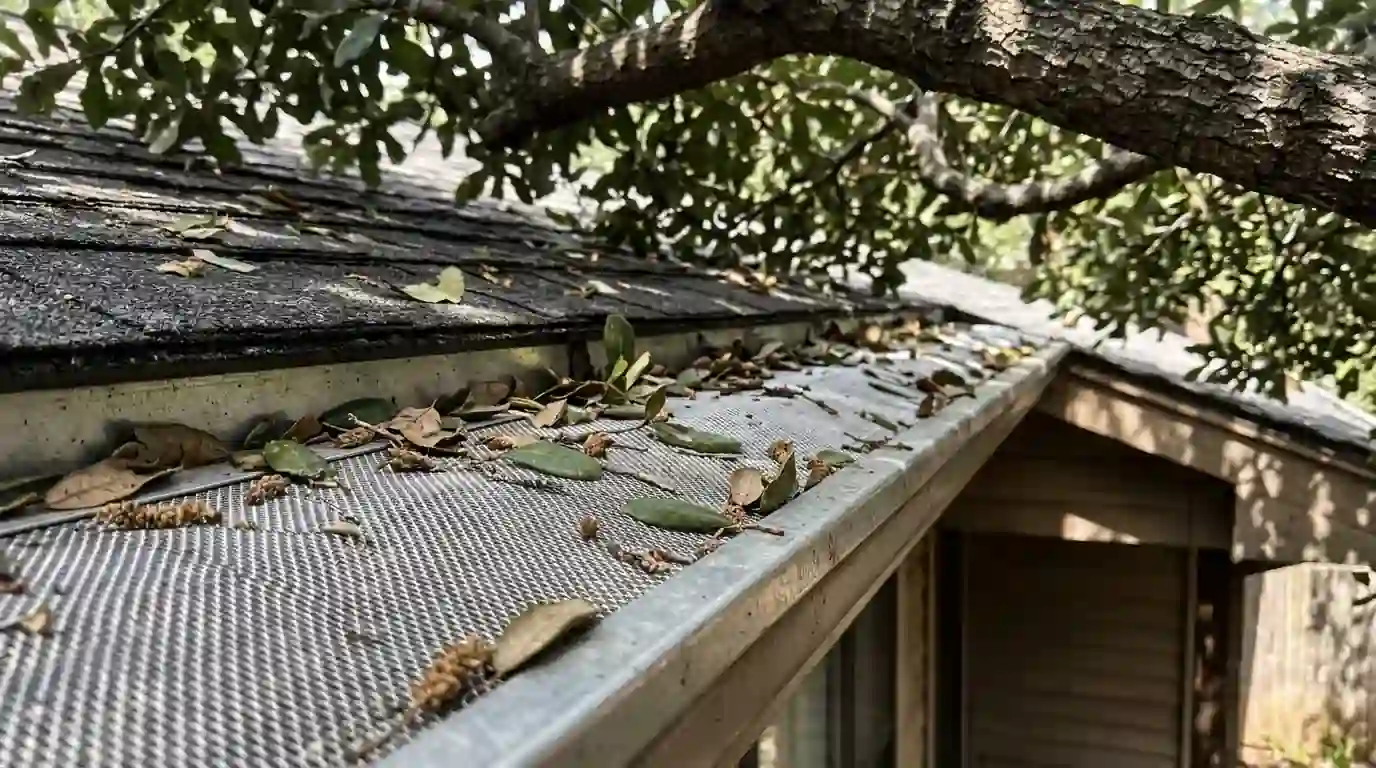
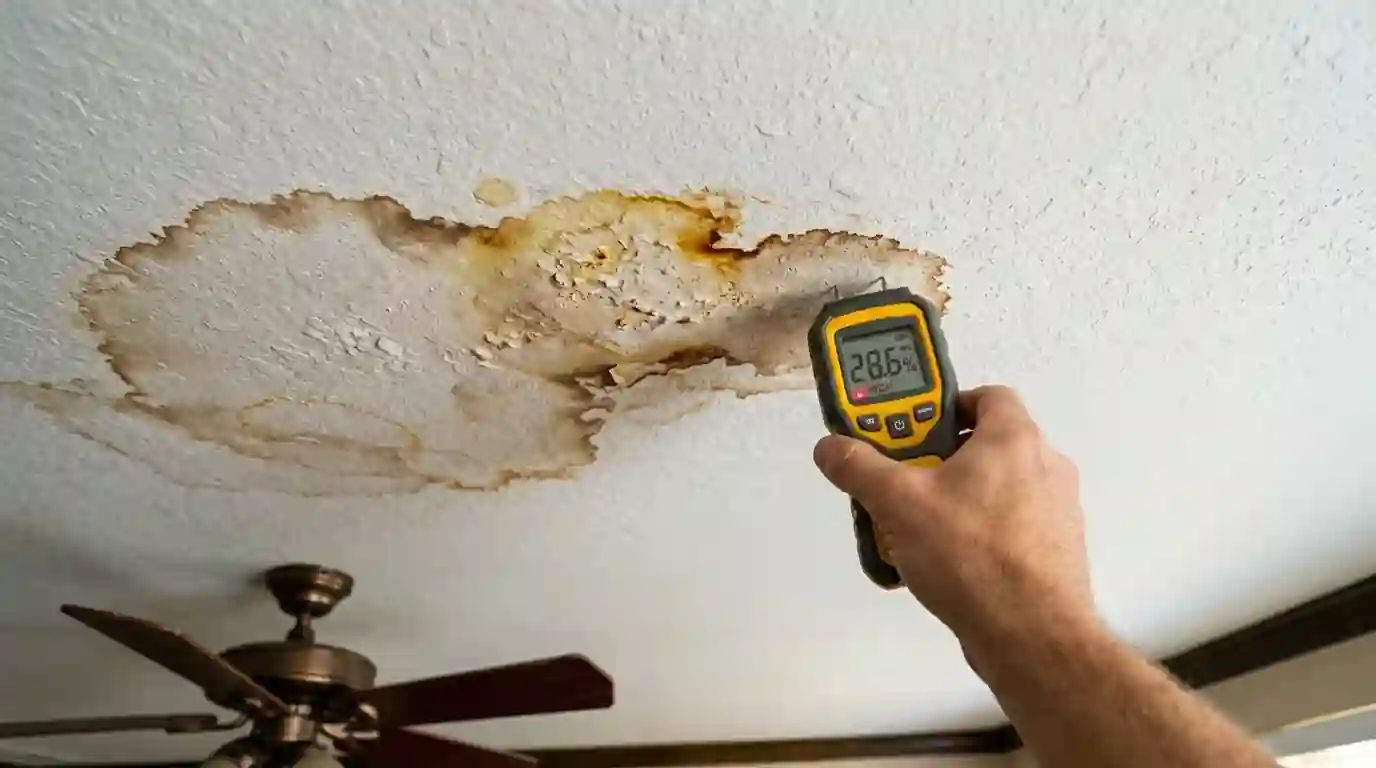
A Wimberley roof under cypress and live oak can look new on its sunny slope and tired on the shaded one. The shaded side stays damp, grows algae and moss, and collects leaves in its valleys. Water then backs up under the shingles where two slopes meet, often right above a porch or entry.
We clear valleys and gutters, check the decking along shaded eaves, and replace soft spots before they spread. Trimming branches back several feet from the roof helps more than any coating. If debris keeps filling your gutters, gutter guards cut down on cleanings, though they still need a look once or twice a year.
Is standing seam worth the extra cost on a Hill Country home?
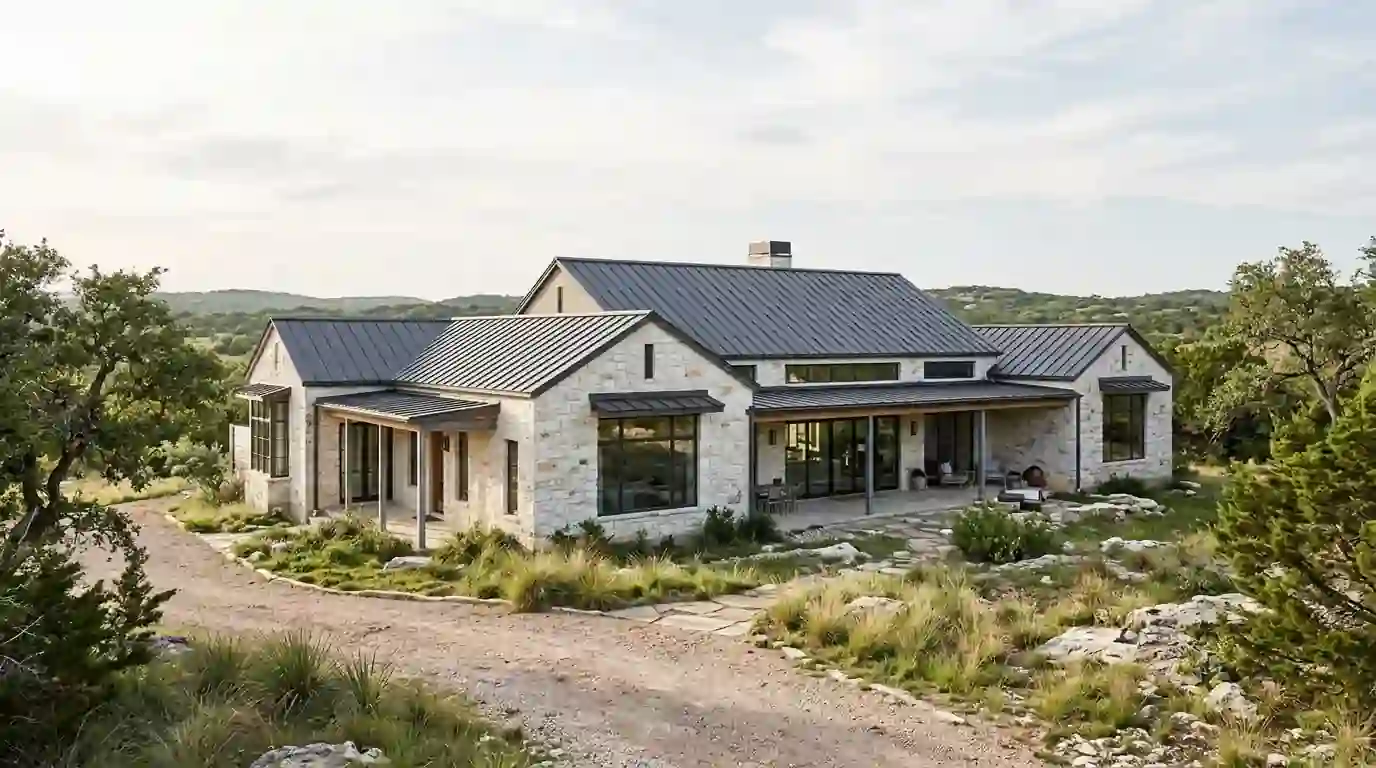
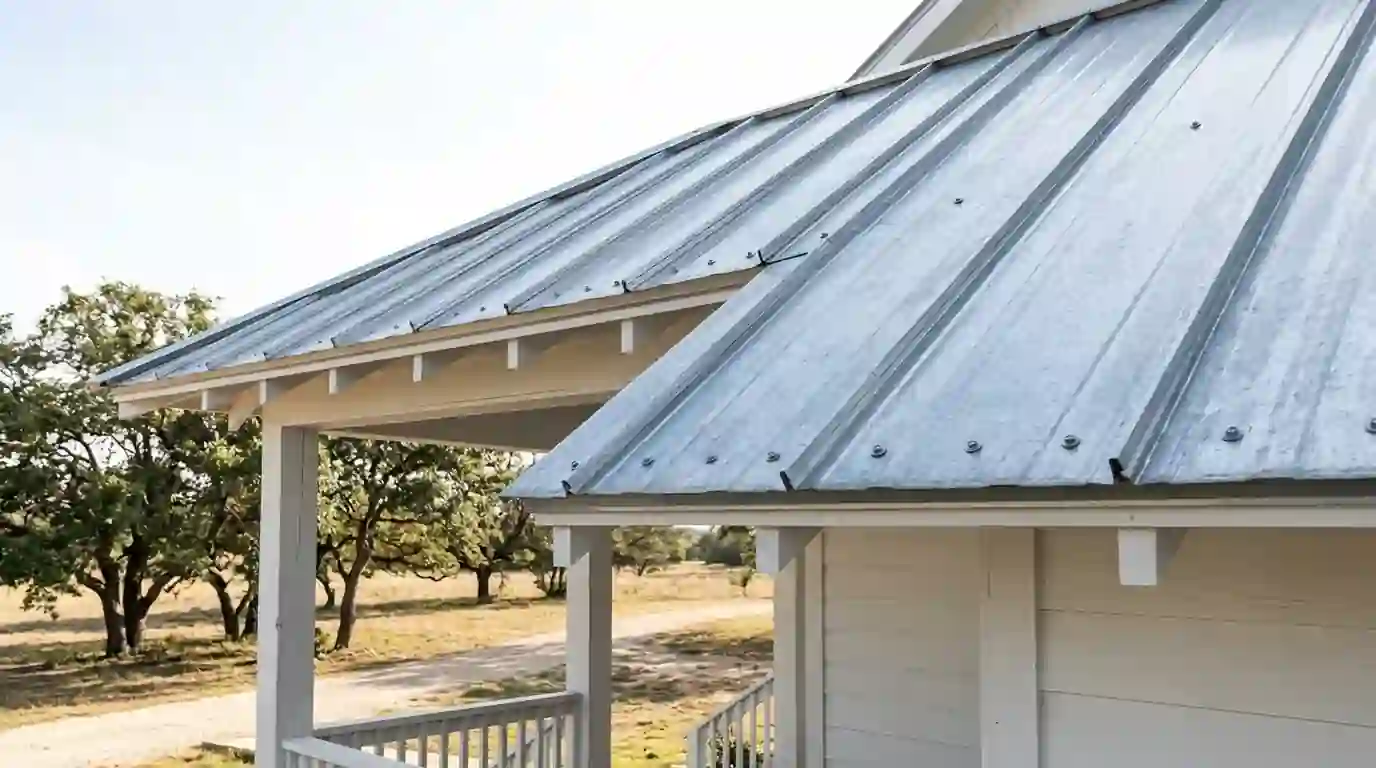
For many Wimberley owners, yes. Concealed fasteners mean no exposed screws to work loose, and smooth panels let leaves and needles slide off instead of piling up. On a house with slopes that are hard to reach, lower upkeep counts for a lot. Lighter colors also reflect more of the afternoon sun than dark shingles do.
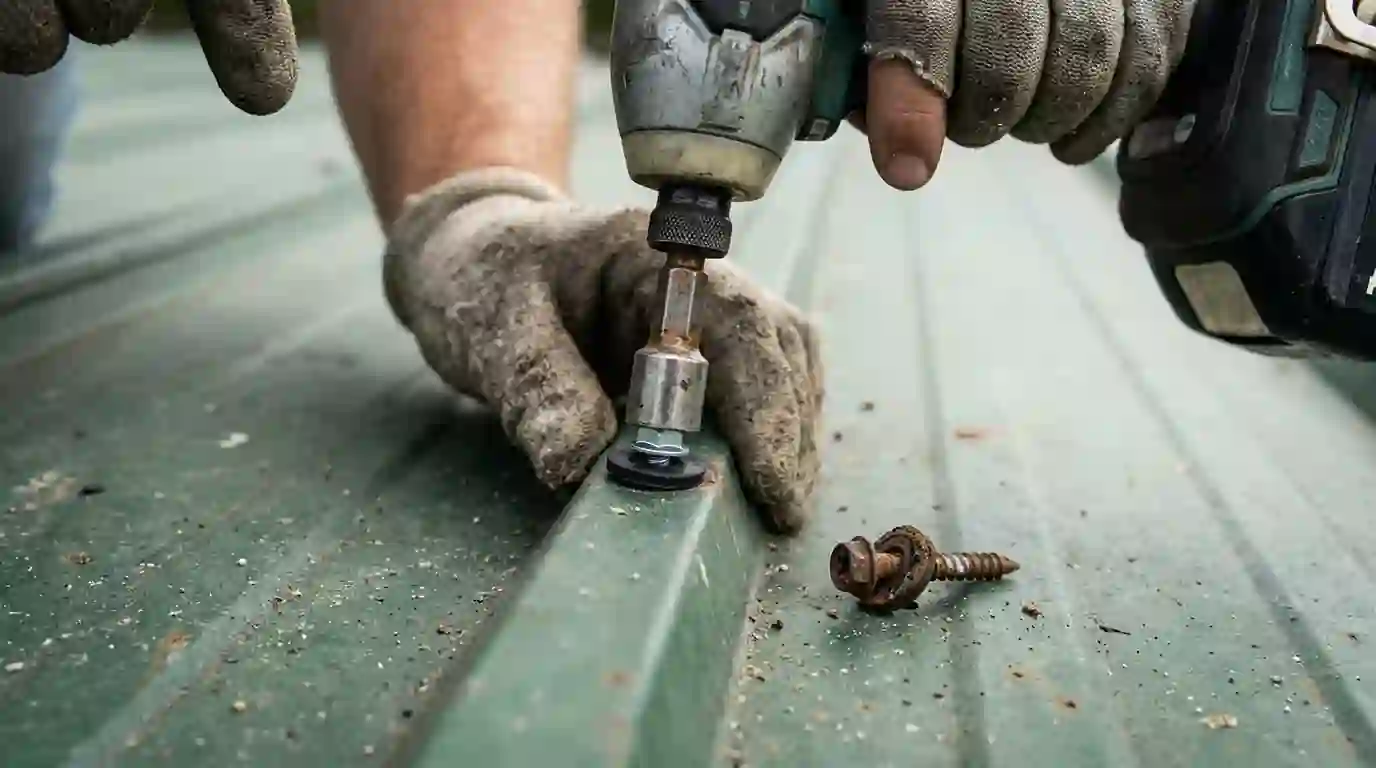
Standing seam does cost more than shingles, it's louder in a hailstorm, and large stones can leave dents that show on flat panels. We'll price standing seam panels next to architectural shingles so you can compare honestly. For cabins and studios, 5V crimp metal costs less, though its exposed screws need checking every few years.
How do long metal panels reach a house on a steep lot?
Standing seam panels are usually cut to run in one piece from ridge to eave, so a long roof means long panels. On a winding Wimberley drive, those panels need a straight path from the truck to the house. We scout the lot ahead of time, decide where to unload, and sometimes run panels on a portable machine near the site so they don't have to make tight turns.
Hillside roofs also catch more wind on the slope facing downhill. We fasten edges and ridges to the maker's high-wind pattern and add clips where panel runs are long. Our Hays County roofing page covers how roofs differ in the towns along I-35. Ring our line at (210) 750-1898 if a storm has already peeled back trim or panels.