How we handle leaks in a house you rent out
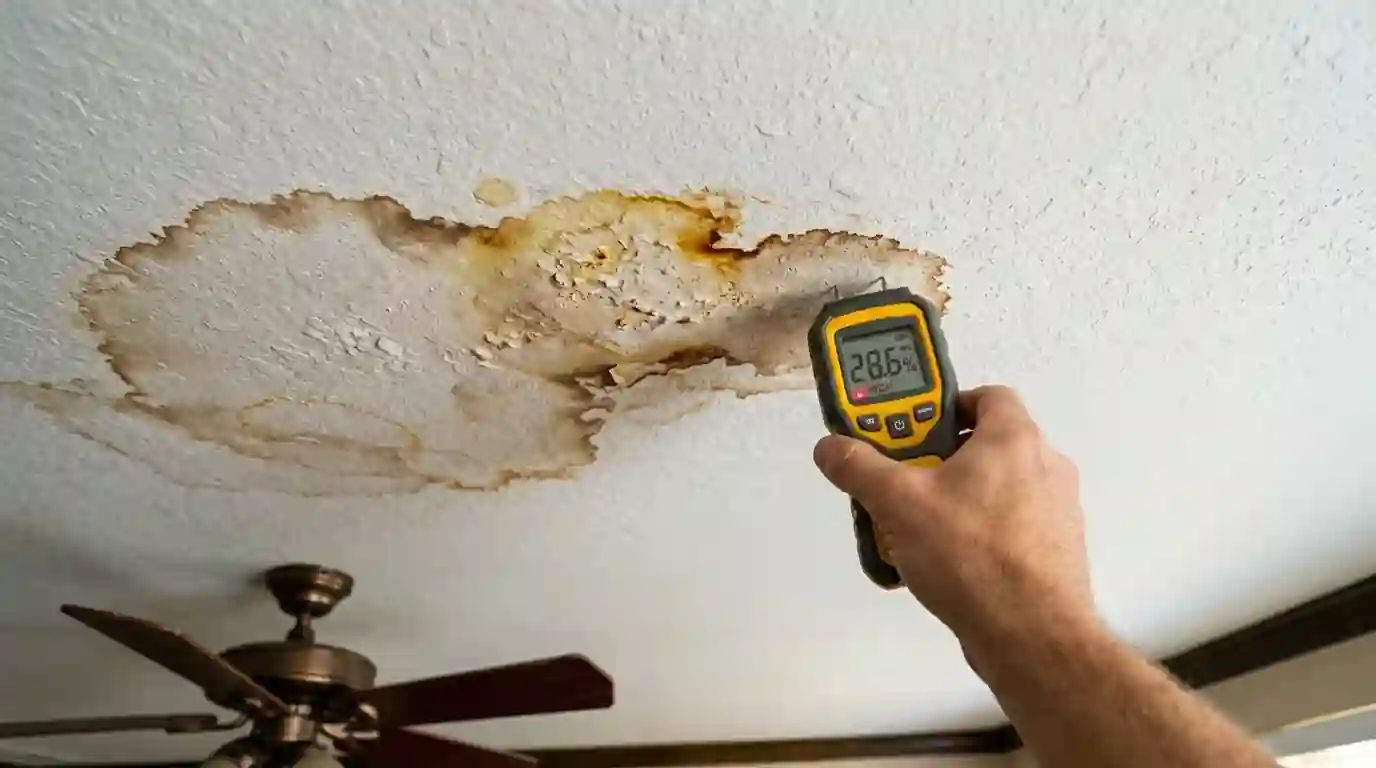
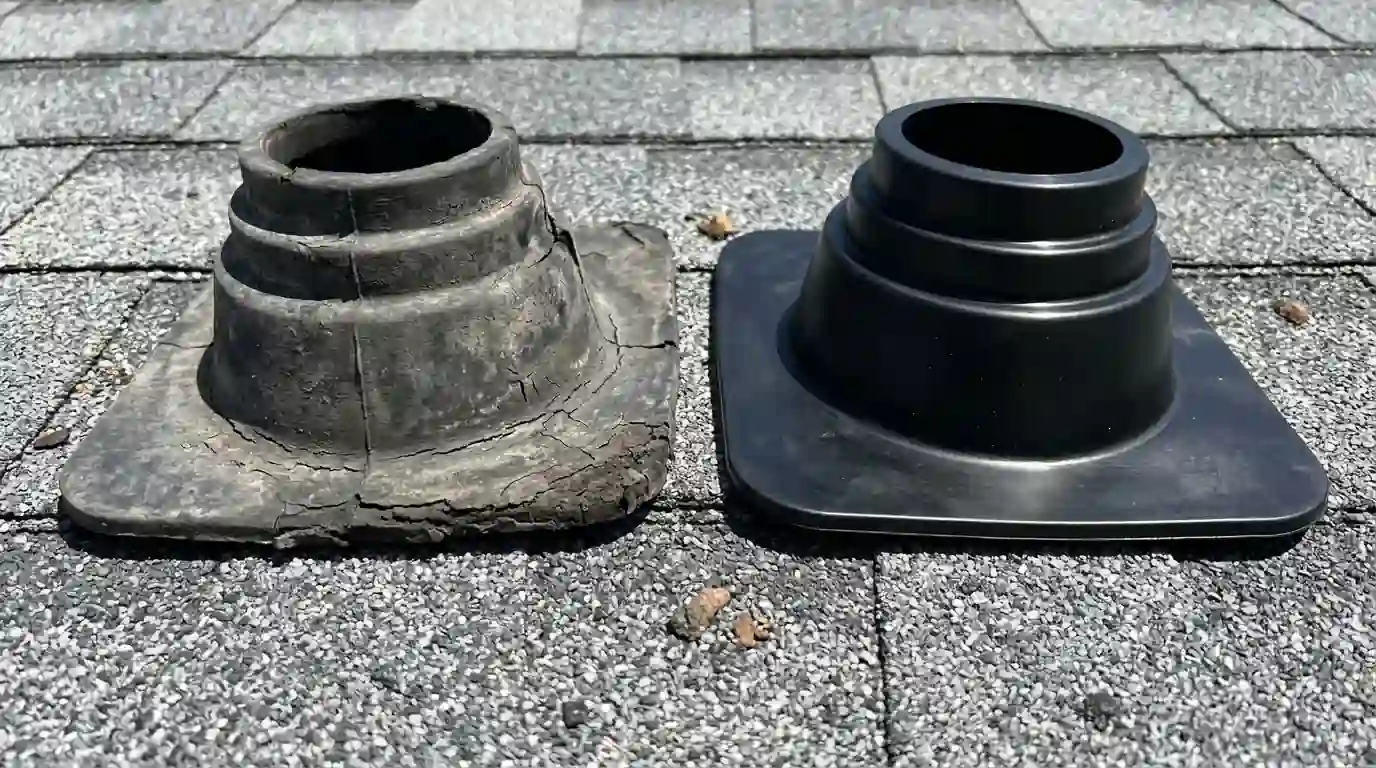
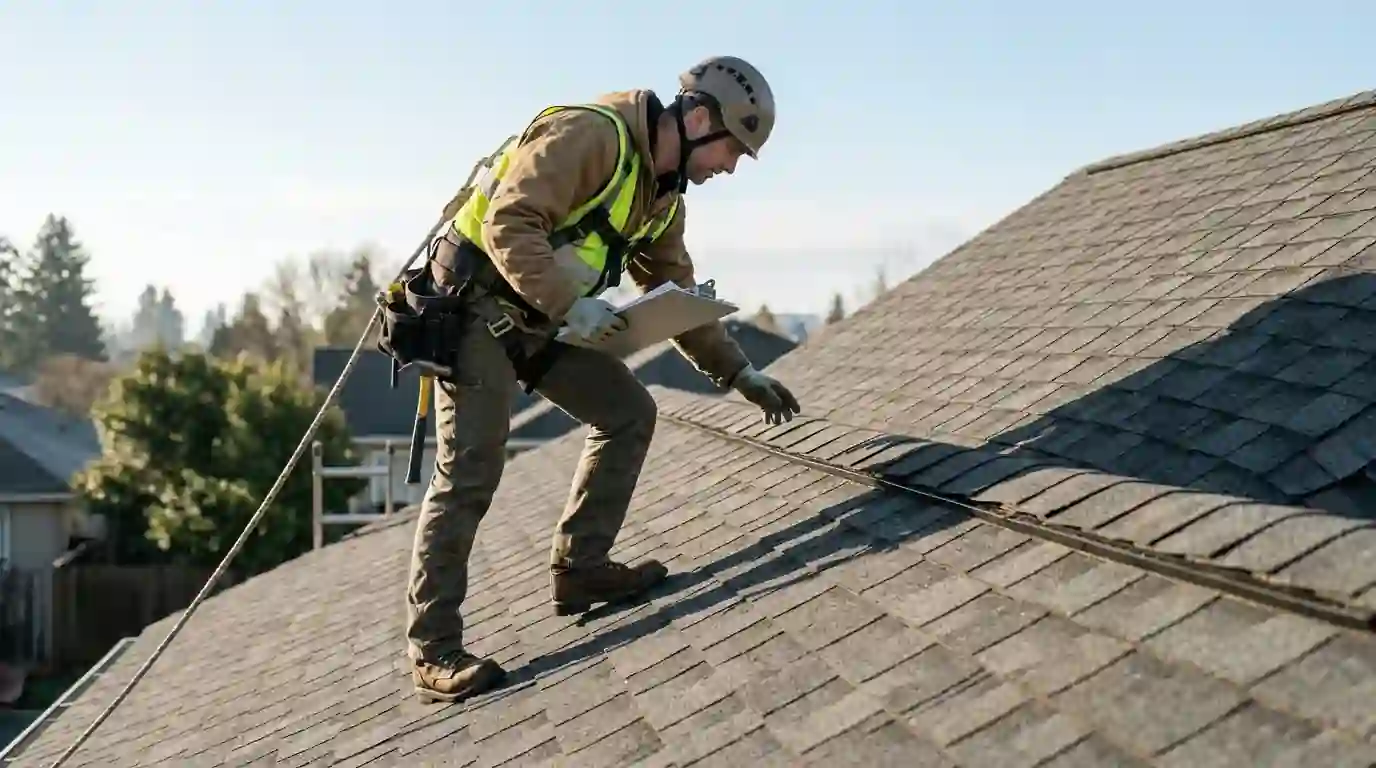
Tenants spot leaks, but they rarely know where the water starts. We coordinate entry with your property manager or tenant, check the attic above the stain, then trace the path up the roof. Common culprits on San Marcos rentals are cracked pipe boots, missing shingles over a bedroom, and gutters that overflow behind the fascia.
You get photos of the entry point, a short scope and a price before we fix anything beyond a temporary patch. Many owners want that record for their files or their lender. Our leak tracing and repair work is built around finding the real source, not smearing sealant on the most visible spot and hoping.
Do older homes near the square need a different approach?
Some of the oldest houses in San Marcos sit in local historic districts, and exterior changes there may need city review. Before switching from metal to shingles or altering a roofline, check with the city's planning office. We'll supply product details and photos for any application you need to file.
Older homes here often have plank decking, several layers of past roofing and very few vents. We tear off to the boards, replace rotten planks, and add intake and exhaust venting where the framing allows. Our approach to older homes keeps the profile, overhangs and trim lines that make these houses look right on the street.
Builder roofs in newer subdivisions are reaching their first replacement
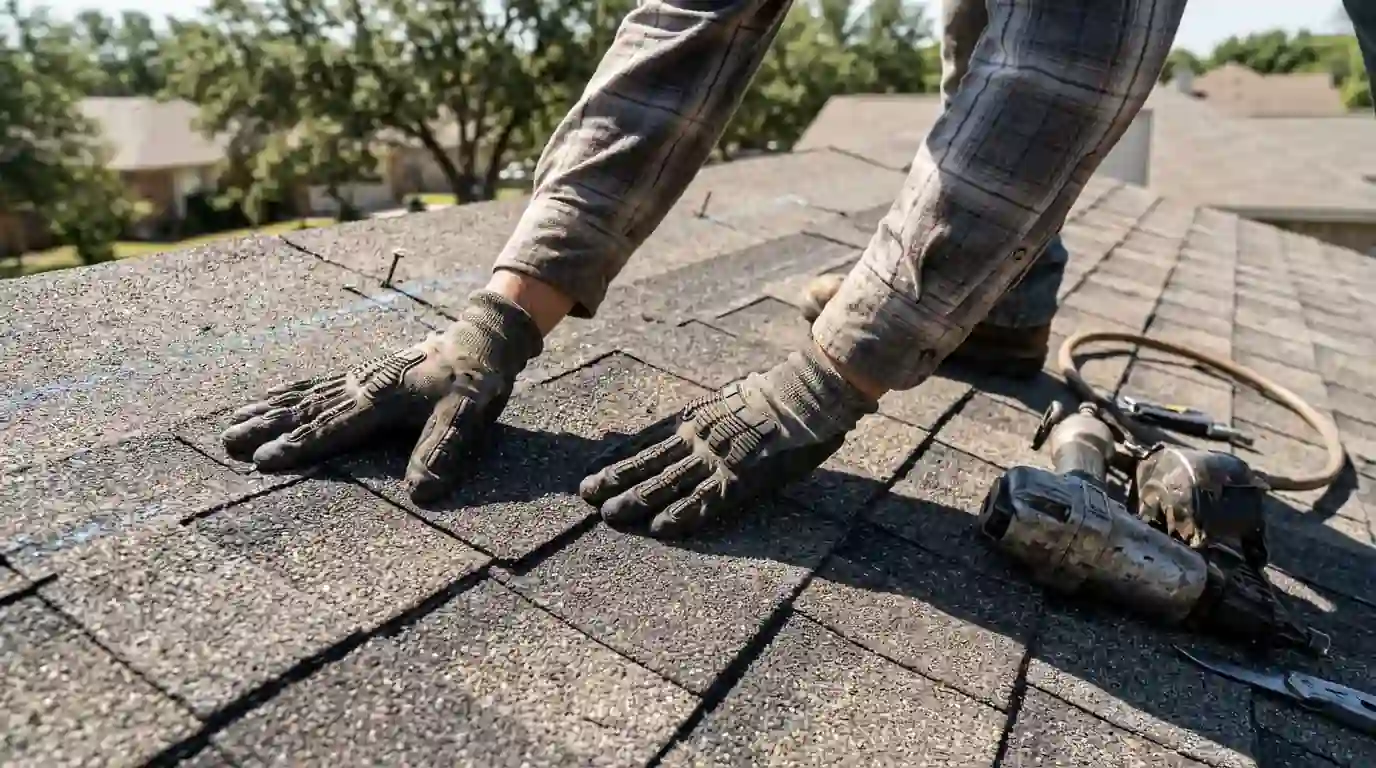
Neighborhoods built along I-35 in the 2000s often went up with three-tab or entry-level architectural shingles. After many Texas summers and a hail season or two, those roofs show granule loss, lifted tabs and brittle ridge caps. A few missing shingles after a windy night is often the first sign.
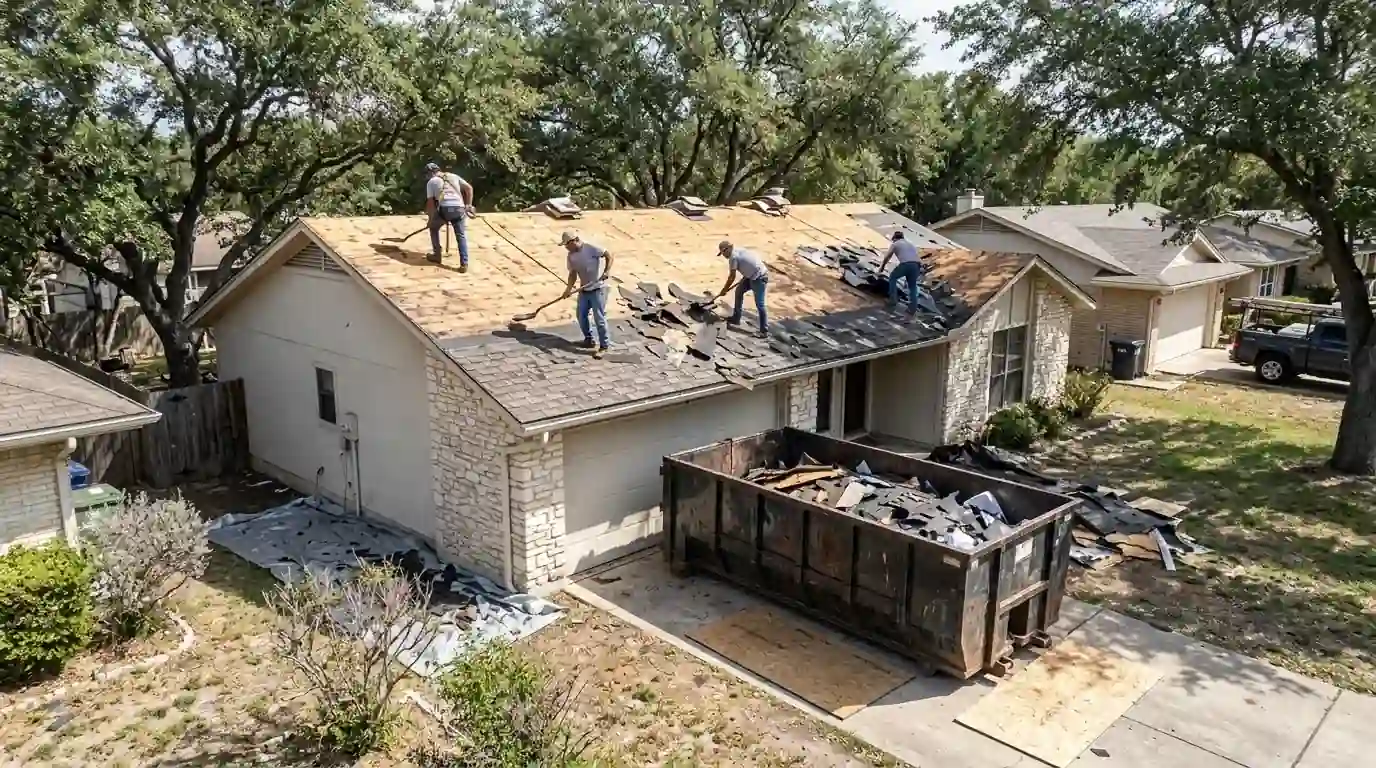
For these homes, a full reroof is usually simple: tear off one layer, check the decking, install new underlayment, drip edge and shingles, and reuse the gutters if they're sound. If you're weighing a patch against a new roof, our guide to the repair or replace decision walks through the signs that tip it one way or the other.
Keeping rental roofs from turning into emergencies
A short check each spring, before hail season and before a new lease starts, catches most rental leaks early. We look at boots, valleys, gutters and any spot where a tenant mounted a satellite dish. It's cheaper than drying out a bedroom in August, and you'll have photos on file showing the roof's condition between tenants.