Start with what the roof is made of and how old it is
Age alone doesn't decide anything, but it sets expectations. Architectural shingles in South Texas sun usually wear out sooner than the same product up north, while concrete tile and standing seam metal can outlast several shingle roofs. A 6 year old shingle roof with a wind-damaged ridge is a repair. A 20 year old one with the same damage needs a closer look.
If you don't know the roof's age, your closing papers, a past inspection report or a permit record may show it. On older homes in central neighborhoods, we sometimes find a second layer of shingles over the first, which changes the math because a new roof means tearing off both.
Signs that a repair is the right call
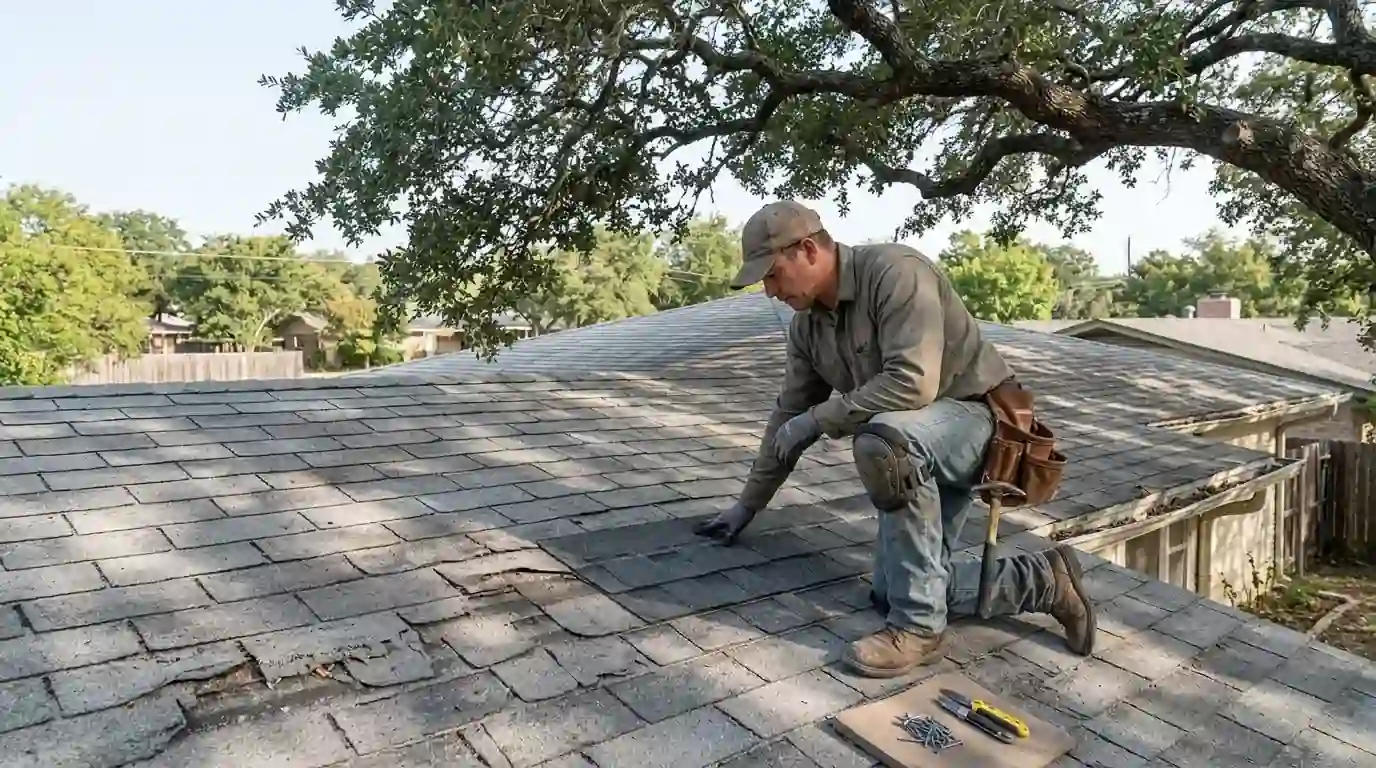
A repair is usually the better choice when the problem has a clear cause and a clear edge. These are the situations where a targeted fix tends to hold for years on a roof that's otherwise healthy.
Most repair visits we handle run about $385 to $1,465, and the real number depends on what we find once we're on the roof. A routine shingle and flashing repair on a sound roof is money well spent.
- Wind lifted or tore off a handful of shingles on one slope.
- A single leak traces back to a cracked pipe boot, failed flashing or a nail pop.
- Shingles across the rest of the roof still lie flat and hold most of their granules.
- The decking feels solid underfoot and looks dry from the attic.
- The roof is well under its expected life for that material.
Signs that replacement will save you money
Some roofs reach the point where every repair just moves the leak somewhere else. When the material itself is failing, patching one area can't stop the next one from opening up during the following storm.
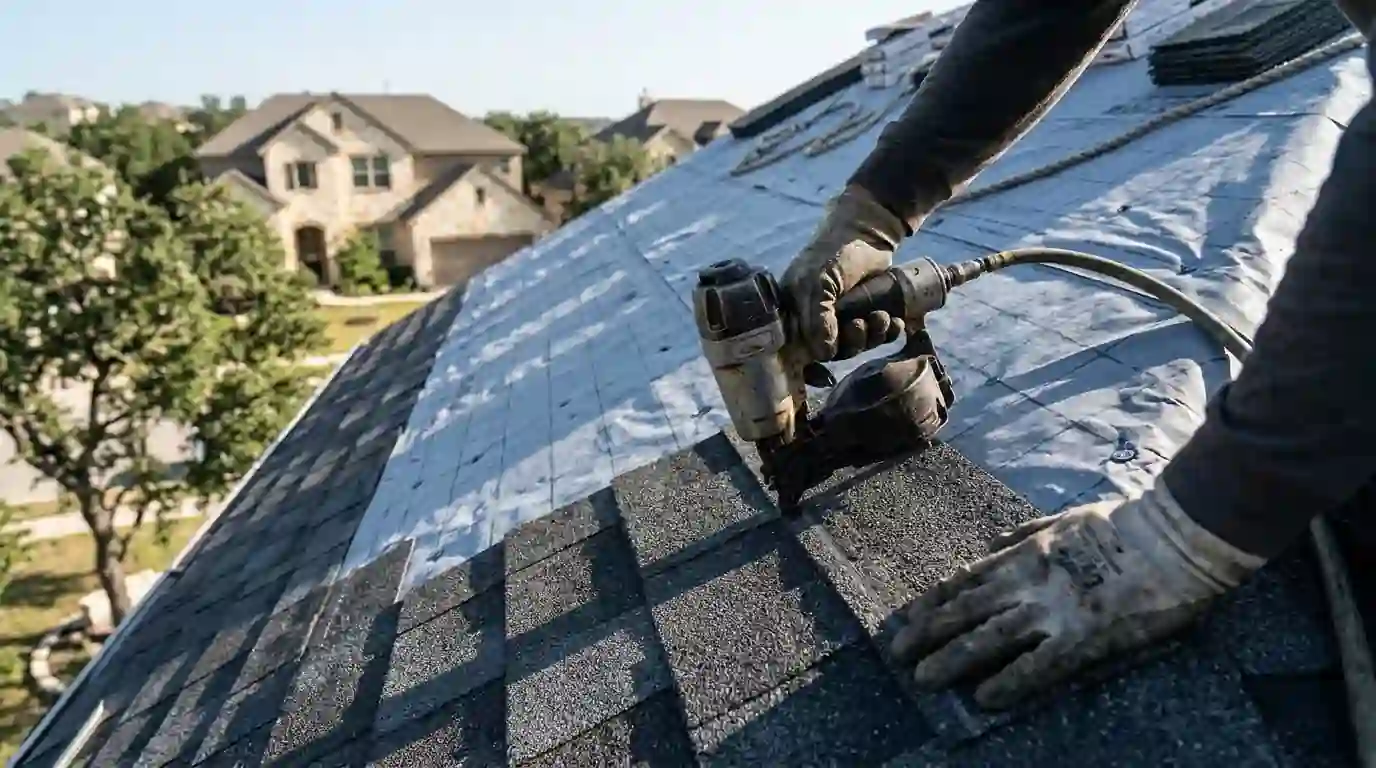
If several of these describe your roof, putting repair money toward a full roof replacement is usually the better use of it. On a typical San Antonio home, replacement starts around $9,850 and climbs with size, pitch, material and any decking repairs found during tear-off.
- Shingles are curling, cracking or brittle on more than one slope.
- Bare spots and heavy granule wash show up in the gutters and at downspouts.
- You've had leaks in different spots within the last couple of years.
- Soft or sagging areas suggest the decking underneath has rotted.
- Hail bruising or cracked tiles show up across most of the roof surface.
What the attic tells you that the roof can't
We always climb into the attic before recommending anything, because the underside of the decking is honest. Dark water trails along rafters, rusty nail tips and daylight showing through the boards all point to problems that don't show from the yard.
Water also travels. A stain over your living room may start several feet uphill, near a vent or valley, then run along a rafter before it drips. Finding that true entry point is the difference between a fix that lasts and one that fails at the next rain. If you see a fresh stain, our leak tracing work starts in the attic for exactly this reason.
Widespread soft decking, mold on the sheathing or several separate leak trails usually tip the answer toward replacement, even when the shingles still look acceptable from the street.
How hail and insurance change the decision
San Antonio sits in a hail-prone part of Texas, and spring is the main season. After a hailstorm, the question often shifts from repair or replace to whether the damage is covered. If hail bruised shingles across most of the roof, an insurance claim may fund a replacement that you'd otherwise pay for yourself.
Texas law is clear on two points. A roofing contractor can't act as your public adjuster, and can't waive or rebate your deductible. What we can do is document the damage slope by slope and walk your adjuster through it. The steps are laid out in our guide to how a Texas roof claim works.
If damage is limited to a few spots, a claim may not make sense once your deductible is subtracted. Your policy decides that, so read it before you file.
Running the numbers without guessing
A simple test helps. Add up the repairs you've paid for over the last few years and what the current repair would cost. If that total is climbing toward a meaningful share of a new roof, and the roof is past the middle of its life, replacement often costs less over time.
Also think about how long you'll stay. Selling within a year or two may mean a solid repair plus a roof inspection report is enough for buyers. Staying ten more years usually favors replacing now, especially if you'd move to impact-resistant shingles that can qualify for an insurance premium discount.
Timing matters too. Replacing before spring hail season, rather than patching a tired roof again, means you're not filing claims on a roof that was already worn.
What a useful inspection report should include
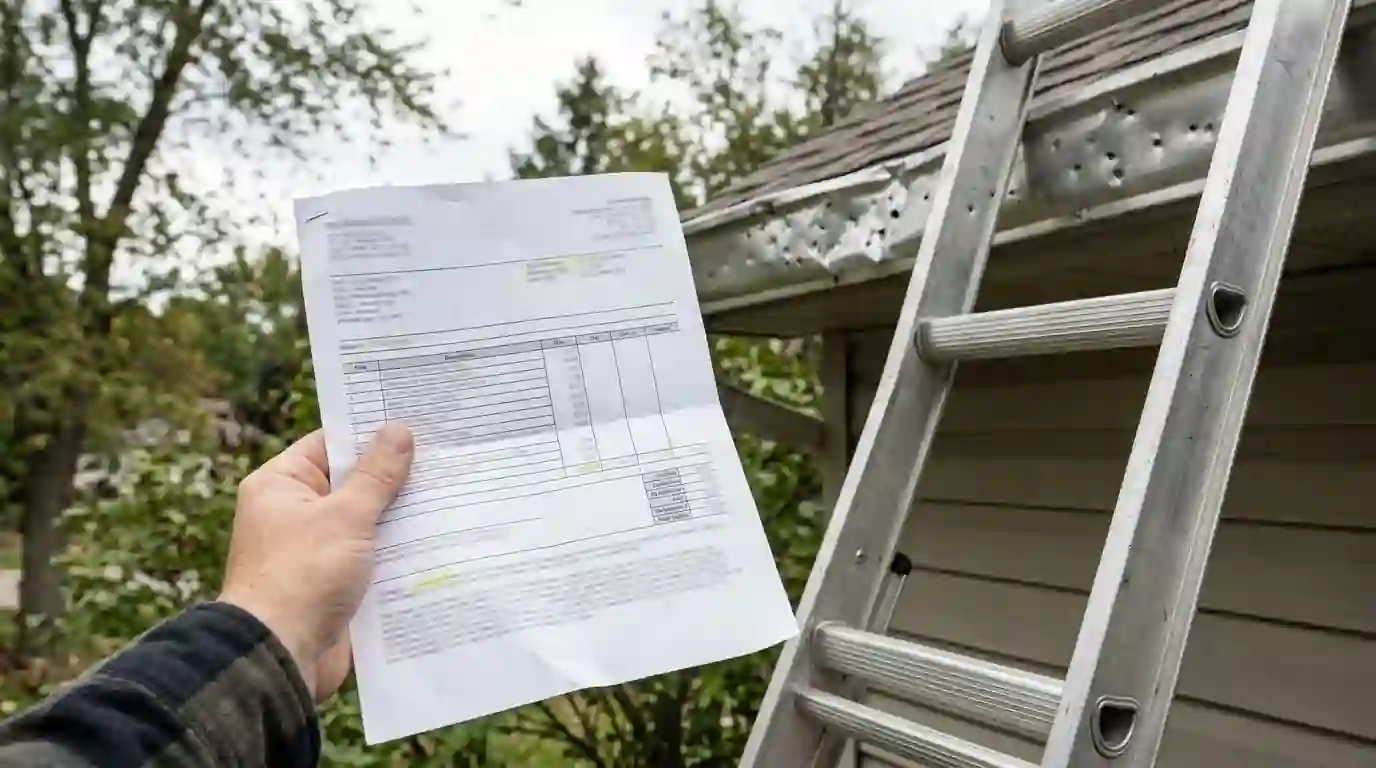
Whoever looks at your roof should leave you with something you can check, not just an opinion. Photos of each slope, a note on decking condition from the attic and a plain statement of whether repair will hold give you something real to compare.
Ring our line at (210) 750-1898 any time, day or night. We'll inspect, photograph what we find and tell you straight whether a repair will buy you real years.
- Photos of every slope, not only the damaged one.
- The condition of flashing, pipe boots, vents and valleys.
- What the attic showed, including decking and any water trails.
- An estimate of remaining life with the repair done.
- Separate prices for the repair and for replacement so you can compare.