Which buildings on your acreage need a look after a storm?
Start with the ones you don't walk into every day. A metal shop or barn can lose a few fasteners or a ridge cap in a hailstorm, and the leak only shows when stored hay, tools or a vehicle gets wet. By then the purlins under the leak may have started to rust, which turns a small repair into a bigger one.
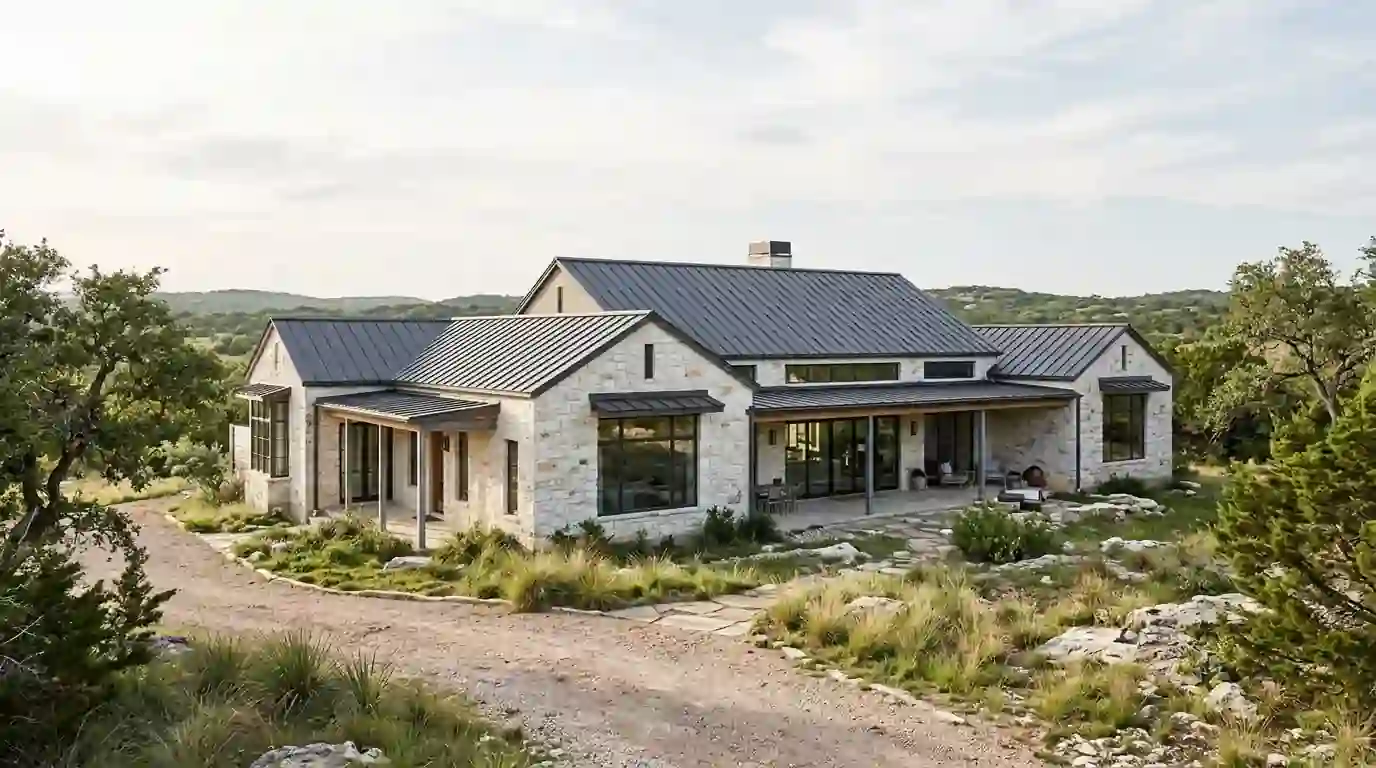
On a Bulverde visit we walk the house roof first, then each outbuilding, and photograph damage per structure. That matters for claims, because many policies split the dwelling from other structures with separate limits. Our hail repair work follows the same split, so you get a scope for each building and nothing gets lumped together.
How do you choose between screw-down metal and standing seam here?
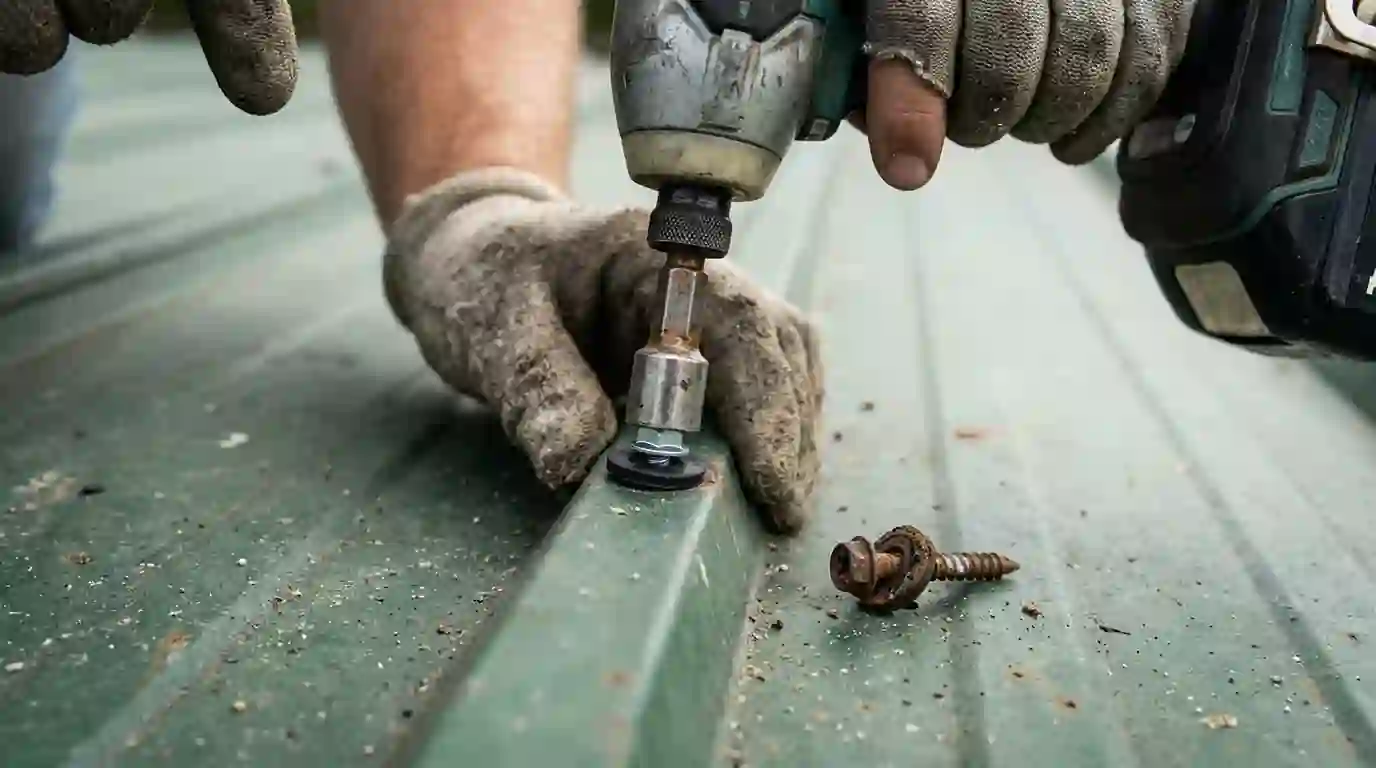
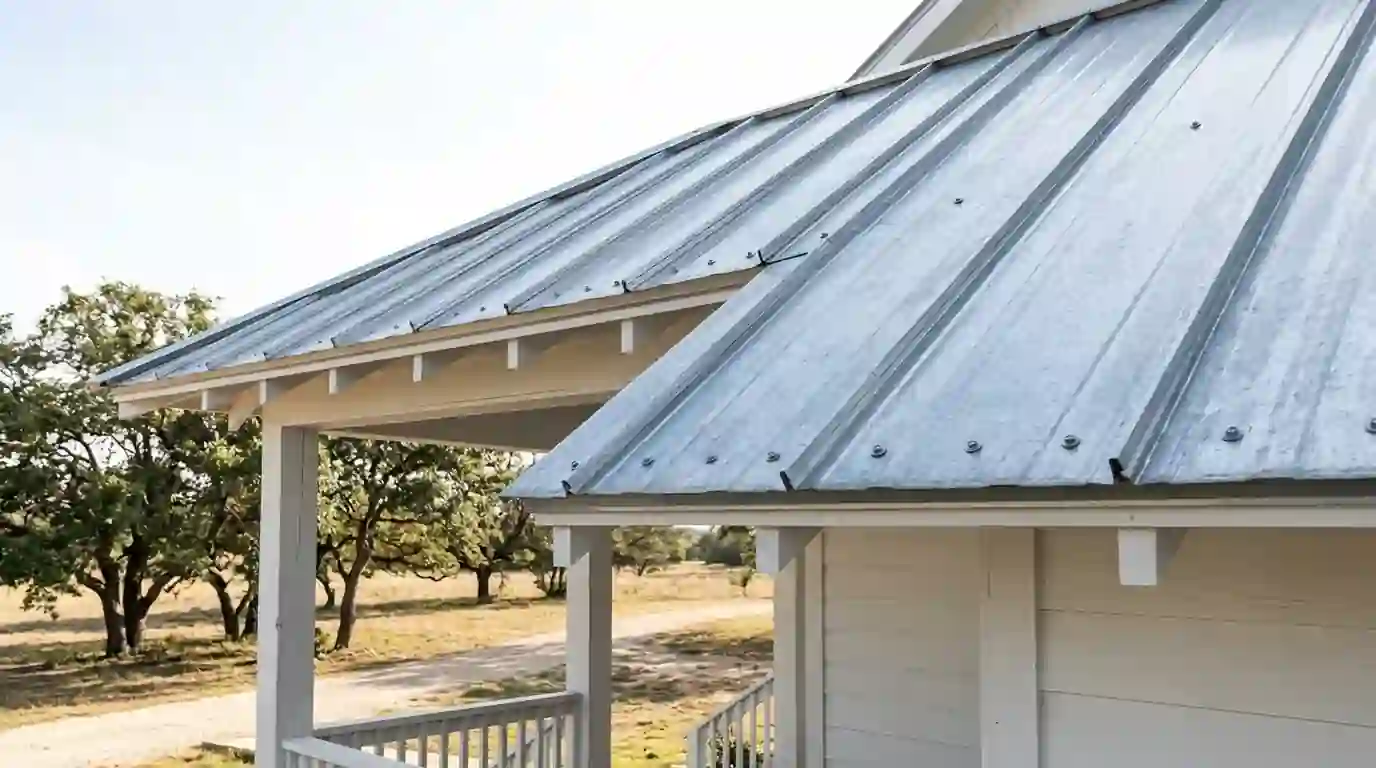
Exposed fastener panels, often 5V or R-panel, are common on shops and on some older homes off US-281. They cost less and go on quickly, but every screw is a hole sealed by a rubber washer that ages in the sun. Expect to tighten or replace fasteners as those washers dry out and crack.
Standing seam panels hide the fasteners under the seam and let the metal expand and contract with the heat. On a house you plan to keep, that usually pays back in fewer leaks and less upkeep. For a shop or barn, screw-down metal is still a sensible choice, and we'll explain the tradeoff with real numbers after measuring.
What Hill Country wind does to ridge caps and trim
Storms rolling in off the Hill Country often push straight-line gusts ahead of the hail. On metal roofs, the weak points are ridge caps, rake trim and gable ends, where wind gets under an edge and pries it up. One loose rake piece can peel back several feet of trim in a single afternoon.
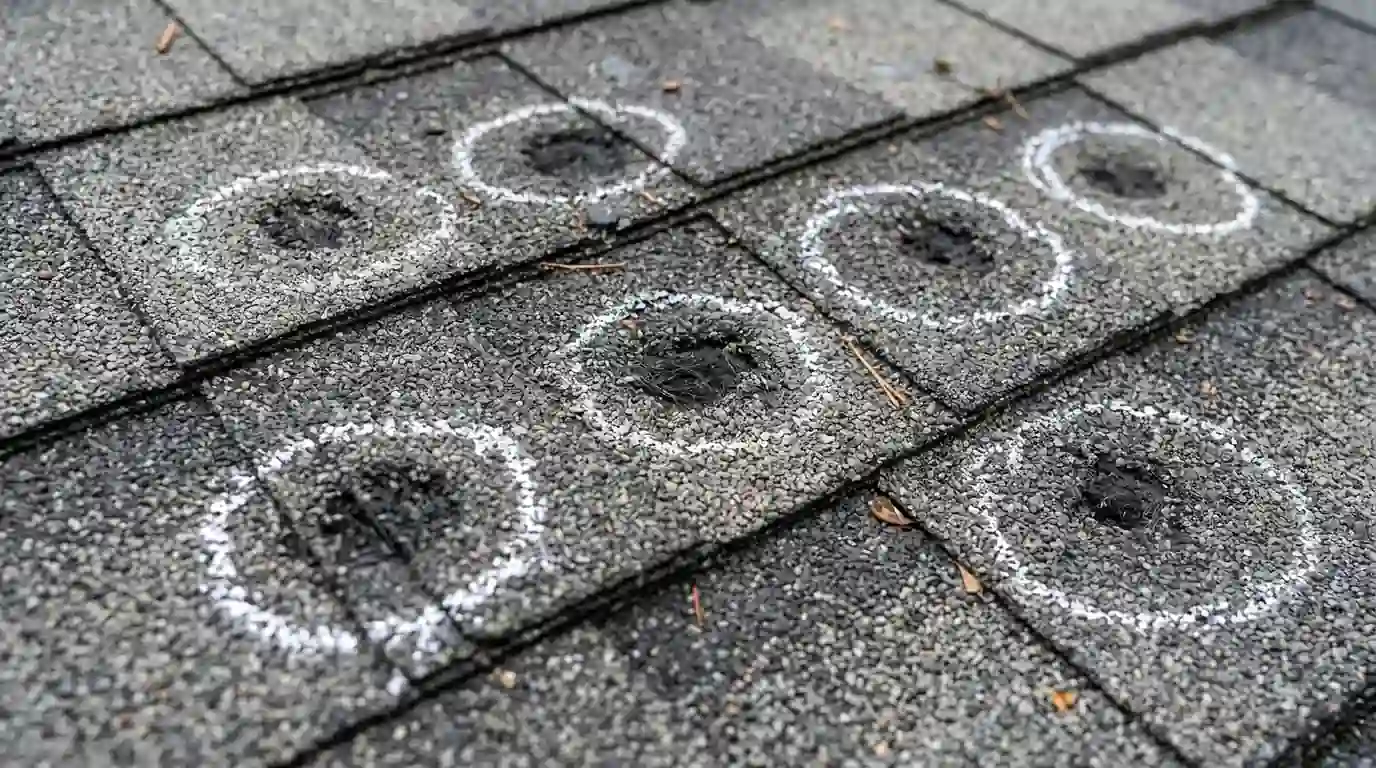
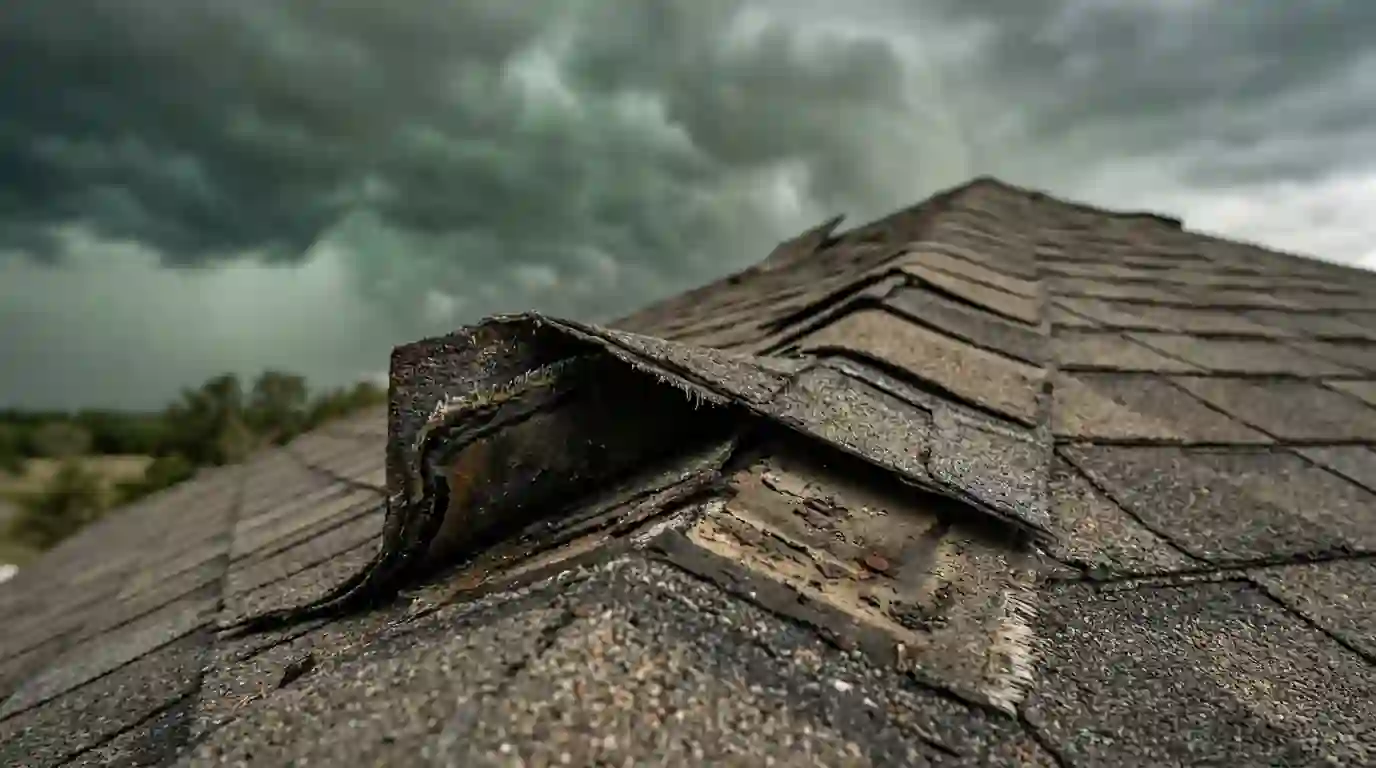
We reattach trim at the correct fastener spacing and replace bent pieces instead of hammering them flat. On shingle roofs in the newer Bulverde subdivisions, we look for creased tabs and lifted rows on the windward slopes, the kind of damage covered under wind damage repair. Those creases break the seal strip, and the shingle won't lie flat again.
If you're planning a new roof anyway, ask about Class 4 rated shingles for the house. Texas requires insurers to offer a premium discount for qualifying UL 2218 Class 4 roofing, though the amount varies by company, so it's worth a quick call to your agent before choosing.
Getting a clear plan for the whole property
Once every structure is documented, we rank the repairs by risk. Open seams over living space come first, then shop roofs protecting equipment, then cosmetic dents. You'll know what's urgent and what can wait until after the storm season, and you can phone (210) 750-1898 any time to talk it through.