Why concrete tile roofs in Stone Oak fail from underneath
Concrete tile itself can last for decades, but the felt or synthetic underlayment beneath it is the real waterproofing layer. On homes from the late 1990s, that underlayment has spent twenty-plus summers in attic heat, and it turns brittle. When it cracks at the valleys or around pipe penetrations, water reaches the decking even though the tiles look fine from the street.
The fix is often a tile lift and relay: we remove tiles in the affected area, stack them, replace the underlayment and flashing, then set the same tiles back. That keeps the original color, which matters when the HOA wants a match. Broken pieces get swapped for matching profiles, and our tile repair work includes checking every hip and ridge for loose mortar or fasteners.
Walking a tile roof the wrong way breaks tiles, so be wary of anyone who climbs up and strolls across the field. We step on the lower third of each tile, near the headlap, and use pads on the steeper sections.
Are Stone Oak shingle roofs from the 2000s due for replacement?
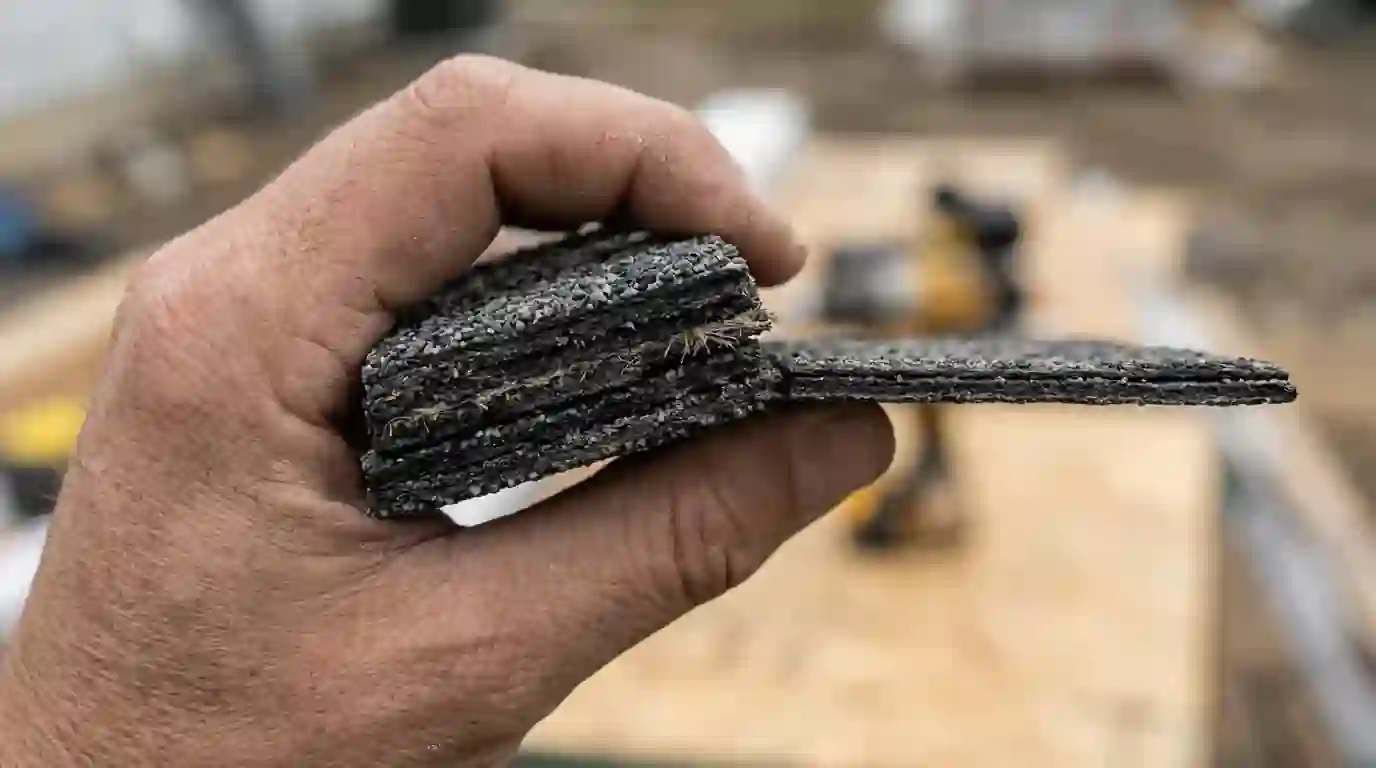
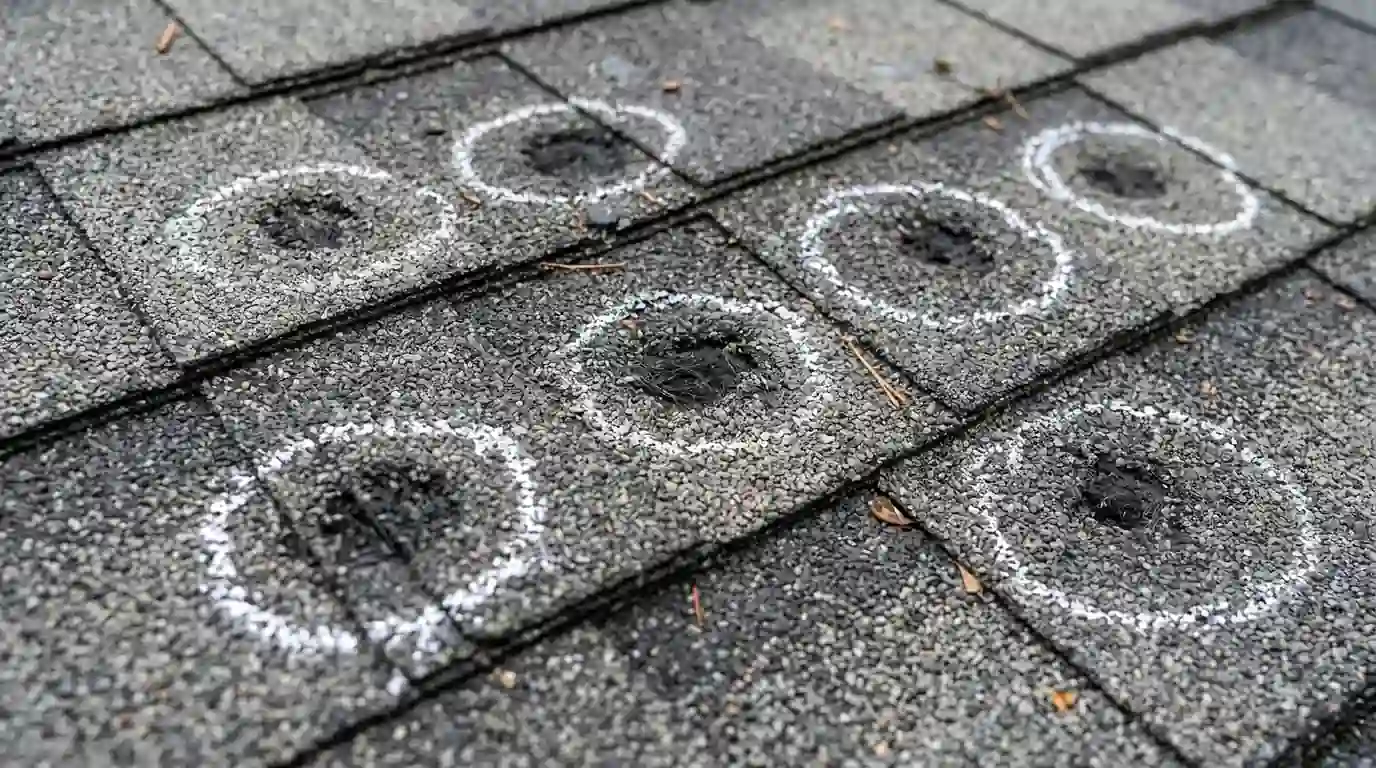
Many shingle roofs here went on during the building boom of the early 2000s, and plenty were replaced after the April 2016 hail. Either way, a lot of them are now at the point where granules wash into the gutters and tabs curl at the edges. Hilltop lots catch extra wind, so seal strips let go sooner on exposed slopes.
If you're planning a full reroof, it's worth pricing impact-resistant shingles. Texas insurers must offer a discount for qualifying Class 4 roofs, though the amount varies. We'll also check attic ventilation, because many two-story homes here have undersized intake at the soffits, which cooks shingles faster.
Getting HOA approval before the roofers arrive
Most Stone Oak neighborhoods have architectural review committees that approve roof color, profile and sometimes brand before a permit is pulled. We give you the manufacturer spec sheet, the color name and a sample photo so your submission is complete the first time. Approval timelines vary by HOA, so start that step while you're still comparing estimates.
Our guide to HOA roof rules in master-planned neighborhoods covers the common sticking points, such as switching from tile to shingle or adding metal accents. We work the same way in nearby Encino Park and the other north-side communities off US-281.