Why HOAs care so much about roofs
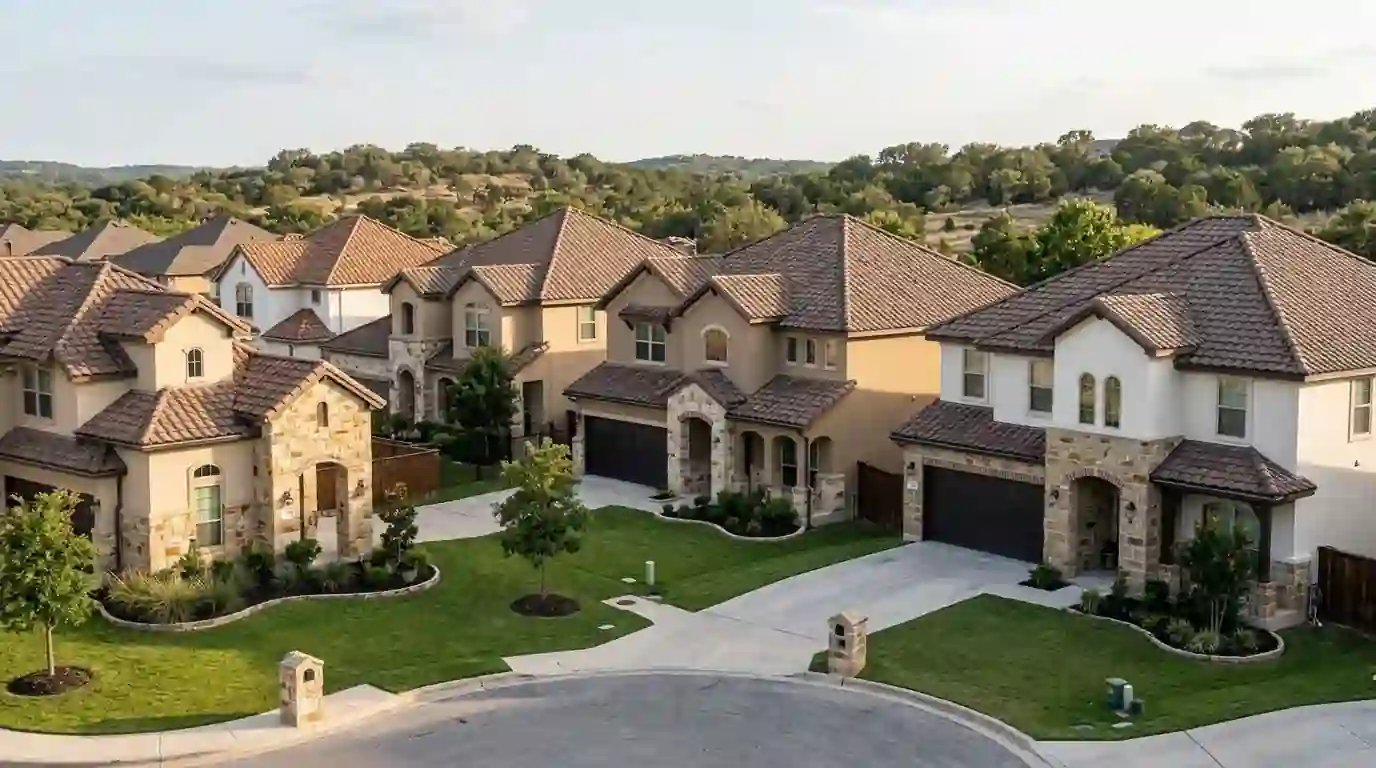
In communities like Stone Oak, The Dominion, Alamo Ranch and Cibolo Canyons, the roofline is one of the first things you see from the street. Deed restrictions and design guidelines are written to keep that look consistent, so a sudden switch from earth-tone tile to bright metal on one house stands out.
These rules usually live in documents called covenants, conditions and restrictions, along with separate architectural or design guidelines. The guidelines are where you'll find the specifics: approved materials, color families, minimum shingle grades and sometimes roof pitch rules for additions.
Ask your management company for the current version of both documents before you pick a product. Guidelines get amended over the years, and an older copy from your closing folder may list colors or materials that are no longer accepted. Some communities also post approved shingle and tile color lists online, which saves a round of back and forth with the committee.
Changes that almost always need approval
Every community writes its own rules, but some changes trigger review nearly everywhere. If your plans include any of the items below, expect to submit an application and wait for an answer before work starts.
Even a like-for-like replacement may need a simple notice or approval in some communities. A short note or call to your management company before you sign a contract settles that question.
- Switching material, such as tile to shingle, shingle to metal, or tile to synthetic slate.
- Choosing a shingle or tile color outside the original or approved palette.
- Adding skylights, solar panels or new roof vents visible from the street.
- Changing the roof shape or pitch, or roofing a new patio cover or addition.
- Replacing gutters with a different color or profile.
What to include in an architectural review application
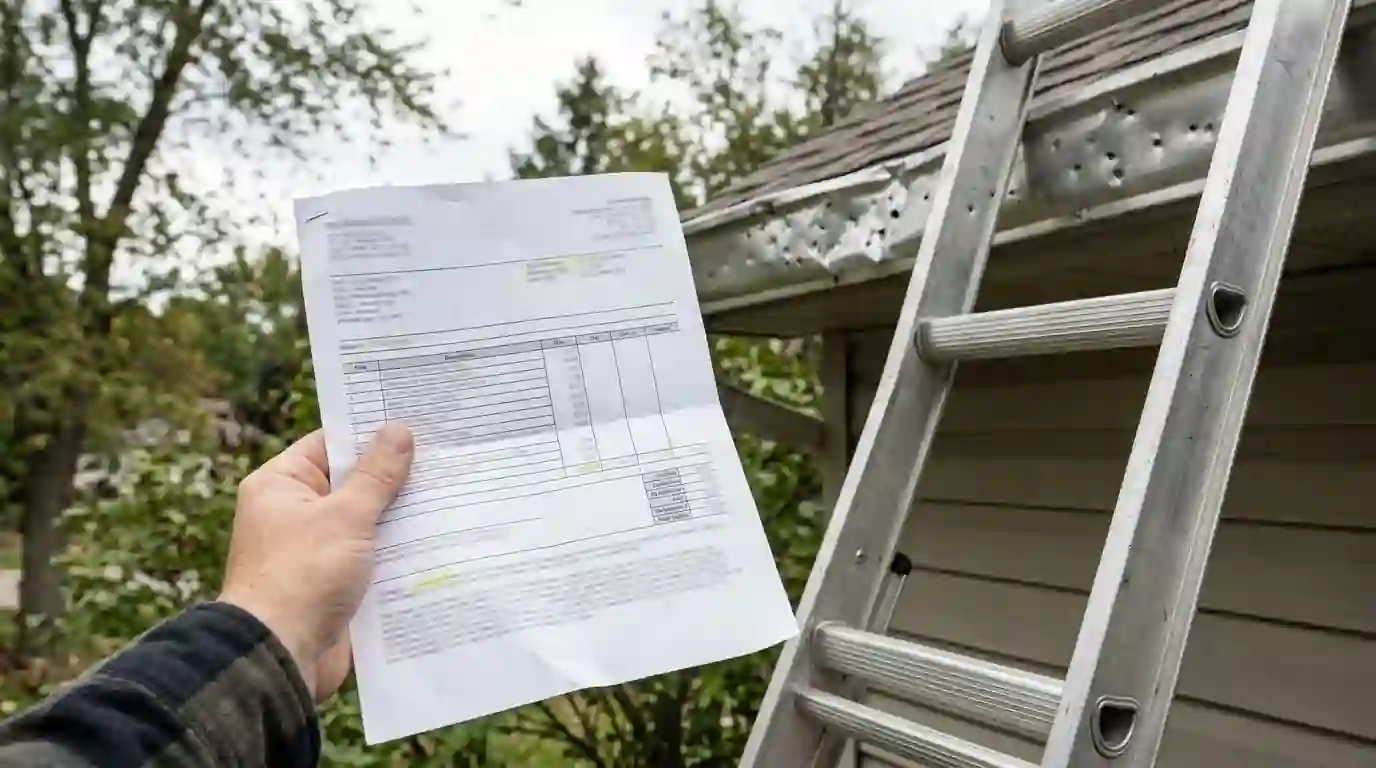
A complete package moves faster, and an incomplete one is the most common reason applications come back. Most review committees look for roughly the same set of documents.
We put together the product details, colors and scope for your application so you aren't hunting down spec sheets yourself. You still sign and submit it as the owner, since the HOA's process runs through you.
- The HOA's own application, signed by the homeowner.
- Manufacturer, product line and exact color name of the new roofing material.
- A sample, brochure or color photo of the product.
- A short scope of work describing tear-off, underlayment and any vent or flashing changes.
- Photos of the home's current roof and front elevation.
- Contractor name and contact information, if the application asks for it.
How long does HOA approval usually take?
Timing varies by community. Many review committees meet on a regular schedule, so if you just miss a meeting, you could wait several weeks for the next one. Governing documents often set a response window, and some say an application is approved if the committee doesn't answer in time, but read your own documents before relying on that.
After a large hailstorm, review committees can fill up with applications all at once. That's when delays stretch. If your roof is damaged, protect the house first with a tarp or temporary repair, then file the application with your insurance paperwork in hand.
Get the approval in writing and keep a copy with your roof records. If a question comes up years later when you sell, that letter settles it.
Using impact-resistant shingles under HOA rules
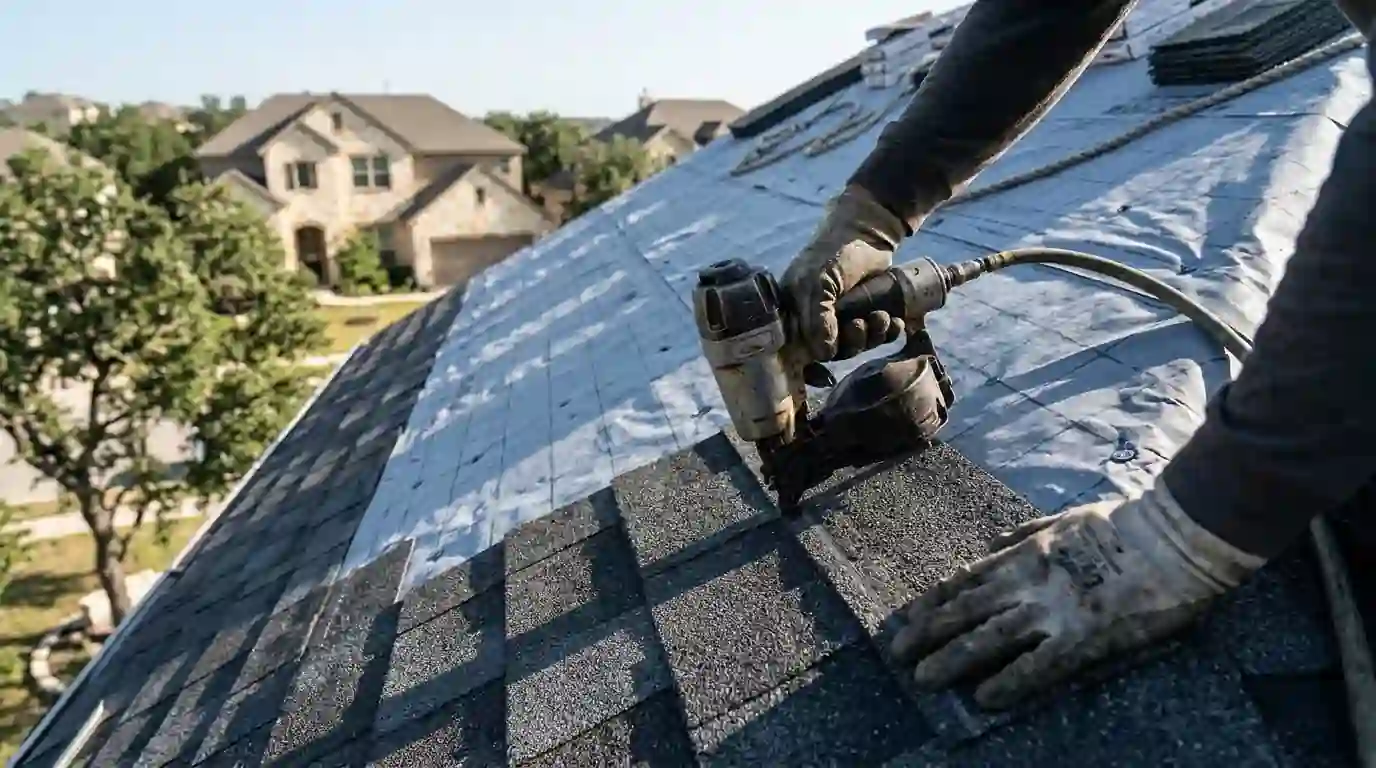
Many homeowners in hail-prone neighborhoods want UL 2218 Class 4 shingles. Texas requires insurers to offer a premium discount for qualifying impact-resistant roofing, though the amount varies by insurer. Upgrading at replacement time makes a lot of sense in north and west San Antonio.
Class 4 products come in many of the same colors and profiles as standard architectural shingles, so they usually fit an HOA's look. Name the exact product and color on your application. Our guide to Class 4 shingles and the insurance discount covers what to ask your insurer, and we install impact-rated shingle lines that suit most community palettes.
Tile, metal and slate looks in upscale communities
Gated and upscale communities, including The Dominion and parts of Cibolo Canyons, often have stricter rules. Many homes there were built with concrete or clay tile, and guidelines may require tile or a close match on replacement.
Synthetic slate and shake can sometimes satisfy those rules with less weight than real tile or slate, but approval depends on how closely the product resembles what's already on the street. Standing seam metal is allowed in some communities and restricted in others. Bring brochures and, where possible, a physical sample.
If your tile roof only needs repair, approval is rarely an issue as long as replacement tiles match. Our tile repair work focuses on matching color and profile so the roof still reads as one consistent surface from the curb.
Common mistakes that lead to HOA violations
Most HOA roof disputes start with good intentions and missing paperwork. Fixing a violation after the fact can mean fines, or in the worst case, replacing a roof you just paid for.
Phone us at (210) 750-1898, any hour. We'll inspect the roof, then help you assemble product details for the review committee.
- Starting work before written approval arrives.
- Describing the color loosely instead of naming the exact product color.
- Assuming storm damage replacement doesn't need review.
- Forgetting that gutters, vents and skylights may fall under the same rules.
- Not keeping the approval letter with the home's records.