What Castroville's old stone houses need from a roofer
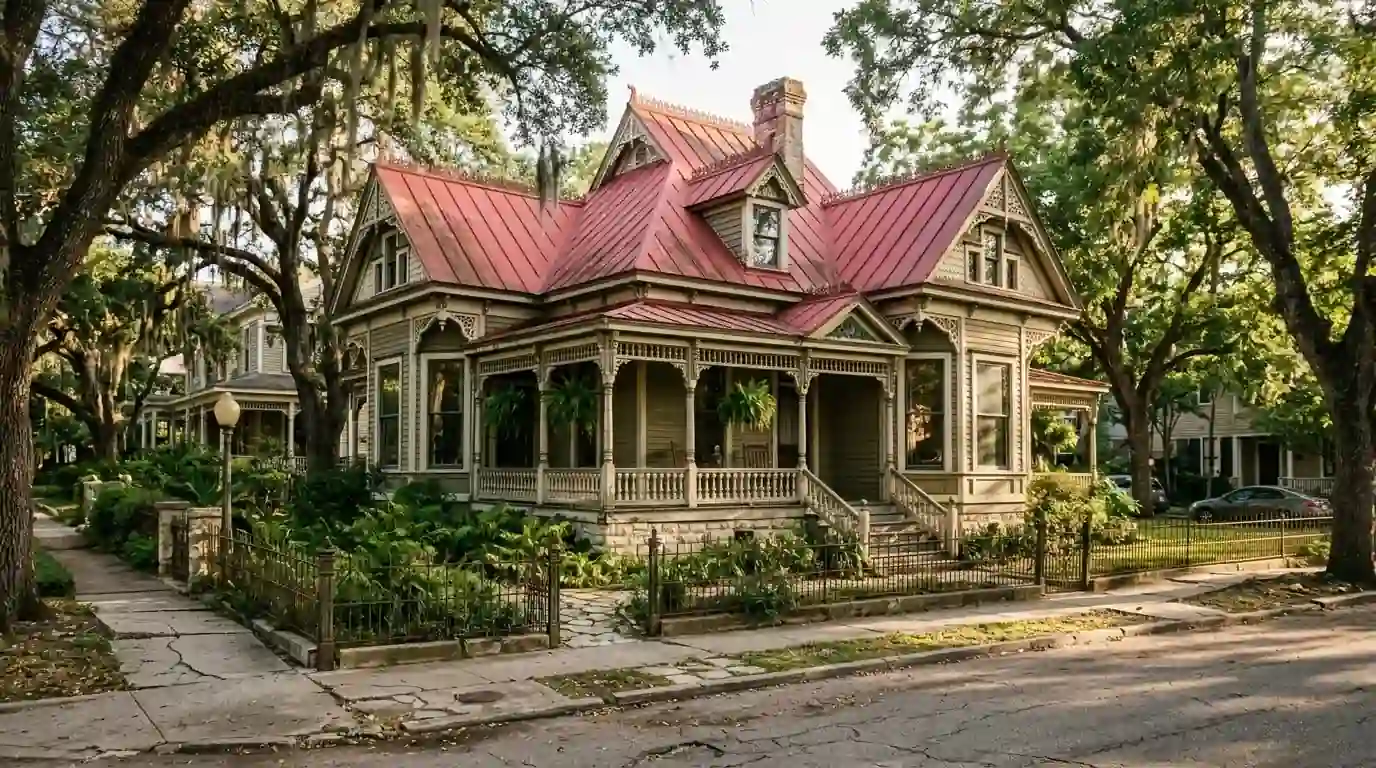
Castroville was settled by Alsatian immigrants in the 1840s, and some of its stone houses still stand with the steep roofs that came with that heritage. Many now carry metal, laid over framing that's uneven and was spaced by hand. Before we replace anything, we look at the rafters and purlins to see what will hold new panels straight.
Flashing against stone walls and chimneys is the usual weak point. Old tar patches get layered on over the years, and each layer traps a little more water against the wood. We cut out the patching, set new flashing into the mortar where we can and leave the stone as intact as possible.
How do ranch metal roofs in Medina County fail?
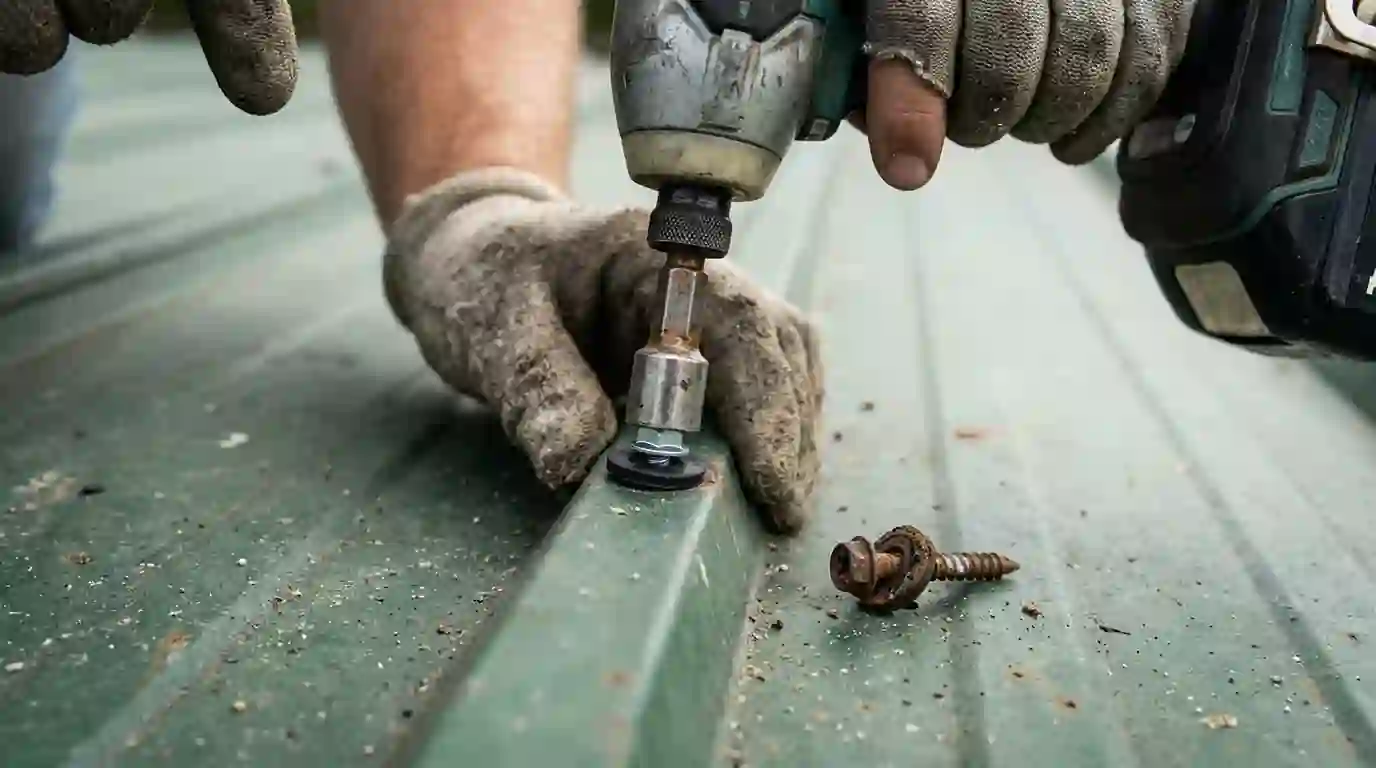
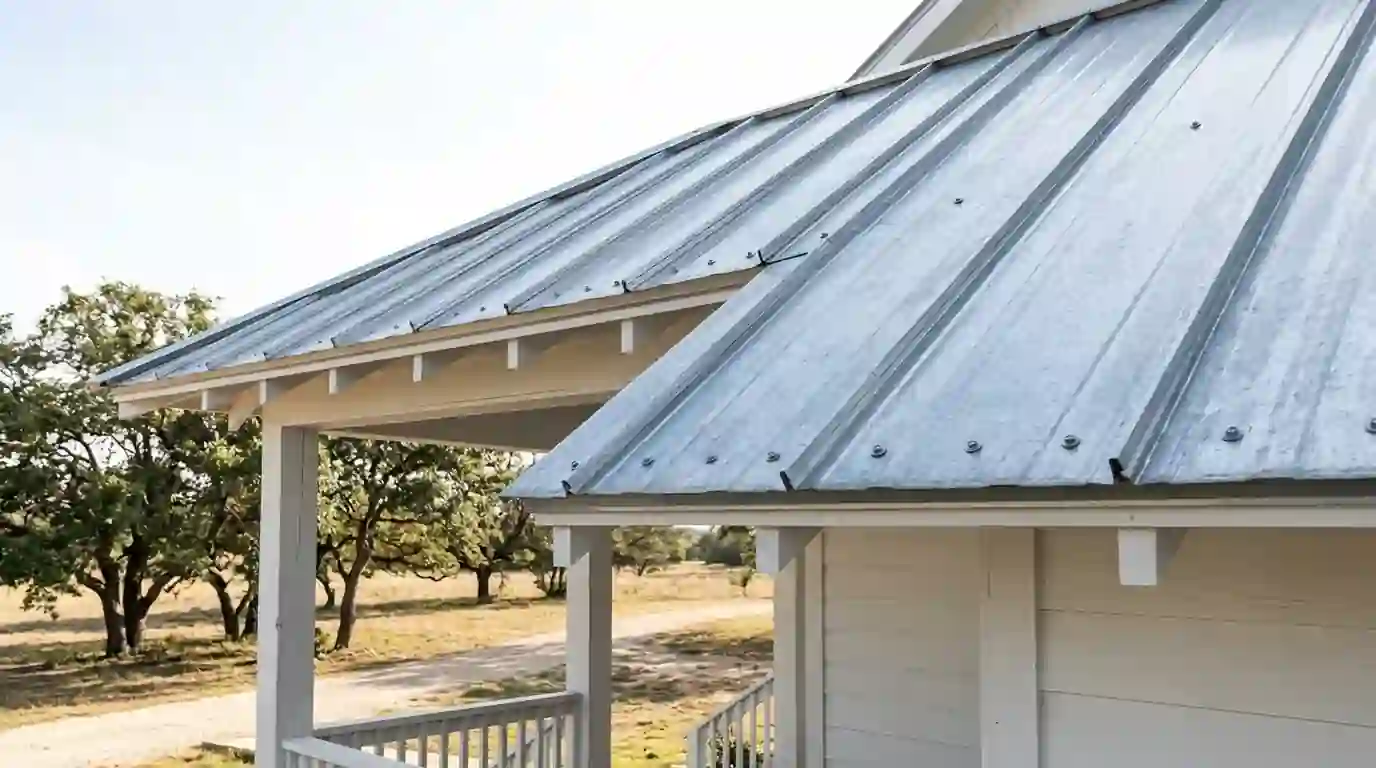
Most of the metal we see around Hondo, Devine and the county roads is exposed-fastener panel: 5V crimp on houses and corrugated or R-panel on barns. The panels themselves often last decades. What gives out is the screws, the washers and the sealant at laps and ridge caps, which dry out in the sun and let wind-driven rain inside.
A metal roof repair visit usually means walking every row of fasteners, replacing the ones that have backed out, resealing laps and swapping rusted sheets. If the roof is past that point, a new 5V crimp roof is a common choice for ranch houses because it keeps the look most owners want.
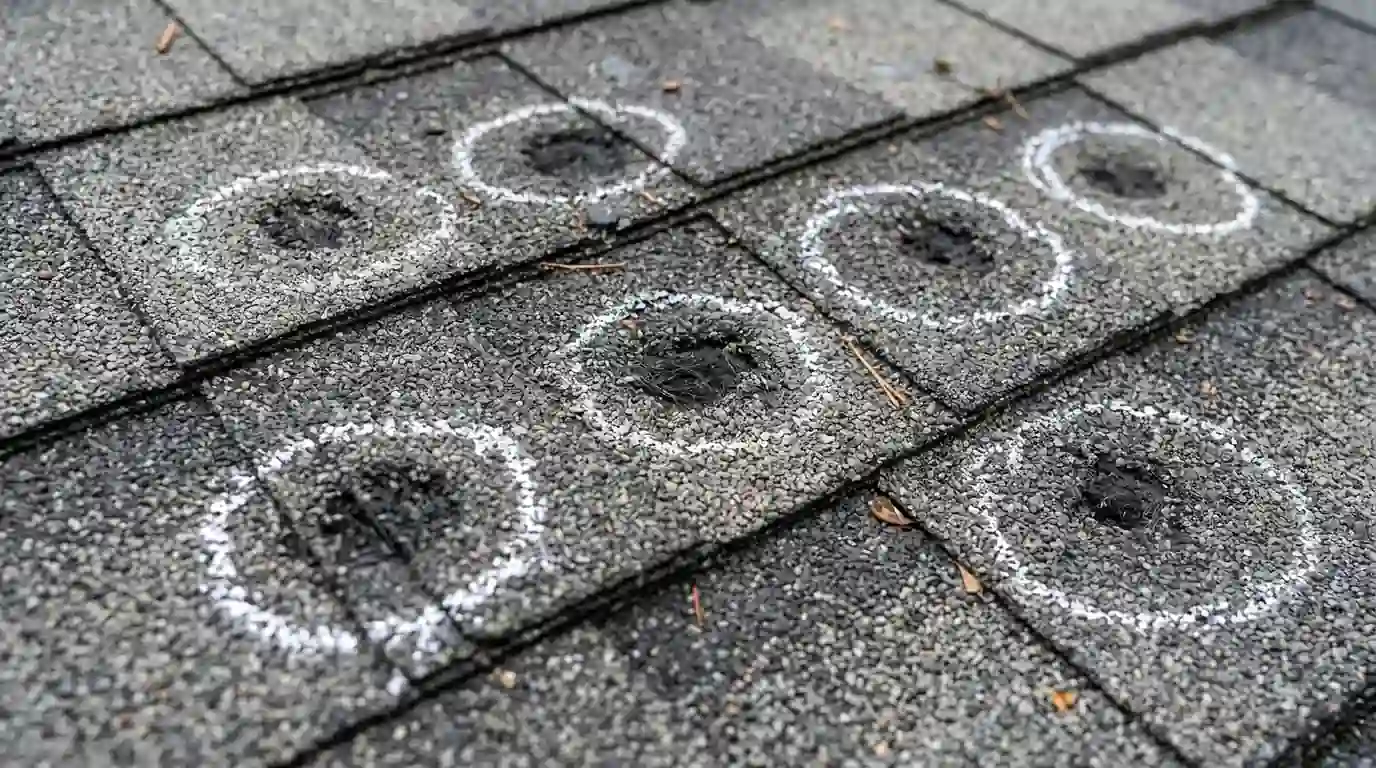
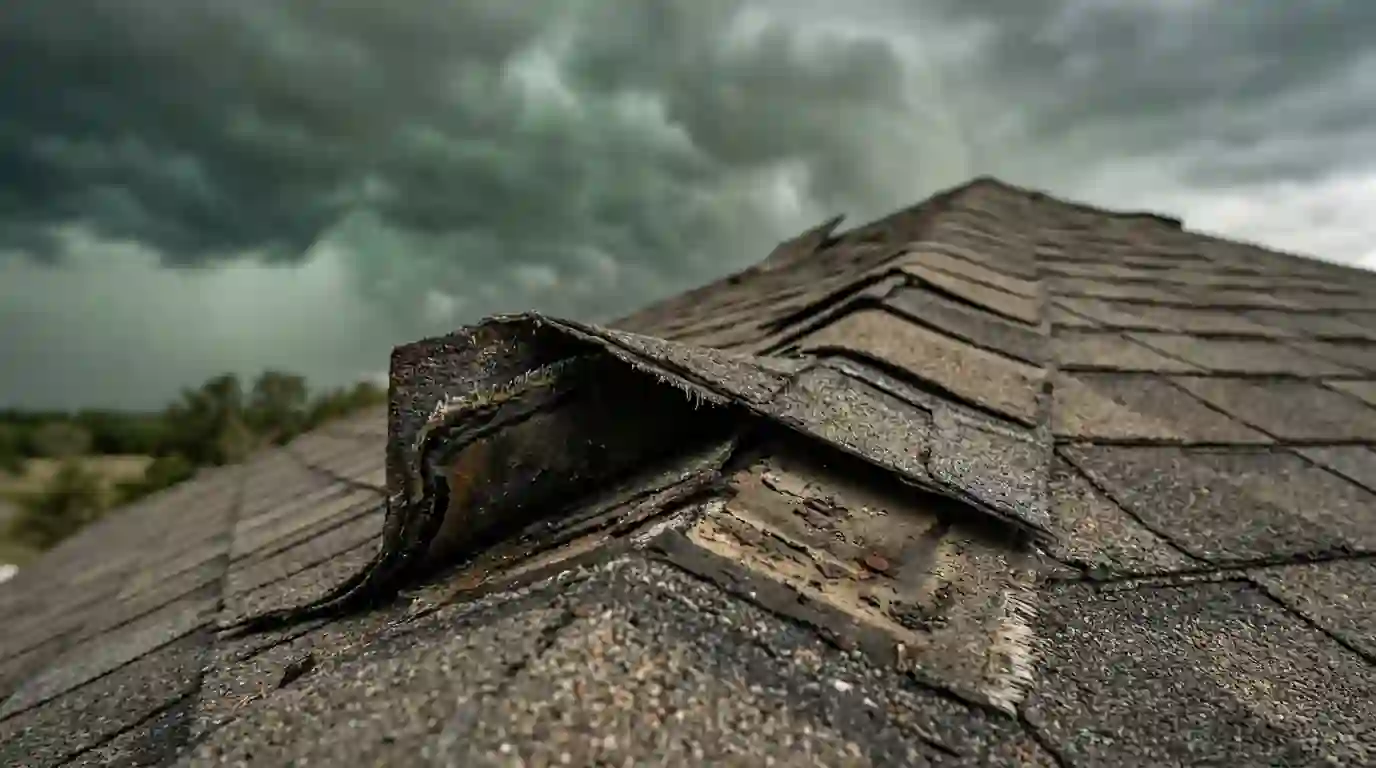
Newer homes near Lytle and along the eastern edge of the county look more like San Antonio's suburbs, with architectural shingles on simple gable and hip roofs. Those roofs mostly need the usual care: pipe boots replaced as the rubber cracks, nail pops sealed and hail damage checked after spring storms.
How to protect a rural roof after a Medina County hailstorm
Out here, a storm can hit one ranch hard and skip the next one entirely, so a neighbor's report isn't a reliable guide. Walk your property, check vehicle hoods, AC fins and metal outbuildings for fresh dents, and take dated photos of anything you find. Our checklist for the first day after hail covers what to document before you contact your insurer.
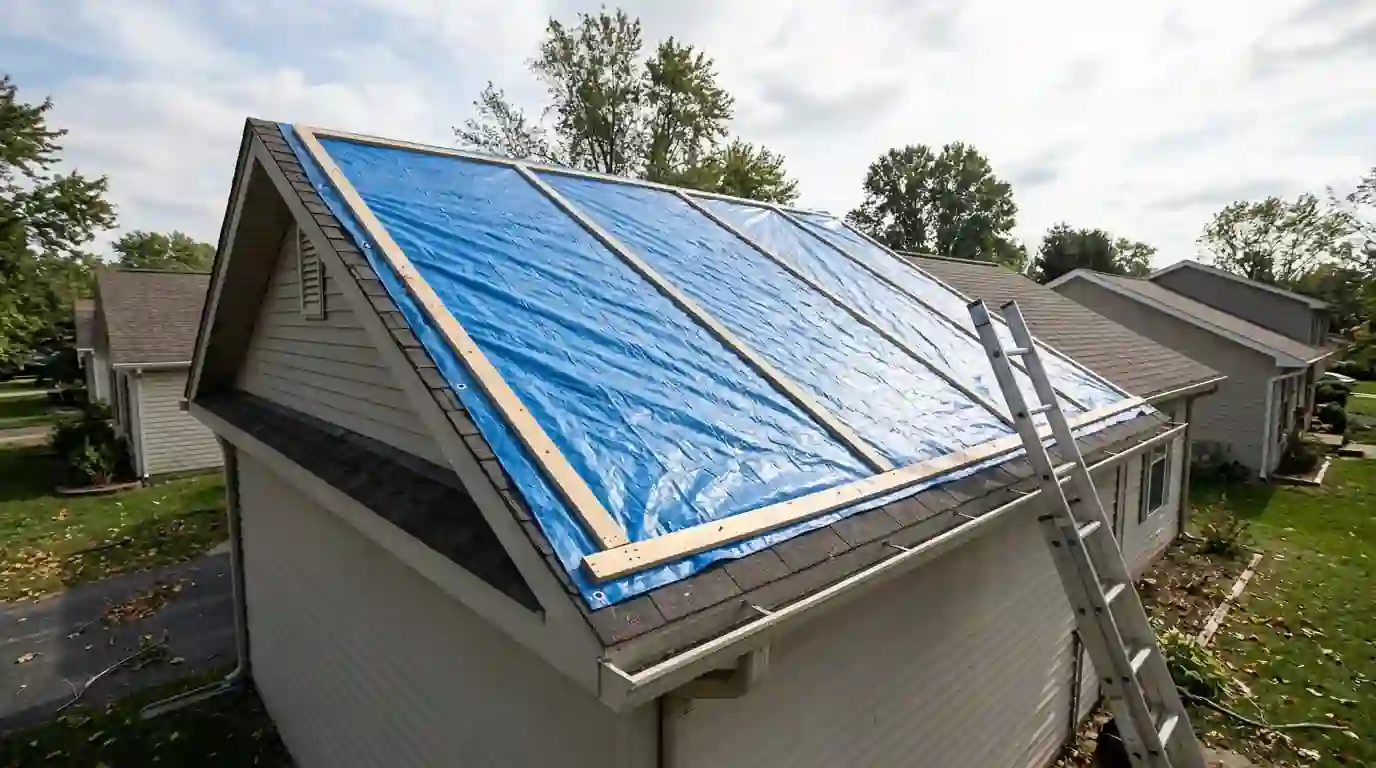
If water is coming in, we can tarp the damaged area and return for the full repair once the claim is underway. On a long drive west we'd rather combine those trips when it's safe to wait, so mention every building with damage when you phone.