How to spot hail damage on a Westover Hills roof from the ground
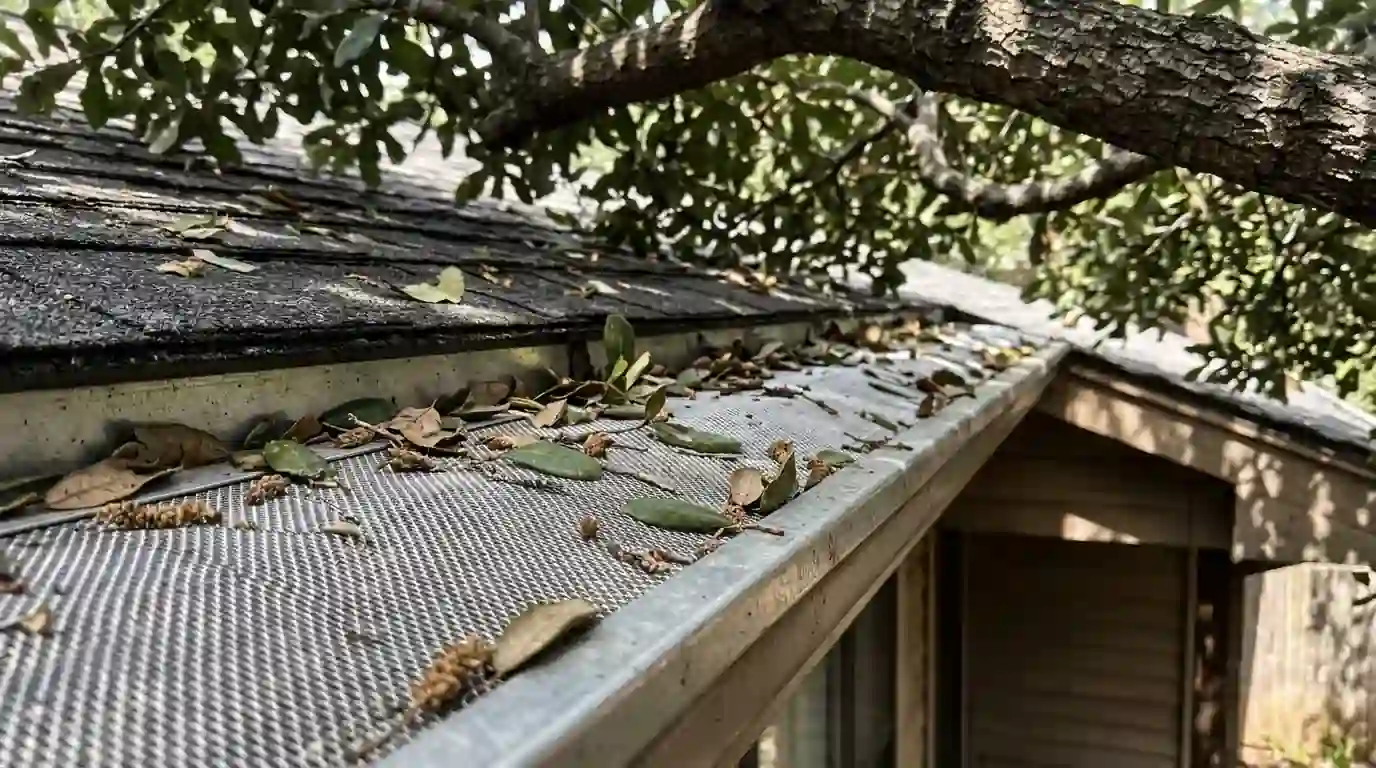
You often can't see hail bruises from the yard, but you can see the clues around them. Check metal first: dents on gutters, downspouts, roof vents and the AC unit point to the size of the hail. Look for granules piling at downspout outlets and for torn window screens on the side that faced the storm.
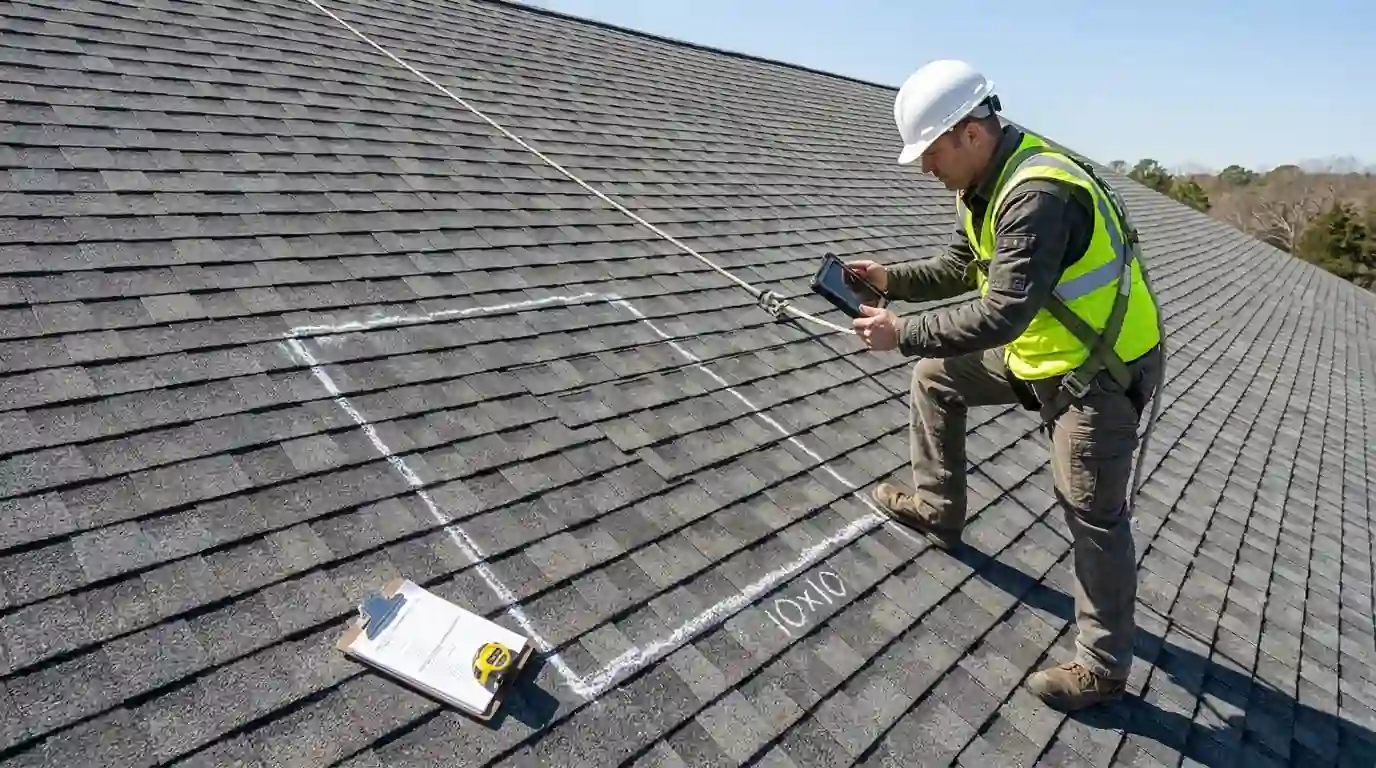
If you see those signs, have the roof looked at before the next rain. Our guide to the day after a hailstorm lists what to photograph yourself. On the roof, we mark each hit within a test square, note cracked shingles and lost granules, and photograph soft metals for scale.
Second and third rounds of hail on roofs replaced after 2016
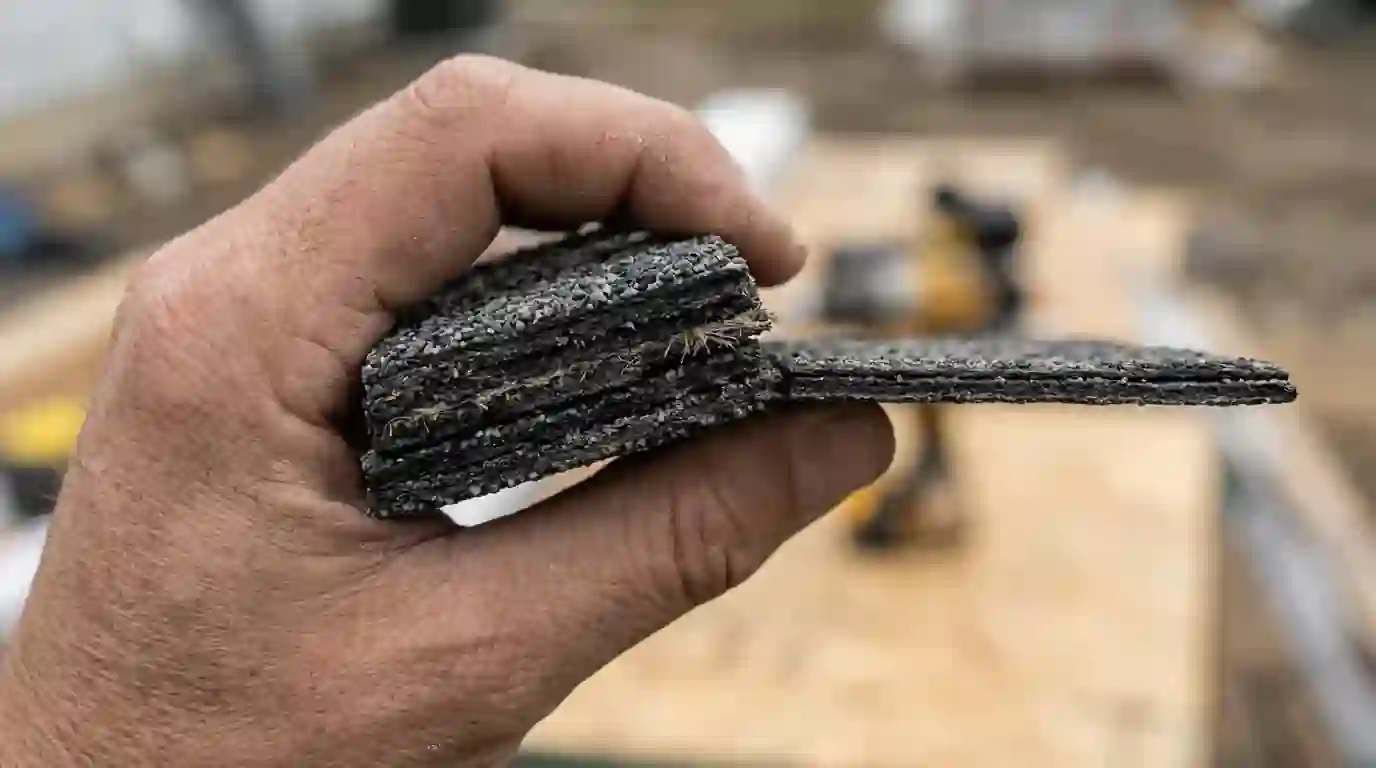
Many Westover Hills roofs went on after the April 12, 2016 storm, which means they're now around ten years old and some have already been hit again. A shingle that took a moderate hit a few years ago may be losing granules faster at those spots, and the next storm can turn those weak points into leaks.
When we inspect, we try to separate recent damage from older wear, since insurers look at the date of loss. Keep a note of storm dates and any earlier claims, and check your policy for filing deadlines. If you're filing, our insurance claim support covers documentation and meeting your adjuster, though the deductible stays your responsibility under Texas law.
Is a Class 4 roof worth it on the west side?
If your roof keeps getting hit, impact-resistant shingles can make sense on the next replacement. Texas requires insurers to offer a discount for qualifying UL 2218 Class 4 roofing, and the amount varies by insurer, so ask yours for a figure before deciding. Class 4 shingles also tend to hold up better against moderate hail, though no shingle is hail-proof.
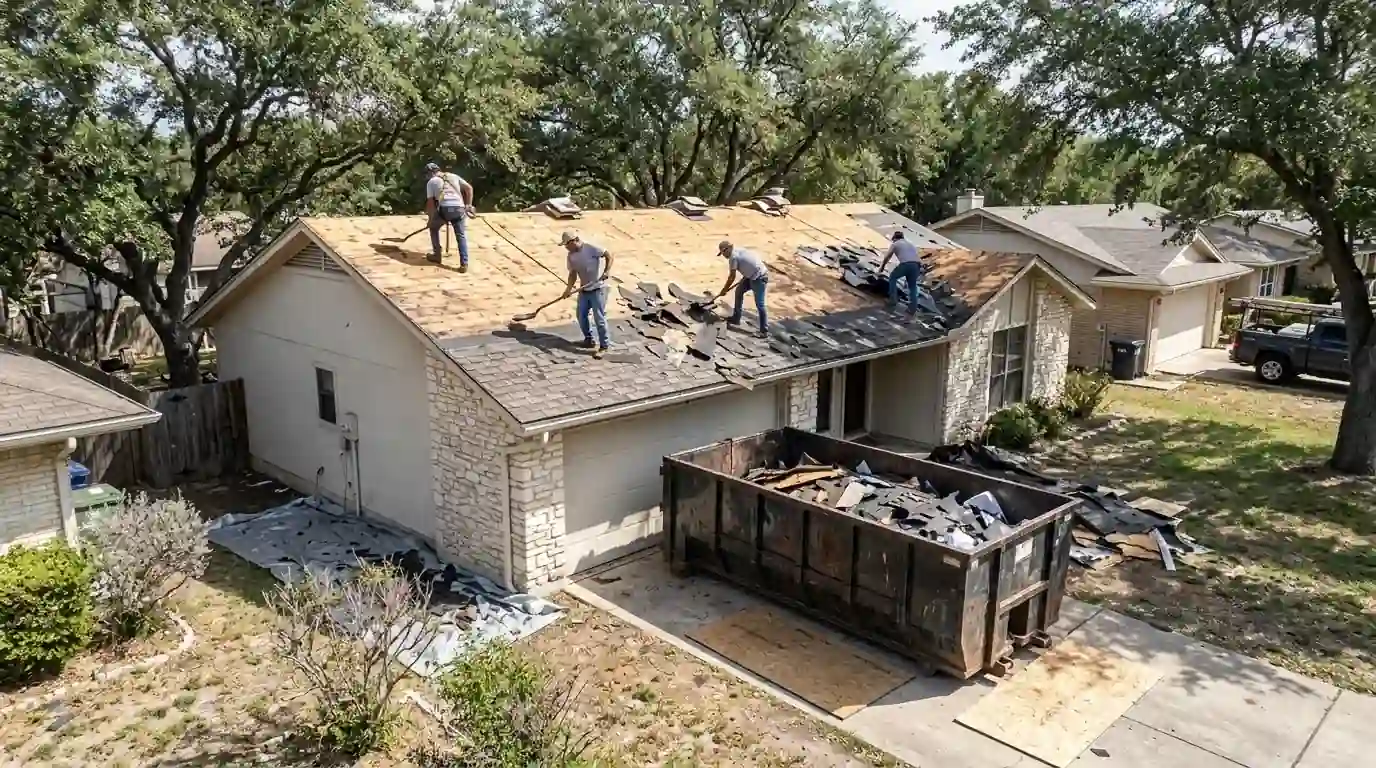
Our article on Class 4 shingles and insurance savings goes through the details. For a hail repair on a newer roof, we match the shingle line and color as closely as possible so patched areas don't stand out from the street. If your shingle line has been discontinued, we'll show you the closest options side by side and explain when a full slope replacement looks better than a scattered patch.