Torch-down or self-adhered: which method suits your roof?
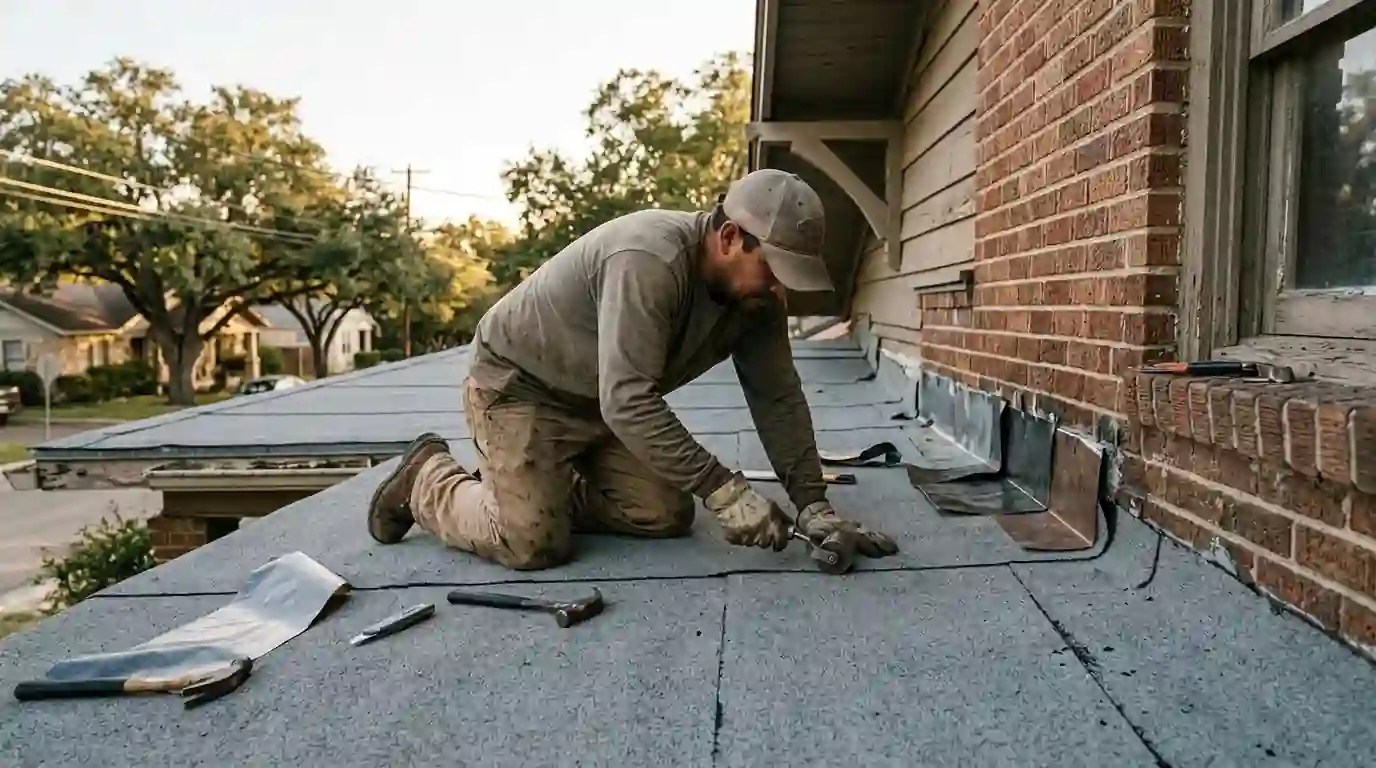
Torch-applied mod bit is heated with a propane torch until the back of the sheet melts and bonds to the layer below. The result is a very strong bond and is common on older commercial and residential flat roofs. The drawback is open flame on a roof, which is risky next to wood siding, dry fascia, old nailers and attic vents.
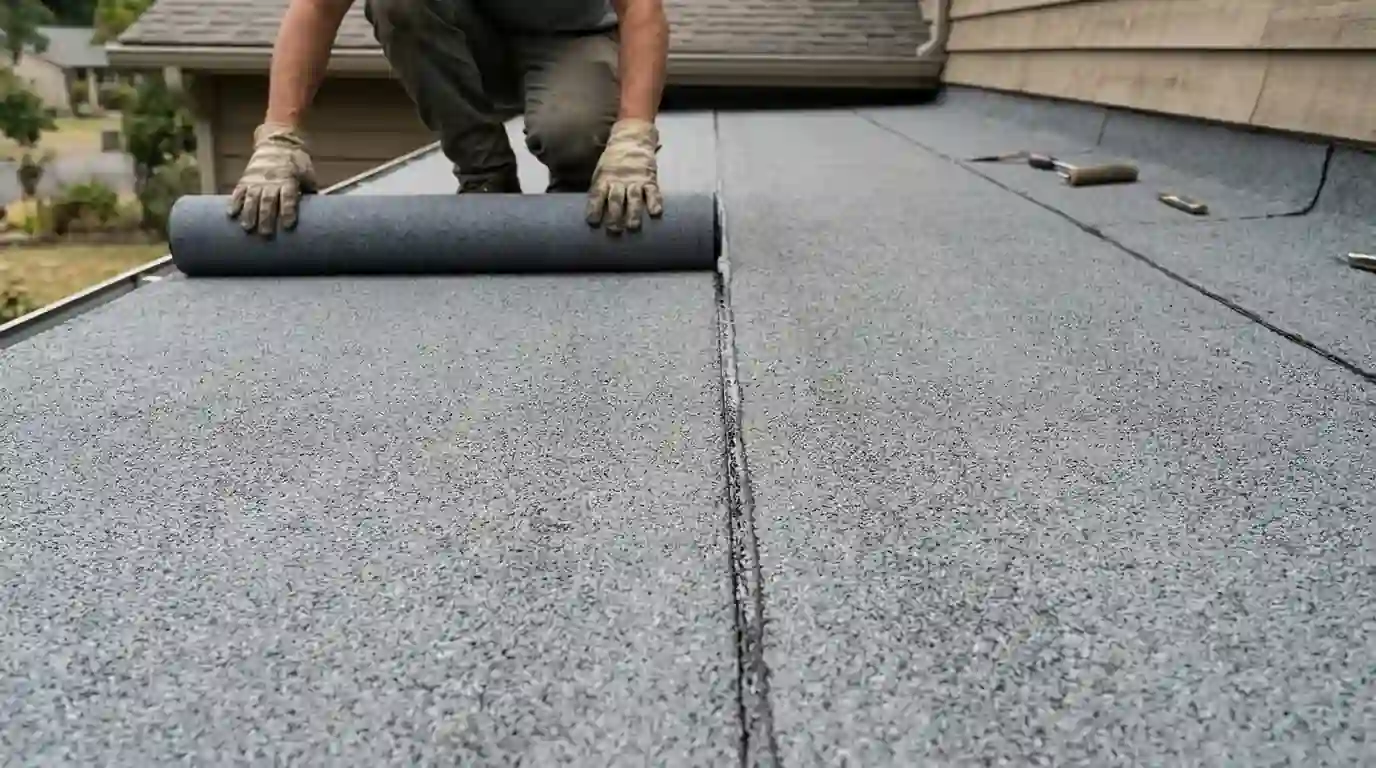
Self-adhered sheets have a sticky back covered by release film. They're rolled into place with pressure, with no flame involved, which makes them our usual choice on homes, wood-framed additions and porches tied into walls. Self-adhered membranes need warm temperatures to bond fully, so in San Antonio the season rarely gets in the way, but surface prep has to be spotless.
Some projects mix the two: a self-adhered base sheet near combustible edges and walls, with a torched cap sheet in the open field. We choose based on what's around the roof, not habit.
Why two plies and a granulated cap matter
A single-ply roll roof is one layer between the weather and your ceiling. A two-ply mod bit system adds a base sheet and a cap sheet with staggered seams, so a nick in one layer doesn't become a leak. The extra thickness also handles foot traffic, dropped tools and hail better than thin rolled roofing.
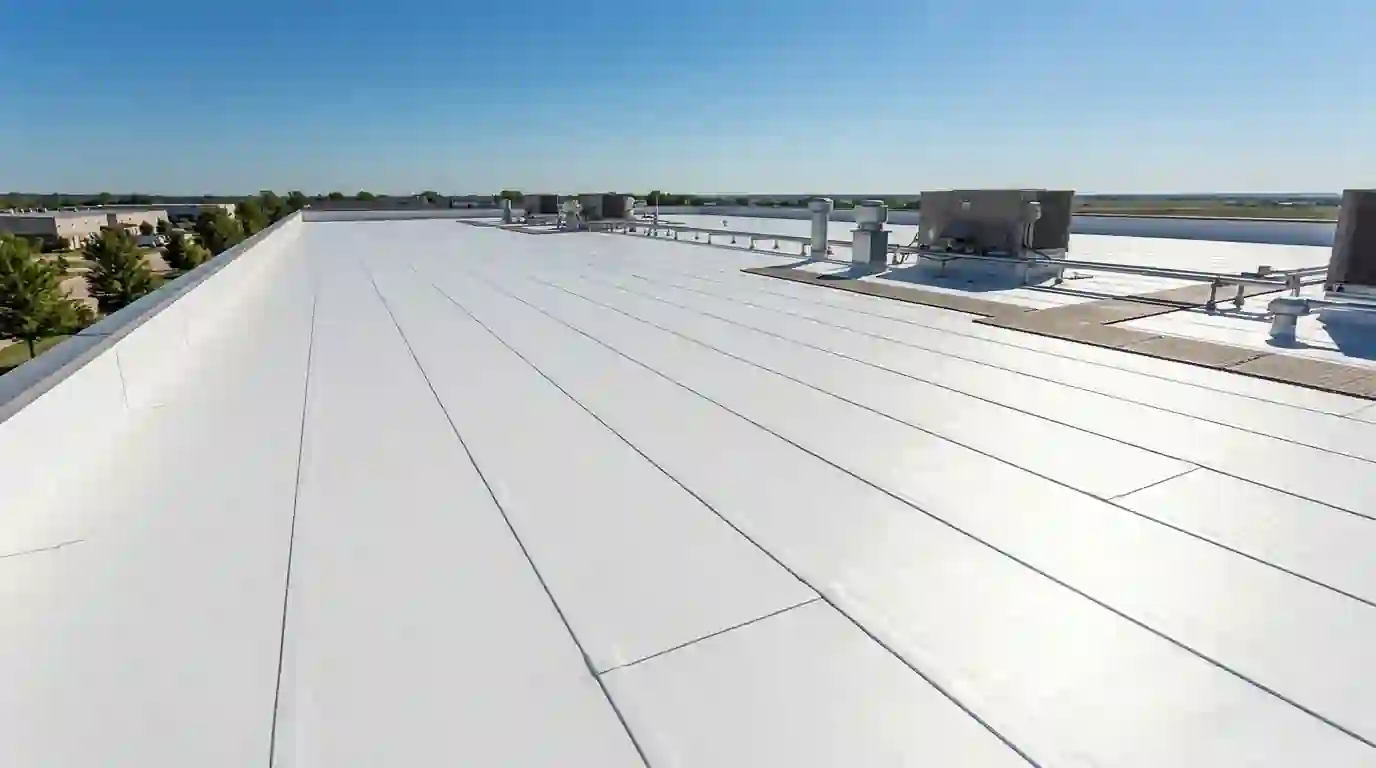
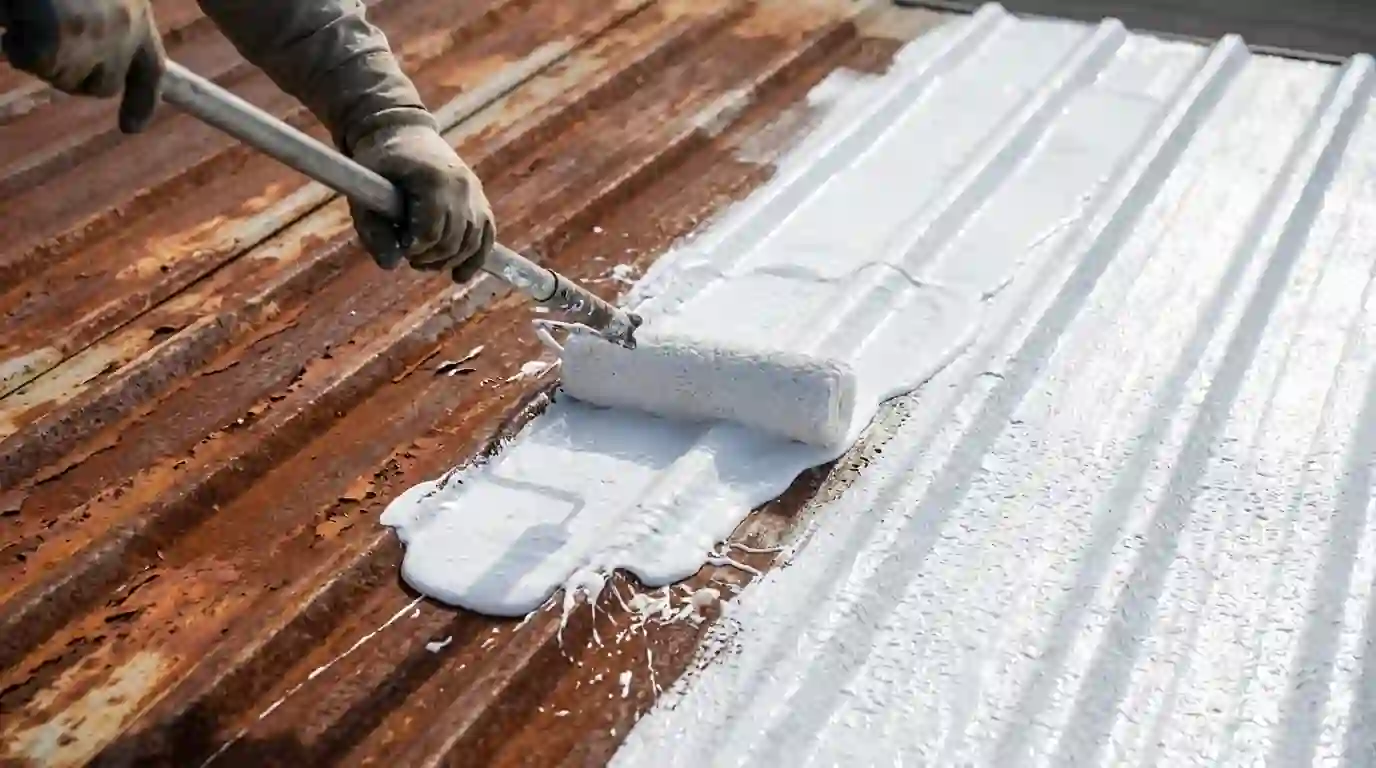
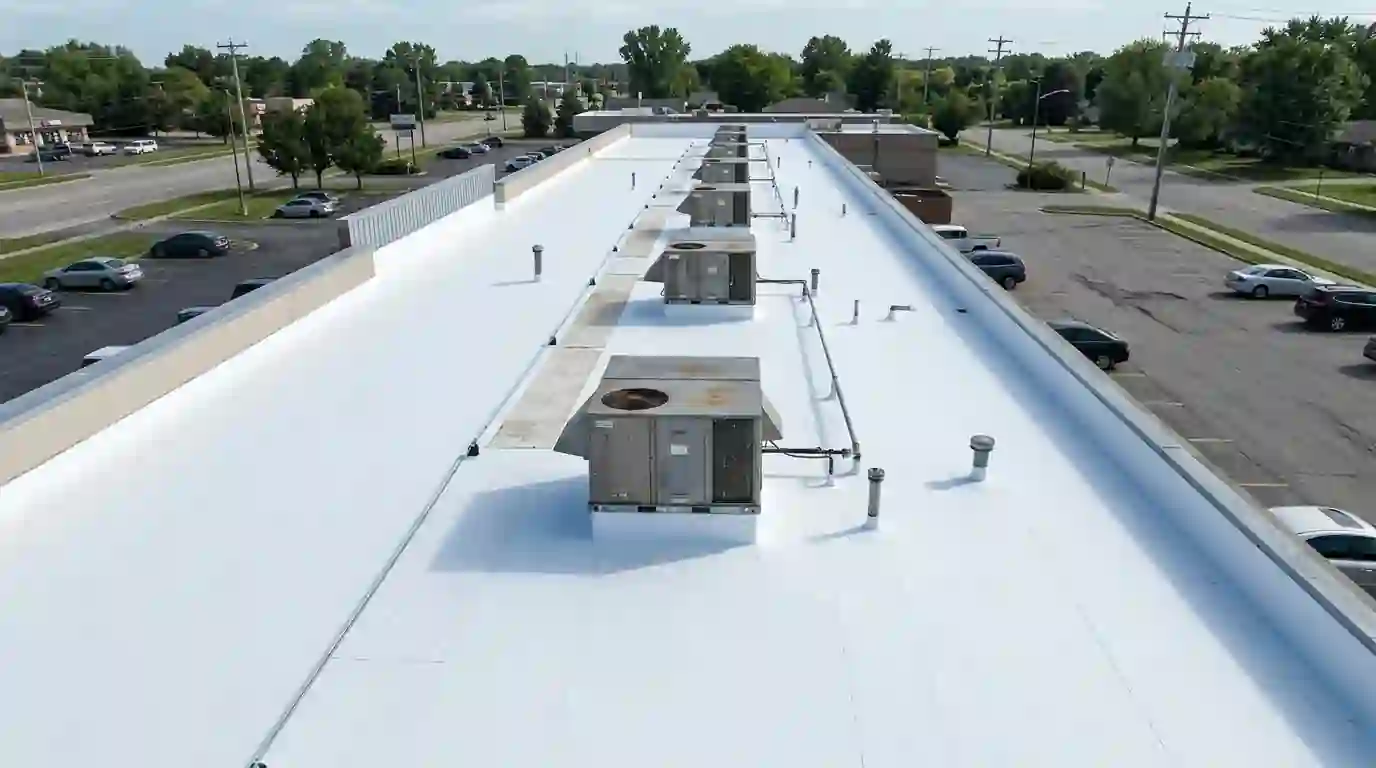
The cap sheet is surfaced with mineral granules, like a shingle, which shield the asphalt from UV. White or light granules reflect more heat than black or dark gray, a real difference on a South Texas summer roof. Cap sheets with a factory reflective coating cost more but are worth weighing for rooms that run hot.
Where mod bit beats TPO, and where it doesn't
Modified bitumen shines on small, cut-up roofs with lots of walls, pipes and tie-ins, since its flexibility makes tight flashing details easier. It holds up well under foot traffic, so it's a good pick for a porch roof that someone walks on to clean gutters or for a section under a second-story window. It also patches easily with matching material years later.
On larger open roofs, reflective TPO membrane usually costs less per square and stays cooler without a special coating. Mod bit seams are lapped and sealed with heat or adhesive rather than welded, so seam workmanship is especially important. Our guide to choosing a flat roof for an older house walks through the tradeoffs in more depth.
Details that decide how long a mod bit roof lasts
Most mod bit failures start at edges, laps and penetrations. We use metal drip edge or gravel stop primed and stripped in with membrane, extend flashing a full eight inches or more up walls, and wrap pipes and curbs with target patches. Laps are rolled firmly and checked along their length, since a small void in a seam can channel water sideways.
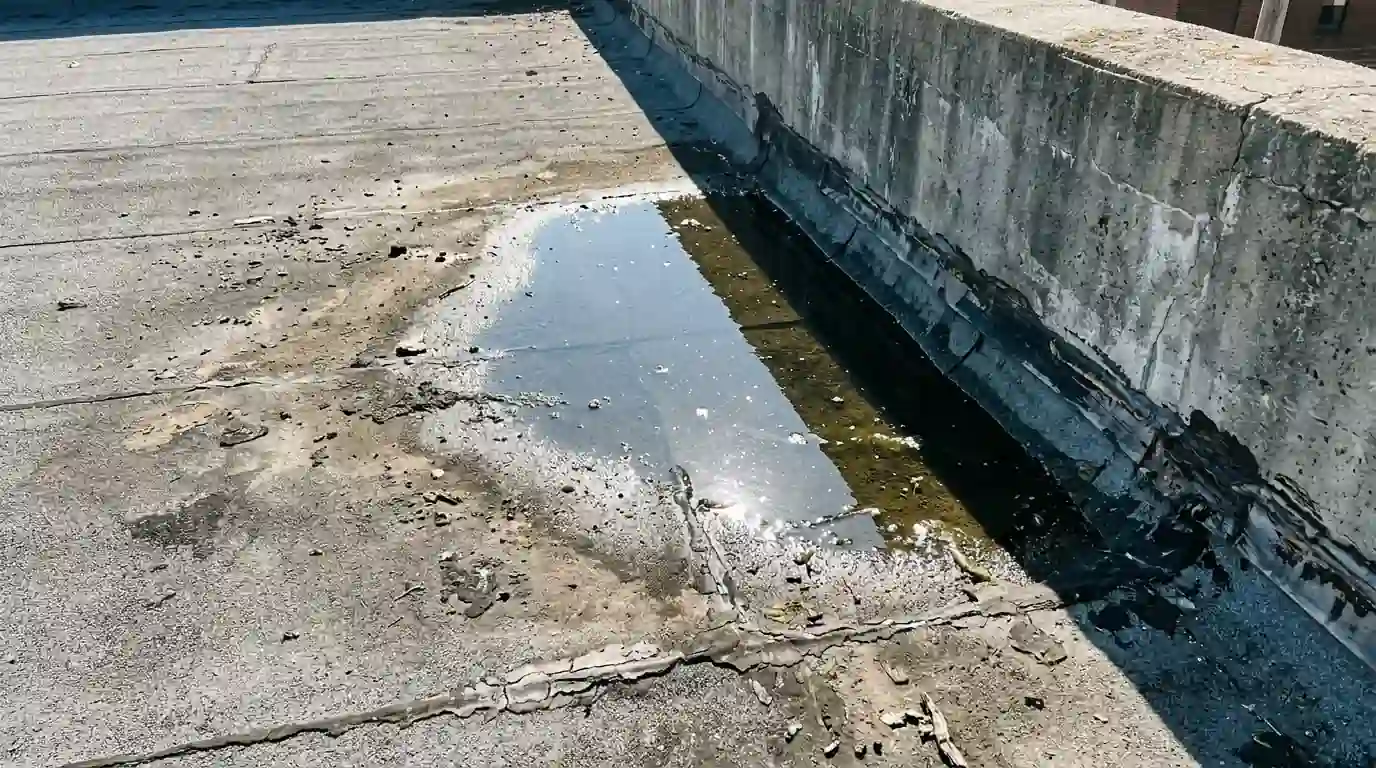
Drainage matters as much as on any flat roof. We look for low spots before installation and correct them with tapered insulation or crickets. The fastest way to age a cap sheet is to leave it under standing water in August, and an hour of extra prep usually pays back in years of service.
Mod bit on porches, carports and small additions
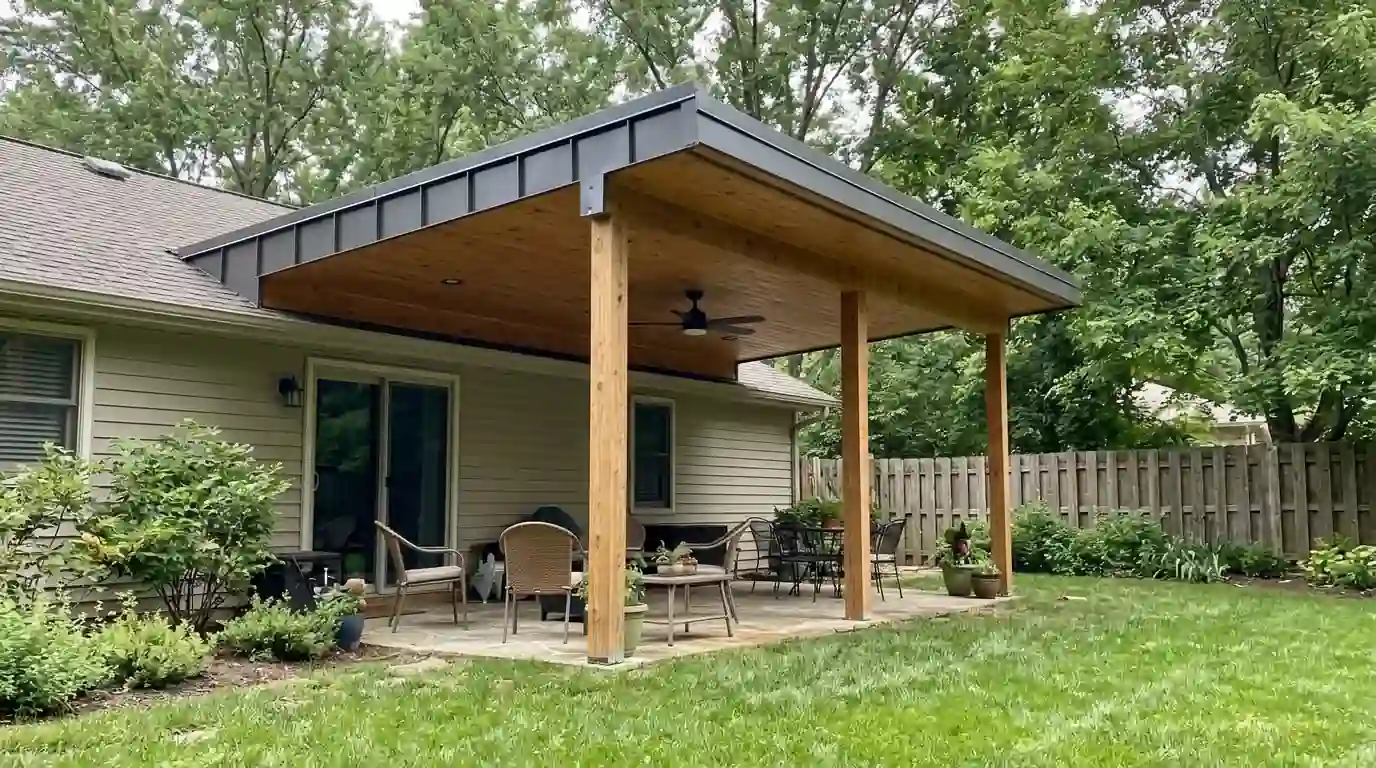
Many San Antonio homes have a low-slope porch or rear addition with rolled roofing that cracked long ago. Replacing it with a two-ply mod bit system is one of the more cost-effective upgrades for these spots. Where the porch roof meets the house, the membrane runs up under siding or into a reglet in stucco or brick.
If your project is a new patio cover rather than replacing an existing roof, our patio cover roofing page covers framing, pitch and tie-in choices. For an existing flat section that only needs patching, start with our flat roof repair work before committing to a full replacement.