Which Schertz building wave is your roof from?
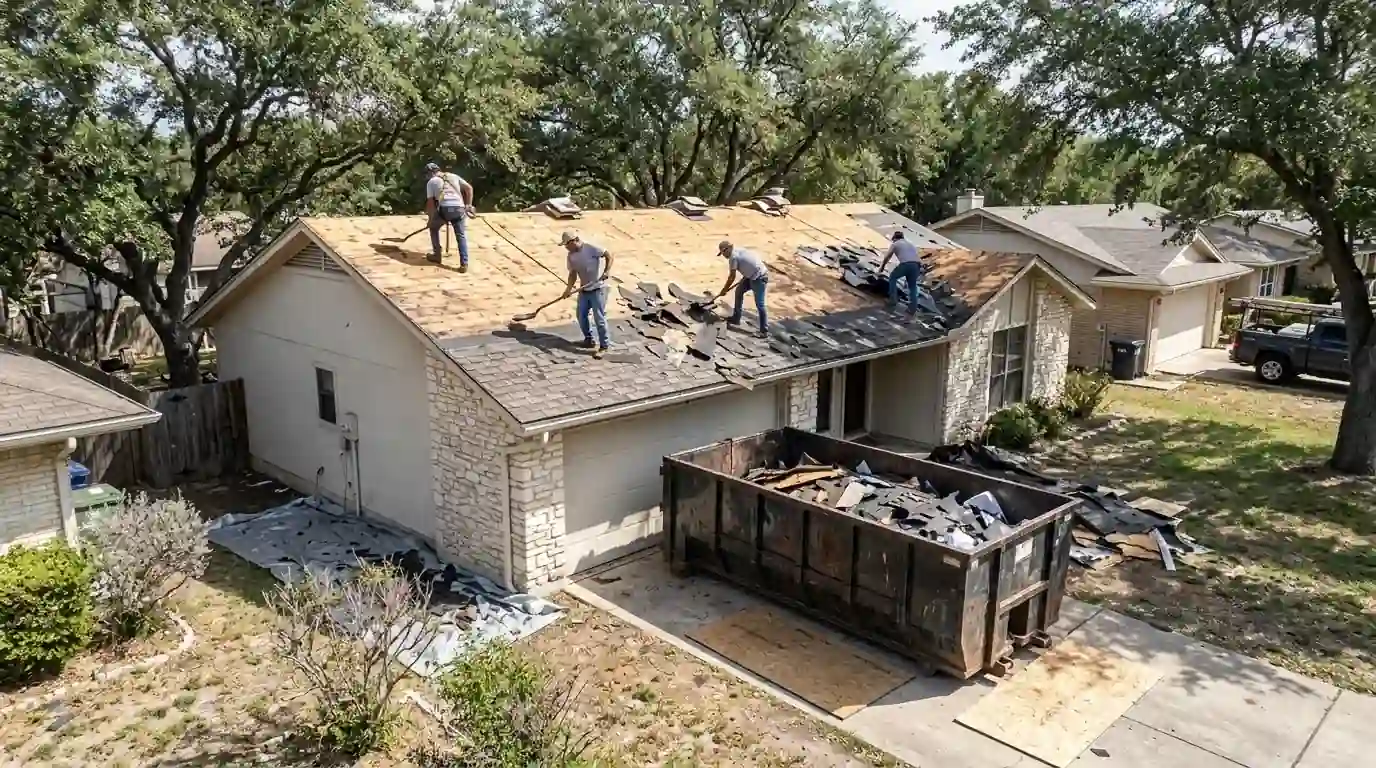
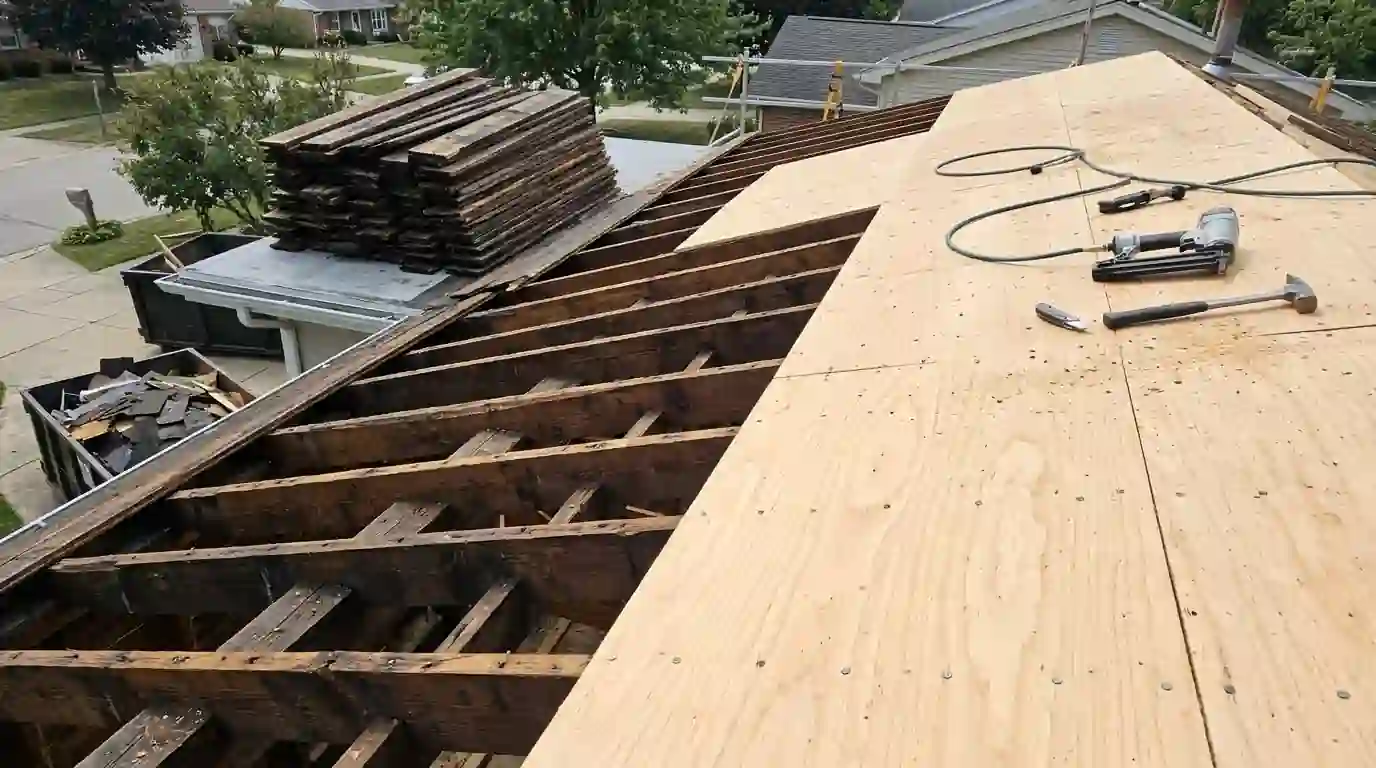
Homes from the 1980s and early 1990s often started with three-tab shingles, and many are now on a second roof that's itself getting tired. Those second roofs were sometimes laid over the first, which hides soft decking and adds weight. When we tear off a roof like that, we expect to replace a few sheets of decking near the eaves and around old vent holes.
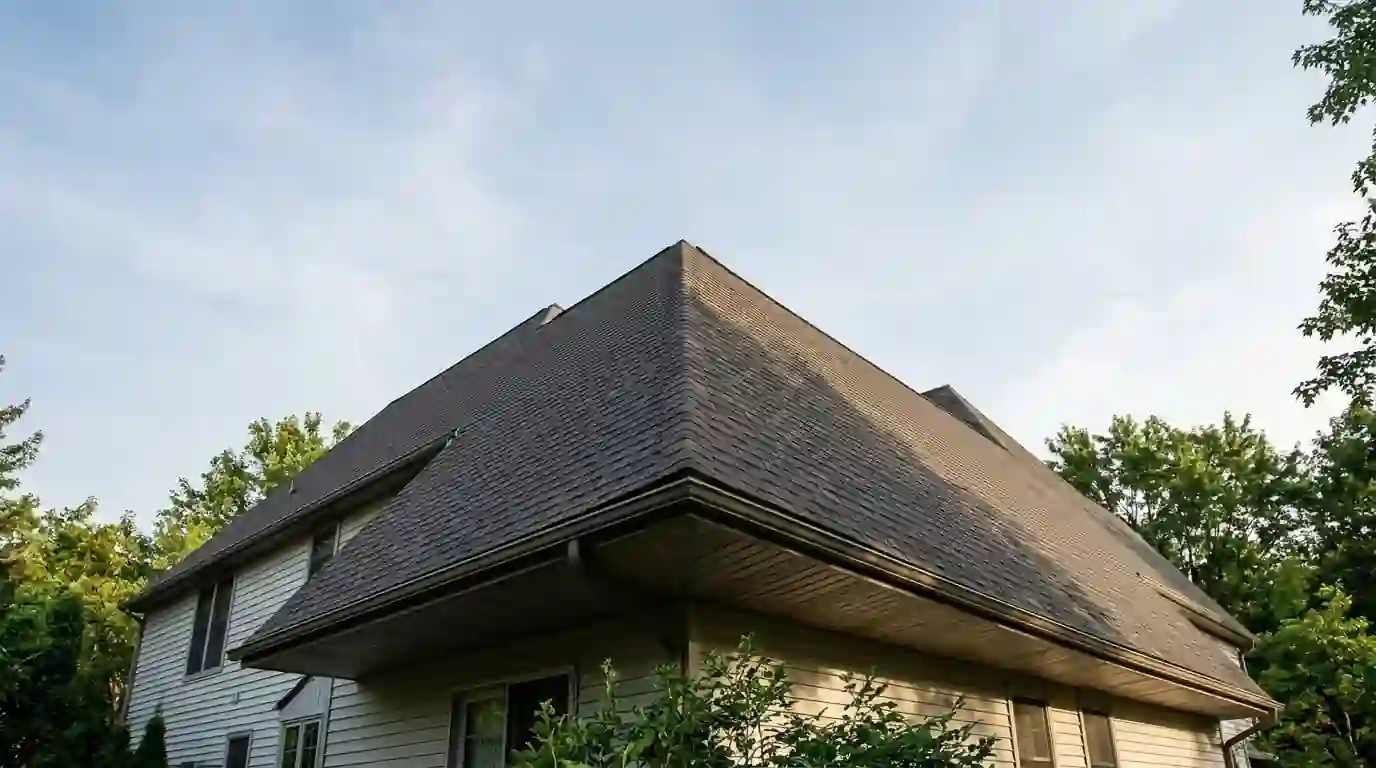
Homes built after about 2005 usually carry architectural shingles and synthetic underlayment. Their problems tend to be smaller and more specific: a cracked pipe boot, a lifted ridge cap, a valley that took a direct hail hit. A targeted roof repair often buys these roofs many more years without a full replacement.
Why attic airflow decides how long a Schertz roof lasts
Summer attic temperatures across the San Antonio area commonly pass 140 to 150 degrees. When an attic can't breathe, that heat cooks the shingles from underneath, the sealant strips let go, and wind starts lifting tabs. We see this most on homes where soffit vents were painted shut or blocked by blown insulation.
On every reroof, we count intake and exhaust vents and compare them with the attic size. If the balance is off, we fix it during the job, often by opening soffit intake and adding a ridge vent. Our attic ventilation work costs far less when it's done alongside a new roof rather than as a separate project later.
Owners who want cooler upstairs rooms sometimes add a radiant barrier while the roof is open. It's worth asking about if your second floor runs hot every afternoon in July.
Wind and hail along the FM 3009 corridor
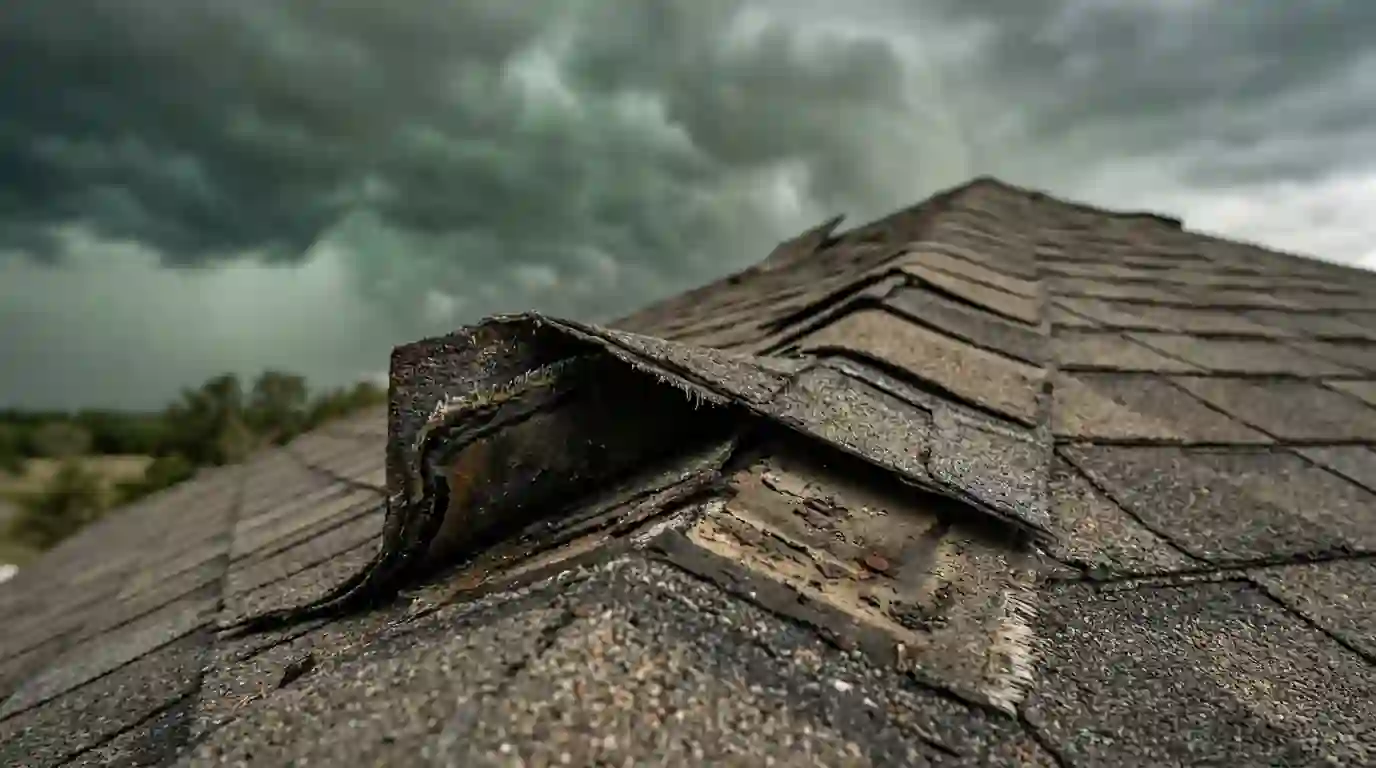
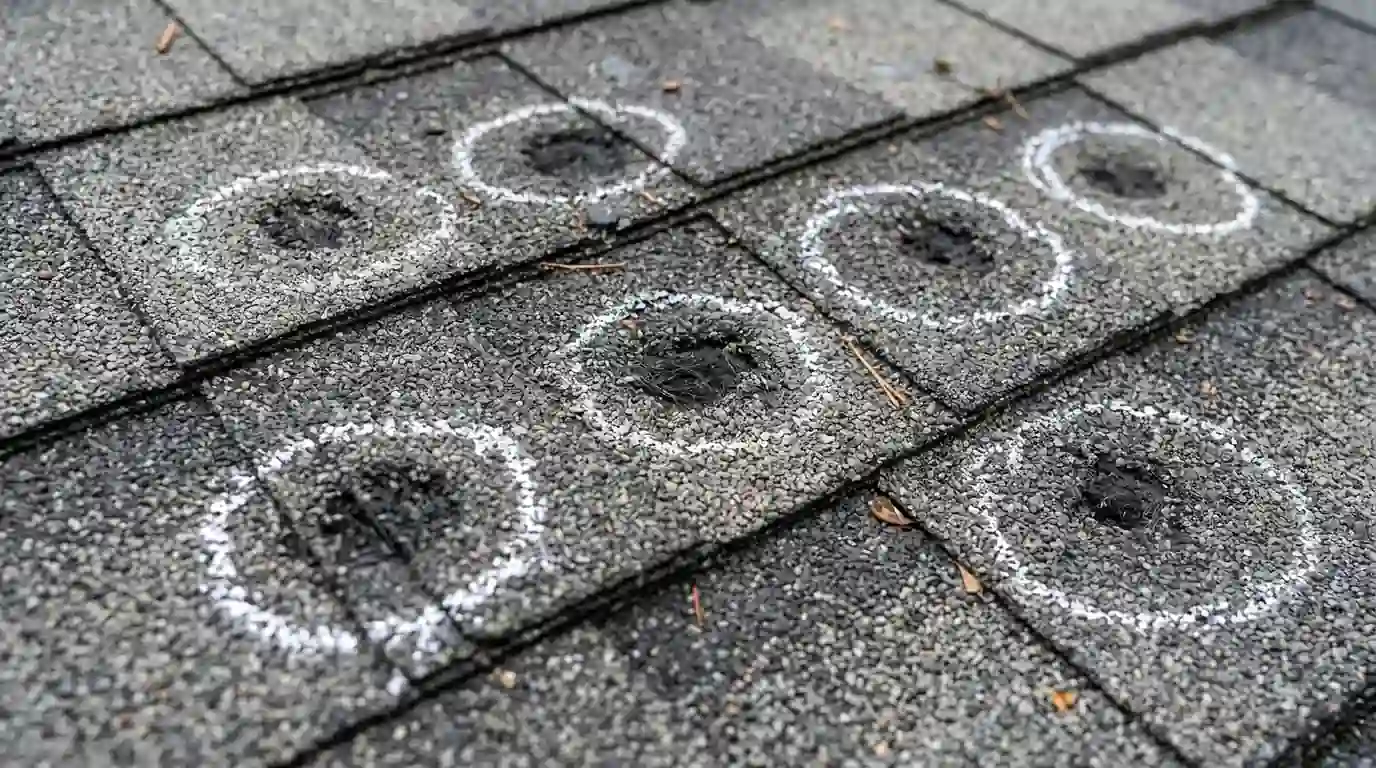
Schertz sits in open country northeast of San Antonio, and storms crossing it often bring wind as well as hail. Wind damage looks different from hail: creased tabs, missing shingles along rakes and ridges, and nails backed out of the deck. We document both separately because insurers often treat them differently.
If you've had a storm and aren't sure whether to file, start with our first 24 hours after hail checklist. Then give us a call at (210) 750-1898, and we'll inspect the roof and send you dated photos you can share with your adjuster.