How do roofs change from downtown to the county line?
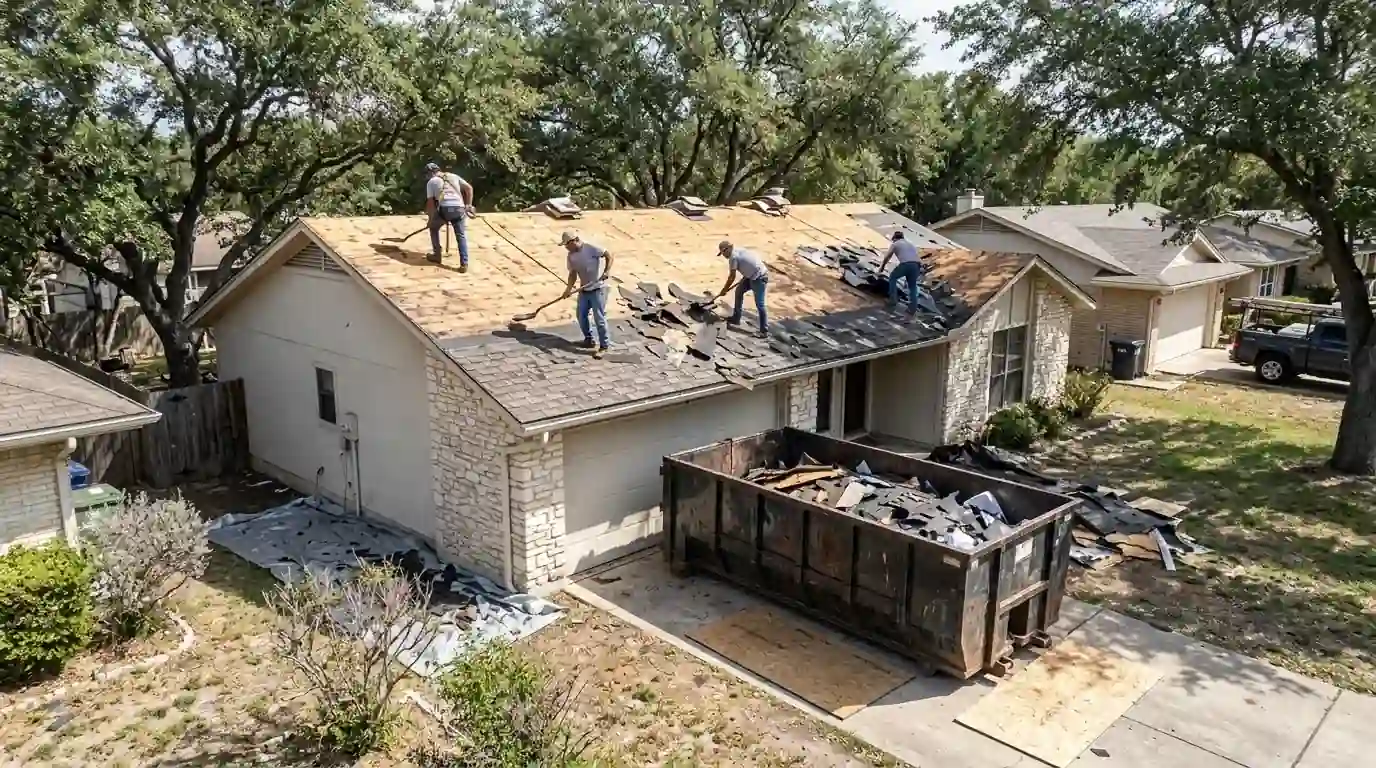
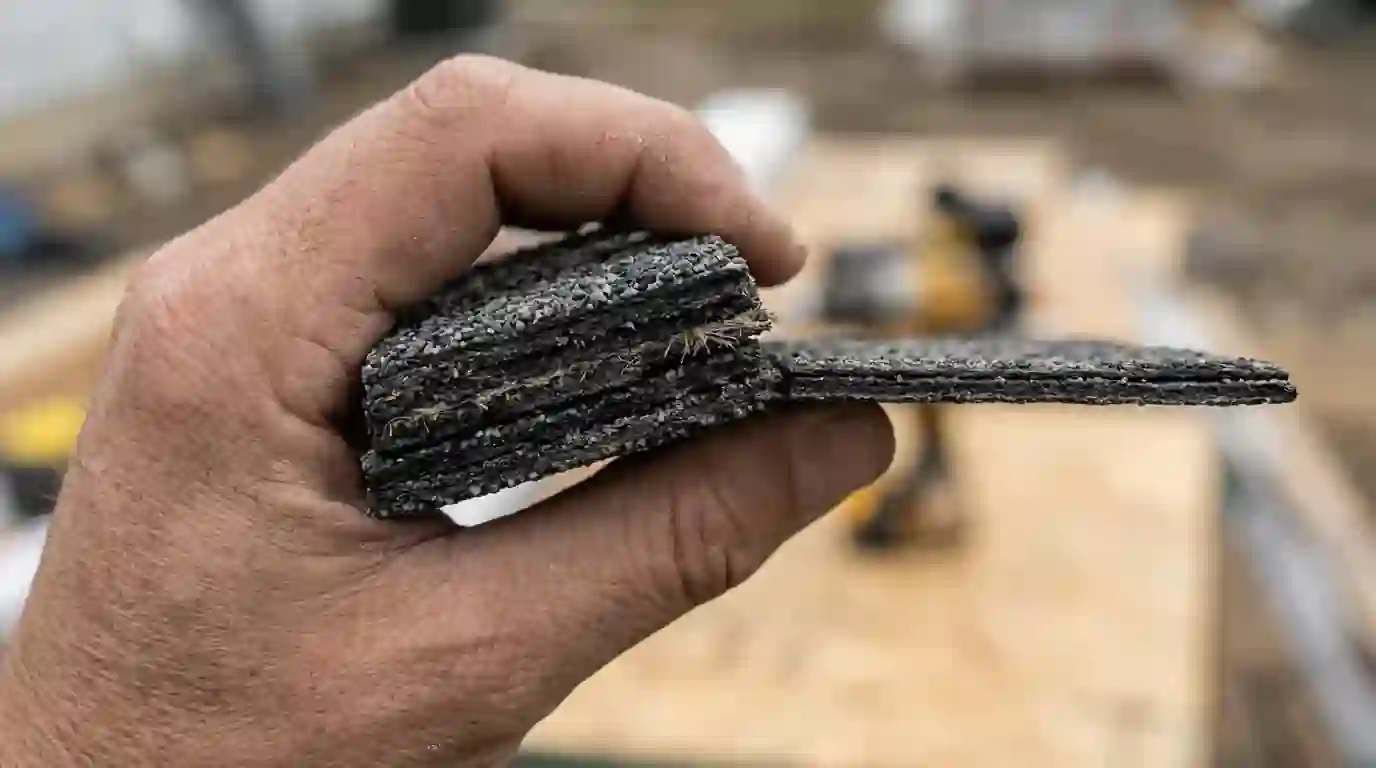
Inside Loop 410, a lot of houses date from the 1920s to the 1950s. Those roofs often sit on plank decking, sometimes with two old shingle layers stacked on top, and porch roofs that were framed separately from the main roof. In places like the Highland Park bungalows, a reroof usually starts with a tear-off to the boards and a check of every plank before new underlayment goes down.
Between the two loops, ranch homes from the 1950s through the 1980s are on their second or third roof. Past Loop 1604 the housing gets newer. Production homes in far west Alamo Ranch are reaching their first replacement, while Stone Oak and The Dominion carry concrete tile and complicated hip lines that call for different materials, staging and flashing work.
Why hail drives most Bexar County roof replacements
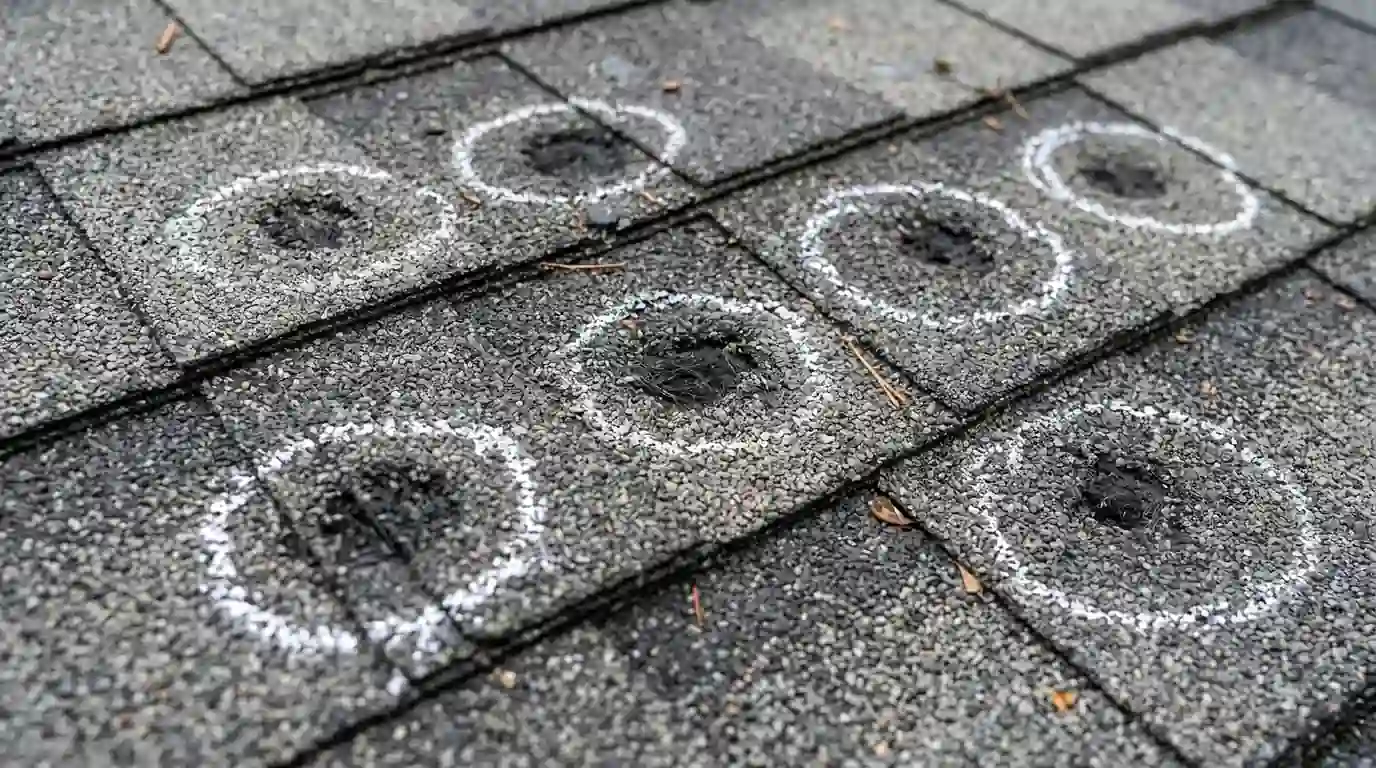
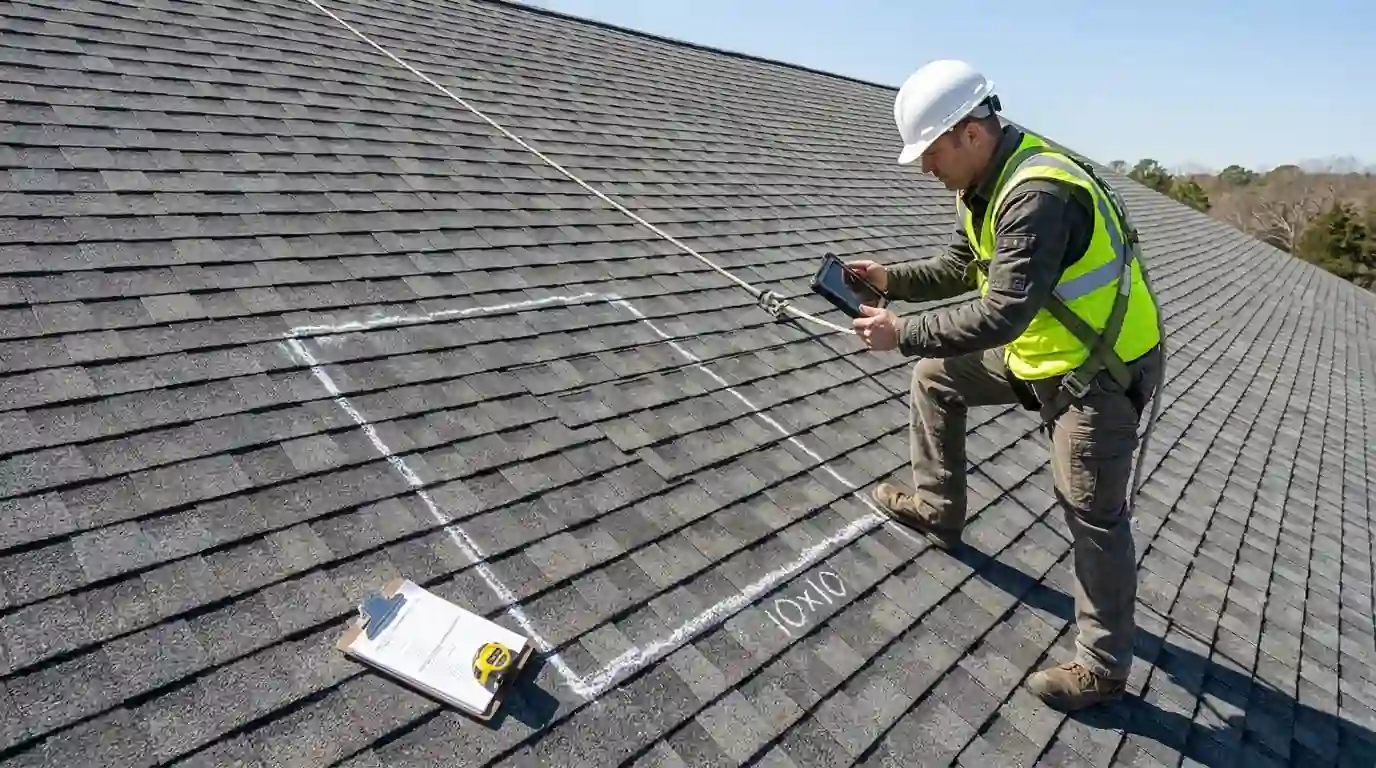
The north and west sides took the worst of the April 12, 2016 hailstorm, and many roofs installed after it are now old enough to show bruising from later storms. Spring is the main hail season, so the calls we get between March and June are mostly about granule loss, cracked tiles and dented vents. A post-storm roof inspection tells you whether the damage is cosmetic or functional before you open a claim.
Summer attic temperatures here commonly pass 140 to 150 degrees. That heat bakes shingles from underneath and dries out the sealant strips that hold tabs down in wind. It's why we look at intake and exhaust venting on nearly every roof we price, not only at the shingles. Better airflow won't stop hail, but it does keep a new roof from aging faster than it should.
Do you need city, HOA or historic approval for your roof?
It depends on the address. Homes inside San Antonio city limits pull permits through the city, and houses in local historic districts go through the Office of Historic Preservation before exterior changes like a material switch. The small incorporated cities, from Alamo Heights to Leon Valley to Converse, each run their own permit desks, so we confirm the jurisdiction before we price the job.
Master-planned communities layer HOA rules on top, covering shingle color, tile profile and sometimes metal. Unincorporated areas such as Timberwood Park have fewer city rules but longer driveways, septic fields and sloped lots that limit where a dumpster can sit. Our write-up on getting a roof past an HOA board covers what most boards ask to see.
How the smaller cities around San Antonio compare
Bexar County holds more than a dozen small cities wrapped by San Antonio. Live Oak, Universal City and Converse on the northeast side are mostly 1970s to 2000s subdivisions with shingle roofs near the end of their service life. Families stationed at Randolph often need a fast repair or a documented inspection before a move, and we keep those visits short and well photographed.
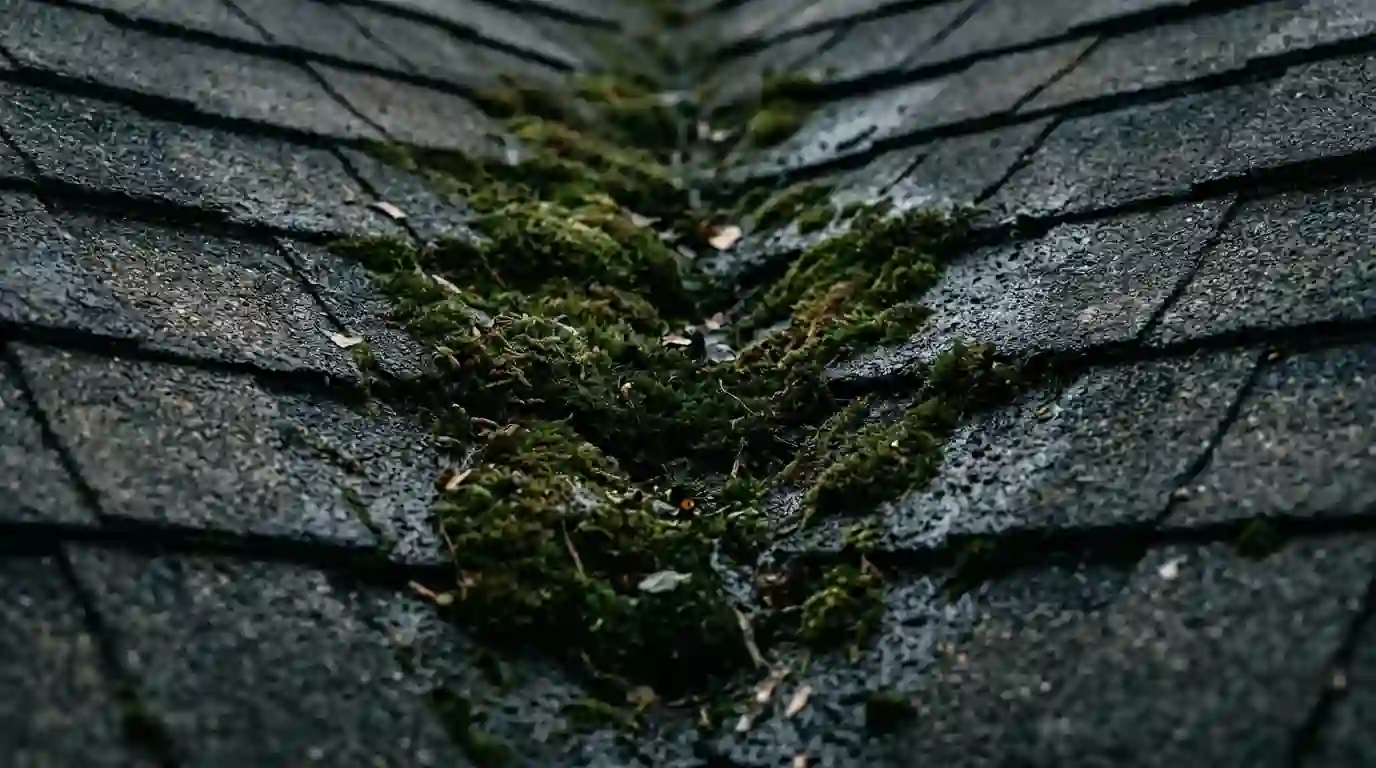
On the northwest side, Leon Valley and Helotes mix 1960s brick ranches with Hill Country lots where metal shows up more often. Castle Hills and Shavano Park lean toward bigger lots under mature live oaks, where branch rub and leaves packed into valleys cause more leaks than hail does. Our citywide San Antonio roofing page links every neighborhood we cover.