Skip to content
Ortiz RoofingSan Antonio, Texas 24/7(210) 750-1898

Rubber membrane roofs

EPDM rubber roofing in San Antonio for porches and low-slope additions

EPDM is the rubber sheet you'll find on a lot of back porches, sunroom additions and flat sections tucked behind parapets in older San Antonio neighborhoods. We install new EPDM, patch and re-tape aging membranes, and tell you plainly when a different membrane would serve the roof better.

  • Phones answered 24/7
  • Flat, Commercial & Patio Roofs
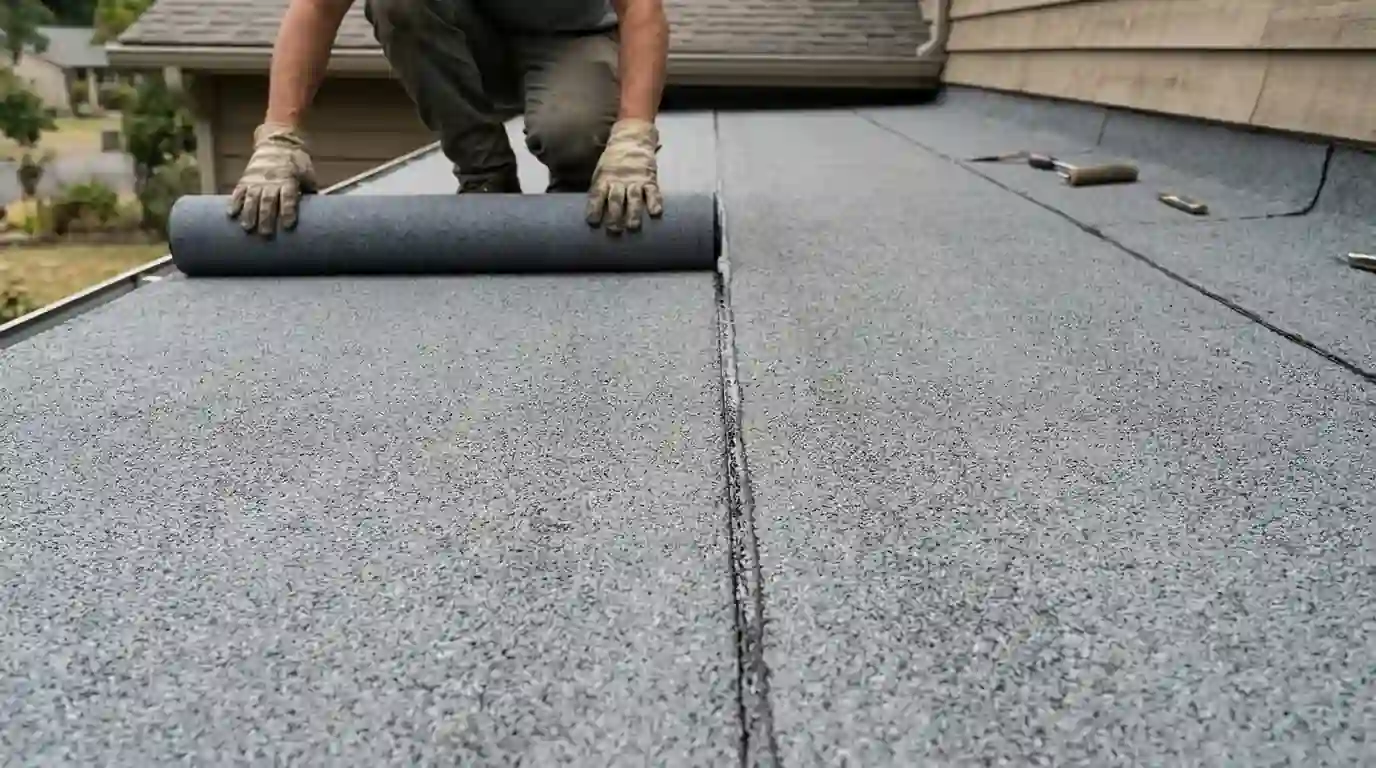
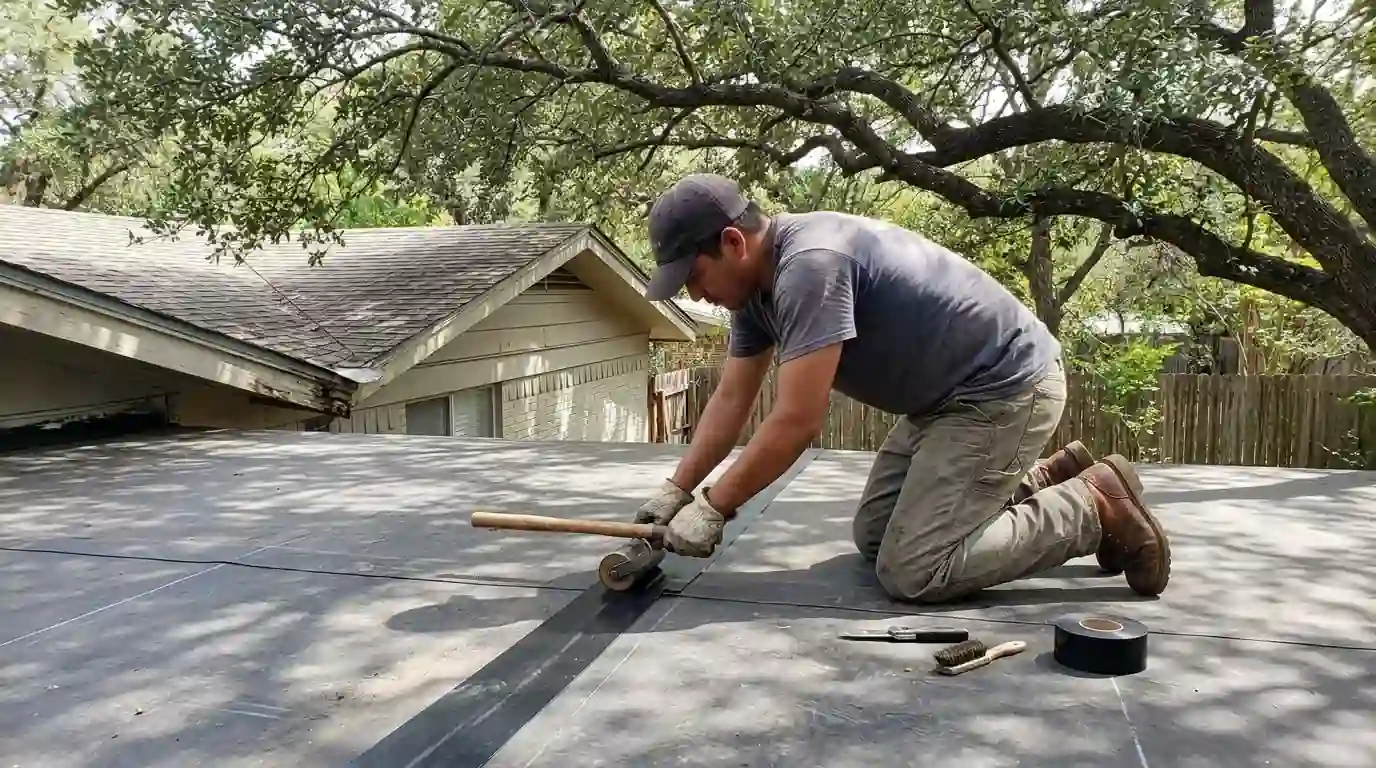
Worker pressing seam tape with a hand roller on a black EPDM rubber roof over a back porch addition of a 1960s San Antonio ranch home, live oak branches above
Typical San Antonio range$645 to $1,045 per square
Short answer

EPDM rubber roofing is a single-ply synthetic rubber membrane, usually black, glued or ballasted over insulation board on flat and low-slope roofs. It stays flexible for decades and handles hail well, but black sheets run very hot in South Texas sun. In San Antonio, installed EPDM typically costs $645 to $1,045 per square, depending on tear-off, insulation, membrane color and roof details after inspection.

What makes rubber membrane different from other flat roofs?

EPDM stands for ethylene propylene diene monomer, a synthetic rubber that stays stretchy across a wide temperature range. It comes in large sheets, often wide enough to cover a small porch or addition with no seams at all. That's its biggest practical advantage: fewer seams means fewer places for water to get in.

Unlike TPO, which is heat-welded, EPDM seams are joined with seam primer and a factory-made seam tape pressed together with a roller. A well-made taped seam lasts a long time, but it depends on clean, dry, primed rubber and steady roller pressure. Rushed tape jobs are where most EPDM leaks start years later. EPDM is also forgiving to repair. A cured rubber patch with primer and tape bonds to an older sheet, so a small puncture from a falling limb or a dropped tool doesn't mean replacing the whole roof.

When does EPDM beat TPO in South Texas heat, and when doesn't it?

On a small, cut-up roof with lots of penetrations, a single EPDM sheet with few or no seams can be simpler and longer lasting than several welded TPO pieces. EPDM also shrugs off hail well because the rubber gives under impact instead of cracking. On porches and sunroom additions under the shade of a big live oak, where surface heat isn't the main problem, EPDM is a solid choice.

Black EPDM in full sun is a different story. A dark sheet in July can get hot enough to cook the room underneath and push extra load onto your air conditioner. White EPDM exists, but it costs more and its seams use different tape. For an addition or a flat-roof home that bakes all afternoon, our white TPO membrane usually keeps the space below cooler for less money. We look at sun exposure, shading trees, roof size and how many pipes and curbs poke through before recommending one or the other. Our post on membrane choices for older flat roofs goes deeper into how EPDM, TPO and modified bitumen compare.
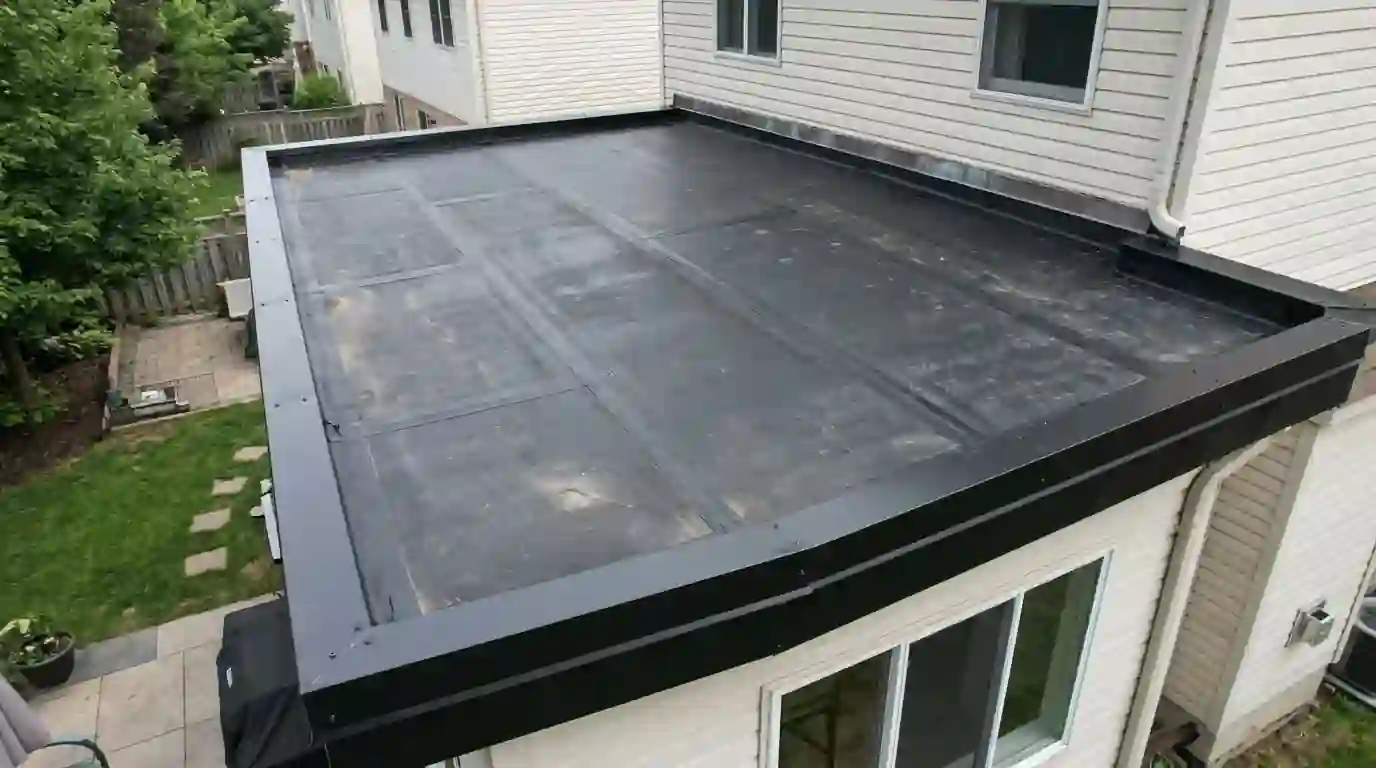
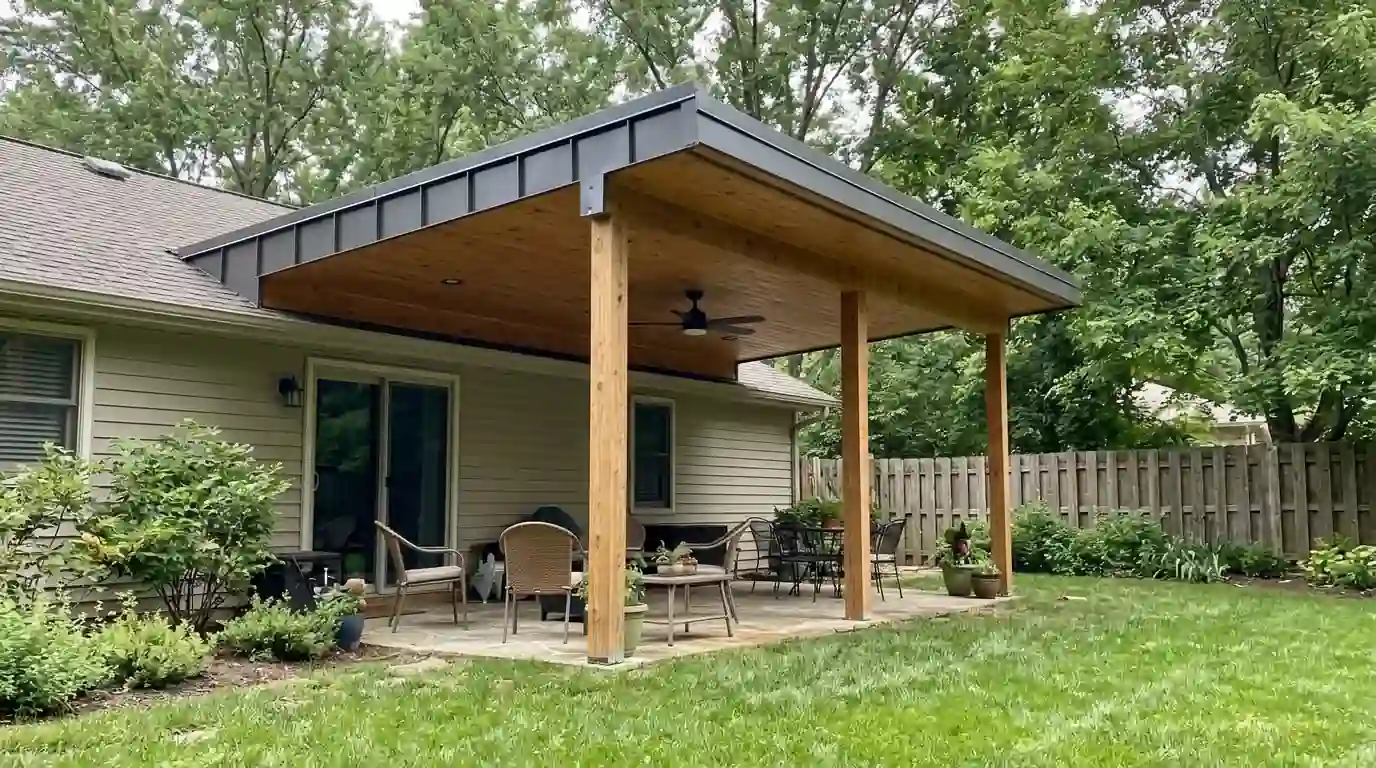
Black EPDM rubber membrane roof on a low-slope rear addition, seams taped and edges finished with metal trim
EPDM Rubber Roofing on a San Antonio area home.

Fully adhered, ballasted or fastened: which attachment fits?

Most residential EPDM in San Antonio is fully adhered. We roll bonding adhesive onto both the insulation board and the back of the rubber, let it tack, then roll the sheet into place. It holds tight in wind and doesn't flutter. Fully adhered is the right pick for porches and additions where the roof edge is close to the ground and wind gets under the eaves.

Ballasted systems hold loose rubber down with river rock. You'll see them on some older commercial buildings, but they're rare on homes because the stone adds weight and hides damage. Mechanically fastened EPDM uses plates along the seams and is mostly used on larger flat roofs, where speed matters more than appearance.

Seam tape, patches and keeping an older rubber roof going

A lot of EPDM roofs around town were installed with liquid seam adhesive rather than tape. Those older glued seams tend to open up after many hot summers, showing as a lifted edge you can slip a fingernail under. We clean, prime and cover them with new seam tape, which often stops the leak without touching the rest of the sheet.

Other common repairs include re-flashing pipe boots, replacing shrunk perimeter flashing that has pulled away from walls, and patching punctures. EPDM shrinks a little over time, which tents the rubber at the edges and can tear it loose at corners. If your rubber roof is wet underneath in many places, our low-slope leak repair service covers finding wet insulation before deciding on patching or replacement. We also check how the rubber ties into the main roof. Where a porch EPDM roof meets shingles or a stucco wall, the flashing at that joint usually fails first.

Getting water off a rubber roof

Rubber tolerates brief ponding better than asphalt, but standing water still collects dirt, grows algae and finds any weak seam. Water that stays more than two days after a rain usually means low spots, sagging joists or a blocked scupper. On a new install, we fix drainage first with tapered insulation or crickets so water heads toward a scupper or gutter.

Edge metal and gutters matter on small porch roofs. A drip edge with a clean termination keeps water from running back under the membrane, and properly sized gutters keep it off your patio and foundation. Live oak leaves clog porch scuppers fast here, so a quick clean each fall is worth doing.

Which homes around San Antonio still use EPDM?

We find EPDM most often on mid-century additions in neighborhoods like Shearer Hills, Highland Park and Jefferson, on enclosed porches converted to living space, and on flat sections between hip roofs. Many of these went down in the 1980s and 1990s and are now at the end of their life. Small rubber roofs over carports and breezeways are common too.

Larger flat-roof commercial buildings use EPDM as well, but that work has its own scheduling and code needs and sits on our commercial roof replacement page. For houses with a small porch, breezeway or rear addition, EPDM remains a practical option when it's chosen for the right roof rather than by habit.
Warning signs

Signs your roof needs epdm rubber roofing

Lifted seam edges

You can slide a fingernail under the edge of a seam, which means the old adhesive has let go.

Rubber pulling from walls

Shrinkage has pulled the membrane tight and away from parapets or the house wall, opening a gap at the flashing.

Bubbles under the sheet

Soft blisters on an adhered roof point to trapped moisture or failed adhesive below.

Ceiling stains under a porch roof

Brown rings on a porch or sunroom ceiling usually trace to the tie-in or a pipe boot.

Chalky, crazed surface

Fine surface cracks and a chalky feel show a membrane aged by years of sun.

Water standing for days

Puddles that remain long after rain show drainage problems that will shorten the roof's life.

From first call to finished roof

How we handle epdm rubber roofing from start to finish

  1. Step 1

    Membrane and moisture check

    We walk the roof, test seams by hand and probe suspect areas for wet insulation underneath.

  2. Step 2

    Recommend EPDM or an alternative

    Based on sun, size and penetrations, we tell you if EPDM, TPO or a repair makes the most sense.

  3. Step 3

    Tear-off and deck prep

    We remove the old roof, replace wet board or soft decking and set tapered insulation where water ponds.

  4. Step 4

    Adhere the sheet

    Bonding adhesive goes on the board and rubber, and the sheet is rolled into place with few or no seams.

  5. Step 5

    Tape seams and flash details

    Seams get primer and seam tape, and pipes, walls and curbs get preformed EPDM flashing.

  6. Step 6

    Edges, drainage and final check

    We install drip edge, terminate at walls, clear scuppers and walk every seam before we leave.

What epdm rubber roofing usually costs in San Antonio

Installed EPDM in San Antonio typically runs $645 to $1,045 per square. The actual cost depends on what we find on the roof after inspection.

Line itemTypical range
60 mil EPDM membrane and adhesive, per square$238 to $372
Polyiso insulation board, per square$154 to $247
Tear-off and disposal, per square$87 to $149
Labor, seam tape and flashing, per square$166 to $277
Seam re-taping on an existing roof, per linear foot$8.45 to $14.65

What moves the price

  • White EPDM costs more than black and needs different seam materials.
  • Thicker 90 mil sheets add cost but resist punctures on roofs with foot traffic.
  • Wet insulation found under the old roof has to be cut out and replaced.
  • Tapered insulation for drainage adds cost on roofs that pond.
  • Each pipe, vent, skylight curb and wall tie-in needs its own flashing work.

Ranges are typical, not quotes. Your price depends on the roof we see at the inspection. See every service side by side in the roofing cost guide.

Materials we install and repair

  • GAF
  • Owens Corning
  • CertainTeed
  • Malarkey
  • TAMKO
  • Atlas Roofing
  • IKO
  • Eagle Roofing
  • Westlake Royal
  • DaVinci Roofscapes
  • Englert
  • Carlisle
  • Velux
  • Solatube
  • GAF
  • Owens Corning
  • CertainTeed
  • Malarkey
  • TAMKO
  • Atlas Roofing
  • IKO
  • Eagle Roofing
  • Westlake Royal
  • DaVinci Roofscapes
  • Englert
  • Carlisle
  • Velux
  • Solatube
  • GAF
  • Owens Corning
  • CertainTeed
  • Malarkey
  • TAMKO
  • Atlas Roofing
  • IKO
  • Eagle Roofing
  • Westlake Royal
  • DaVinci Roofscapes
  • Englert
  • Carlisle
  • Velux
  • Solatube

Answers

EPDM Rubber Roofing questions from San Antonio homeowners

Is black EPDM rubber roofing too hot for a San Antonio sunroom?

On a sunroom or addition in full afternoon sun, black EPDM can make the room noticeably warmer and work your air conditioner harder. If the roof sits under heavy shade, it's less of a concern. For sunny additions, we usually suggest white TPO, white EPDM or a reflective coating over the rubber, and we'll explain the cost of each option.

Can an old EPDM porch roof be re-taped instead of replaced?

Often, yes. If the rubber itself is still flexible and the insulation beneath is dry, we can clean, prime and cover failing seams with new seam tape, replace pipe boots and re-flash the walls. That can add years for a fraction of replacement cost. If the sheet is brittle, shrunk badly or wet underneath in many places, replacement is the better value.

How does EPDM rubber roofing handle hail in San Antonio?

Better than most flat roof materials. The rubber flexes under impact, so small and medium hail usually bounces off without a mark. Very large hail can bruise the insulation board beneath, leaving soft dents you can feel underfoot. After a big storm, it's worth having the roof walked so any crushed board or punctured spots are documented.

Can EPDM go directly over my existing flat roof?

Sometimes. If there's only one existing layer and it's dry and firm, EPDM can go over a new cover board fastened through the old roof. Building codes limit how many layers are allowed, and wet material trapped below will rot the deck. We core-test suspect spots first and recommend tear-off whenever the old roof holds moisture.

Related work

Other roof work that often goes with this job

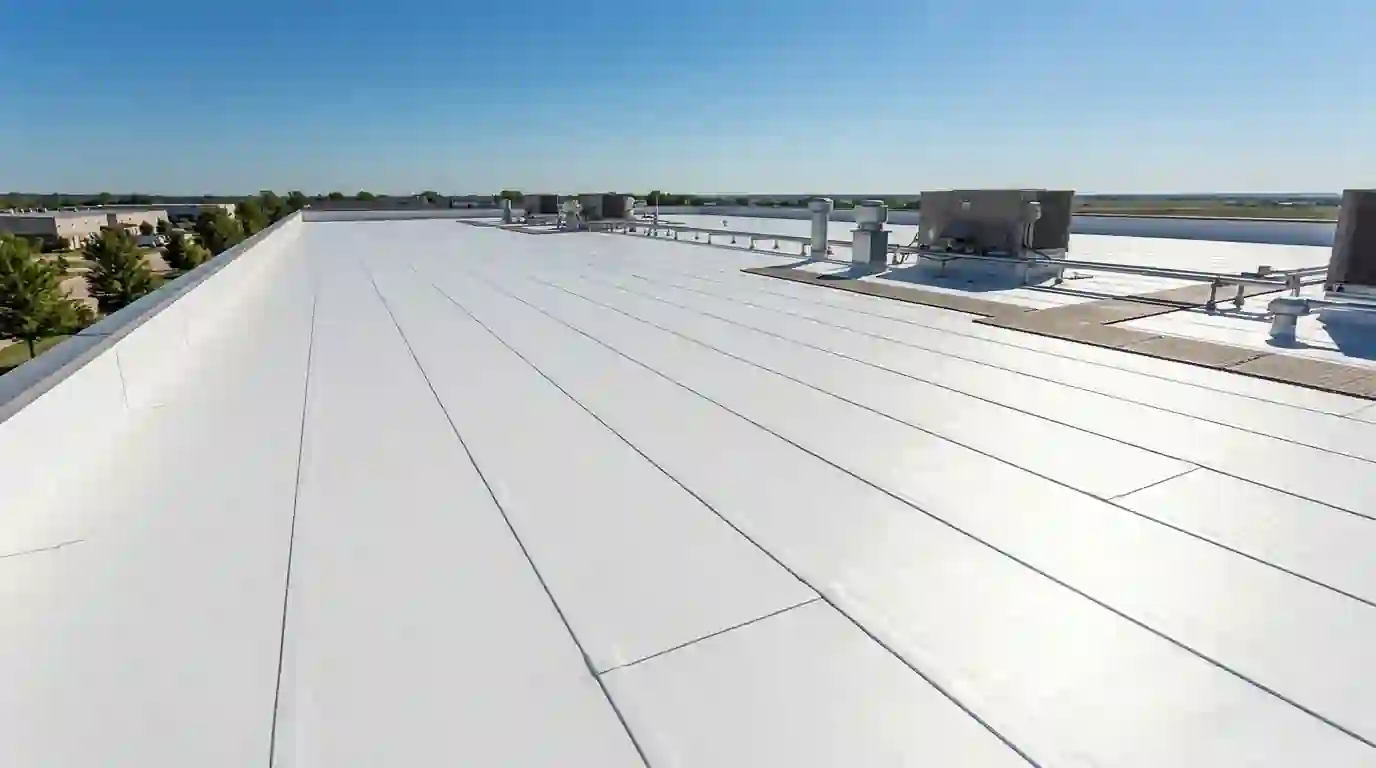
Bright white TPO membrane roof with heat-welded seams on a low commercial building under blue sky

TPO Roofing

White heat-welded TPO membrane for flat and low-slope roofs on San Antonio homes and small buildings, laid over new insulation board.

Learn more
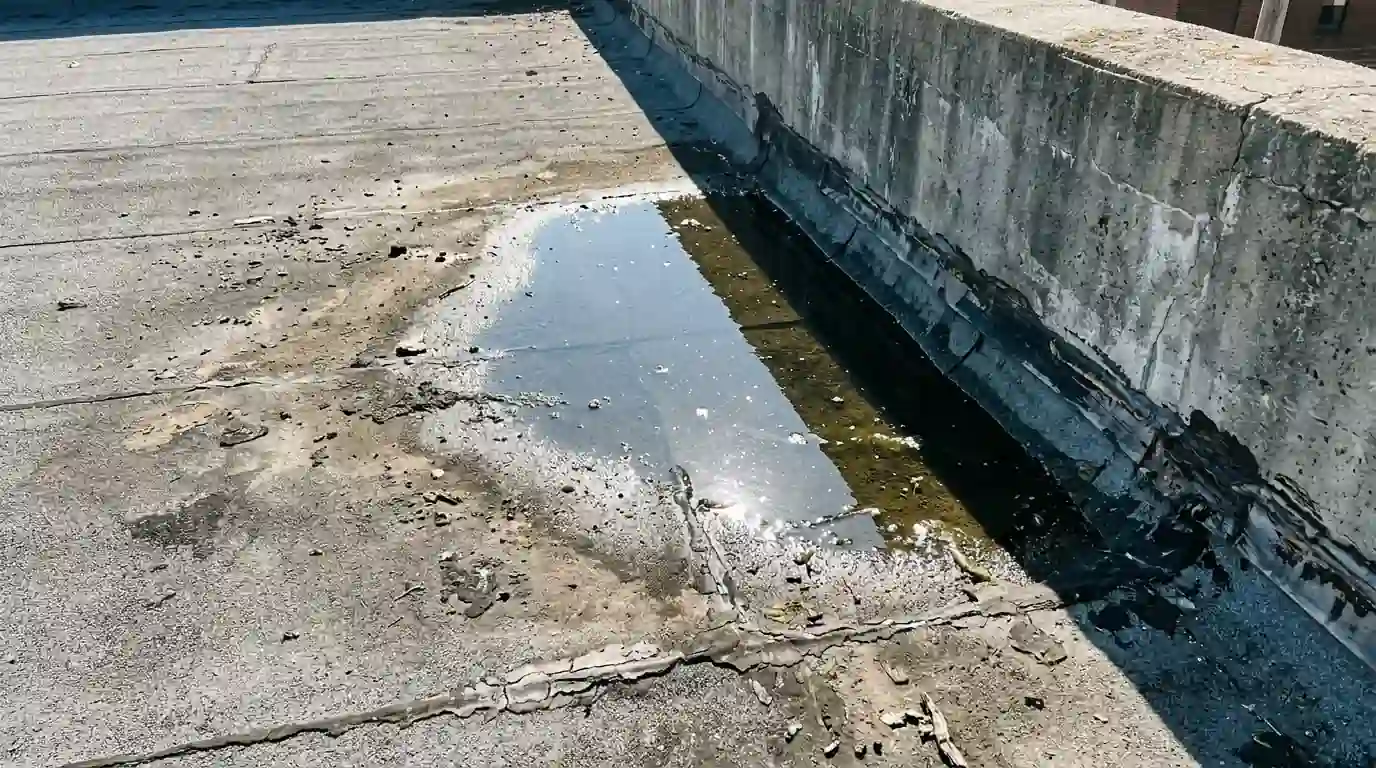
Puddle of ponding water on an aged low-slope roof section beside a parapet wall in bright sun

Flat Roof Repair

Repairs for ponding, blisters and split seams on flat and low-slope sections of older San Antonio homes, porches and additions.

Learn more
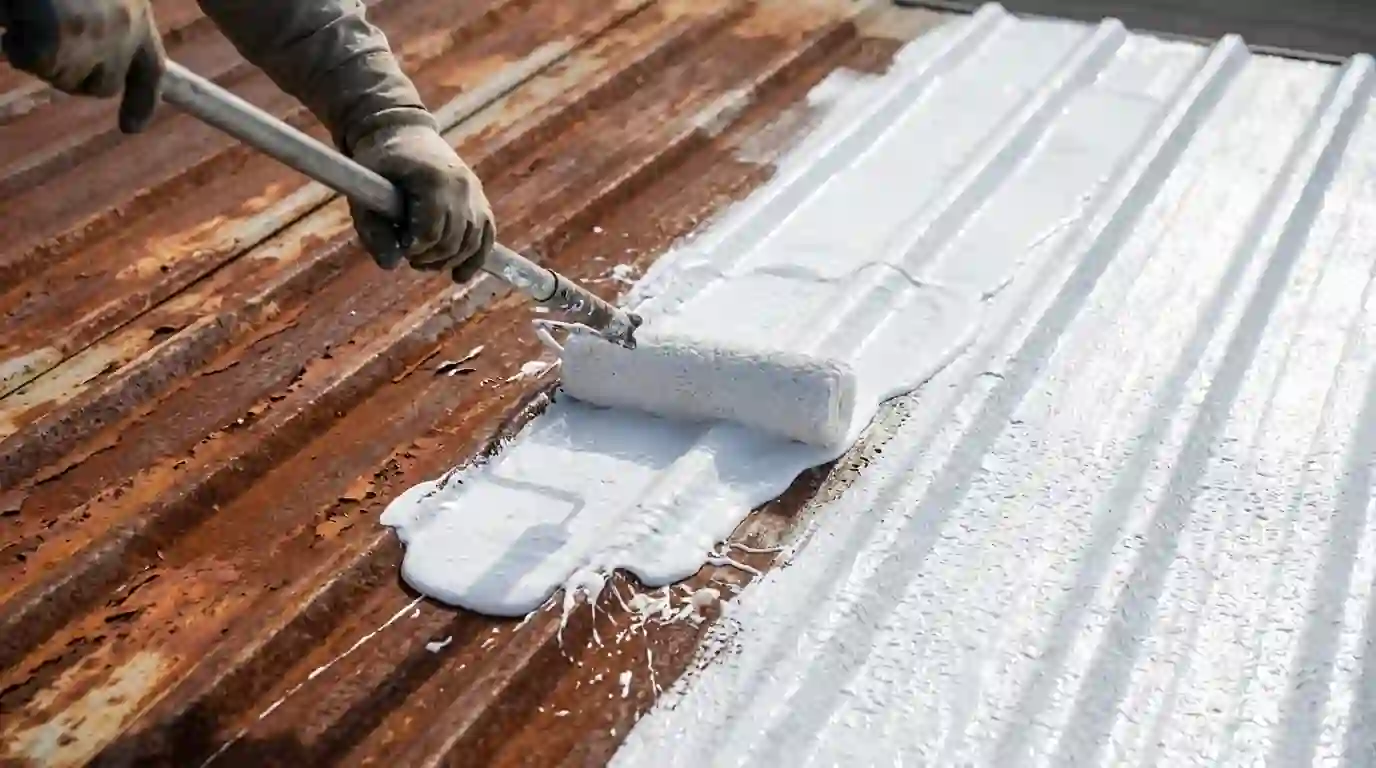
Roller applying white silicone coating over a weathered metal roof, half the surface already bright white

Silicone Roof Coating

Silicone restoration coatings that extend the life of sound flat and metal roofs in San Antonio, after repairs and adhesion testing.

Learn more

Roof trouble today? Talk to a roofer now.

Our phone line is answered 24/7. Tell us what you see and we will tell you the next step, even if that step is a tarp tonight and a full inspection tomorrow.

Call (210) 750-1898Answered 24 hours a day
Call (210) 750-189824/7