What we usually find under a 60-year-old Hollywood Park roof
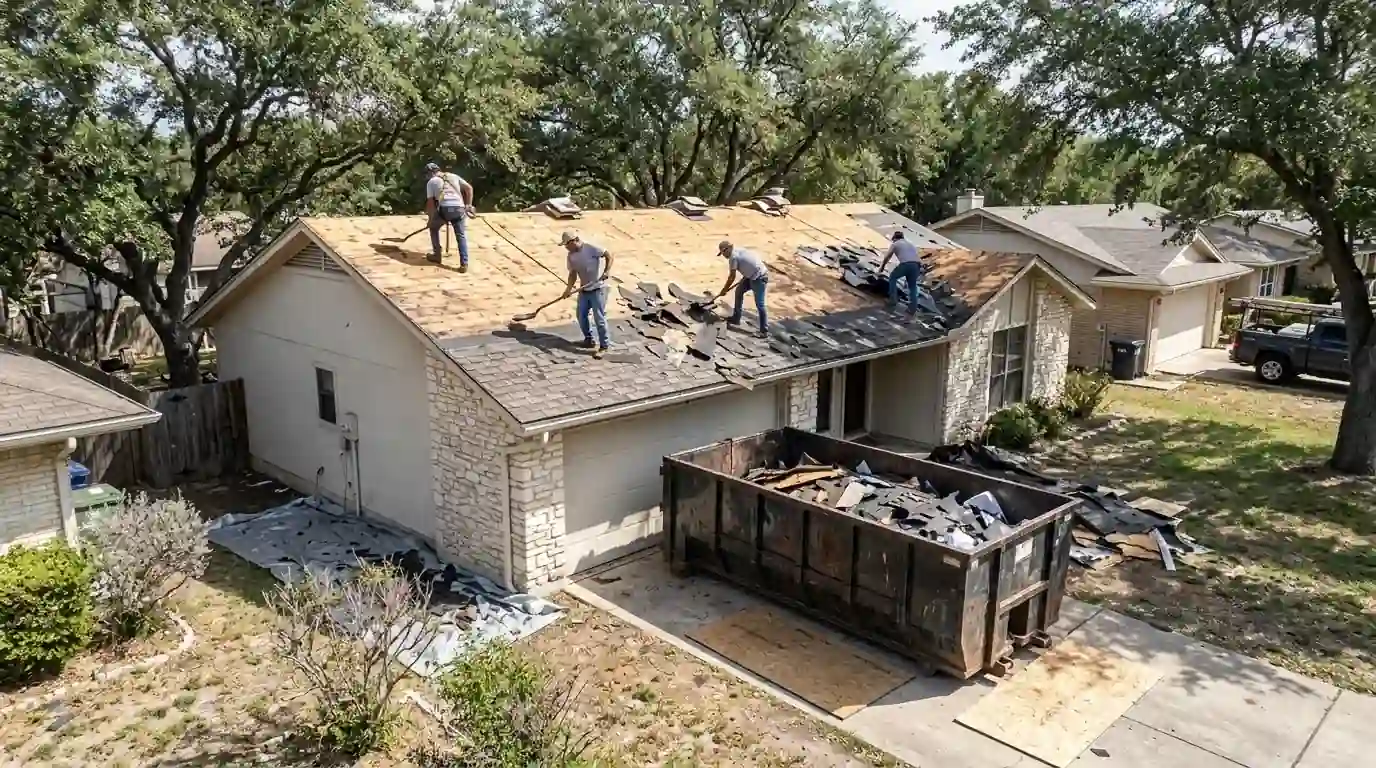
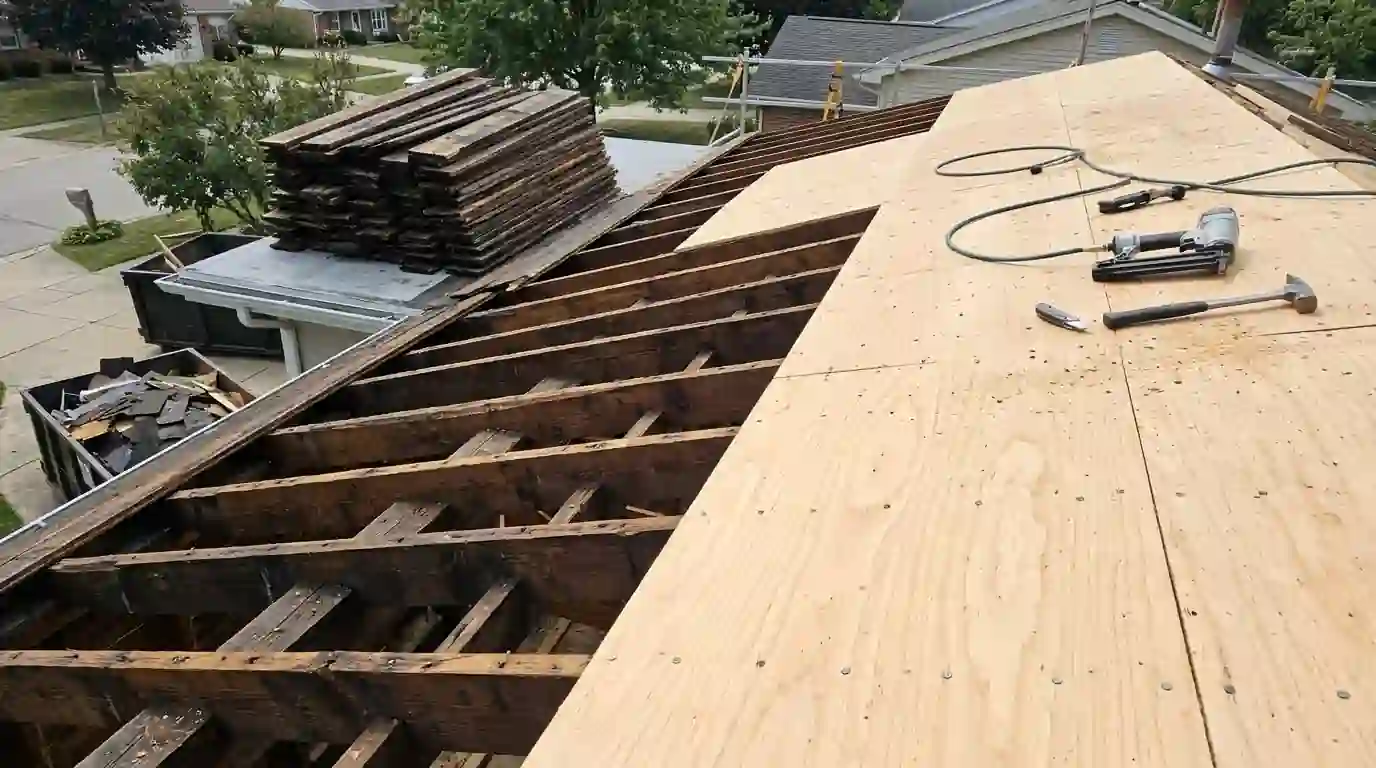
Many of these homes started with plank decking, then got new shingles stacked over old ones during later reroofs. When we tear off, it's common to find two layers or more, rotted planks along the eaves and around old vent stacks, and rafters with some sag from carrying the extra weight. None of that shows up from the driveway.
We look at the deck from the attic before giving you a range, pressing on suspect areas and checking for daylight and water staining. If sections need new decking, we price it per sheet so you know the cost before the old roof comes off. Fresh plywood also gives new shingles a flat, solid nailing base, which helps them seal properly.
Choosing between shingles and metal for a ranch home under the oaks
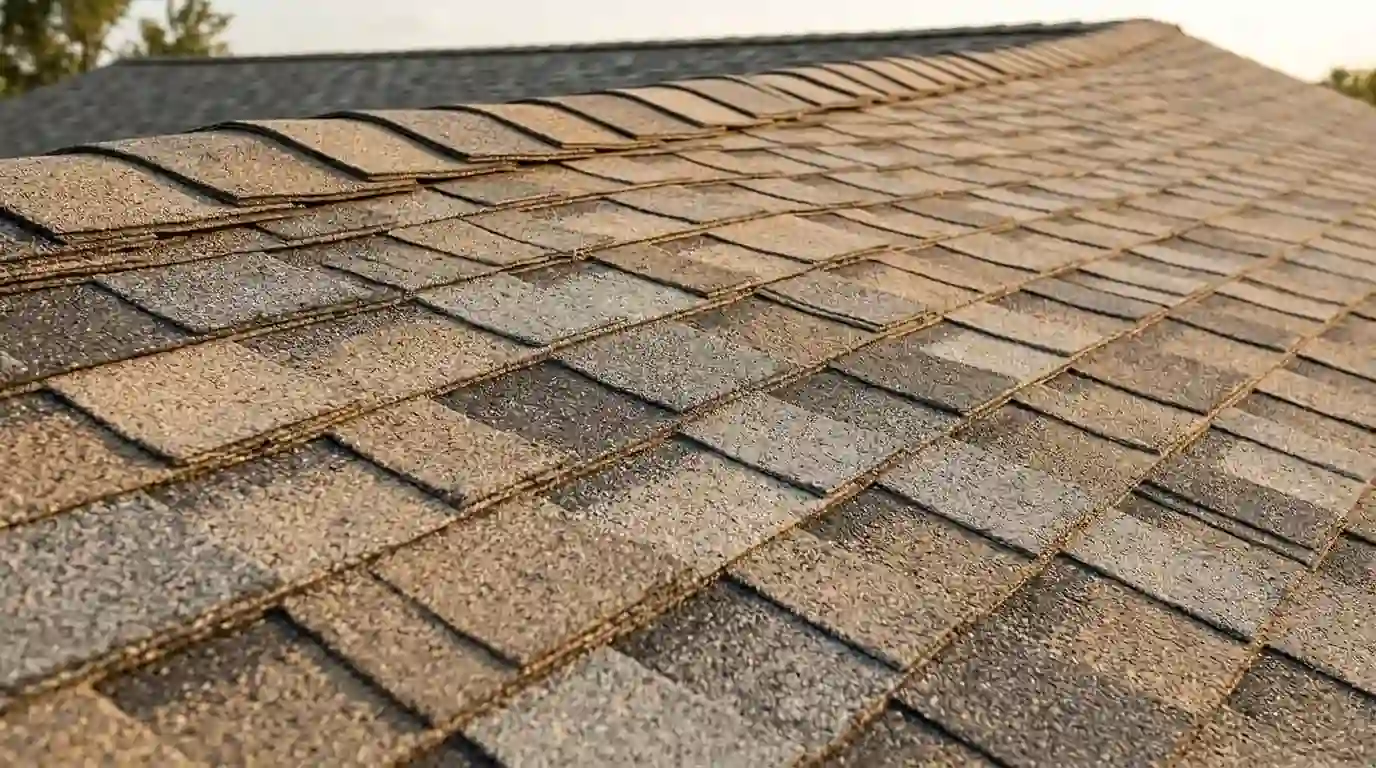
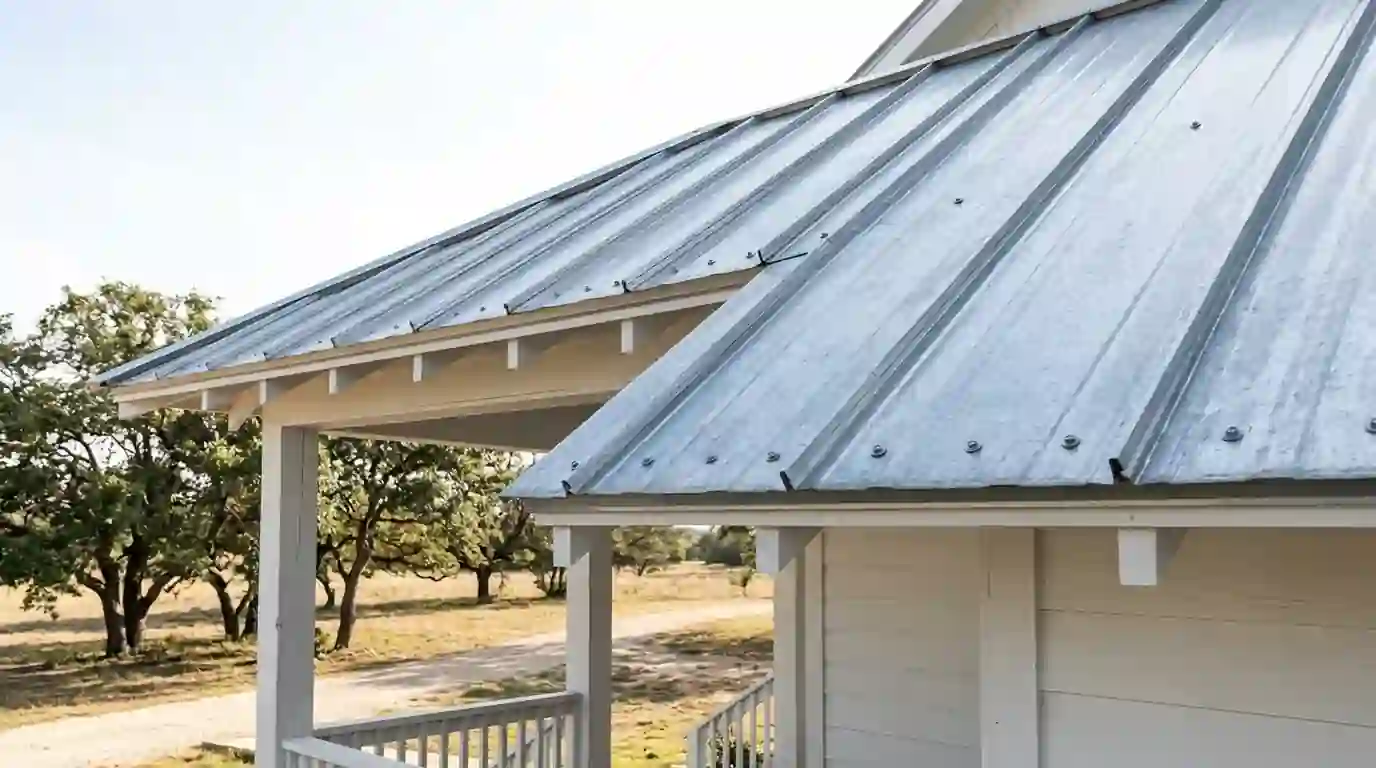
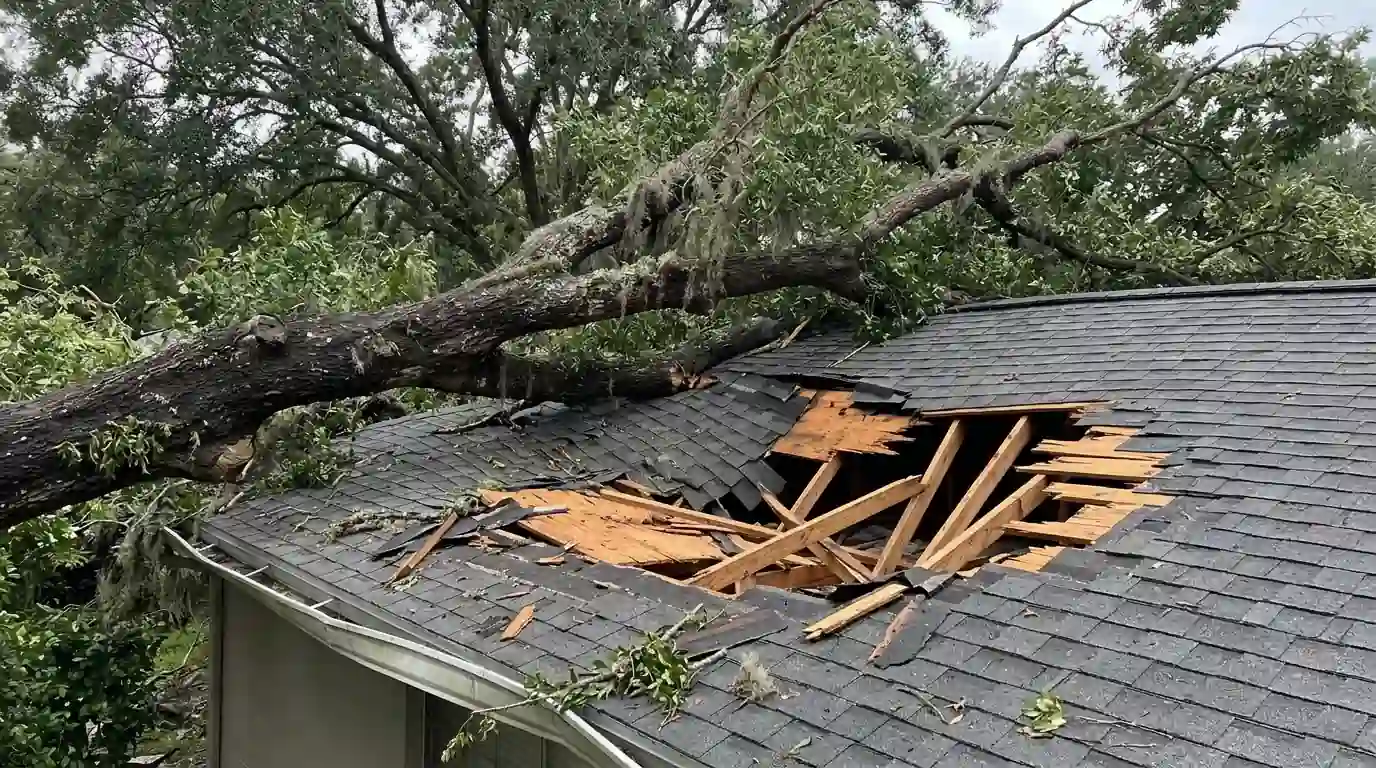
Low, wide ranch roofs work well with either. Architectural shingles keep the cost down and suit the look of the neighborhood. Metal, including 5V crimp panels, sheds leaves and acorns better and holds up to falling twigs, though a large limb will dent any roof.
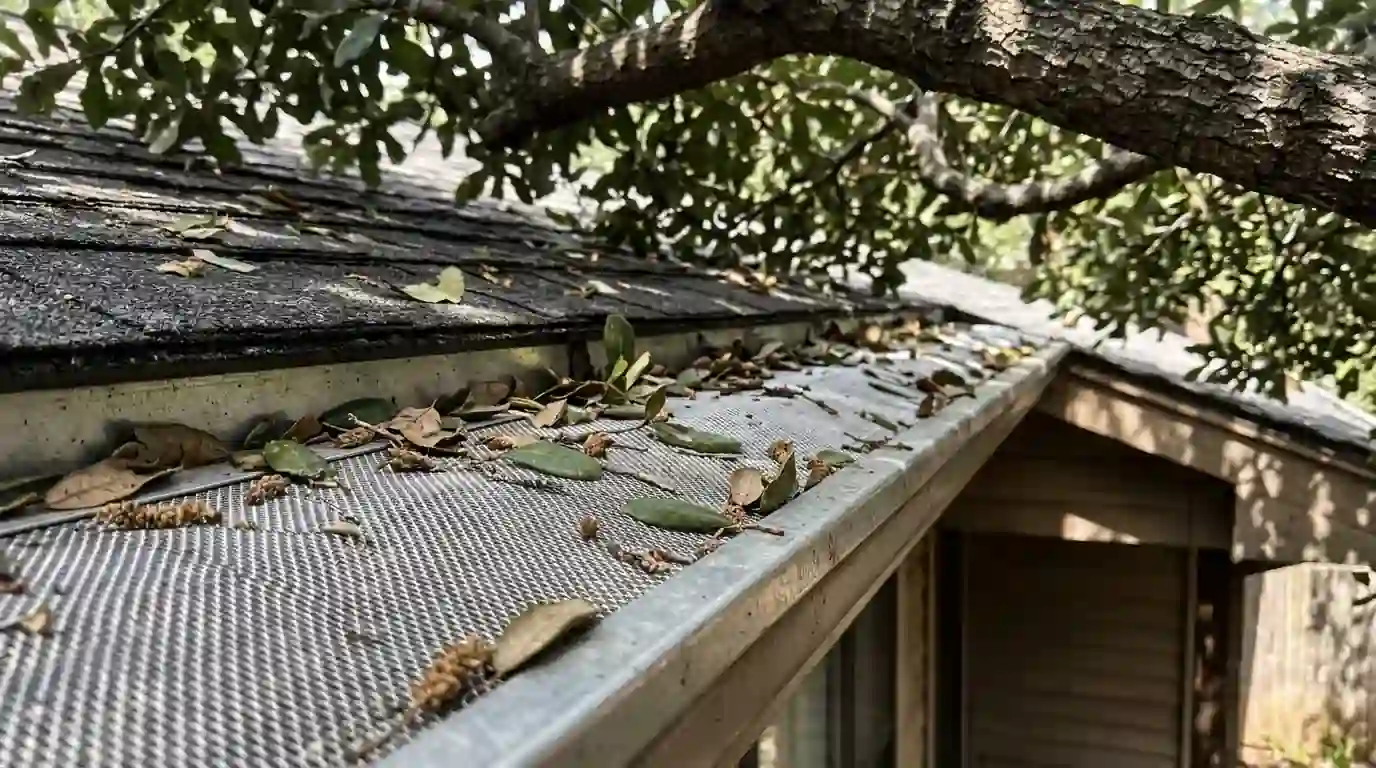
Shade from big oaks keeps the roof cooler but slows drying after rain, so algae can show up on north slopes. Whatever material you pick, gutter guards and regular valley cleaning make a real difference here. Low-slope back porches and carports added in the 1970s often need a different membrane than the main roof, and we'll point that out during the visit.
How do you protect a wooded lot with wildlife during a tear-off?
Hollywood Park lots are known for their trees and deer, and we plan tear-offs around both. We cover beds and walkways, set the dumpster where it won't crush roots, and run magnetic sweeps for nails across the yard and driveway at the end of each day. Deer and pets shouldn't be stepping on roofing nails.
The town issues its own permits, which we confirm before scheduling. If a limb is resting on or hanging over the roof, get it trimmed before the reroof, and our repairs after tree strikes cover the case where it comes down first. We'll also flag any limbs we see resting on the eaves during the inspection, since those are the ones that scrape shingles loose every time the wind picks up.