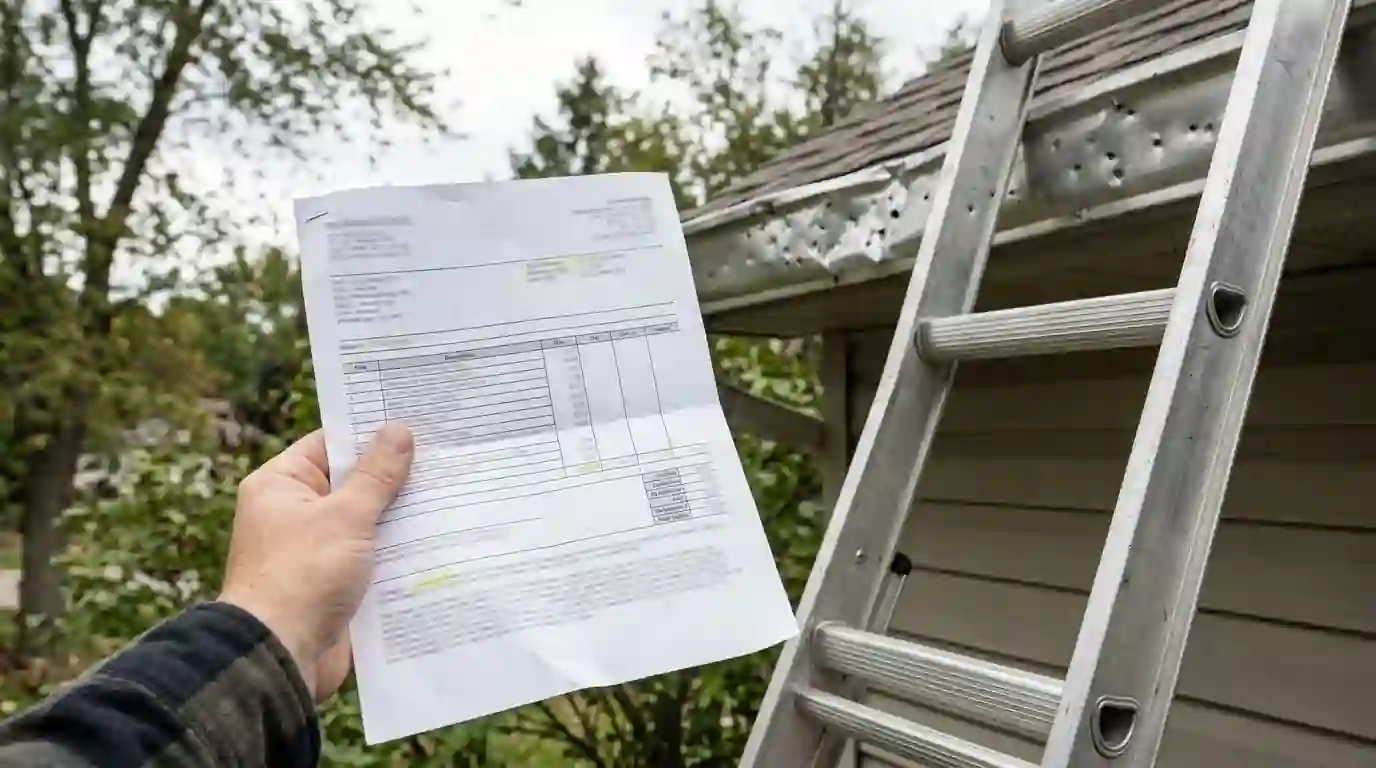
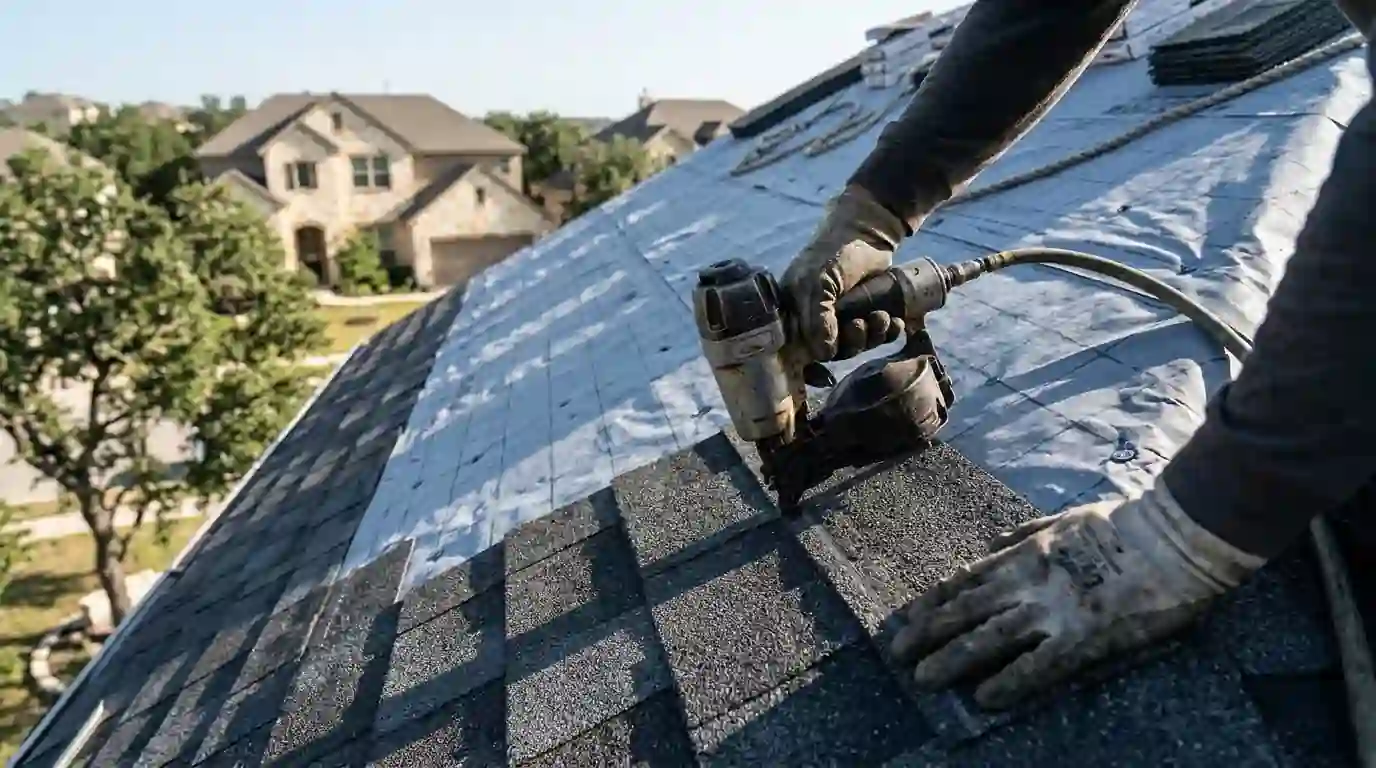
Typical life spans for each roof type here
These are broad, general ranges, not promises. A roof's real life depends on the product, how it was installed, how the attic breathes and what storms it has faced. Treat the ranges as a planning guide, and use an inspection to see where your own roof stands.
Notice that many of these ranges are shorter than what's printed on product brochures. Those figures often assume milder climates. In Bexar County and the surrounding area, the sun and attic heat take a steady toll that shows up most on asphalt.
- 3-tab asphalt shingles often wear out in roughly 12 to 18 years here.
- Architectural asphalt shingles commonly reach about 17 to 24 years with good ventilation.
- Exposed-fastener metal such as 5V crimp can last decades, with screws and washers needing attention along the way.
- Standing seam metal often lasts 40 years or more.
- Clay and concrete tile can outlast the house, but the underlayment beneath often needs replacing in about 20 to 30 years.
- Flat roof membranes such as TPO and modified bitumen vary widely, often in the 15 to 25 year range with upkeep.
Why heat ages a roof faster in South Texas
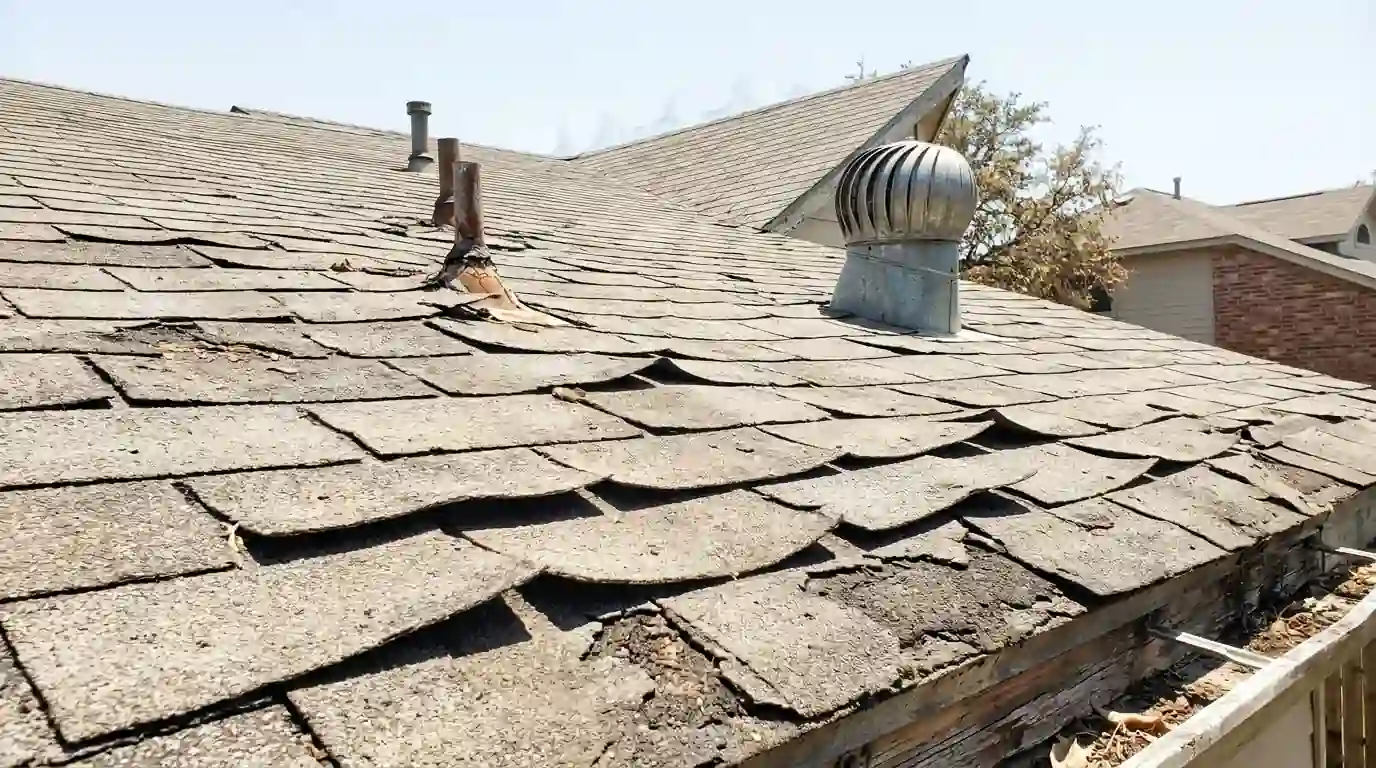
Asphalt shingles rely on oils that keep them flexible. Heat drives those oils out year after year, so shingles slowly get brittle, curl and shed granules. Summer attic temperatures in San Antonio commonly pass 140 to 150 degrees, which means shingles get heated from below while the sun works on them from above.
Big daily swings make it worse. A roof can heat up in the afternoon, then cool quickly in an evening storm. That expansion and contraction stresses shingle tabs, nails, sealant strips and flashings. Over many summers, the small movements add up to loose tabs, cracked sealant and gaps around pipes and vents.
Attic ventilation is the factor you can control
A well-vented attic pulls in cooler air at the soffits and lets hot air out at the ridge. That lowers the temperature under the deck and slows shingle aging. Many South Texas homes have blocked soffit vents, too little intake or a mix of exhaust types that work against each other.
Signs of a poorly vented attic include very high attic heat, rippled or wavy shingles, and in winter, condensation on nails or the underside of the deck. Fixing ventilation during a reroof is one of the cheapest ways to add years to the new roof. Our ventilation and ridge vent work starts with measuring intake and exhaust so the two stay in balance.
Hail, wind and trees can end a roof early
A single strong hailstorm can take years off a roof in one evening. Spring is the main hail season here, roughly March through June, and repeated storms bruise shingles and strip granules even when they don't cause an obvious leak right away. Our guide on which hail sizes cause damage explains what to look for.
Trees are another factor. Live oaks are everywhere in San Antonio, and branches that rub the roof scrape away granules. Leaves pile up in valleys and gutters, holding moisture against the roof. Trimming limbs back from the roof line and keeping valleys clear are simple steps that pay off for years.
Installation quality shows up years later
Two roofs built from the same product can age very differently based on how they were installed. Nails set too high or driven crooked, too few nails per shingle, missing starter strips or poorly sealed flashings all shorten a roof's life. Problems like these often stay hidden until a windstorm or a leak exposes them.
Underlayment and deck condition matter too. A new roof over soft or water-damaged decking won't hold nails well. During a tear-off we check the deck and replace bad sections before new materials go on. When it's time for a new roof, our full replacement process includes that deck check, new flashing and balanced ventilation.
Signs your roof is near the end of its life
A roof rarely fails all at once. It gives warning signs over several years, and catching them early gives you time to plan and budget instead of reacting to a leak. Check from the ground with binoculars after big storms and once a year in early spring.
- Shingles that curl at the edges or cup in the middle.
- Bare spots where granules are gone and black asphalt shows.
- Heavy granule buildup in gutters and at downspout outlets.
- Cracked or missing shingles that keep turning up after mild wind.
- Daylight or water stains in the attic, especially near pipes and valleys.
- Repairs that are needed more and more often.
Small habits that add years to any roof
Regular attention costs far less than early replacement. A yearly check of flashings, pipe boots and sealant catches small failures while they're cheap to fix. Rubber pipe boots in particular tend to crack in the sun well before the shingles around them wear out.
Keep gutters clear so water doesn't back up under the roof edge, trim limbs back, and have the roof checked after any storm with quarter-size hail or larger. A scheduled maintenance visit handles most of these items in one trip. To learn where your roof stands today, phone (210) 750-1898; the line is answered 24/7.