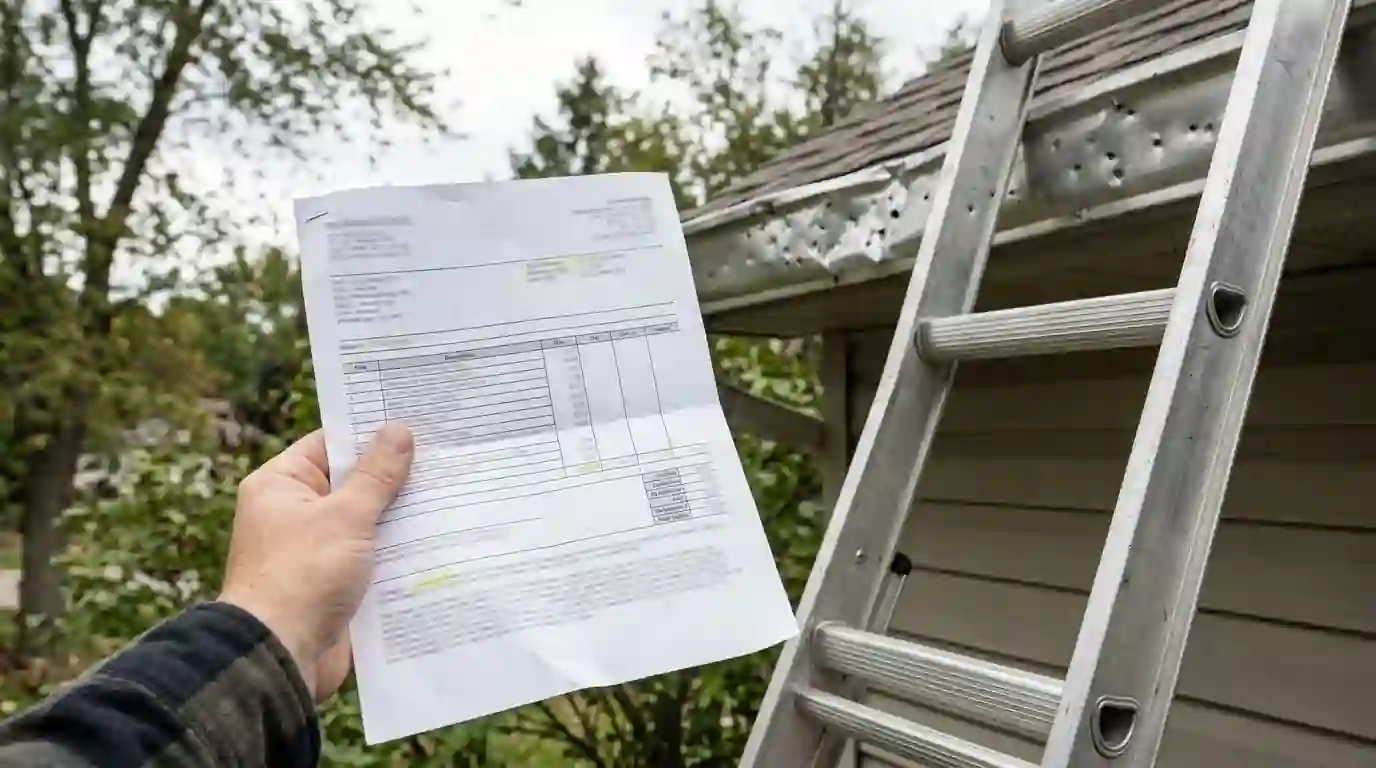
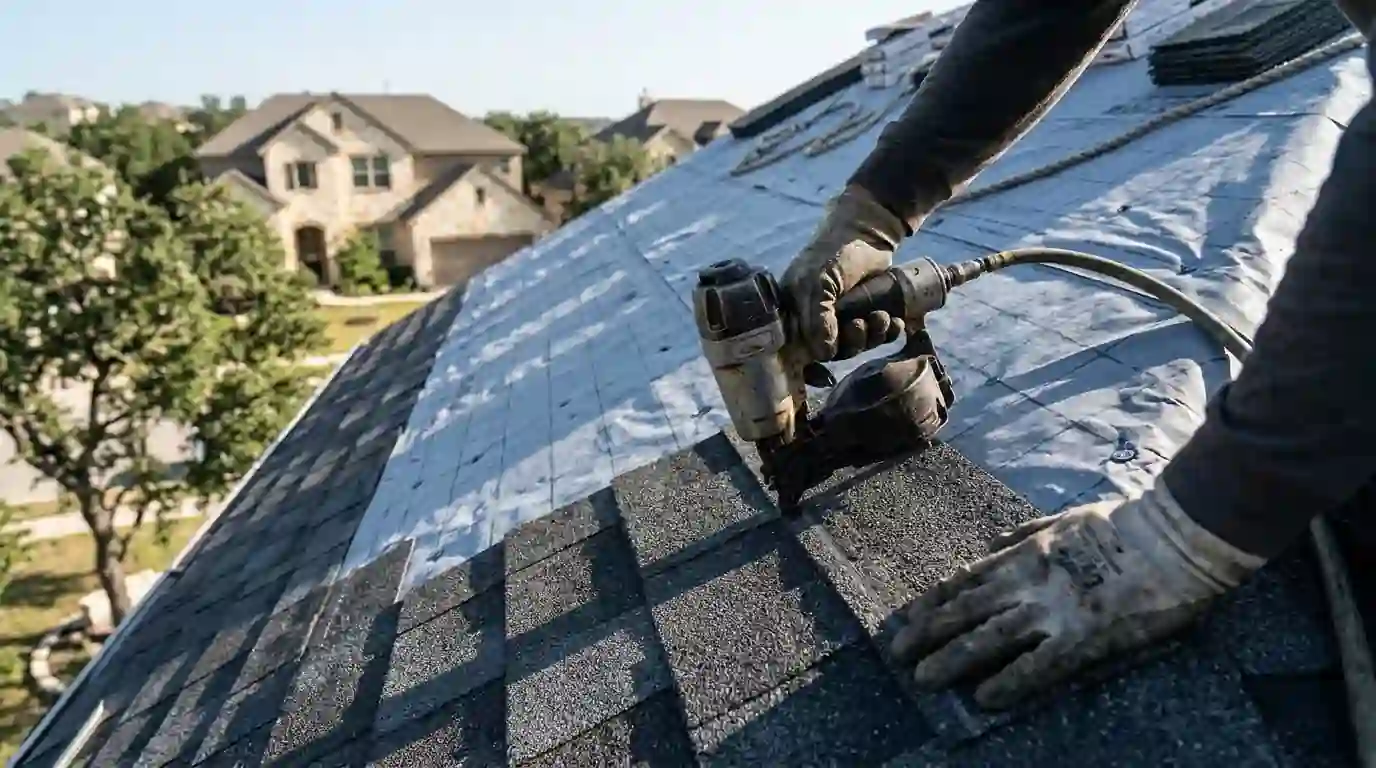
Who issues roofing permits for your address?
Many people assume a San Antonio mailing address means the city of San Antonio handles their permit. That isn't always true. Bexar County holds several small incorporated cities surrounded by San Antonio, and each runs its own building department, sets its own rules and keeps its own inspection schedule.
For homes inside San Antonio city limits, the Development Services Department handles building permits. Homes in places like Alamo Heights, Shavano Park, Castle Hills, Hollywood Park, Olmos Park or Terrell Hills go through their own city halls. Homes in unincorporated parts of the county, and in suburban cities like New Braunfels or Boerne, follow different requirements again.
A quick way to check is your property tax statement or the Bexar Appraisal District listing, which shows the taxing jurisdictions for your parcel. We confirm this for every job anyway, because the right office decides what paperwork comes next.
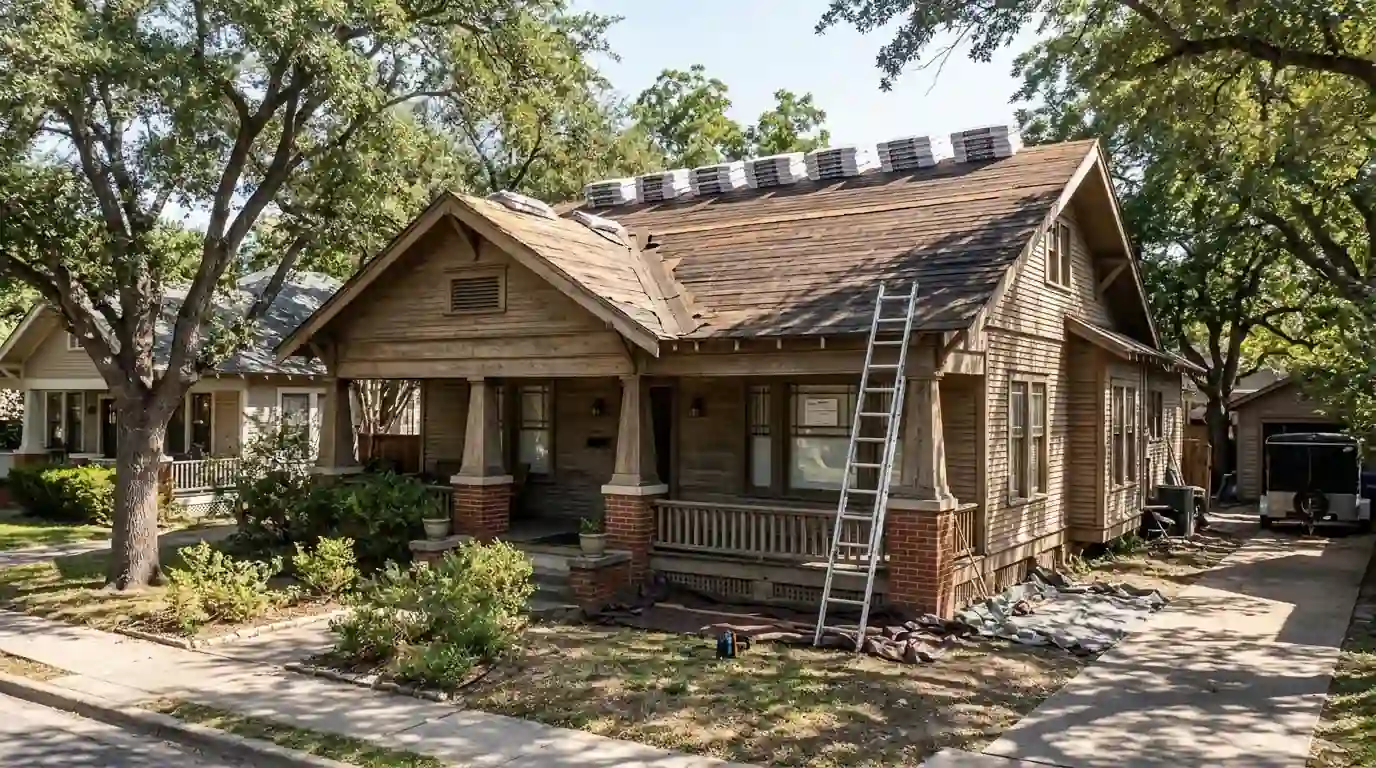
Does a straight reroof need a permit?
It depends on the jurisdiction and the scope of the work. Some cities require a permit for any reroof. Others treat a like-for-like replacement differently from work that changes the structure, the roof covering type or the framing underneath. Replacing large amounts of decking or rafters can also move a job into a different category.
Because those details vary and change over time, we don't rely on memory or a general rule of thumb. Before a reroof on your home starts, we check the current requirement with the office that covers your address and handle the permit when one is needed.
Small repairs, like replacing a few shingles or a pipe boot, usually fall outside permit requirements, but that too depends on the city. If a repair grows into a larger section of decking or framing, we check again.
What changes when your home sits in a historic district
San Antonio has a number of local historic districts, including well-known ones like King William and Monte Vista. In these districts, exterior changes generally need review by the City of San Antonio Office of Historic Preservation before work starts, and that includes roofing.
The review usually focuses on whether the new roof keeps the home's historic character. Switching materials, changing a roof's profile, or swapping clay tile or slate for something that looks different from the street will draw the closest attention. Replacing with matching material tends to be simpler, but it still needs the right approval.
Plan extra lead time for these homes. If your house is in Monte Vista or another district and the roof is near replacement, start the conversation before a leak forces a rushed decision. Our work on historic roofs begins by sorting out what review applies.
What a permit application usually involves
Each office has its own process, but most reroof applications ask for similar basic information. Knowing what's typical helps you understand why we ask the questions we do before scheduling.
Once a permit is issued, it's normally posted or kept available at the job site. Some jurisdictions also require an inspection during or after the work, and we schedule around those so the job doesn't stall waiting on a visit.
- The property address and owner information.
- A description of the work, such as tear-off and replacement with a stated material.
- The roof covering being installed, and sometimes its product details.
- Whether decking, framing or the roof's shape will change.
- Historic district approval first, when the home sits inside one.
Why skipping the permit can cost you later
Unpermitted roof work can come back up when you sell. Buyers' inspectors and title searches may turn up a missing permit, and some lenders or insurers ask about roof age and documentation. Sorting out old work after the fact is usually slower and more expensive than doing it properly the first time.
Insurance is another reason. After a hailstorm, your insurer may want proof of the roof's age and what was installed. A permit record, paired with the invoice and product information, gives you a clean paper trail. If you're planning a claim, our guide to Texas roof claim steps covers what else to keep.
Questions to ask any roofer about permits
How a contractor answers permit questions tells you a lot about how the rest of the job will go. Clear, specific answers are a good sign. Vague ones, or a suggestion that permits aren't worth the trouble, are worth noticing.
Keep copies of the permit, any inspection results and your final invoice with your home records. They're easy to lose track of, and you'll want them for a sale, a refinance or a future claim.
- Which office covers my address, and does this job need a permit there?
- Who pulls the permit, and is it included in the price?
- Does my home sit in a local historic district that needs separate review?
- Will an inspection be required, and who will be there for it?
- How will I get copies of the permit and final approval?
How we handle permits on your roof
For every replacement, we confirm the jurisdiction and current requirements for your address, handle the application when one is needed, and work through historic review first on homes that sit in a district. You'll know what applies before anything is torn off.
Give us a call at (210) 750-1898. The line is answered 24/7, and we can tell you what applies to your address before you plan the project.